
Franklin, North Carolina
Want to see how Franklin compares to other top cities in North Carolina? Explore all city regulations in North Carolina. →
Franklin, NC
Generally Investor Friendly
STR Regulations for Franklin, North Carolina
Executive Overview
Short-term rentals are permitted in Franklin, North Carolina, though they are subject to specific zoning and regulatory requirements at both the county and state level. Franklin County's regulations focus primarily on properties such as cabins, lake homes, and residential accommodations catering to tourists seeking recreational experiences. The area sees significant tourist traffic, particularly around Lake Gaston and Kerr Lake, with STRs being more prevalent in rural and waterfront settings.
What do Airbnb hosts actually earn in Franklin?
Franklin hosts earn a median $25,045/year with $170 ADR and 52% occupancy.
Top performers pull in $37,067+ per year.
See the full Franklin market breakdownStarting Your Short-Term Rental Business in Franklin, NC
Step 1: Verify Zoning Compliance
Before purchasing or listing your property, verify that short-term rentals are permitted in your specific zoning district. Franklin County Planning and Inspections Department oversees zoning compliance for STRs.
Step 2: Obtain Required Permits/Licenses
While North Carolina state law prevents local authorities from requiring registration or licenses for short-term rentals, you may still need:
- Zoning permits if required by your specific district
- Building and health permits to ensure code compliance
Step 3: Install Required Safety Equipment
All STR properties must have:
- Smoke alarms installed and operational
- Carbon monoxide detectors where applicable
- Compliance with all applicable building and housing codes
Step 4: Secure Liability Insurance
Obtain appropriate liability insurance coverage for your STR operation.
Step 5: Set Up Tax Collection Systems
Implement systems to collect and remit required taxes:
- North Carolina state sales tax (4.75%)
- Local occupancy tax (varies by county)
Step 6: Establish Operational Procedures
Create comprehensive house rules covering:
- Occupancy limits
- Quiet hours
- Parking requirements
- Waste disposal procedures
- Guest behavior expectations
Required Documents, Permits, Licenses, and Guidelines
Documentation Requirements
- Proof of property ownership
- Proof of residence (if applicable)
- Liability insurance documentation
- Property deed or lease agreement
Permits and Licenses
Based on available information, specific permit requirements for Franklin County are not clearly detailed. However, operators should expect to potentially need:
- Zoning permits (if required by local authorities)
- Building permits for any renovations
- Health department permits (if applicable)
Operational Guidelines
- Compliance with local maximum occupancy standards
- Provision of required parking spaces
- Adherence to noise and disturbance regulations
- Proper waste management procedures
Specific Regulations: City, County, and State Level
State Level (North Carolina)
- Definition: Short-term rental defined as rental of residential property for less than 90 days for recreational, leisure, or vacation purposes
- Statewide Status: No statewide prohibition on short-term rentals
- Local Authority Restrictions: State law prevents local authorities from requiring registration or licenses for STRs
- Tax Requirements:
- State sales tax: 4.75%
- Local occupancy tax (varies by county)
County Level (Franklin County)
- Regulatory Body: Franklin County Planning and Inspections Department
- Zoning Compliance: STRs subject to specific zoning and regulatory requirements
- Property Types: Focus on cabins, lake homes, and residential accommodations
- Location Restrictions: STRs more prevalent in rural and waterfront settings
- Tourist Focus: Primarily catering to recreational tourists rather than business travelers
Local Regulations (Typical for North Carolina Cities)
While specific Franklin regulations aren't detailed, typical requirements include:
- Zoning permits (must be renewed annually if required)
- STRs allowed in specific zoning districts
- Health and safety equipment installation mandatory
- Building and housing code compliance required
- Maximum occupancy compliance necessary
- Parking requirement compliance
- Liability insurance requirements
- Prohibition on special events in residential zoning districts
- Local contact person requirements (often within specified radius)
Contact Information for Local Authority
Franklin County Planning and Inspections Department
Authority: Primary regulatory body for STR zoning and permits in Franklin County
Key Resources:
- Franklin County Unified Development Ordinance (Article 10 Definitions)
- Zoning Districts and Standards (Article 5)
- Official county website and planning section
For Official Details: Contact Franklin County Planning and Inspections Department directly for:
- Specific zoning permit requirements
- Current regulatory updates
- Permit application processes
- Compliance guidance
North Carolina Department of Revenue
For Tax Matters:
- State sales tax collection and remittance requirements
- Local occupancy tax information
- Tax registration procedures
Important Considerations for Investors
Zoning Restrictions
- Verify STR compatibility with your property's zoning district
- Consider overlay districts that may impose additional restrictions
- Review conditional zoning requirements if applicable
Market Characteristics
- Strong seasonal demand (peak in fall foliage season)
- Rural and mountain property focus
- Proximity to outdoor activities enhances property appeal
- Competition exists but market is not oversaturated
Operational Challenges
- Rural location may require robust maintenance plans for septic systems and well water
- Winter weather access considerations
- Need for reliable local cleaning and maintenance teams
- Distance from urban services may affect response times
Compliance Strategy
- Pre-Purchase Due Diligence: Verify zoning compliance before acquisition
- Professional Consultation: Engage local zoning experts and STR compliance specialists
- Documentation Management: Maintain comprehensive records of all permits, licenses, and compliance measures
- Ongoing Monitoring: Stay updated on regulatory changes at county and state levels
Sources and References
-
Lodge Compliance - Franklin County, NC
- Source: www.lodgecompliance.com/local-jurisdiction/franklin-county-nc
- Content: County-specific STR legal status, regulatory overview, contact authority information
-
RedAwning - Franklin, North Carolina Market Overview
- Source: www.redawning.com/pm/market-overview/franklin-north-carolina
- Content: Market performance, typical NC state regulations, investment guidance
-
GoSummer - Vacation Rental Management in Franklin, NC
- Source: www.gosummer.com/vacation-rental-management/franklin-north-carolina
- Content: Local market characteristics, tax requirements, management considerations
-
Franklin County Unified Development Ordinance - Article 5
- Source: www.franklincountync.gov/DocumentCenter/View/841/Article-5---Zoning-Districts-and-Standards
- Content: Zoning districts, overlay requirements, land use regulations
Disclaimer and Recommendations
Important Note: This guide is based on available information and should not be considered comprehensive legal or tax advice. Regulations can change, and specific requirements may vary based on your exact property location and circumstances.
Recommended Next Steps:
- Contact Franklin County Planning and Inspections Department directly for current, detailed requirements
- Consult with local zoning attorneys familiar with Franklin County regulations
- Engage certified public accountants for tax planning and compliance
- Consider working with established STR management companies familiar with local requirements
Regulatory Changes: Stay informed about potential changes to North Carolina state law regarding local authority over short-term rentals, as this could impact Franklin County's regulatory framework.
Next step
Found a property in Franklin?
Paste any address and get estimated revenue, cash-on-cash return, and comparable STR performance in under 5 minutes. 3 free analyses per day.
Free brief
Get the free Franklin STR Investment Brief
Revenue data, top neighborhoods, seasonal trends, and the key regulations for Franklin, North Carolina in one email.
Franklin
Market Saturation Score
Photos of Franklin

Overview of Franklin
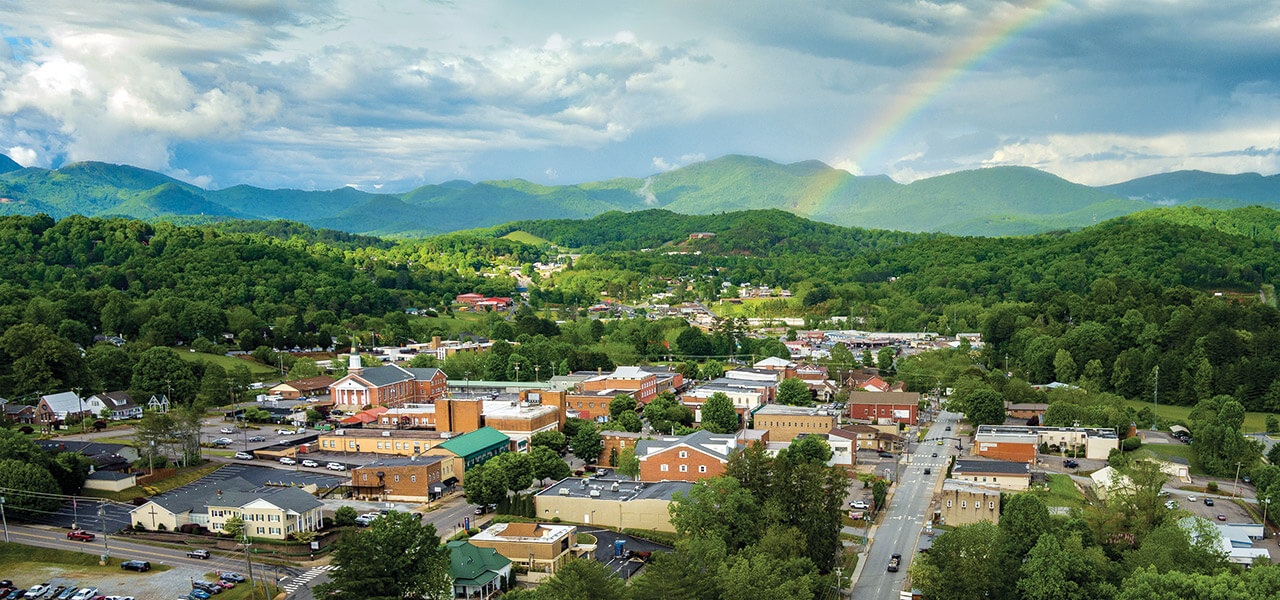
Franklin is a small mountain town in the southwestern corner of North Carolina, serving as the county seat of Macon County. With a population of roughly 3,800 residents, it sits in a scenic valley of the southern Blue Ridge Mountains and carries the well-earned nickname of the "Gem Capital of the World." The town has a quiet, outdoorsy character, with a walkable Main Street lined with small shops, gem dealers, and family-owned restaurants. It functions as a gateway to some of the most rugged and popular terrain in the eastern United States, including the southern reaches of the Great Smoky Mountains and the vast Nantahala National Forest. The nearest major city is Asheville, about 65 miles to the northeast, while Atlanta lies roughly two hours to the southwest.
Gem mining is the activity most closely associated with Franklin, and the surrounding hills are dotted with commercial mines that welcome visitors to sluice through dirt in search of rubies, sapphires, garnets, and quartz. Dozens of family-run operations line the roads leading out of town, and many travelers plan their visits specifically around the chance to dig for their own stones. The mines are typically within a 5- to 20-minute drive of downtown, making the activity an easy and distinctive outing for guests staying in the area.
To the north and west of Franklin lies the Great Smoky Mountains National Park, the most visited national park in the country. The Oconaluftee and Deep Creek entrances, both on the North Carolina side, are about 45 minutes to an hour away, opening up access to historic farmsteads, old-growth forest, wild trout streams, and the mountain town of Cherokee at the park's edge. Visitors can also use Franklin as a base for day trips onto scenic drives like the Blue Ridge Parkway, which threads along the ridgelines just a short distance from town.
Surrounding the town, the Nantahala National Forest offers an enormous playground of waterfalls, hiking trails, and whitewater rivers. The Nantahala Gorge, famous for rafting and kayaking, is roughly 25 minutes west, while a string of roadside waterfalls such as Dry Falls, Bridal Veil Falls, and Cullasaja Falls can be reached in under half an hour along U.S. Highway 64. Anglers, hikers, and leaf-peepers all find ample reason to linger in the forest throughout the year.
Franklin's combination of small-town charm, gem-themed novelty, and immediate access to two of the most beloved outdoor destinations in the Southeast makes it a natural fit for short-term rentals. Guests can return from a day on a Smoky Mountains trail or a stretch of whitewater to a quiet downtown with mom-and-pop dining, and the town's slower pace and scenic mountain setting appeal to families, retirees, and adventure travelers alike across all four seasons.
Want to know if a property in Franklin is a good investment?
Enter an address to get instant revenue potential and comps.