
Columbia, North Carolina
Want to see how Columbia compares to other top cities in North Carolina? Explore all city regulations in North Carolina. →
Columbia, NC
Very Investor Friendly
STR Regulations for Columbia, North Carolina
Overview: Are Short-Term Rentals Allowed in Columbia, NC?
Yes, short-term rentals are allowed in Columbia, North Carolina, subject to state-level regulations under the North Carolina Vacation Rental Act and applicable local ordinances. Columbia is located in Tyrrell County, and operators must comply with both state requirements and any county or local regulations that may apply.
What do Airbnb hosts actually earn in Columbia?
Columbia hosts earn a median $21,446/year with $143 ADR and 59% occupancy.
Top performers pull in $29,977+ per year.
See the full Columbia market breakdownHow to Start a Short-Term Rental Business in Columbia, NC
To launch a short-term rental operation in Columbia, NC, follow these essential steps:
1. Understand State Requirements
Under the North Carolina Vacation Rental Act, short-term rentals (defined as rentals for fewer than 90 days for vacation, leisure, or recreation purposes where the renter has another permanent residence) must be accomplished via a written agreement containing statutorily prescribed notices and specified provisions governing party rights and obligations.
2. Secure Property Compliance
Ensure your property meets habitability standards and safety requirements as mandated by state law.
3. Obtain Required Documentation
Prepare all necessary documents for licensing and permit applications.
4. Establish Business Operations
Implement systems for handling rent, fees, security deposits, and tenant relations in accordance with state law.
Required Documents, Permits, Licenses, and Guidelines
State-Level Requirements (North Carolina Vacation Rental Act)
Required Documentation:
- Written rental agreement with statutory prescribed notice
- Documents governing rights and obligations of parties
- Property ownership proof
- Insurance documentation (recommended for liability protection)
Key Legal Requirements:
- Written agreement must contain specified provisions
- Landlord obligations: maintain premises in fit and habitable condition
- Tenant obligations: use premises in clean and safe manner
- Proper handling and accounting of rents, fees, and security deposits
- Compliance with eviction grounds and processes established by law
Local Requirements
Important Note: Based on available information, specific local permits or licenses for Tyrrell County/Columbia, NC were not identified in the provided sources. Operators should contact local authorities to verify any additional requirements.
Specific Regulations: Columbia (Tyrrell County) and State Level
State Regulations (North Carolina Vacation Rental Act)
Primary Requirements:
- Vacation rentals defined as residential property rentals for fewer than 90 days
- Must involve renters who have (and plan to return to) another permanent residence
- Requires written agreement with statutory provisions
- Governs landlord-tenant relationships, property conditions, and eviction processes
Important Legal Developments
Registration Restrictions:
- Schroeder v. City of Wilmington (2022): Local ordinances requiring short-term rental property registration were struck down as violating state statutes prohibiting rental registrations
- Local governments cannot mandate registration requirements for short-term rentals
Nonconforming Use Rights:
- Frazier v. Town of Blowing Rock (2022): Short-term rental operations may qualify as valid nonconforming uses
- Properties used for short-term rentals before regulation adoption may be "grandfathered" and allowed to continue without adhering to new requirements
- This creates potential protection for existing operations
Local Regulatory Authority
Tyrrell County and any applicable local governments may have additional regulations including:
- Occupancy limits
- Parking specifications
- Noise restrictions
- Zoning district restrictions
- Distance requirements from specified land uses
Note: Specific Tyrrell County regulations were not detailed in the provided sources, so direct consultation with local authorities is recommended.
Contact Information for Local Authority
Primary Legal Resource
Envisage Law (Attorney specializing in North Carolina short-term rental regulations)
Contact Information:
- Phone: (919) 755-1317
- Website: envisage.law/
- Practice Areas: Regulatory, Real Estate, Land Use
Office Locations:
- Raleigh, NC (Primary office)
- Asheville, NC
- Columbia, TN
Local Government Contacts
Tyrrell County Administration
- Contact local county offices for specific permit and licensing requirements
- Verify any local zoning or safety regulations applicable to short-term rentals
Note: Specific contact information for Tyrrell County/Columbia, NC local authorities was not provided in the sources and should be obtained directly from county offices.
Links to Source Pages
Primary Legal Reference
- North Carolina Short-Term Rental Regulation Overview: envisage.law/short-term-rental-regulation-in-north-carolina/
- Envisage Law Contact: envisage.law/contact/
Important Judicial Decisions Referenced
- Schroeder v. City of Wilmington (2022) - Registration restrictions
- Frazier v. Town of Blowing Rock (2022) - Nonconforming use rights
Key Compliance Considerations for Investors
Risk Management
- Legal Compliance: Ensure all state law requirements are met
- Insurance Coverage: Maintain adequate liability and property insurance
- Documentation: Keep thorough records of all rental agreements and transactions
- Property Standards: Maintain properties to habitability standards
Due Diligence Recommendations
- Consult Legal Counsel: Engage attorneys familiar with North Carolina rental law
- Verify Local Requirements: Contact Tyrrell County directly for local regulations
- Review Property Restrictions: Check for HOA covenants or deed restrictions
- Assess Market Conditions: Evaluate local demand and competition
Operational Best Practices
- Professional Management: Consider hiring experienced property management
- Guest Communication: Maintain clear policies and emergency contacts
- Tax Compliance: Understand applicable tax obligations
- Safety Measures: Implement appropriate safety features and procedures
This guide provides a foundation for understanding short-term rental regulations in Columbia, NC. Given the specific nature of local requirements and the evolving regulatory landscape, investors should consult with qualified legal counsel and local authorities before proceeding with any short-term rental operation.
Next step
Found a property in Columbia?
Paste any address and get estimated revenue, cash-on-cash return, and comparable STR performance in under 5 minutes. 3 free analyses per day.
Free brief
Get the free Columbia STR Investment Brief
Revenue data, top neighborhoods, seasonal trends, and the key regulations for Columbia, North Carolina in one email.
Columbia
Market Saturation Score
Photos of Columbia
Overview of Columbia
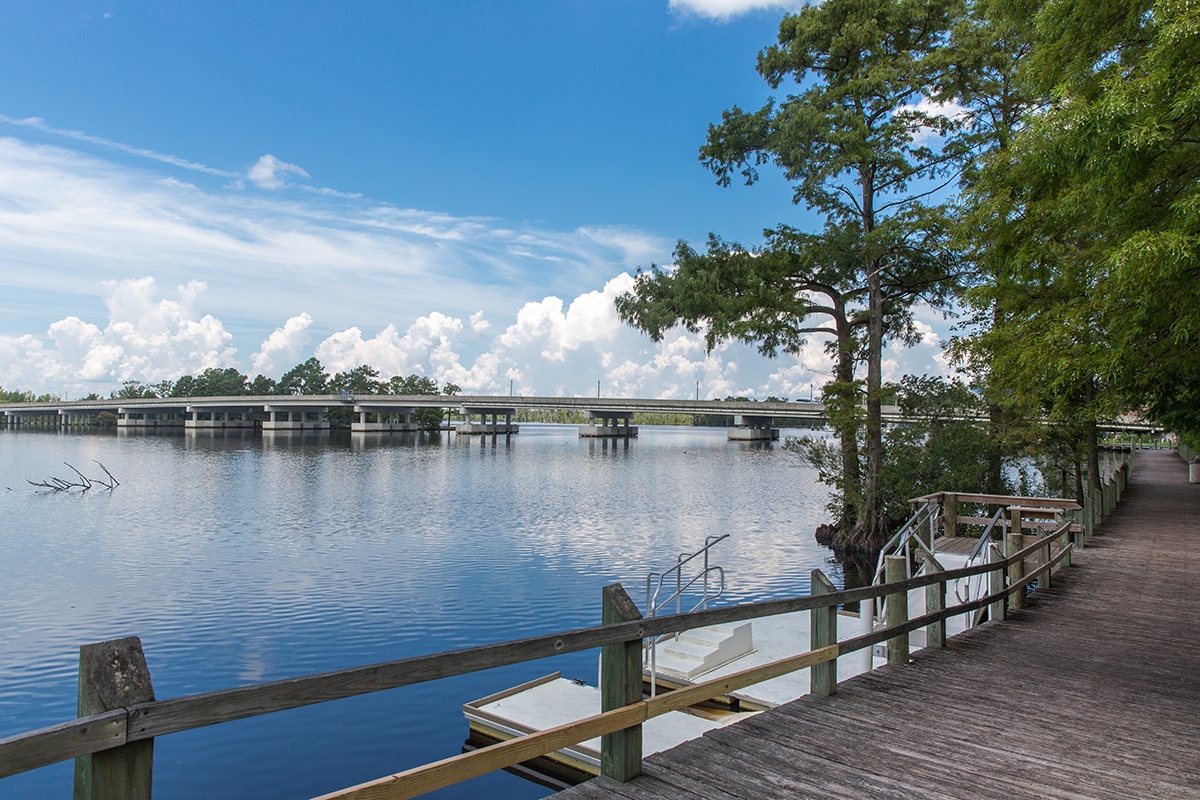
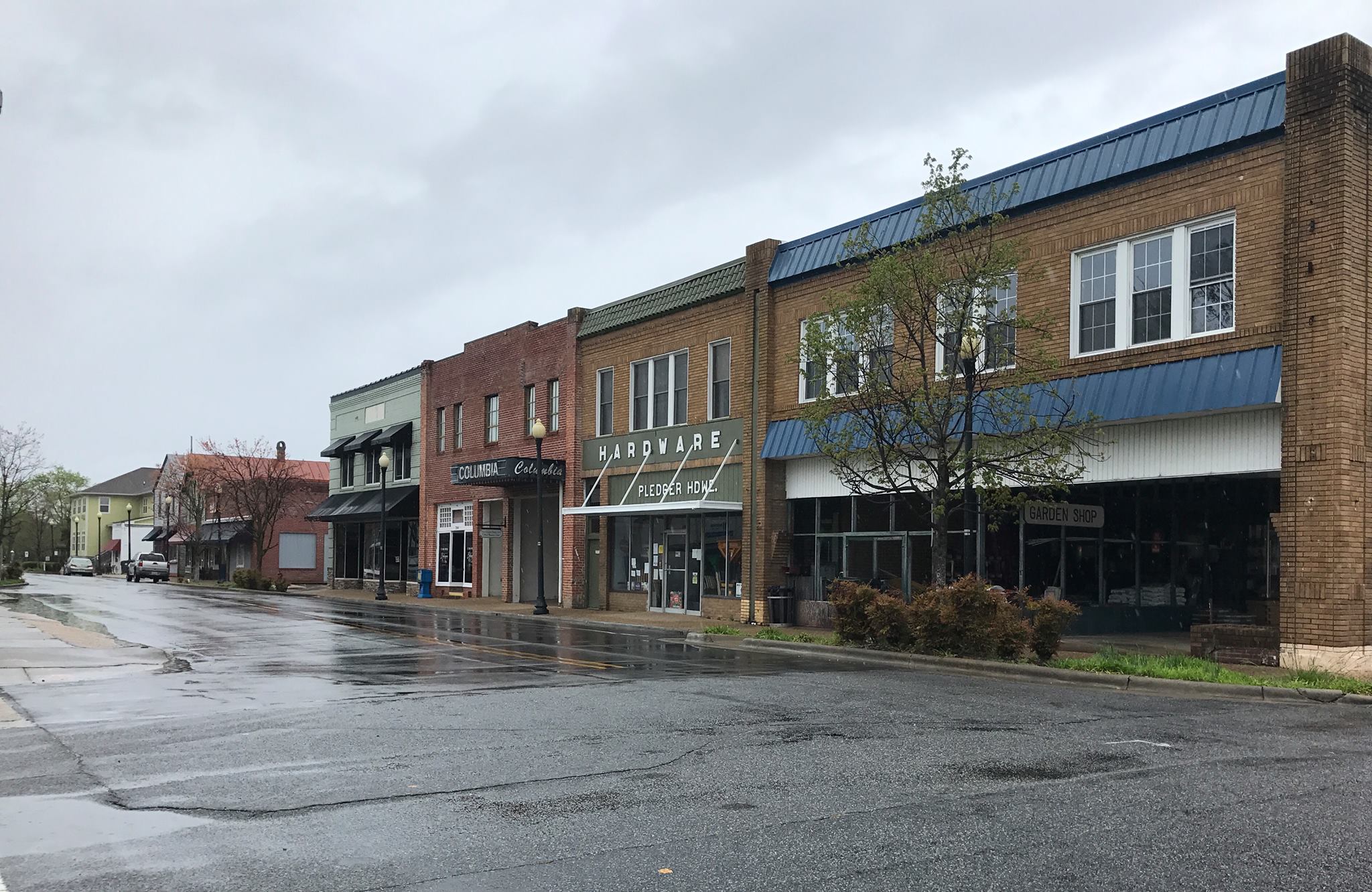
Columbia, North Carolina is a small coastal-plain town that serves as the seat of Tyrrell County, in the northeastern corner of the state. With a population of roughly 800 residents, it has the unhurried pace of a working farm-and-fishing community, set among farmland, cypress swamps, and the broad waters of the Albemarle Sound. Travelers pass through on the way east to the Outer Banks, and the town itself is a quieter, more affordable alternative to staying directly on the barrier islands. Columbia sits roughly 80 miles east of Greenville and a little under 60 miles south of the Virginia border, at the junction of US Highway 64 and several smaller roads that fan out toward the coast.
Just north of town, Pettigrew State Park wraps around the southern shore of Lake Phelps, one of the largest natural lakes in North Carolina. The park offers hiking, camping, and paddling through cypress and tupelo stands, and it draws visitors interested in birding and quiet water-based recreation. The historic Somerset Place plantation, a state historic site set on the lake's edge, offers a glimpse into the antebellum South through restored buildings, exhibits, and guided tours. Both are within roughly 15 to 20 minutes of central Columbia.
To the east, the Outer Banks begin in earnest. Manteo on Roanoke Island is roughly a 45-minute drive via the Alligator River bridge, and it opens up access to beaches, lighthouses, the Wright Brothers National Memorial, and ferry connections to Ocracoke. Columbia is therefore often used as a stopover by travelers wanting to break up the drive from the I-95 corridor, but it also works as a base for repeat visitors who prefer quieter evenings and lower lodging costs than they would find on the islands themselves.
Wildlife and water dominate the surrounding landscape. The Pocosin Lakes National Wildlife Refuge, a vast pocosin wetland that gained attention after red wolves were released there, lies to the southwest and is popular with birders and paddlers. The Albemarle Sound, a wide and shallow estuary known for fishing, sailing, and dramatic sunsets, laps at the county's edge. Together, these natural areas give Columbia an outdoorsy, low-density feel that is increasingly rare on the more developed parts of the North Carolina coast.
For short-term rental owners, Columbia's appeal is a combination of accessibility and tranquility. Guests can spend mornings kayaking Lake Phelps or exploring the refuge, take an easy day trip to the Outer Banks for the beach, and return in the evening to a quieter, more affordable place to sleep. Its small size means inventory is limited, which keeps occupancy opportunities attractive for new operators willing to lean into the area's rural, water-oriented character.
Want to know if a property in Columbia is a good investment?
Enter an address to get instant revenue potential and comps.