
Superior, Montana
Want to see how Superior compares to other top cities in Montana? Explore all city regulations in Montana. →
Superior, MT
Challenging To Investors
STR Regulations for Superior, Montana
Overview: Are Short-Term Rentals Allowed in Superior, MT?
Short-term rentals are permitted in Superior, Montana, subject to statewide Montana regulations and any applicable county-level restrictions. There are no specific city-level regulations provided for Superior in the available content, so operators must comply with Montana state statutes and county requirements. It's important to note that subdivision covenants can still prohibit STR operations even when local laws allow them, as evidenced by recent Montana Supreme Court rulings.
What do Airbnb hosts actually earn in Superior?
Superior hosts earn a median $26,491/year with $169 ADR and 50% occupancy.
Top performers pull in $37,577+ per year.
See the full Superior market breakdownHow to Start a Short-Term Rental Business in Superior, MT
Starting a short-term rental business in Superior requires careful navigation of state and county regulations. First, verify that your property is not subject to restrictive subdivision covenants that would prohibit commercial rental activity. Even if zoning allows STRs, private covenants can supersede local regulations.
Next, establish your business foundation by registering with the Montana Department of Public Health and Human Services for a Public Accommodation License, which is required statewide for short-term rental operations. This licensing process ensures your property meets health and safety standards for guest accommodation.
Complete any county-specific permitting requirements that may apply to Lake County, where Superior is located. Additionally, secure appropriate insurance coverage that goes beyond standard homeowners policies, as short-term rental operations carry unique liability and property risks that require specialized coverage.
Finally, set up your tax registration with the Montana Department of Revenue to handle lodging taxes and ensure compliance with both state and local tax obligations.
Required Documents, Permits, Licenses, and Guidelines
State-Level Requirements
Public Accommodation License: All short-term rental hosts must obtain this license from the Montana Department of Public Health and Human Services. This license verifies compliance with health and safety standards for guest accommodation.
Guest Registry: Maintain detailed records of all guests for at least one year following their stay. This registry must include guest identification and stay details for regulatory compliance and safety purposes.
Water and Wastewater Compliance: Provide access to potable water and proper wastewater disposal systems. Properties must maintain hygienic amenities including showers, laundry facilities, and maintain high standards of cleanliness and maintenance.
Lodging Tax Registration: Register with the Montana Department of Revenue to collect and remit both state and local lodging taxes. Payments are typically required quarterly, and failure to comply can result in penalties and interest charges.
Business Operations Documentation
Property Documentation: Maintain current property records including parcel numbers, zoning information, and property descriptions. For properties in subdivisions, obtain and review the full covenant documentation to ensure STR operations are permitted.
Emergency Contact Information: Provide 24/7 contact information for property owners or designated managers who can respond to emergencies or guest issues within reasonable timeframes.
Safety and Inspection Records: Complete required safety self-inspections and maintain documentation of compliance with health and safety standards. Properties must meet established safety requirements for guest accommodation.
Specific Regulations for Short-Term Rentals
Statewide Montana Regulations
Montana has implemented comprehensive statewide short-term rental regulations that provide a framework for local control while establishing baseline requirements. The Montana State Legislature has codified requirements that allow counties and municipalities to create additional regulations while ensuring consistent minimum standards across the state.
Recent Legislative Developments
The Montana Senate recently approved legislation (Senate Bill 336) that defines short-term rentals as residential property use and limits certain municipal and county prohibitions while preserving local zoning authority. This bill specifies that a primary residence—defined as a property where an owner resides at least seven months per year—may be rented short-term. The legislation also contains an "adjacency" provision protecting short-term rentals adjacent to a primary residence.
Important Legal Considerations
Subdivision Covenant Impact: The Montana Supreme Court has ruled that restrictive covenants in residential subdivisions can prohibit short-term rentals, even when local zoning allows such operations. In the case of Brandt v. R&R Mountain Escapes LLC, the court upheld subdivision covenants that prohibited commercial activity, finding that short-term rental operations constituted prohibited commercial use.
This ruling emphasizes the critical importance of reviewing subdivision covenants, homeowners association rules, and any deed restrictions before establishing a short-term rental operation. Covenants that prohibit "commercial activity" or require properties be used for "residential living" may be interpreted to bar short-term rentals.
State Preemption Limitations
While Montana has established some statewide standards for short-term rentals, the state generally preserves local control over zoning and land use decisions. Local governments retain authority to prohibit short-term rentals within specific zoning districts or establish additional requirements such as registration, permits, and operational standards.
Contact Information for Local Authority in Charge of STRs
Montana Department of Public Health and Human Services
- Phone: (406) 444-4725
- Website: dphhs.mt.gov
- Purpose: Public Accommodation License applications and health safety requirements
Montana Department of Revenue
- Phone: (406) 444-6900
- Website: mtrevenue.gov
- Purpose: Lodging tax registration and compliance
Lake County (Superior's County Government)
- Phone: (406) 883-7235
- Website: lakecountymt.gov
- Purpose: County-level permits, zoning compliance, and local regulations
Town of Superior
- Phone: (406) 822-4282
- Purpose: Municipal services, business licensing, and local compliance
Links to Source Pages
- Montana Supreme Court Ruling on Subdivision Covenants and STRs
- Montana Senate Bill 336 Legislative Proceedings
- Montana Supreme Court Case Coverage
- Montana Statewide STR Regulations Overview
Important Disclaimer: This guide is based on the available content provided and may not reflect all current regulations or recent changes. Short-term rental laws are complex and frequently evolving. Investors should consult with local authorities, review current municipal codes, and consider legal counsel before establishing operations. The information provided is for educational purposes only and should not be considered legal advice.
Next step
Found a property in Superior?
Paste any address and get estimated revenue, cash-on-cash return, and comparable STR performance in under 5 minutes. 3 free analyses per day.
Free brief
Get the free Superior STR Investment Brief
Revenue data, top neighborhoods, seasonal trends, and the key regulations for Superior, Montana in one email.
Superior
Market Saturation Score
Photos of Superior
Overview of Superior
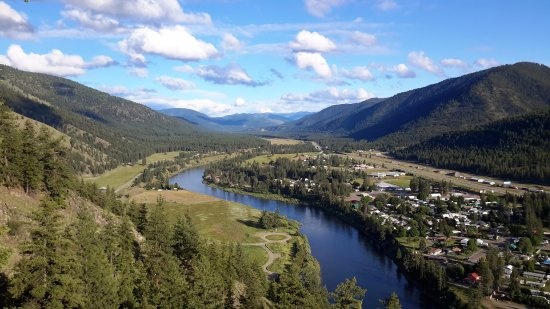
Superior is a small town in Mineral County, in the western part of Montana, with a population of roughly 800 residents. It sits in the narrow Clark Fork River valley along Interstate 90, surrounded by the forested slopes of the northern Rockies, and it carries the feel of a quiet mountain crossroads rather than a destination resort. The town is best known as a stopping point and staging area for outdoor adventures on the Clark Fork and in the surrounding national forest land, and it lies approximately 60 miles west of Missoula, the nearest sizable city and the regional hub for air travel, dining, and services.
Just a few minutes east of Superior, the Clark Fork River drops through the Alberton Gorge, one of Montana's most popular stretches of whitewater. Rafting outfitters based in the area run half-day and full-day trips through the basalt-walled canyon between Alberton and Missoula, drawing paddlers from across the region during the spring and summer runoff. For renters and their guests, the river itself also offers calmer stretches right through town for fishing, floating, and riverside walks.
A short drive west on I-90 brings visitors to the Montana-Idaho border and Lookout Pass Ski and Recreation Area, about 25 miles from Superior. The small but well-regarded ski hill straddles the state line and operates as a community mountain in winter, while its hiking and mountain-biking trails and scenic Route of the Hiawatha rail-trail draw visitors through the warmer months as well.
The town is also closely tied to the surrounding Lolo National Forest, which blankets the mountains on both sides of the Clark Fork valley. From Superior, forest roads climb quickly into old-growth stands, alpine lakes, and trailheads leading toward the famous [Lolo Pass](en.wikipedia.org/wiki/Lolo_Pass_(Idaho%E2%80%93Montana) on the Montana-Idaho border, making the area a natural base for hiking, hunting, and wildlife watching. Closer to town, the riverfront park and the historic I-90 corridor offer easy, low-effort ways for passing travelers to stretch their legs and take in the scenery.
Taken together, Superior's combination of small-town quiet, river-and-mountain setting, and proximity to both a regional airport in Missoula and a string of outdoor attractions makes it a practical and authentic base for short-term rentals. Guests tend to come for the water, the forest, and the skiing rather than for urban amenities, and the town offers exactly the kind of uncluttered, nature-forward experience that travels well in the vacation-rental market.
Want to know if a property in Superior is a good investment?
Enter an address to get instant revenue potential and comps.