
Grand Rapids, Minnesota
Want to see how Grand Rapids compares to other top cities in Minnesota? Explore all city regulations in Minnesota. →
Grand Rapids, MN
Generally Investor Friendly
STR Regulations for Grand Rapids, Minnesota
Overview: Short-Term Rental Status in Grand Rapids, MN
Yes, short-term rentals are explicitly allowed in Grand Rapids, Minnesota, but they are subject to county-level regulations administered by Itasca County. As of the most recent information, short-term rentals (including vacation home rentals, VRBO, and Airbnb-style operations) must be licensed through Itasca County Environmental Services. The County is actively working to establish comprehensive STR regulations, with draft ordinances and licensing applications currently available for review.
What do Airbnb hosts actually earn in Grand Rapids?
Grand Rapids hosts earn a median $33,662/year with $260 ADR and 56% occupancy.
Top performers pull in $45,511+ per year.
See the full Grand Rapids market breakdownHow to Start a Short-Term Rental Business in Grand Rapids, MN
Step 1: Understand the Regulatory Framework
Short-term rentals in Grand Rapids fall under Itasca County jurisdiction. The County Environmental Services Department is the primary authority overseeing STR licensing and compliance. As of July 2024, the county is operating under draft regulations while finalizing comprehensive ordinance language.
Step 2: Property Assessment and Preparation
Before applying, ensure your property meets all basic requirements:
- Sewage Treatment: Properties must be connected to compliant septic systems or holding tanks
- Safety Standards: Working fire alarms, carbon monoxide detectors, and fire extinguishers must meet or exceed state standards
- Water Testing: Properties must have water test results from accredited labs meeting MDH health requirements
Step 3: Licensing Process
Complete the three-year license application through Itasca County Environmental Services. The licensing process requires a comprehensive application package and property documentation.
Step 4: Operational Setup
- Designate a 24/7 available authorized agent for guest issues and complaints
- Notify adjacent property owners of your STR operation and contact information
- Notify local tax authorities of intended STR use
- Establish garbage disposal plans
Required Documents, Permits, Licenses, and Guidelines
Primary License Requirements
Itasca County Short-Term Rental License (3-year term)
- Fee: $450 for standard licenses, $100 for properties with valid MDH licenses
- Renewal: Required by January 1st or prior to any rental activity
- Application: Separate application required for each rental unit
Required Documentation Package
- Completed Short-Term Rental License Application
- Certificate of SSTS (Subsurface Sewage Treatment System) Compliance
- Water Test Results from accredited lab meeting MDH health requirements
- Site Plan including:
- Property lines and dimensions
- Structures to be licensed
- Parking areas
- Shoreland recreational areas
- SSTS location
Safety and Compliance Requirements
- Fire Safety: Working fire alarms, carbon monoxide detectors, fire extinguishers
- Emergency Information: Prominently displayed for guests including:
- Police, fire, and hospital contacts
- Septic pumper contact information
- Unit occupancy limits
- Property rules (noise, parking standards)
- Aquatic and territorial invasive species information
Additional Regulatory Considerations
- Pool/Spa Licensing: Any pool or spa open to the public requires separate MN Department of Health licensing
- Zoning Compliance: Property must comply with existing zoning requirements
- Agent Availability: Owner or authorized agent must be available 24/7 during rental periods
Specific Regulations by Jurisdiction
Itasca County (Primary Authority)
Current Status: Operating under draft regulations as of July 2024 Key Points:
- County is establishing comprehensive STR oversight
- License applications are being processed
- Environmental Services Department administers the program
- Separate licensing requirements for different property types
City of Grand Rapids
Current Status: No separate city-specific STR ordinances identified Regulatory Approach: City appears to defer to county-level regulations Implication: Primary compliance through Itasca County licensing
State of Minnesota
Minnesota Department of Health (MDH) Requirements:
- Health, food, and lodging standards apply
- Water testing requirements per MDH guidelines
- Separate licensing for commercial pools/spas
- State lodging tax obligations
Note: The application references MDH licensing requirements, and properties with existing MDH licenses receive reduced county licensing fees.
Contact Information
Primary Authority: Itasca County Environmental Services
Physical Address:
123 NE 4th Street
Grand Rapids, MN 55744
Phone: (218) 327-2857
Main County Line: (218) 327-7363
Toll-Free: (800) 422-0312
Email: environmentalservices@co.itasca.mn.us
Website: www.co.itasca.mn.us
Additional Contacts
County Administration:
Contact County Administrator for ordinance-related questions or policy clarification
Help Desk: helpdesk@co.itasca.mn.us (for technical website issues)
Important Considerations and Current Developments
Regulatory Evolution
As noted in local commentary, Itasca County's draft ordinance development has included discussions about exemptions and scope. Stakeholders have raised concerns about the effectiveness of proposed regulations, particularly regarding vacation home rentals versus established resort operations.
Timeline and Implementation
- Current status: Operating under draft regulations
- Ongoing development of final ordinance language
- Application processing available under current framework
- Public input processes for ordinance finalization
Investment Implications
- Compliance Costs: $450 standard licensing fee every three years
- Setup Requirements: Significant documentation and safety compliance needed
- Market Timing: Regulatory framework still evolving
- Enforcement: County-level oversight with environmental health focus
Source Links
- Itasca County Short-Term Rentals Page
- 2024.07.16 DRAFT Short Term Rental Ordinance
- 2024.07.16 Short Term Rental Application
- City of Grand Rapids Forms Directory
- Opinion Article on STR Ordinance Issues
Disclaimer: Regulations are actively evolving. Investors should verify current requirements directly with Itasca County Environmental Services before making investment decisions.
Next step
Found a property in Grand Rapids?
Paste any address and get estimated revenue, cash-on-cash return, and comparable STR performance in under 5 minutes. 3 free analyses per day.
Free brief
Get the free Grand Rapids STR Investment Brief
Revenue data, top neighborhoods, seasonal trends, and the key regulations for Grand Rapids, Minnesota in one email.
Grand Rapids
Market Saturation Score
Photos of Grand Rapids

Overview of Grand Rapids
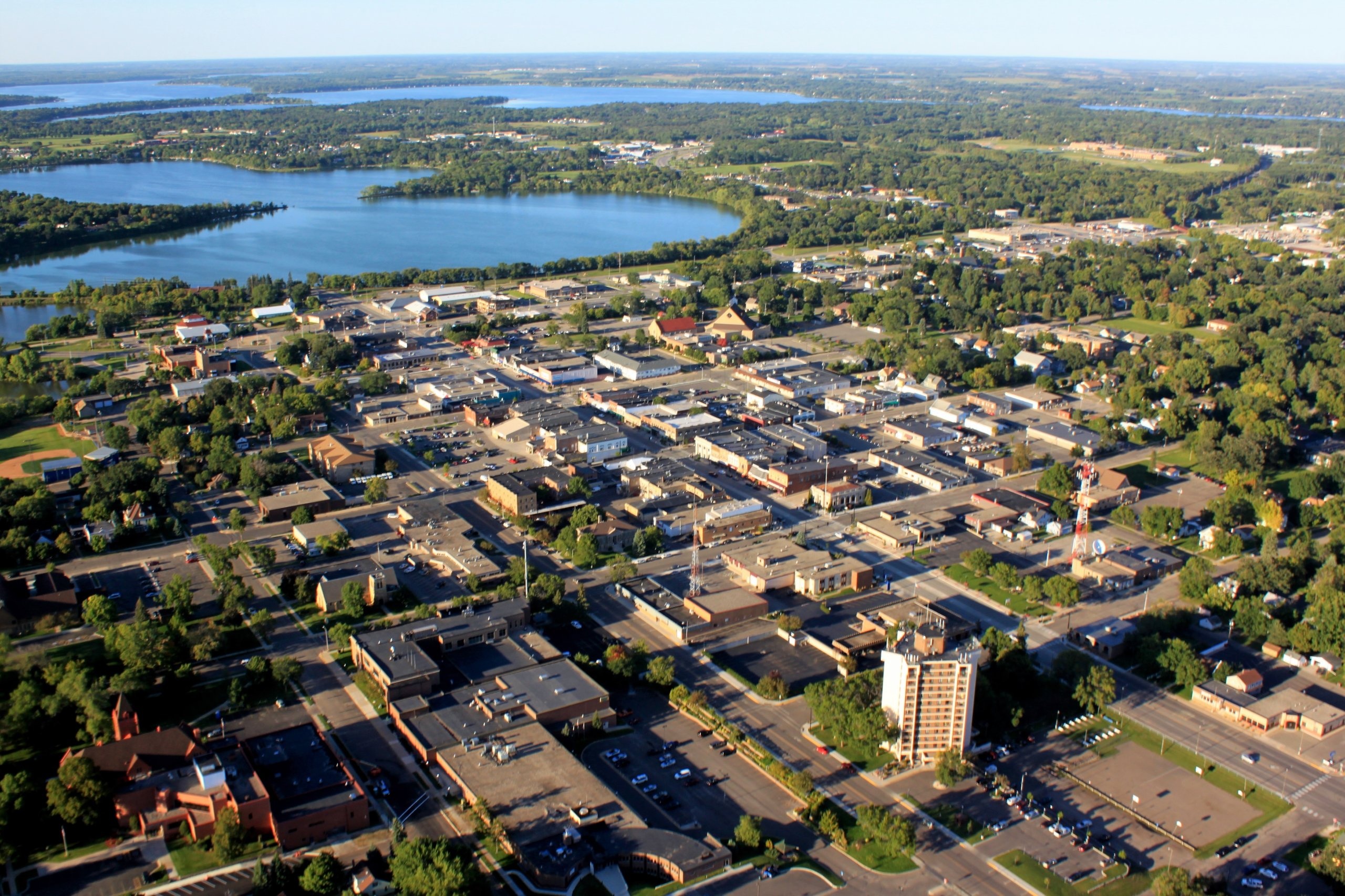
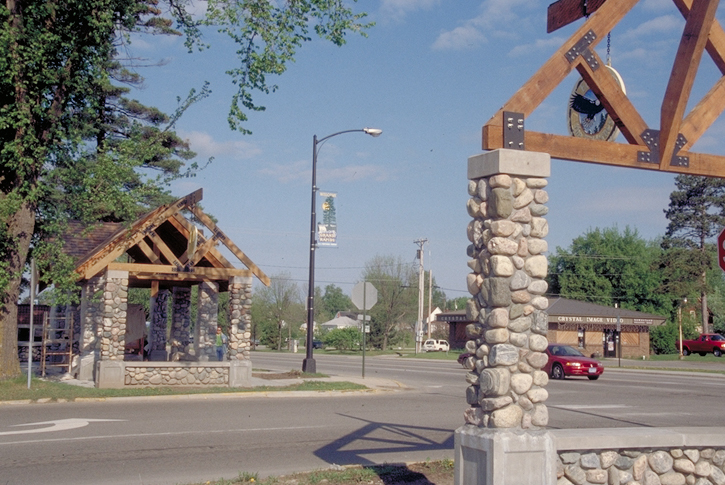
Grand Rapids sits in north-central Minnesota as the seat of Itasca County, with a population of roughly 11,000 residents. The town carries a quietly industrious northern character shaped by its long ties to the timber and paper industries, and it serves as the most popular gateway to one of Minnesota's most iconic natural landmarks. It lies approximately 200 miles north of the Twin Cities of Minneapolis and St. Paul, reached by a roughly three-hour drive up US Highway 169.
Itasca State Park, about 25 miles northwest of town, draws visitors from across the country to walk across the headwaters of the Mississippi River, where the great river begins its long journey to the Gulf of Mexico. Established in 1891 as one of Minnesota's oldest state parks, the park spans more than 32,000 acres of old-growth pine forest and over 100 lakes, offering hiking, biking, swimming, and wildlife watching across its network of trails and scenic drives.
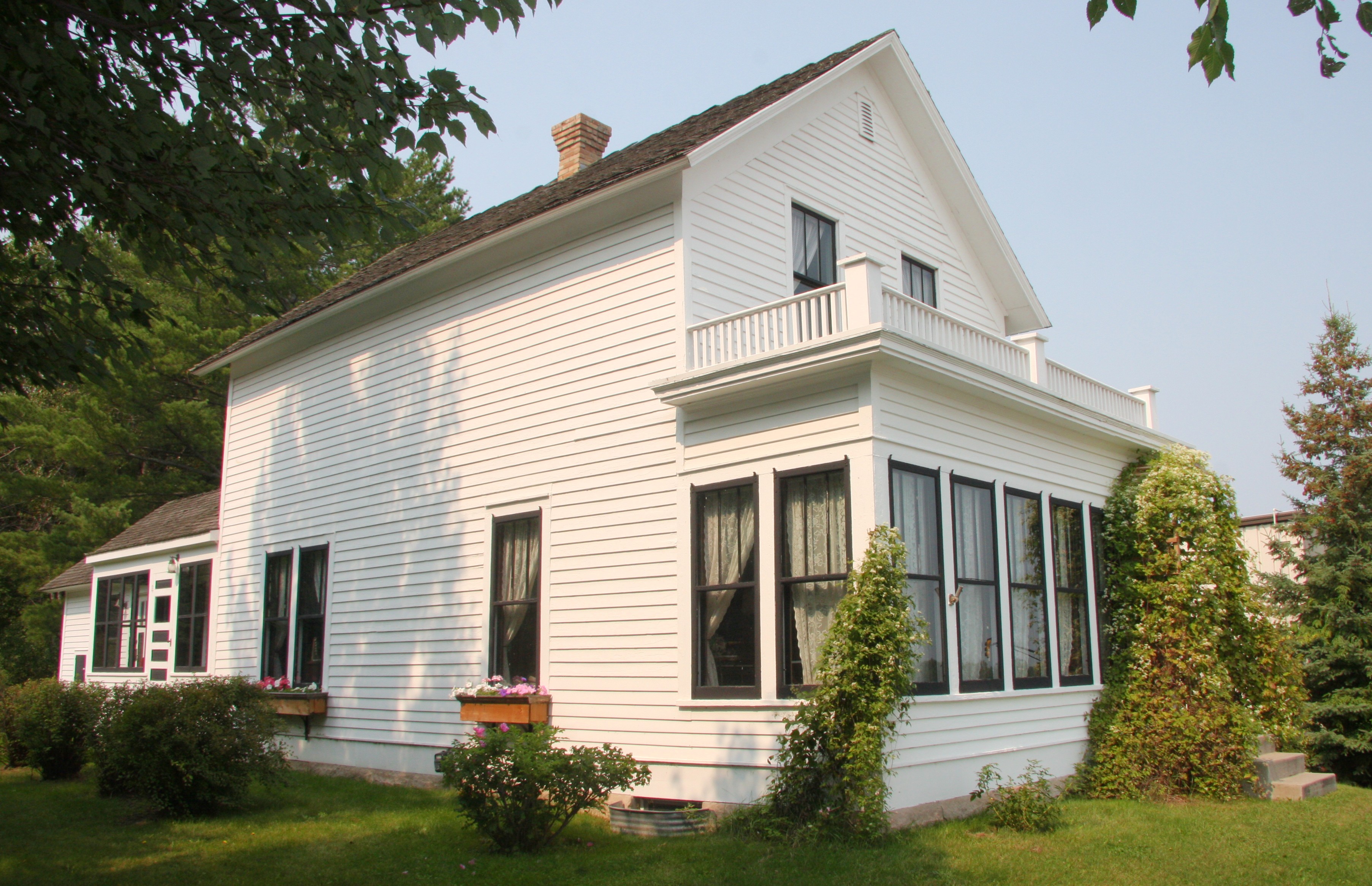
Downtown Grand Rapids is home to the Judy Garland Museum, honoring the actress and singer who was born in the town in 1922. The museum preserves her childhood home and houses a collection of memorabilia from her life and career, including a recreation of her bedroom, period costumes, and a small theater that screens classic films. It remains a quiet but well-loved stop for fans passing through the region.
Just outside town, the Forest History Center offers a look at the area's logging heritage through a recreated 1900-era logging camp, where costumed interpreters demonstrate period skills and daily life in the north woods. Operated by the Minnesota Historical Society, the site also includes interpretive exhibits, nature trails, and a modern visitor center that places the region's timber economy in broader historical context.
With its blend of small-town amenities, easy access to wilderness, and proximity to one of the state's most-visited parks, Grand Rapids offers short-term rental owners a dependable base for travelers seeking the natural beauty of northern Minnesota. Visitors come year-round for the headwaters experience, fall foliage drives, snowmobiling, and the cultural stops that give the town its own distinct character, supporting a steady flow of guests through every season.
Want to know if a property in Grand Rapids is a good investment?
Enter an address to get instant revenue potential and comps.