
Jackson, Michigan
Want to see how Jackson compares to other top cities in Michigan? Explore all city regulations in Michigan. →
Jackson, MI
Generally Investor Friendly
STR Regulations for Jackson, Michigan
Executive Overview: STR Status in Jackson, MI
Short-term rentals are legally permitted in Jackson, Michigan, but operate within a regulated framework established by local ordinances. The city has implemented specific requirements for STR operators, including mandatory registration, property inspections, and compliance with zoning regulations. While STRs are allowed, investors must navigate a compliance-first approach that prioritizes safety standards, zoning conformity, and tax obligations. The regulatory environment reflects the city's balancing act between welcoming tourism revenue and protecting residential neighborhood character.
What do Airbnb hosts actually earn in Jackson?
Jackson hosts earn a median $27,403/year with $208 ADR and 56% occupancy.
Top performers pull in $44,291+ per year.
See the full Jackson market breakdownMarket Entry Strategy for Jackson STR Operations
Successfully launching a short-term rental business in Jackson requires a methodical approach that begins with comprehensive regulatory due diligence. Investors should first verify that their target property lies within zoning districts that permit transient lodging uses. The city maintains strict adherence to zoning classifications, and properties must demonstrate compliance with residential character standards even when operating commercially.
The market entry process begins with property acquisition verification, followed by immediate engagement with city planning departments to confirm zoning suitability. Prospective operators should anticipate a 4-6 week onboarding timeline that encompasses registration, inspection scheduling, and operational setup. This period allows for professional photography, lockbox installation, and property staging while ensuring full regulatory compliance before accepting guests.
Seasonal optimization strategies are essential for Jackson's tourism-driven market, with peak demand occurring during summer months and major regional events. Properties offering amenities aligned with local attractions—secure parking for Michigan International Speedway events, outdoor spaces for Falling Waters Trail visitors, and proximity to historical sites like Ella Sharp Museum—consistently outperform standard offerings in revenue generation.
Required Documentation and Compliance Framework
Primary Registration and Licensing Requirements
Jackson requires all STR operators to complete a comprehensive rental property registration process that serves as the foundational compliance requirement. This registration must be renewed annually and includes detailed property information, owner contact details, and operational parameters. The registration application requires proof of property ownership or legal rental authority, identification documentation, and disclosure of property management arrangements.
Safety and Health Standards Inspection
The city mandates a thorough property inspection conducted by municipal inspectors to verify compliance with all applicable safety and health codes. This inspection covers fire safety equipment including smoke detectors and carbon monoxide alarms, emergency egress routes, electrical systems, plumbing facilities, and general habitability standards. Properties must demonstrate adequate sleeping arrangements, proper ventilation, and compliance with local housing codes.
Inspection scheduling typically occurs within 30 days of registration submission, and properties must pass this evaluation before receiving approval to operate. Failed inspections require remedial action and re-inspection, with operators responsible for all associated fees.
Zoning and Land Use Compliance
Property zoning represents the most critical regulatory consideration for Jackson STR operators. The city enforces strict zoning classifications that determine whether short-term rental operations are permitted on specific properties. Commercial activity in residential zones requires special consideration, and the city evaluates STR proposals based on their compatibility with neighborhood character and residential tranquility.
Regulatory Framework: City, County, and State Requirements
City of Jackson Municipal Ordinances
Jackson operates under a comprehensive municipal code that specifically addresses short-term rental operations through its zoning and rental property regulations. The city council maintains oversight authority and periodically reviews ordinances to address community concerns while supporting economic development opportunities.
Municipal regulations emphasize noise control, parking management, and waste disposal standards that apply to all rental properties, including short-term operations. Property managers must establish clear guest communication protocols that address quiet hours, parking restrictions, and community interaction guidelines.
Jackson County Oversight
County-level regulations primarily focus on property tax assessment and collection for STR properties, which generate commercial tax rates rather than residential classifications. This tax treatment reflects the commercial nature of rental income generation and impacts long-term investment calculations. County planning departments may also review STR proposals for properties adjacent to agricultural or commercial zones.
Michigan State Regulatory Requirements
Michigan maintains a clear tax obligation framework for short-term rental operators, requiring collection and remittance of a 6% state use tax on all rentals lasting 30 days or less. This tax obligation applies regardless of local regulations and must be registered with the Michigan Department of Treasury. State law treats short-term rentals as commercial lodging activities subject to standard hospitality industry tax requirements.
The Michigan Court of Appeals has established precedent that short-term rental operations often constitute commercial activities incompatible with residential zoning restrictions. This legal interpretation reinforces the importance of thorough zoning compliance and may impact property values and investment strategies in certain residential neighborhoods.
Tax Obligations and Financial Requirements
State Tax Implementation
Jackson STR operators must collect and remit Michigan's 6% use tax on all rental transactions lasting 30 days or less. This tax applies to the total rental amount, including cleaning fees and other charges, and must be remitted monthly to the Michigan Department of Treasury. Registration for tax collection requires completion of state tax forms and may involve online account setup for electronic filing and payment.
Local Tax Considerations
While Jackson does not currently impose additional local lodging taxes, the Michigan Legislature is considering bills that would enable local governments to levy voter-approved excise taxes on short-term rentals. These proposed taxes would require local ballot initiatives and could generate additional revenue streams for municipalities to address STR-related community costs. Investors should monitor legislative developments and prepare for potential local tax implementation.
Operational Compliance and Best Practices
Guest Management and Community Relations
Successful STR operations in Jackson require proactive guest management that balances hospitality excellence with community responsibility. Property managers should establish comprehensive guest screening procedures, clear house rules communication, and responsive guest service protocols that address potential issues before they escalate to community complaints.
Revenue Optimization Strategies
Jackson's market dynamics support revenue optimization through strategic pricing that reflects seasonal demand patterns and local event calendars. Properties should implement dynamic pricing strategies that increase rates during peak tourism seasons and major local events while maintaining competitive positioning during off-peak periods. The city's central location provides access to diverse visitor demographics, including business travelers, tourists, and event attendees.
Local Authority Contact Information
City of Jackson Municipal Departments
- Planning and Zoning Department: Primary contact for zoning compliance verification and land use questions
- Rental Property Registration: Handles annual registration and permit processing
- Building Inspection: Coordinates safety and health code inspections
- Phone: Contact through City Hall at 517-788-4000
- Website: City of Jackson Municipal Regulations
Michigan Department of Treasury
- Use Tax Registration and Compliance: State tax collection and remittance
- Phone: 517-373-3200
- Website: Michigan Treasury online services portal
Regulatory Monitoring and Professional Support
The evolving regulatory environment for short-term rentals in Michigan suggests the need for ongoing compliance monitoring and professional support. Property managers should maintain relationships with local government contacts, subscribe to regulatory update services, and consider membership in professional organizations that provide regulatory advocacy and compliance guidance.
Investors should also prepare for potential regulatory changes that may emerge from the current legislative process considering local taxation authority and community impact mitigation measures. This proactive approach ensures operational continuity and positions properties for successful long-term performance within Jackson's dynamic regulatory framework.
Source Documentation Links
- City of Jackson Municipal Regulations
- Jackson Zoning Ordinance
- Jackson County STR Information
- Michigan STR Legislative Updates
- Michigan State STR Framework
Next step
Found a property in Jackson?
Paste any address and get estimated revenue, cash-on-cash return, and comparable STR performance in under 5 minutes. 3 free analyses per day.
Free brief
Get the free Jackson STR Investment Brief
Revenue data, top neighborhoods, seasonal trends, and the key regulations for Jackson, Michigan in one email.
Jackson
Market Saturation Score
Photos of Jackson


Overview of Jackson
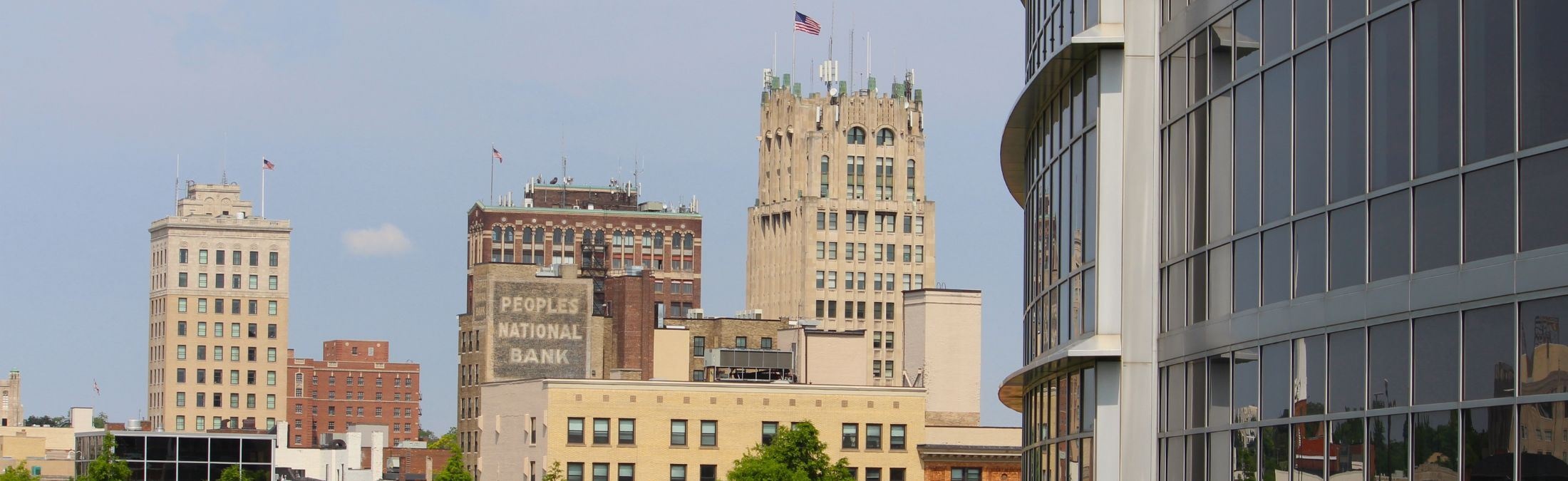
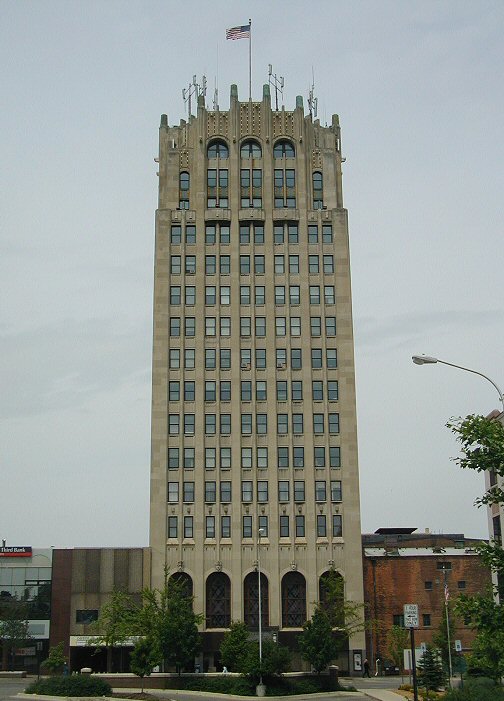
Jackson sits in Jackson County in south-central Michigan, with the city proper home to roughly 32,000 residents. Historically an industrial crossroads, it carries a distinctive blue-collar heritage blended with small-city charm, brick-paved downtown streets, and a notable place in American political history as the city where the Republican Party was founded in 1854. The city lies about 75 miles west of Detroit along the I-94 corridor, and roughly 35 miles south of Lansing, the state capital, making it a convenient stopping point between major Midwestern hubs. Visitors passing through are often drawn to its mix of preserved 19th-century architecture, its reputation as a gateway to southern Michigan's outdoor recreation areas, and its easy access to regional attractions.
One of the city's most recognizable landmarks is Sparks Foundation County Park, commonly called The Cascades, located within city limits just minutes from downtown Jackson. The park features a series of man-made waterfalls, walking paths, and a fine-arts center, and historically served as a centerpiece of community life since the Great Depression era when the cascades were constructed as a public works project.
For a deeper look at local history, the Ella Sharp Museum occupies a historic farmstead on the city's south side and offers exhibits covering regional settlement, agriculture, and the area's role in the Underground Railroad. The museum's collection includes period buildings, a planetarium, and rotating art exhibits, all set on a few acres of parkland that make it appealing for families.
About 25 miles south of Jackson in the small community of Brooklyn, Michigan International Speedway draws NASCAR fans from across the Midwest twice a year for major race weekends. The 2-mile oval is one of the fastest tracks on the circuit, and the surrounding area fills with visitors during events, making Jackson a natural lodging base for race-goers looking for alternatives to track-area hotels.
For those seeking outdoor recreation, the Waterloo State Recreation Area lies roughly 20 miles east of Jackson and spans thousands of acres of woodlands, lakes, and campgrounds. The park offers swimming, fishing, hiking, and equestrian trails, and is one of the largest state-managed recreation areas in lower Michigan, providing year-round appeal for nature-focused travelers.
Jackson's combination of small-city walkability, well-preserved historic districts, and proximity to both Detroit and Lansing makes it a flexible base for short-term rental owners. Travelers passing through southern Michigan, families visiting the regional museums and parks, and racing fans heading to Michigan International Speedway all contribute to steady visitor flow, while the city's relative affordability compared to larger Michigan destinations offers an attractive balance for investors evaluating the market.
Want to know if a property in Jackson is a good investment?
Enter an address to get instant revenue potential and comps.