
Glen Arbor, Michigan
Want to see how Glen Arbor compares to other top cities in Michigan? Explore all city regulations in Michigan. →
Glen Arbor, MI
Generally Investor Friendly
STR Regulations for Glen Arbor, Michigan
Overview: Are Short-Term Rentals Allowed in Glen Arbor, MI?
Yes, short-term rentals are allowed in Glen Arbor, Michigan, but with important caveats. Glen Arbor Township does not currently have specific short-term rental ordinances in place. This means that STR operations must comply with general zoning laws, health and safety standards, and state regulations. Unlike neighboring townships such as Suttons Bay, Leelanau, or Elmwood, which have adopted dedicated STR ordinances with permits and licensing requirements, Glen Arbor operates under a more permissive framework where STRs are treated as residential uses subject to underlying zoning restrictions.
This absence of specific STR legislation creates both opportunities and challenges for investors. On one hand, there are no municipal permit fees, application processes, or occupancy limits imposed by the township. On the other hand, operators must ensure full compliance with Michigan state law, including the 6% use tax requirement, and may face zoning restrictions depending on their property's classification.
What do Airbnb hosts actually earn in Glen Arbor?
Glen Arbor hosts earn a median $37,462/year with $406 ADR and 55% occupancy.
Top performers pull in $52,597+ per year.
See the full Glen Arbor market breakdownStarting a Short-Term Rental Business in Glen Arbor
Initial Assessment and Planning
Step 1: Zoning Compliance Verification Before purchasing or converting a property for STR use in Glen Arbor, investors must verify that short-term rentals are permitted under the property's zoning classification. The Glen Arbor Zoning Ordinance (Version 4.2, May 22, 2008) governs land use in the township, and properties must comply with their respective district requirements. Most residential areas allow rental activities, but commercial or mixed-use properties may have additional restrictions.
Step 2: Property Analysis Evaluate the property's suitability for STR operations by considering:
- Location relative to Sleeping Bear Dunes National Lakeshore attractions
- Seasonal accessibility and parking capacity
- Existing infrastructure (utilities, internet, heating/cooling)
- Proximity to amenities that attract visitors (beaches, hiking trails, restaurants)
Step 3: Financial Planning Develop a comprehensive financial model incorporating:
- Property acquisition or conversion costs
- Furnishing and staging investments
- Insurance requirements
- State tax obligations (6% use tax)
- Utilities and maintenance expenses
- Marketing and platform fees
Business Setup Process
Entity Formation and Tax Registration Register your STR business with appropriate state and local authorities:
- Michigan Department of Treasury for tax registration
- Local business registration if required
- Insurance policy acquisition covering short-term rental operations
Property Preparation
- Ensure all safety systems are operational (smoke detectors, carbon monoxide detectors, fire extinguishers)
- Install adequate heating and cooling systems
- Verify septic system capacity if applicable
- Establish reliable internet connectivity
- Create guest amenities that enhance the Glen Arbor experience
Required Documents, Permits, Licenses, and Guidelines
Municipal Requirements
Glen Arbor Township: No specific STR permits or licenses currently required. However, operators must maintain compliance with:
- Glen Arbor Zoning Ordinance
- Leelanau County building codes
- Health department regulations for properties using septic systems
State-Level Requirements
Michigan Use Tax Registration
- Requirement: All STR operators must collect and remit 6% use tax on rental income
- Process: Register with Michigan Department of Treasury
- Documentation: Quarterly tax filings required
- Compliance: Non-compliance results in penalties and interest charges
Sales Tax Considerations
- Michigan does not require sales tax collection on STR bookings
- Only use tax applies to the operator
- Tax is calculated on the total booking amount before platform fees
Recommended Documentation Package
Operational Documentation:
- Property insurance policy specific to STR operations
- Guest check-in/check-out procedures
- Emergency contact information and procedures
- House rules and regulations
- Local attraction and amenity guides
- Trash and recycling schedules
- Noise and behavior guidelines
Legal Compliance Documentation:
- Proof of property ownership or lease authorization
- Zoning compliance verification
- Health department approvals (if septic system present)
- Building safety certifications
- Tax registration confirmation
Specific Regulations by Jurisdiction
Glen Arbor Township
Current Status: No specific STR ordinances adopted Applicable Regulations:
- General zoning ordinance compliance
- Residential use protections
- Building and safety codes
- Noise ordinances (standard residential)
Notable Absences:
- No permit requirements
- No occupancy limits
- No application processes
- No annual fees
- No complaint hotlines
Leelanau County
Zoning Compliance: All STRs must comply with underlying zoning classifications Health Department: Properties using septic systems require approval based on bedroom count and system capacity Building Codes: Standard residential building requirements apply
State of Michigan
Use Tax Requirement: 6% tax on total rental income Registration Requirements: Michigan Treasury Department registration mandatory Compliance Monitoring: State can audit operators for tax compliance Safety Standards: Properties must meet Michigan Residential Code standards
Comparative Context: Neighboring Townships
Understanding neighboring township regulations provides insight into potential future directions for Glen Arbor:
Suttons Bay Township:
- STR permits required (maximum 150 annually)
- $200 annual permit fee
- Occupancy limits based on bedroom count
- 24/7 complaint hotline
- Bed & Breakfast separate regulations
Leelanau Township:
- Ordinance No. 3 of 2020 governs STRs
- Implementation began January 1, 2021
- Occupancy limits: Maximum 15 guests over 5 years of age
- Health Department approval required for bedroom count
- Zoning Administrator oversight
Elmwood Township:
- 93 STR licenses permitted with waitlist
- Application fee: $600, Waitlist fee: $100
- Renewal fee: $300
- Annual expiration December 31
- Granicus 24/7 complaint hotline: 231-642-9805
This comparative analysis suggests that while Glen Arbor currently has fewer restrictions, neighboring communities have implemented various controls that could influence future local policy development.
Contact Information for Local Authorities
Glen Arbor Township
Physical Address: 6555 W. Empire Avenue, Glen Arbor, MI 49636 Mailing Address: PO Box 202, Glen Arbor, MI 49636 Phone: (231) 334-3664 Website: glenarbortownship.com Contact Purpose: Zoning compliance questions, building permits
Township Office Hours:
- Monday-Friday: 8:00 AM - 4:00 PM (hours may vary seasonally)
Leelanau County Government
County Offices: 8527 E. Government Center Drive, Suttons Bay, MI 49682 General Phone: (231) 256-9712 Website: leelanau.gov Departments Relevant to STRs:
- Building Safety: (231) 256-8251
- Environmental Health: (231) 256-8258
- Planning & Community Development: (231) 256-9712
State-Level Contacts
Michigan Department of Treasury
- Use Tax Registration: michigan.gov/taxes
- Business Tax Section: (517) 335-8391
- Online Portal: treasury.michigan.gov
Michigan Department of Health and Human Services
- Environmental Health inquiries: (517) 335-8077
Links to Source Pages
Municipal and County Resources
State Resources
Comparative Township Resources
Investment Considerations and Risk Factors
Current Advantages
Regulatory Flexibility: Absence of specific STR ordinances provides operational freedom and reduced compliance costs No Municipal Fees: Lack of permit requirements eliminates annual fees and application processes Market Demand: Glen Arbor's location within Sleeping Bear Dunes National Lakeshore provides natural tourism appeal
Potential Risks
Future Regulation: Neighboring townships have implemented STR controls, suggesting possible future regulation in Glen Arbor Zoning Ambiguity: Lack of specific STR guidance may lead to zoning disputes or enforcement uncertainties Tax Compliance: State use tax obligations require diligent record-keeping and filing
Mitigation Strategies
Proactive Compliance: Implement best practices from neighboring townships voluntarily Legal Consultation: Engage local zoning attorneys for compliance verification Insurance Protection: Maintain comprehensive coverage including STR-specific policies Community Relations: Develop positive relationships with neighbors to prevent complaints
This comprehensive guide provides STR investors with the essential framework for operating in Glen Arbor, Michigan, while highlighting the unique regulatory environment that currently favors operators while emphasizing the importance of compliance with existing state and local requirements.
Next step
Found a property in Glen Arbor?
Paste any address and get estimated revenue, cash-on-cash return, and comparable STR performance in under 5 minutes. 3 free analyses per day.
Free brief
Get the free Glen Arbor STR Investment Brief
Revenue data, top neighborhoods, seasonal trends, and the key regulations for Glen Arbor, Michigan in one email.
Glen Arbor
Market Saturation Score
Photos of Glen Arbor


Overview of Glen Arbor
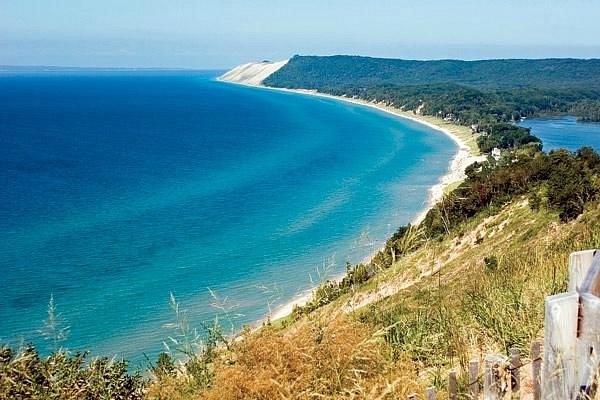
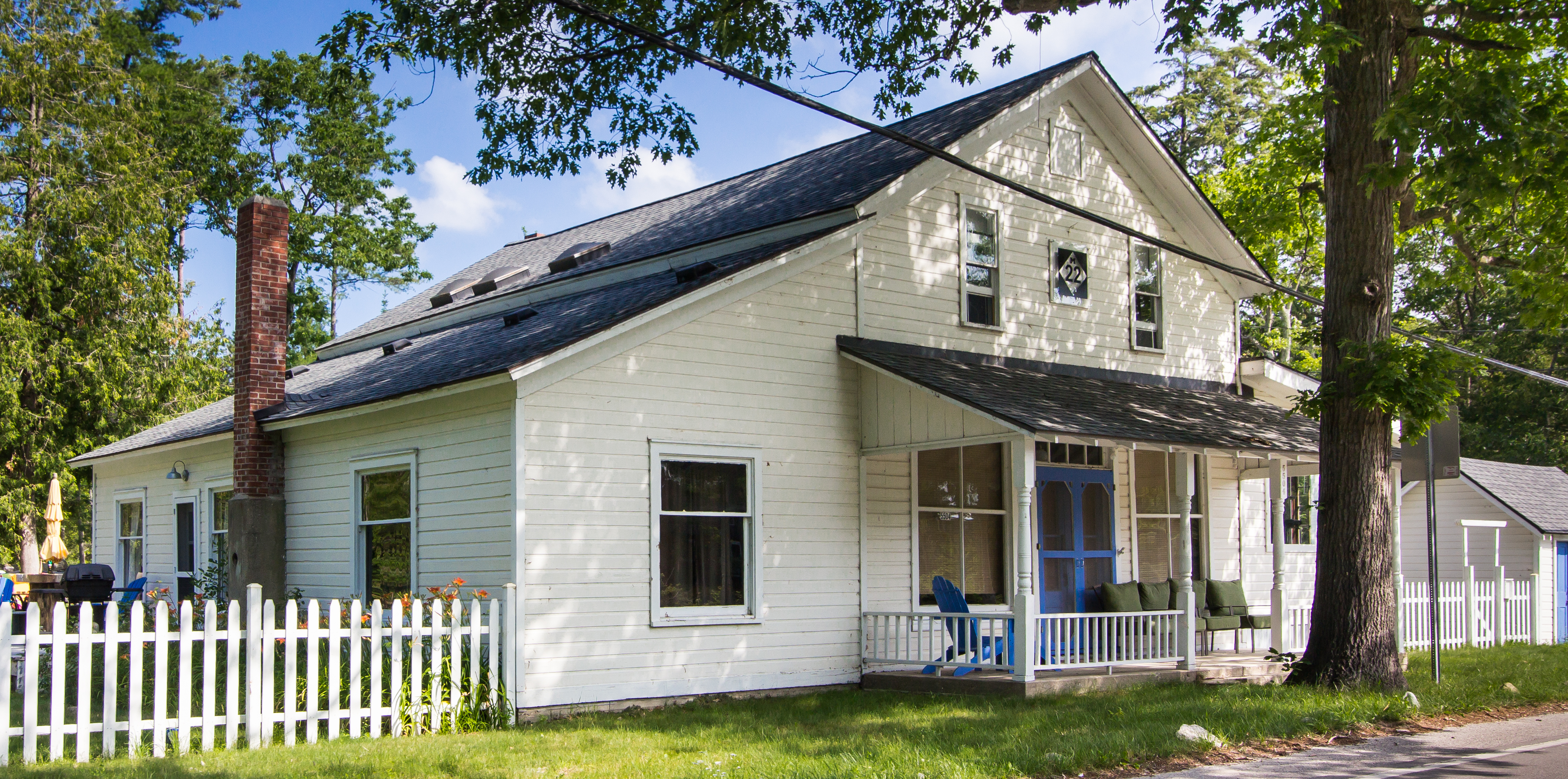
Glen Arbor is a small unincorporated community nestled in Leelanau County on the northwest coast of Michigan's Lower Peninsula, with a year-round population of roughly 500 residents that swells dramatically during the warm-weather months. Tucked between the deep blue waters of Lake Michigan to the west and the calm shallows of Glen Lake to the east, the hamlet has the easygoing atmosphere of a classic Northern Michigan resort village, with whitewashed cottages, a quiet downtown, and tree-lined byways that lead to some of the state's most photographed scenery. Glen Arbor is best known as one of the primary gateway communities to the Sleeping Bear Dunes National Lakeshore, and it sits about 25 miles west of Traverse City, the nearest major city and regional hub for air travel, dining, and wine country.
The marquee attraction is the Sleeping Bear Dunes National Lakeshore, a sprawling federal preserve that hugs more than 35 miles of Lake Michigan shoreline just minutes from Glen Arbor. The park is famous for its towering sand dunes, dense beech-maple forests, and the deep, glacier-carved valleys of the Glen Lakes, and it offers everything from short family hikes to challenging climbs up bluffs that rise hundreds of feet above the lake. A particular highlight is the Pierce Stocking Scenic Drive, a roughly 7.4-mile loop through the heart of the park that ends at a wooden overlook perched high above the lake — a stop that has become almost a rite of passage for first-time visitors.
Just outside town, Glen Lake itself is a smaller local treasure, often considered one of the most beautiful inland lakes in the Midwest. Its exceptionally clear, turquoise water and sandy bottom draw swimmers, kayakers, and paddlers throughout the summer, while the surrounding roads wind past cherry orchards, farm stands, and the clear-flowing Crystal River, which connects the lake to Lake Michigan. The nearby communities of Empire and Maple City offer additional small-town charm, with the former sitting as the gateway to the park's southern Dune Climb and a handful of beaches that have been named among the best in the United States.
Glen Arbor works as a short-term rental base because it sits at the intersection of two of Northern Michigan's biggest draws — Sleeping Bear Dunes and the Traverse City region — while still feeling distinctly small and relaxed. Visitors can walk or bike from most rentals to the beach, the river, and the village's handful of shops and restaurants, then return each evening to a quieter pace than the busier resort towns nearby. The combination of national park access, lake recreation, scenic drives, and proximity to Traverse City's wineries and restaurants makes the area appealing to a wide range of travelers, from families and outdoor enthusiasts to leaf-peepers and wine tourists, supporting strong seasonal demand for well-located rental properties.
Want to know if a property in Glen Arbor is a good investment?
Enter an address to get instant revenue potential and comps.