
Flushing, Michigan
Want to see how Flushing compares to other top cities in Michigan? Explore all city regulations in Michigan. →
Flushing, MI
Challenging To Investors
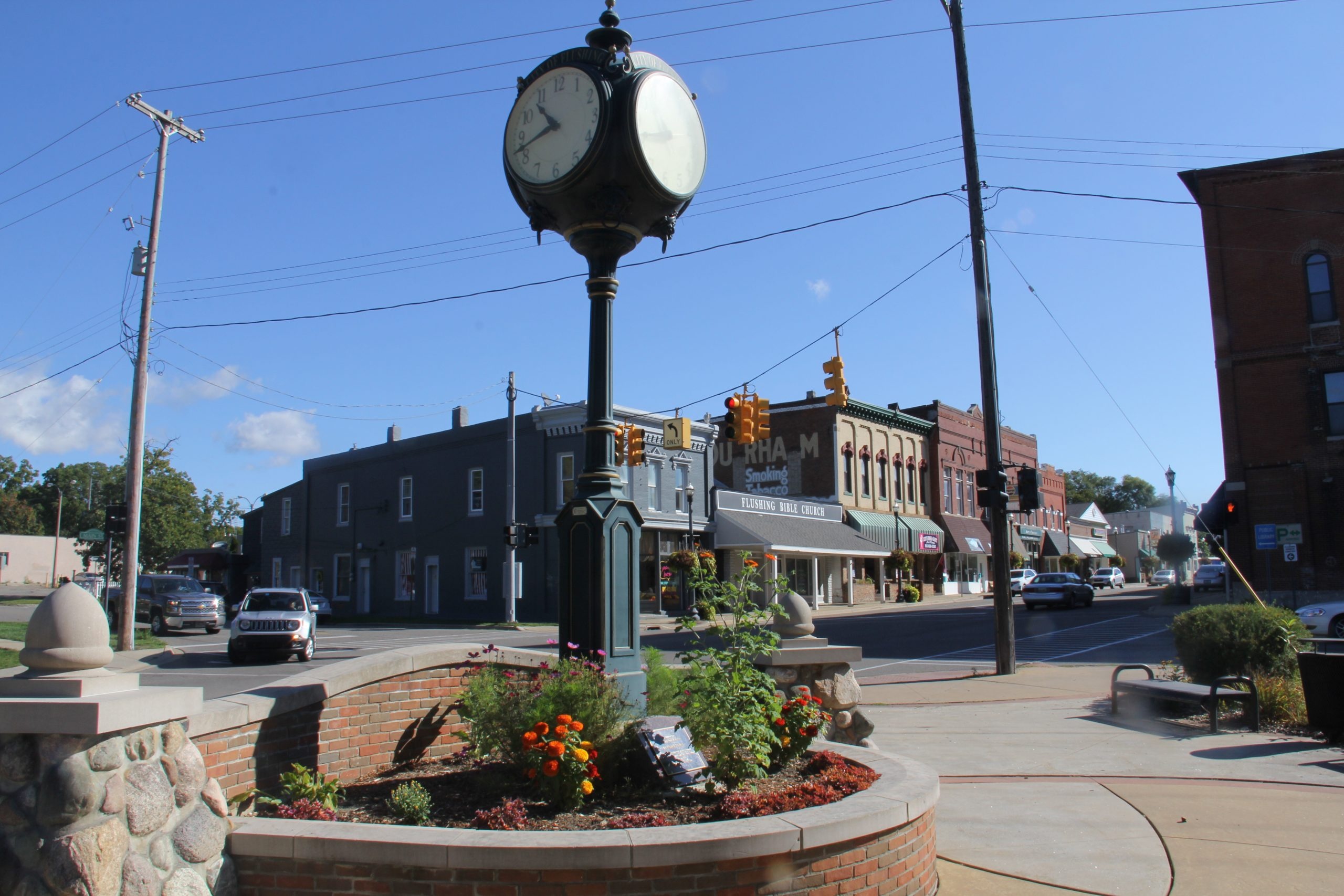
STR Regulations for Flushing, Michigan
Overview: Are Short-Term Rentals Allowed in Flushing, MI?
Yes, short-term rentals are explicitly allowed in Flushing Township, Michigan, but only under strict regulations and limitations. Short-term rentals are defined as the commercial use of renting a dwelling unit for a period of time less than fourteen (14) consecutive calendar days. The Township has implemented a comprehensive ordinance (Chapter 16, Article 8) that regulates all aspects of STR operations to preserve residential character and protect neighborhood quality.
Important Note: This guide covers Flushing Township regulations, as the provided content indicates Flushing Township (not the City of Flushing) has jurisdiction over short-term rental matters within this market area.
What do Airbnb hosts actually earn in Flushing?
Flushing hosts earn a median $27,226/year with $145 ADR and 74% occupancy.
Top performers pull in $33,607+ per year.
See the full Flushing market breakdownHow to Start a Short-Term Rental Business in Flushing Township
Starting a STR business in Flushing Township requires careful adherence to the local ordinance framework. Here's the step-by-step process:
Step 1: Verify Property Eligibility
- One dwelling unit per parcel: Only one (1) dwelling unit per parcel can be leased at any given time
- All lodging within dwelling unit: No lodging in recreational vehicles, campers, or tents
- Compliance with zoning: Property must meet all applicable zoning requirements
- Deed restrictions check: Verify no deed restrictions, HOA rules, or covenants prohibit STR operations
Step 2: Obtain Required Permits and Approvals
- Pre-permit inspection: Building Official must inspect the property for compliance with all standards
- Short-term Rental Permit application: Submit complete application to Zoning Administrator
- Annual permit renewal: Permits expire December 31st each year and require renewal
Step 3: Designate Local Contact Person
- Must be available 24/7 during rental periods
- Must be within 30 minutes travel time of the property
- Must have access and authority to manage the unit and take remedial measures
- Contact information must be provided to Flushing Township Police Department
Step 4: Implement Required Systems
- Parking arrangements: All parking must be on-site (garage, driveway, or improved areas)
- Safety systems: Working smoke and carbon monoxide detectors per manufacturer recommendations
- Waste management: Proper trash disposal with sealed receptacles
- Property maintenance: Septic systems must comply with Genesee County Health Department standards
Required Documents, Permits, Licenses, and Guidelines
Essential Documents for Initial Permit Application:
-
Completed Short-Term Rental Permit Application including:
- Property owner information (name, mailing address, phone, email)
- Agent information (if applicable)
- 24-hour contact person details
- Property information (address, tax ID, maximum occupancy, parking capacity)
-
Property Ownership Documentation:
- Copy of recorded deed or land contract
- Copy of any deed restrictions or HOA documents (if applicable)
- Site plan of property (may be hand-drawn) showing:
- Property lines and measured dimensions
- Building location and driveway
- Parking areas
- Drain field location
- Any docks (if applicable)
-
Compliance Certifications:
- Working smoke and carbon monoxide detector certification
- Septic system compliance with Genesee County Health Department standards
- Consent to inspections and making unit available upon request
-
Additional Requirements:
- Owner certification of standards compliance
- Acknowledgment of Personal Residence Exemption implications
- Homeowner's insurance coverage acknowledgment for STR activity
Permit Status and Limitations:
- Annual limit: Maximum of 50 STR permits issued per calendar year
- No unit restrictions: No limits on number of units operated by single individual
- Non-transferable: Permits expire upon property sale and cannot be transferred
- Revocation period: 12-month waiting period after permit revocation before reapplication
Specific Regulations for Short-Term Rentals
Operational Standards
Maximum Stay Limits:
- 14 consecutive calendar days maximum for any guest(s)
- Occupancy exceeding 30 days is not considered a short-term rental
Local Contact Requirements:
- 24/7 availability during rental periods
- Within 30 minutes travel time of property
- Authority to manage unit and take remedial action
- Contact information provided to police department
Parking Regulations:
- All parking must be off-roadway and entirely on-site
- Allowed locations: garage, driveway, or other improved areas
- No parking on grass permitted
Occupancy and Use Restrictions:
- Only one dwelling unit per parcel may be leased
- No special events, outdoor events, lawn parties, weddings, or similar activities exceeding permitted occupant limits
Noise and Conduct Standards
Quiet Hours:
- 11:00 PM to 7:00 AM daily
- Noise must not disturb quiet, comfort, or repose of reasonable persons
- Township Code Section 18-80 also applies
Pet Regulations:
- Pets must be secured on property or leashed at all times
- Dogs prohibited from whining, yelping, barking, or howling for 10+ minutes
- Subject to Flushing Township Code Chapter 8
Fire Safety:
- Fireworks prohibited except per Township Code Chapter 20, Article 3
- Fires only in provided devices/locations
- Fires must not be left unattended and must be fully extinguished
- Only clean, dry wood may be burned
- Subject to Township Code Chapter 5, Article 1
Health and Safety Requirements
Waste Management:
- Provision for trash disposal required
- Trash must be in properly sealed receptacles
- No overflow attractive to vermin permitted
Septic/Sewer Systems:
- Must be in substantial compliance with Genesee County Health Department standards
Safety Equipment:
- Working smoke and carbon monoxide detectors required per manufacturer recommendations and local codes
Violation Penalties
First Violation: Warning notice (verbal/written)
Second Violation (same calendar year):
- Municipal civil infraction
- Fine: $250-$500
- All property owners may be responsible
Third Violation (same calendar year):
- Municipal civil infraction
- Fine: Minimum twice previous fine, maximum $500
- Permit revocation
- 12-month wait before reapplication
Pattern Violations:
- Three consecutive years of violations: Permit revocation with appeal rights to Township Board
Exemptions (Not Considered Short-Term Rentals)
- Family Occupancy: Family members and guests without remuneration
- House Sitting: During temporary owner absence, non-owner occupancy without remuneration
- Dwelling Sales: Up to 90 days occupancy by prior owner after sale
- Estate Representative: By personal representative, trustee, or guardian
- Long-term Occupancy: In excess of 30 days
Contact Information for Local Authority
Flushing Charter Township
Physical Address: 6524 N. Seymour Rd., Flushing, MI 48433
Phone: (810) 659-0800
Email: zoning@flushingtwp.org
Key Personnel:
- Zoning Administrator: Issues permits and handles violations
- Building Official: Conducts pre-permit inspections
- Police Department: Receives local contact information
Business Hours: Contact township directly for current office hours and availability.
Links to Source Pages
- Flushing Township Short-Term Rental Ordinance (PDF)
- Flushing Township Short-Term Rental Permit Application (PDF)
- News Coverage - Township Passes First Reading of Short-Term Rental Ordinance
- Flushing City Charter (Reference)
Investment Considerations for Flushing Market
Market Constraints:
- Annual permit cap of 50 units creates limited availability
- High regulatory compliance requirements increase operational complexity
- Strong emphasis on residential character protection
Compliance Criticality:
- Strict enforcement with escalating penalties
- Pattern violations can permanently disqualify operators
- Annual permit renewal requires re-inspection
Property Requirements:
- Suitable for properties with adequate on-site parking
- Properties with septic systems must meet health department standards
- Deed restrictions and HOA rules may limit eligibility
This regulatory framework indicates Flushing Township's careful balance between allowing STR investment while maintaining strict neighborhood compatibility standards. Investors should thoroughly understand all requirements before acquiring properties in this market.
Next step
Found a property in Flushing?
Paste any address and get estimated revenue, cash-on-cash return, and comparable STR performance in under 5 minutes. 3 free analyses per day.
Free brief
Get the free Flushing STR Investment Brief
Revenue data, top neighborhoods, seasonal trends, and the key regulations for Flushing, Michigan in one email.
Flushing
Market Saturation Score
Photos of Flushing


Overview of Flushing
Flushing is a small, welcoming city in Genesee County in the south-central part of Michigan's Lower Peninsula, with a population of roughly 8,500 residents. Often described as one of the more polished suburbs in the Flint metropolitan area, it carries a quiet, small-town character that contrasts with the larger industrial city to its southeast. Flushing sits about ten miles northwest of Flint, and because of its position along the Flint River and within easy driving distance of both mid-Michigan and the Saginaw Valley, it frequently serves as a comfortable base for visitors exploring this stretch of the state. Tree-lined streets, a walkable historic core, and a strong sense of community identity give the city its easygoing appeal.
The Flushing River Trail and the surrounding stretches of the Flint River are among the area's most accessible natural features. The trail follows the river through wooded sections and offers opportunities for walking, jogging, and cycling just minutes from the downtown area, and paddlers take to the river in warmer months for a gentle look at the surrounding landscape. Downtown Flushing itself, with its locally owned shops and eateries clustered around a traditional main street, anchors much of the city's daily life and gives visitors a relaxed small-town feel that is increasingly rare in the region. A short distance east, in nearby Flint, the Flint Institute of Arts hosts a surprisingly deep permanent collection and rotating exhibitions, making it one of the most worthwhile cultural stops in mid-Michigan. A few minutes beyond it, Crossroads Village & Huckleberry Railroad is a recreated 19th-century village paired with a narrow-gauge heritage railroad, drawing families for seasonal rides, craft demonstrations, and Old World holiday celebrations.
About thirty miles north, Frankenmuth offers a completely different day-trip experience. Known for its Bavarian-style architecture, year-round Christmas shops, family-style chicken dinners, and the world's largest Christmas store, the town draws visitors from across the Midwest and adds a strong seasonal layer to any stay in the region. Detroit and Lake Huron's Saginaw Bay are each roughly an hour or so away by car, opening up weekend possibilities ranging from professional sports and museums to lake-shore sunsets.
For short-term-rental owners, Flushing hits a useful middle ground. It is small enough to feel calm and residential, well placed for travelers who want to combine the cultural and historical draws of Flint with the tourist energy of Frankenmuth, and it offers a friendly community base with parks, river access, and easy highway connections to the rest of central and southeastern Michigan.
Want to know if a property in Flushing is a good investment?
Enter an address to get instant revenue potential and comps.