
Ann Arbor, Michigan
Want to see how Ann Arbor compares to other top cities in Michigan? Explore all city regulations in Michigan. →
Ann Arbor, MI
Challenging To Investors
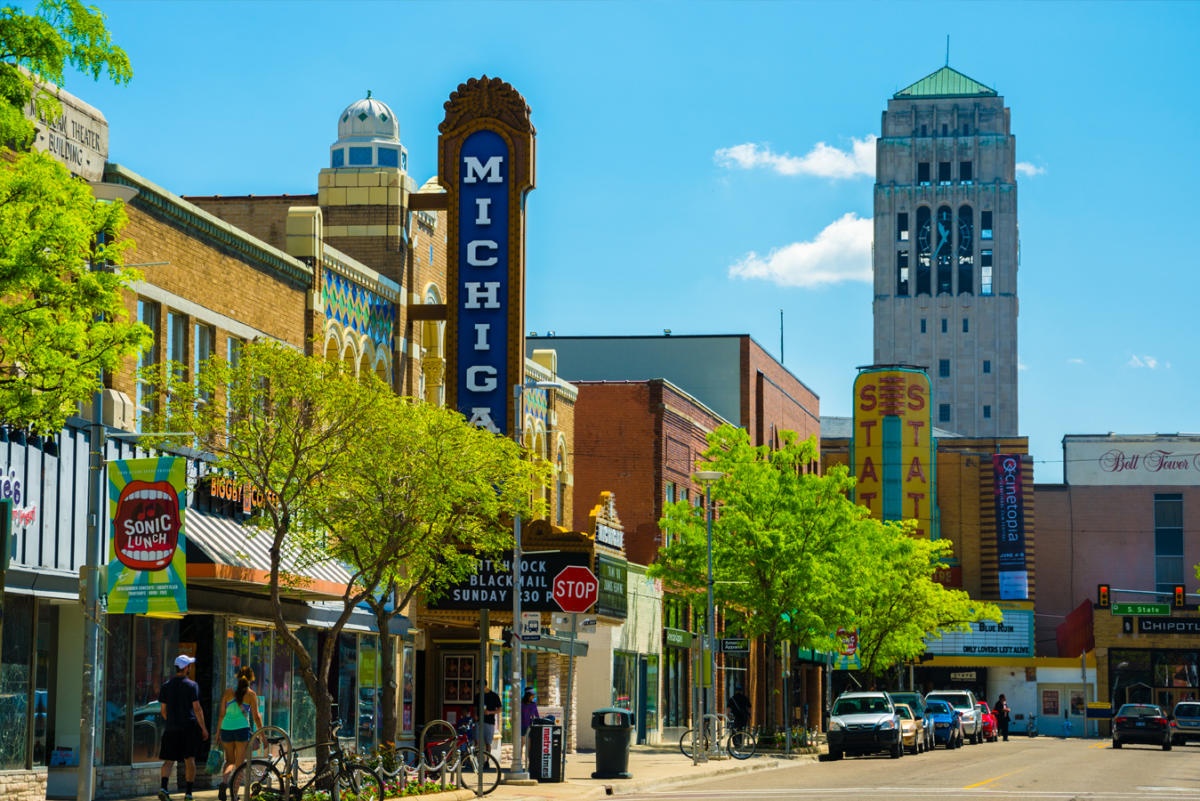
STR Regulations for Ann Arbor, Michigan
Overview: Are Short-Term Rentals Allowed in Ann Arbor, MI?
YES — Short-term rentals are permitted in Ann Arbor, MI, but they are subject to some of the most stringent regulations in Michigan. The city has implemented a comprehensive licensing system that requires strict compliance with zoning, safety, and operational requirements. As of 2025, investors can legally operate short-term rentals in Ann Arbor, but must navigate a complex regulatory framework that prioritizes community standards and neighborhood preservation.
The city defines a short-term rental (STR) as any dwelling unit rented for 30 consecutive days or less to persons other than the owner who claims principal residence. The regulatory approach distinguishes between owner-occupied and non-owner-occupied properties, with significantly more restrictions on commercial operations in residential neighborhoods.
What do Airbnb hosts actually earn in Ann Arbor?
Ann Arbor hosts earn a median $34,694/year with $223 ADR and 59% occupancy.
Top performers pull in $47,885+ per year.
See the full Ann Arbor market breakdownHow to Start a Short-Term Rental Business in Ann Arbor
Starting an STR business in Ann Arbor requires careful planning and compliance with multiple regulatory requirements. The process begins with confirming that your property is located in an appropriate zoning district for your intended operation type.
Step 1: Determine Property Eligibility and STR Type
The city recognizes three types of short-term rentals:
- Non-Principal Residence STR: Commercial rental where the owner/host does not reside (requires Certificate of Compliance, subject to inspection, generally prohibited in residential districts)
- Principal Residence Homestay STR: Owner/tenant lives on-site throughout guests' stay (bed and breakfast style)
- Principal Residence Whole House STR: Owner/tenant does not occupy the dwelling while rented (traditional Airbnb/VRBO style)
Step 2: Verify Zoning Compliance
Before proceeding, confirm your property's zoning allows for your intended STR type. Residential zones (those starting with "R") only permit Principal Residence properties to apply. Non-owner-occupied properties have very limited options in residential areas.
Step 3: Obtain Required Certifications
For non-owner-occupied properties, you must obtain a Certificate of Compliance before applying for an STR license. This involves passing housing code inspections and meeting safety standards.
Step 4: Submit Application and Payment
Apply online through the STREAM system under the license tab. Applications must be paid in advance before review begins, with no refunds for denied applications.
Required Documents, Permits, Licenses, and Guidelines
Core Licensing Requirements
- STR License: Required for all units, $500 per unit per year
- Principal Residence Documentation: Sworn Statement of Principal Residency Form must be uploaded
- Certificate of Compliance: Required for non-owner-occupied properties in permitted zones
Documentation Checklist
- Completed STR license application
- Proof of property ownership or authorization
- Floor plans and site plans
- Parking information and compliance verification
- Certificate of occupancy
- Fire safety inspection certificate
- Liability insurance documentation (minimum $1 million coverage recommended)
- Principal residence verification (varies by STR type)
Safety and Compliance Requirements
- Smoke detectors in all sleeping areas
- Carbon monoxide detectors on each finished floor
- Fire extinguisher in conspicuous location
- Emergency contact information posted
- Maximum occupancy limits based on Housing Code standards
- Clear evacuation routes maintained
Advertising Requirements
- STR license number must be displayed in all advertisements
- Maximum occupancy must be clearly stated
- All listings must comply with city advertising standards
Specific Regulations: City, County, and State Level
City of Ann Arbor Regulations
Zoning Restrictions:
- Accessory Dwelling Units (ADUs) are prohibited from STR use
- Non-principal residence STRs are generally prohibited in residential districts
- Principal residence STRs permitted in residential and mixed-use zones
- Historic districts face additional preservation guidelines
Occupancy Limits:
- Maximum 4 persons plus offspring (descendants, adopted, foster children) in all zoning districts
- Maximum 6 persons as single unit in multiple-family and mixed-use districts
- Occupancy based on Housing Code standards for square footage, lighting, ventilation, and exits
Operational Requirements:
- Maximum stay of 30 consecutive days
- No hosting in non-habitable areas under Housing Code
- 24-hour response capability for guest issues
- Host responsible for all nuisance and enforcement complaints
State of Michigan Requirements
- 6% state sales tax on short-term rental transactions
- Property tax implications based on principal residence exemption
- State building and housing code compliance requirements
Local Tax Obligations
- 5% Ann Arbor city accommodations tax
- Monthly tax remittance requirements for gross rental revenue
- Separate registration required with Michigan Department of Treasury
Enforcement and Penalties
- Daily fines for operating without valid license
- License revocation possible for repeated violations
- Community Standards handles parking, trash, and vegetation complaints
- Ann Arbor Police Department handles noise complaints (must be reported while occurring)
Contact Information for Local STR Authorities
City of Ann Arbor Planning Department
- Phone: 734.794.6268
- Email: ShortTermRentals@a2gov.org
- Address: 301 E. Huron Street, First Floor, Ann Arbor, MI 48104
- Website: www.a2gov.org/planning/short-term-rentals/
Rental Housing Services
- Phone: 734.794.6264, Option 1
- Email: rentalhousing@a2gov.org
STREAM Online Application System
- Website: stream.a2gov.org/
Source Links and Additional Resources
Primary Government Sources:
- City of Ann Arbor Short-Term Rentals Page
- Chapter 97 - Short-Term Rentals Ordinance
- Unified Development Code
- STR Permitted Use Table
- Sworn Statement of Principal Residency Form
Informational Resources:
Additional Reference Materials:
Important Notes for Investors:
- The regulatory landscape continues to evolve, with proposed state legislation potentially affecting local ordinances
- House Bill 4722 has been discussed at state level but has not been enacted as of 2025
- City regulations are strictly enforced with limited tolerance for non-compliance
- Principal residency verification is rigorously scrutinized through multiple documentation requirements
- The application process takes up to 21 business days, requiring advance planning for seasonal operations
This comprehensive regulatory framework reflects Ann Arbor's commitment to balancing economic opportunities with neighborhood preservation and community standards. Success in this market requires thorough understanding of these requirements and ongoing compliance monitoring.
Next step
Found a property in Ann Arbor?
Paste any address and get estimated revenue, cash-on-cash return, and comparable STR performance in under 5 minutes. 3 free analyses per day.
Free brief
Get the free Ann Arbor STR Investment Brief
Revenue data, top neighborhoods, seasonal trends, and the key regulations for Ann Arbor, Michigan in one email.
Ann Arbor
Market Saturation Score
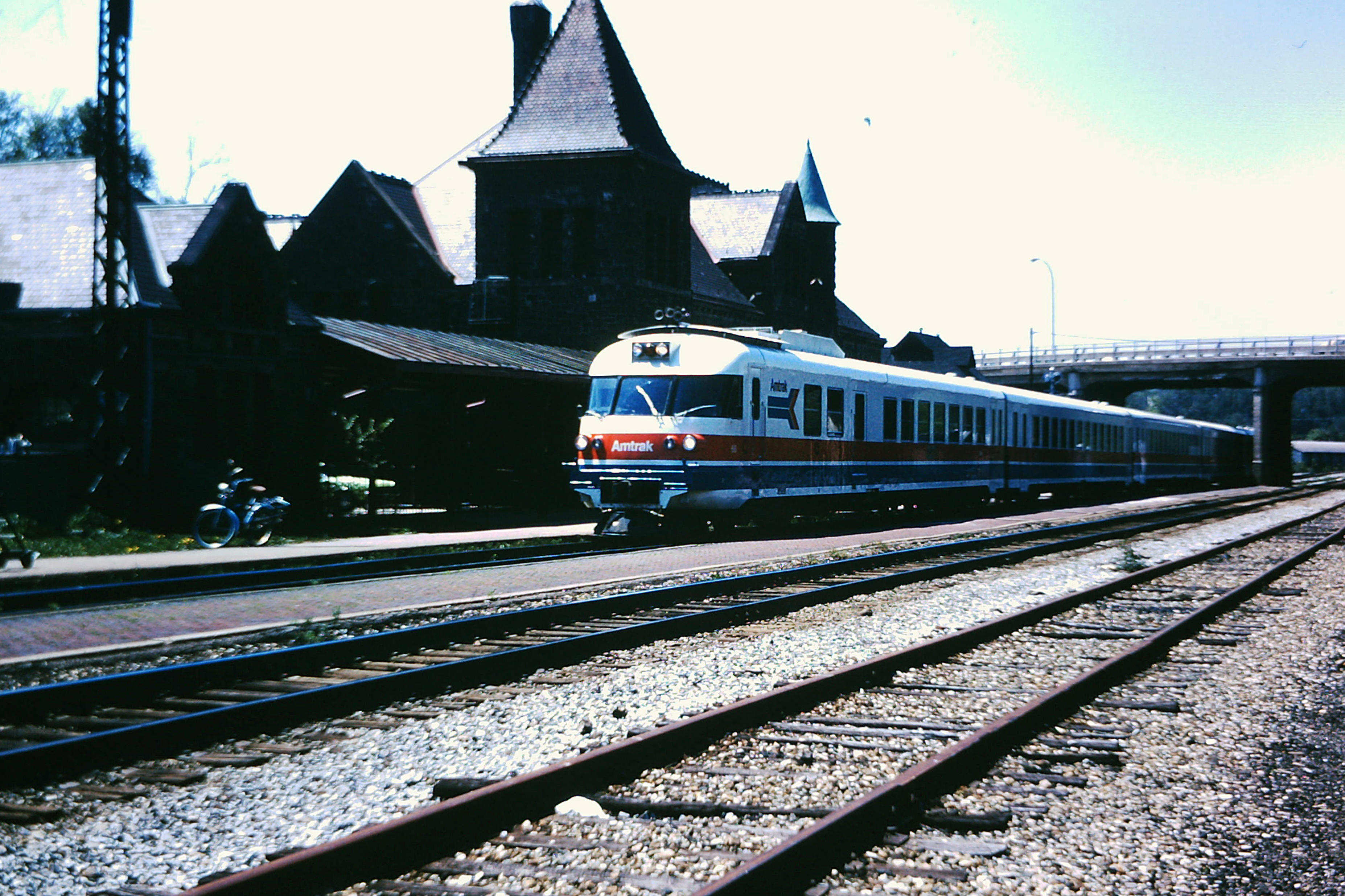
Photos of Ann Arbor


Overview of Ann Arbor
Ann Arbor is a vibrant city in southeastern Michigan and serves as the seat of Washtenaw County. Home to roughly 125,000 residents, it is best known as the home of the University of Michigan, one of the country's most prestigious public research universities. The city's character is shaped heavily by the university, giving it a youthful, intellectual energy combined with the amenities of a small, walkable Midwest city. It is a gateway to the broader Detroit metropolitan area, sitting about 45 miles west of downtown Detroit and roughly 60 miles southeast of Lansing, the state capital. Its tree-lined streets, independent bookstores, farm-to-table restaurants, and a lively arts scene have earned Ann Arbor a reputation as one of the most cultured small cities in the Midwest.
A natural starting point for any visitor is the University of Michigan campus, where landmarks like the Michigan Stadium — one of the largest college football stadiums in the country — and the central Diag anchor thousands of events throughout the year. The campus also hosts the University of Michigan Museum of Art, a free public art museum with a notable collection spanning centuries, located within walking distance of the downtown core. Just east of central campus, the historic Kerrytown district offers a farmers' market, independent shops, and locally loved eateries, making it a favorite weekend stop for both residents and visitors.
For those seeking green space, the Matthaei Botanical Gardens and the adjacent Nichols Arboretum provide miles of walking trails and curated gardens just minutes from downtown. The arboretum, often called "the Arb," features a restored prairie, peony gardens, and the famous Huron River waterfall, and is a particular draw in spring when its magnolias and cherry blossoms bloom. A short drive west of the city, the Waterloo and Pinckney state recreation areas offer hiking, swimming, and paddling on glacial lakes, making Ann Arbor a convenient base for outdoor recreation as well as urban exploration.
About 45 minutes east, Detroit offers an easy day trip for guests interested in the city's revitalized riverfront, the Detroit Institute of Arts, and the Motown Museum. Closer in, the Ann Arbor Hands-On Museum on the edge of downtown draws families with its interactive science and technology exhibits, anchoring a steady stream of family-oriented travel throughout the year.
Ann Arbor makes a compelling base for short-term rentals because it consistently draws a diverse mix of visitors: prospective students and families touring the university, fans converging for football and basketball weekends, professionals traveling to hospital and tech employers, and conference attendees filling hotels during the academic calendar. Its walkable downtown, strong dining and arts scene, and proximity to both natural areas and Detroit give property owners a year-round audience, with peak demand coinciding with fall football Saturdays, spring graduation, and the vibrant summer festival season along Main Street.
Want to know if a property in Ann Arbor is a good investment?
Enter an address to get instant revenue potential and comps.