
Alto, Michigan
Want to see how Alto compares to other top cities in Michigan? Explore all city regulations in Michigan. →
Alto, MI
Generally Investor Friendly
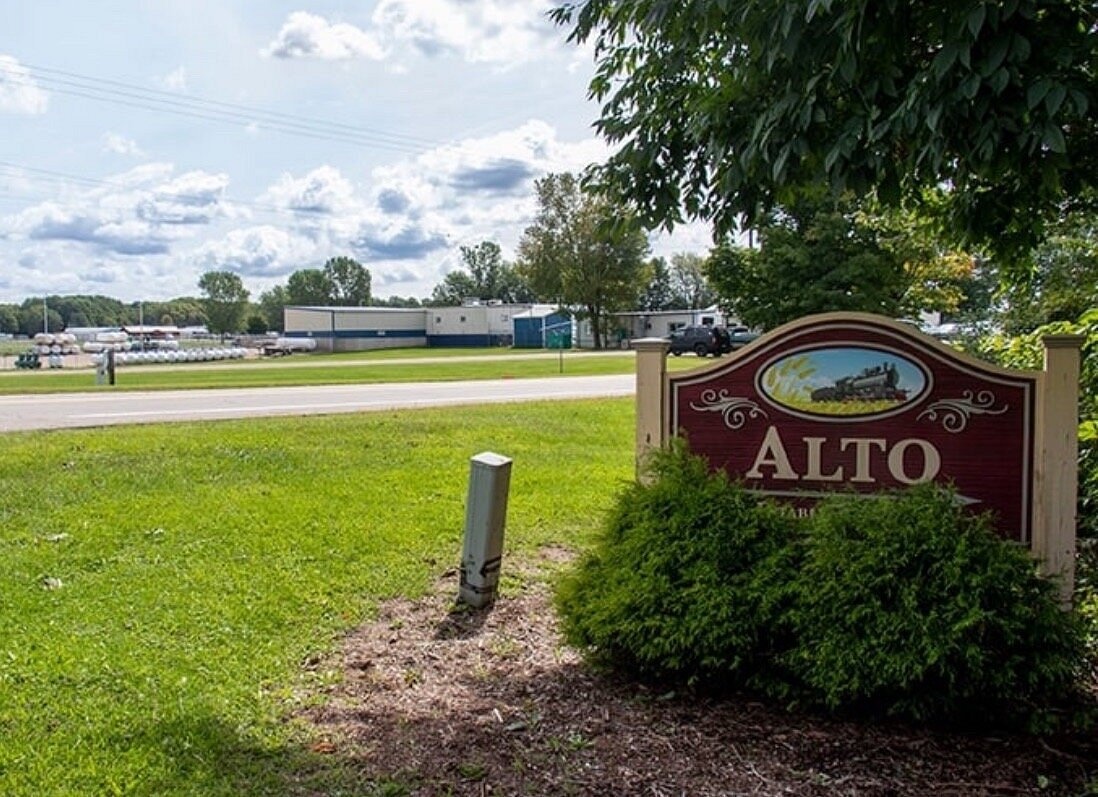
STR Regulations for Alto, Michigan
Overview: Are STRs Allowed in Alto, MI? Alto is an unincorporated community in Lowellshire Township, Kent County, Michigan. There is no evidence of city-level restrictions or licensing specific to “Alto,” because Alto is not an incorporated city or village. Therefore, investors must rely on state statutes and county/township rules, and confirm zoning compliance with Lowellshire Township, the township having land use authority in the area.
Practical takeaway: You can operate an STR in Alto provided the property is properly zoned for the intended use, all applicable Michigan taxes are collected/remitted, and you meet any state business registration and insurance requirements. Because local zoning and homeowner association (HOA) rules can be more restrictive than state law, you must verify zoning and HOA covenants before listing.
How to Start an STR Business in Alto
- Confirm Zoning and Land Use Eligibility
- Identify the parcel and its zoning district from the Kent County Equalization or Mapping tools and the Lowellshire Township zoning map. STRs are typically treated as either lodging (commercial) or residential use, depending on whether you are renting the dwelling while you are present or renting it as a standalone accommodation.
- If the property lies within an HOA or a planned unit development (PUD), obtain and review covenants, conditions, and restrictions (CC&Rs). Many HOAs limit or prohibit STRs entirely.
- State-Level Registrations and Taxes
- Sales tax and use tax registration: Michigan requires businesses making taxable sales (including lodging) to obtain a Sales, Use, and Withholding tax account. If you will collect lodging-related taxes, you typically register with the Michigan Department of Treasury.
- Lodging taxes: Michigan imposes a 6% sales/use tax on lodging and may require a local convention/tourism (lodging) assessment commonly at 2% (the specific rate depends on Kent County’s current authorized rate). Confirm the county rate and whether Airbnb/Vrbo automatically collect and remit; many platforms do, but hosts should validate.
- Business Structure and Basic Operations
- Decide on business entity (e.g., LLC), EIN, and banking. Open a separate bank account and set up accounting software. Confirm whether the platform you use for bookings collects/remits lodging taxes or if you must do so directly.
- Secure adequate short-term rental insurance. Standard homeowners policies usually exclude business-related lodging; specialized STR policies provide liability and property coverage.
- Listing, Pricing, and Guest Experience
- Choose distribution channels (Airbnb, Vrbo, direct bookings) and implement dynamic pricing.
- Write a detailed house manual, confirm compliance with safety requirements (e.g., smoke and CO detectors, fire extinguisher, posted address), and create a 24/7 guest support protocol. Build cleaning standards, turnover SOPs, and a local vendor network.
- Finalize Compliance
- Re-check the township’s zoning use table and review any HOA restrictions before listing. Document your determinations and retain proof of compliance (screenshots, permit copies, emails). Maintain records in a compliance folder for audits and renewals.
Required Documents, Permits, Licenses, and Guidelines Michigan (State)
- Sales, Use, and Withholding Tax Account: Required to collect/remit state sales/use tax and lodging taxes; obtained through the Michigan Department of Treasury.
- Local Lodging Assessment Registration (if not collected by the platform): For any local convention/tourism assessments due on lodging; confirm the local rate with Kent County.
- Business Insurance: STR-specific liability/property coverage.
- Safety Compliance: Maintain functional smoke detectors, carbon monoxide detectors where applicable, and a fire extinguisher; post address and emergency contact information.
Kent County / Lowellshire Township (Local)
- Zoning Confirmation: Verify zoning district for the parcel and permitted uses. Because Alto is unincorporated, your principal local land use authority is the township (and any relevant overlay districts).
- Building and Safety: Confirm whether any building permits, inspections, or certifications apply if you change occupancy or alter systems (e.g., HVAC, egress).
- HOA/PUD Approval (if applicable): Written confirmation that STRs are allowed, and that your intended occupancy/operations comply.
Documents to Keep on Hand
- Proof of zoning compliance ( zoning map screenshot, email confirmation from township).
- Platform license/registration numbers (if any), tax account numbers, and lodging tax remittance confirmations.
- Insurance declarations and policy endorsement.
- Safety checklist and inspection logs.
- Guest policy and house rules (quiet hours, occupancy limits).
- Transaction and remittance records (platform statements, tax filings).
Specific Regulations: City, County, and State State (Michigan)
- Sales/Use Tax on Lodging: 6% on lodging charges; collected via Michigan’s tax account.
- Local Lodging Assessment: Convention/tourism assessment commonly at 2% on lodging; verify county rate and collection method (platform or direct).
- Business Registration: Obtain a Sales, Use, and Withholding tax account if you’ll collect/remit lodging taxes.
- Consumer Protection: Honest advertising, accurate occupancy limits, accurate pricing; noncompliance can lead to penalties or platform enforcement.
County (Kent County)
- Local Lodging Assessment: Kent County likely applies a 2% convention/tourism tax on lodging, but rates can change. Confirm the current rate and collection process with the Kent County Treasurer or the county’s designated lodging tax administrator.
Township (Lowellshire)
- Zoning and Land Use: STRs must comply with Lowellshire Township zoning for the subject parcel and district. Some townships classify home-sharing (host on-site) differently from whole-home lodging. Because Alto is unincorporated, there is no separate city code.
- Parking and Occupancy: Review township ordinances for parking, occupancy, and life-safety requirements.
Note on HOAs/PUDs
- Many developments prohibit short-term leasing. Review CC&Rs and obtain any needed consent or waiver prior to listing.
Local Authority Contacts and Resources State of Michigan (Taxes)
- Michigan Department of Treasury: Business tax account registration and lodging tax questions
- Phone: 517-373-2697
- Website: michigan.gov/treasury
Kent County (Local Taxes)
- Kent County Treasurer or Administrator (for convention/tourism lodging assessment confirmation)
- Phone: See county website directory ( Kent County website)
- Website: accesskent.com
Lowellshire Township (Zoning and Permits)
- Zoning/Planning Department (confirm zoning, any required permits or life-safety requirements)
- Phone and address: Use the township’s official website or contact via Kent County links for Lowellshire Township
- Website: Access Kent Lowellshire Township directory
Platforms and Services
- Booking.com Partner Legal Resources (US): Listing of location-specific STR rules; see Michigan entry
- Website: Booking.com Partner Legal Resources – North America (US section)
Source Links
- Laws and regulations for short-term rentals (US): partner.booking.com/en-us/legal-resources/laws-and-regulations-short-term-rentals
- Laws and regulations for short-term rentals (Global): partner.booking.com/en-gb/legal-resources/laws-and-regulations-short-term-rentals
- RedAwning “Michigan Airbnb Management Company Directory” overview: www.redawning.com/pm/post/michigan-airbnb-management-company-directory
Closing Notes for STR Investors Because Alto is unincorporated, zoning is the central local hurdle. Beyond that, state sales/use tax and local lodging assessments, plus platform remittance processes, determine your tax obligations. Prioritize a compliance-first strategy: confirm zoning and HOA permissions first; register for taxes; secure STR insurance; and document everything. If you plan to list large numbers of units, consider working with a professional management company and/or a CPA familiar with Michigan lodging taxes to streamline compliance.
What do Airbnb hosts actually earn in Alto?
Alto hosts earn a median $33,327/year with $235 ADR and 50% occupancy.
Top performers pull in $44,350+ per year.
See the full Alto market breakdownNext step
Found a property in Alto?
Paste any address and get estimated revenue, cash-on-cash return, and comparable STR performance in under 5 minutes. 3 free analyses per day.
Free brief
Get the free Alto STR Investment Brief
Revenue data, top neighborhoods, seasonal trends, and the key regulations for Alto, Michigan in one email.
Alto
Market Saturation Score
Photos of Alto
Overview of Alto
Alto is a small unincorporated community in Kent County in western Michigan, sitting in the rolling farmland and woodlots southeast of Grand Rapids. With only a few thousand residents in the surrounding township area, it has the quiet, rural character typical of small Lower Peninsula villages — a place of country roads, family farms, and a historic downtown crossroads — while functioning as an easy bedroom community and weekend base for everything the greater Grand Rapids region has to offer. It lies roughly fifteen to twenty miles southeast of Grand Rapids, the nearest major city, putting urban amenities, employment hubs, and medical centers within an easy commute while keeping visitors well away from the bustle.
One of the biggest draws within an easy drive of Alto is Grand Rapids itself, which offers a dense cluster of cultural and recreational attractions. The Frederik Meijer Gardens & Sculpture Park, a sprawling botanical garden and outdoor sculpture park, is roughly twenty-five minutes northwest of Alto and consistently ranks among the top attractions in the Midwest. Just minutes from there, downtown Grand Rapids features the Gerald R. Ford Presidential Museum, which chronicles the life and presidency of the 38th U.S. president and is a popular stop for visitors interested in twentieth-century American history.
A short drive to the south and east brings travelers into some of west Michigan's most inviting outdoor terrain. Yankee Springs Recreation Area, a several-thousand-acre state recreation area in neighboring Barry County, offers hiking, mountain biking, swimming, and winter activities such as cross-country skiing and snowmobiling, and is generally reachable in roughly thirty to forty minutes from Alto. The broader region is laced with lakes, rivers, and county parks that draw anglers, paddlers, and cyclists, making the area particularly attractive in spring and summer.
West Michigan's Lake Michigan shoreline is also within reach for a day trip. Beach communities such as Grand Haven, Holland, and Saugatuck–Douglas — each known for their sandy beaches, lighthouses, harbor towns, and in Holland's case a strong Dutch heritage — sit roughly forty-five minutes to an hour west of Alto, adding a coastal dimension to an otherwise inland stay.
For short-term-rental investors, Alto's appeal lies in this balance. Guests get a peaceful, rural Michigan setting with quick access to the cultural attractions of Grand Rapids, the outdoor recreation of state lands to the south, and Lake Michigan beach towns to the west, all without the higher property costs and stricter regulations of staying directly in the city.
Want to know if a property in Alto is a good investment?
Enter an address to get instant revenue potential and comps.