
Union, Maine
Want to see how Union compares to other top cities in Maine? Explore all city regulations in Maine. →
Union, ME
Generally Investor Friendly
STR Regulations for Union, Maine
Overview: Are Short-Term Rentals Allowed in Union, ME?
Yes, short-term rentals are allowed in Union, ME, but they remain largely unregulated at the town level. As of the content provided (June 2025), a proposed Short-Term Rental Ordinance was put to a town vote and defeated (June 10, 2025: 295–257). Until and unless a new ordinance is adopted, Union does not impose local licensing, registration, inspection, occupancy caps, or parking restrictions specific to STRs. Traditional lodging (hotels, motels, bed and breakfasts, lodging houses) continues to be regulated under state law and unrelated local ordinances. Investors should proceed with caution and monitor town meetings for future action, as local regulation can change rapidly.
What do Airbnb hosts actually earn in Union?
Union hosts earn a median $21,776/year with $190 ADR and 59% occupancy.
Top performers pull in $46,085+ per year.
See the full Union market breakdownHow to Start a Short-Term Rental Business in Union
- Confirm zoning and land use: Review the Town of Union Land Use Ordinance to ensure your property is in a zone that permits residential use and short-term rental activities. As of the available materials, the STR ordinance proposal referenced the Land Use Ordinance for definitions and zoning context, but the proposal was not enacted.
- Assess property type:
- Single-family detached, two-family (duplex), and multi-family dwellings are potentially viable, subject to zoning.
- Accessory Dwelling Units (ADUs) were explicitly excluded under the proposed ordinance; do not assume ADUs will be approved for STRs in the future.
- Insurance and liability:
- Maintain property insurance and general liability coverage appropriate for rental activity. Under the proposed ordinance, $1 million aggregate coverage or proof of equivalent platform-provided coverage would have been required.
- Require your insurer to provide notice of cancellation to the town (if required in the future).
- Safety baseline (recommended even absent local rules):
- Install smoke alarms in each bedroom, outside sleeping areas, and on each story including basements and habitable attics.
- Install carbon monoxide detectors where required by state/federal rules.
- Provide at least one portable fire extinguisher (2A or two 1A units were proposed; implement in consultation with your insurer).
- Post a building evacuation plan inside the rental during guest stays.
- Guest management and operations:
- Set a maximum occupancy that aligns with health and safety best practices. The proposed ordinance would have limited occupancy to two tenants per bedroom plus two additional tenants for the entire dwelling. This is a reasonable benchmark in the absence of local caps.
- Use a good neighbor guide: provide guests with local noise, trash, parking, and conduct rules; share owner/emergency contact information.
- Maintain guest logs and reservation records to respond to any future compliance requests.
- Parking and traffic:
- In the absence of local rules, ensure parking does not impede emergency access and complies with any general parking provisions in the Land Use Ordinance. Avoid relying on garages not permitted for tenant use.
- Tax and revenue administration:
- Monitor whether the Town adopts a local room tax (Transient Lodging Tax). If adopted, confirm who collects/remits (owner vs. platform). Under the proposed ordinance, fees were to be set by the Select Board.
- Marketing and listing:
- Until local registration is required, platforms may not require a local permit number. If a registration program is enacted later, listing sites often require proof of registration and a registration number.
- Compliance monitoring:
- Stay attuned to town notices and meeting minutes. If a revised ordinance is proposed, respond during the public comment period.
Required Documents, Permits, Licenses, and Guidelines
Currently, the Town of Union does not require an STR registration or local permit. Traditional lodging remains regulated by the State of Maine and is outside the scope of this guide. Even in the absence of local requirements, you should maintain:
- Proof of property ownership or leasehold (for leaseholders, confirm subletting is permitted).
- Insurance certificates for property and general liability (with platform coverage if applicable).
- Safety documentation (smoke/CO alarms, fire extinguisher, evacuation plan).
- Floor plans indicating alarm and extinguisher locations (recommended).
- Guest logs and reservation records.
- Tax records (if a transient lodging tax is adopted locally).
- Communications and guest guides (noise, trash, parking, conduct).
Should Union adopt an ordinance in the future, the proposed framework indicates the following may be required:
- Annual registration application submitted to the Code Enforcement Officer (CEO).
- Owner information (names, addresses, phone, email), property address and map/lot, type of dwelling.
- Whether the STR is owner-occupied, non-owner-occupied, and primary residence status.
- Emergency contact person(s) able to respond within 60 minutes to complaints.
- Certificate of insurance acknowledging short-term rental activity; $1 million aggregate liability coverage (or proof of platform coverage that defends and indemnifies the owner and any user for bodily injury and property damage).
- Proof of compliance with Maine Subsurface Waste Wastewater Disposal Rules.
- Parking plan showing designated guest spaces on the same lot.
Specific Regulations: City/County/State
Town of Union (as of the provided content)
- No local STR registration is required at this time. The proposed ordinance was voted down (June 10, 2025).
- In the absence of local rules, follow general zoning, health, and safety best practices.
- If an ordinance is enacted in the future, expect:
- Registration with the CEO; non-transferable registrations; change in ownership triggers new registration.
- Fee schedule set by the Select Board; applications accepted starting in November of the prior registration year.
- Inspection within 12 months of initial registration and every three years thereafter; inspection cycle restarts on ownership change.
- Display of registration number and owner/emergency contact information inside the unit.
- Record-keeping of rentals and guest counts; compliance with local requests within 10 business days.
- Occupancy limits: two per bedroom plus two additional for the entire dwelling.
- Parking: designated on-site spaces; on-street parking prohibited by the proposed rules; emergency access cannot be impeded.
- Refuse and sanitary waste: storage and transport must avoid odors, pests, and nuisance conditions; compliance with Maine Subsurface Wastewater Disposal Rules.
- Violations and penalties: fines for operating without registration (proposed $100/day first offense, $150/day each additional offense), potential court actions, and permit suspension/revocation for substantiated complaints (three within three years).
- Suspension/revocation process: written notice, owner meetings, corrective action agreements; appeals available to the Board of Appeals within 30 days.
County (Knox County)
- County-level STR regulations are not identified in the provided content. Knox County does not administer a county-wide STR registration program based on the available materials.
State of Maine
- STRs are subject to Maine’s general laws and administrative rules governing health and safety and housing. If the Town does not regulate STRs, property owners must still comply with state requirements for smoke and carbon monoxide alarms, fire safety equipment, and subsurface wastewater disposal.
- Review state statutes and rules for lodging and public health for any applicable requirements to your property type.
Contact Information (Local Authority in Charge of STRs)
- Town of Union
- Address: 567 Common Road, P.O. Box 174, Union, ME 04862
- Phone: (207) 785-3200
- Website: www.union.maine.gov
- STR inquiries are routed to the Code Enforcement Officer (CEO). With no ordinance in force, contact the Town to confirm the absence of local rules and to monitor for future updates.
Links to Source Pages
- Union Short-Term Rental Ordinance (proposed, not enacted): www.union.maine.gov/vertical/sites/%7B45C83186-1E71-4F7C-A6A6-4C9EBBC99C05%7D/uploads/Town_of_Union_Short-Term_Rental_Ordinance.pdf
- STRisker Bulletin summarizing the defeat of the proposed ordinance in Union (June 18, 2025): writing.strisker.com/strisker-bulletin-union-me/
- Town of Union Official Site: www.union.maine.gov
- National League of Cities – Short-Term Rental Regulations: A Guide for Local Governments: www.nlc.org/wp-content/uploads/2022/05/Short-Term-Rental-Regulations.pdf
Strategic Notes for Investors
- Regulatory risk: The close vote margin (38 votes) suggests the ordinance debate is not settled. Expect the issue to reappear. If you are acquiring or operating STRs in Union, monitor Town Meeting agendas and adopt a compliance-ready posture.
- Operational resilience: Maintain a “proposed ordinance” level of compliance—higher insurance limits, clear occupancy caps, posted safety plans, guest rules, and record-keeping—so you are ready if a new ordinance passes.
- Platform alignment: Platforms often adopt listing requirements once municipalities require permit numbers. Ensure you can rapidly satisfy any future registration and posting obligations.
This guide is based solely on the provided content and is subject to change if Union adopts new regulations. Always verify the latest town ordinances and state requirements before listing or operating a short-term rental.
Next step
Found a property in Union?
Paste any address and get estimated revenue, cash-on-cash return, and comparable STR performance in under 5 minutes. 3 free analyses per day.
Free brief
Get the free Union STR Investment Brief
Revenue data, top neighborhoods, seasonal trends, and the key regulations for Union, Maine in one email.
Union
Market Saturation Score
Photos of Union


Overview of Union
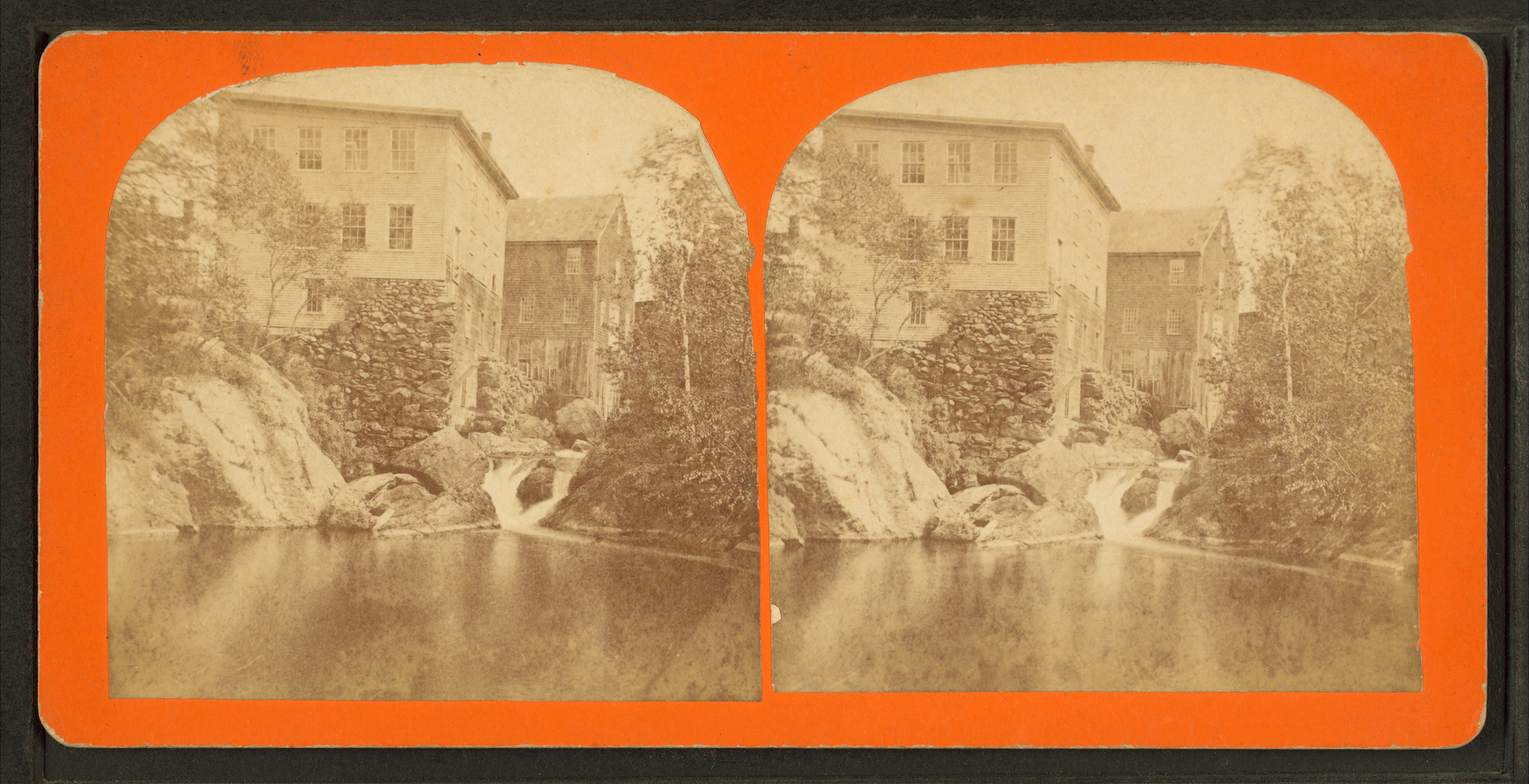
Union is a small rural town in Knox County, Maine, situated in the heart of the state's Midcoast region. With an approximate population of around 2,200, Union has a quiet, traditional New England character defined by rolling farmland, woodlands, and the slow-moving Medomak River. It serves as a peaceful inland base for travelers exploring the Penobscot Bay area and the popular coastal towns of Camden, Rockland, and Rockport. Union lies roughly 85 miles northeast of Portland, Maine, the nearest major city, an approximately two-hour drive via Route 17 and US-1.
A short drive east of Union brings visitors to Camden Hills State Park, one of the most celebrated outdoor destinations on the Maine coast. The park spans more than 5,000 acres of rugged hills, including Mount Battie and Mount Megunticook, the latter of which offers panoramic views of Penobscot Bay and the surrounding islands. Hikers, campers, and leaf-peepers are drawn here year-round, and Camden is roughly 20 minutes from Union along country roads.
About 15 miles to the south sits the harbor city of Rockland, a cultural hub of Midcoast Maine and home to the Farnsworth Art Museum. The museum's collection focuses heavily on American art with a strong emphasis on the Wyeth family of painters, and it is one of the most-visited small art museums in the Northeast. Rockland's working waterfront also features galleries, restaurants, and the ferry terminal for Monhegan Island, making it a worthwhile day trip for visitors staying in Union.
The picturesque town of Camden, often described as one of the most scenic harbors in New England, is within easy reach of Union and offers a classic coastal experience. Visitors can stroll along the waterfront, sail on a traditional windjammer schooner, or visit the Camden Snow Bowl, which offers ocean-view skiing in winter and a toboggan chute and hiking trails in warmer months. From Union, the drive to Camden typically takes around 20 to 25 minutes.
Union has its own local draw in the annual Union Fair, a long-running agricultural celebration that has drawn families from across the region for generations, and the surrounding landscape is laced with lakes, river frontage, and quiet country roads well suited to cycling and paddling. Combined with its proximity to Penobscot Bay, its rural setting, and its access to some of Midcoast Maine's most recognizable destinations, the town offers a compelling blend of seclusion and convenience for travelers seeking a quieter alternative to the busier coastal lodging markets nearby.
Want to know if a property in Union is a good investment?
Enter an address to get instant revenue potential and comps.