
Thomaston, Maine
Want to see how Thomaston compares to other top cities in Maine? Explore all city regulations in Maine. →
Thomaston, ME
Challenging To Investors
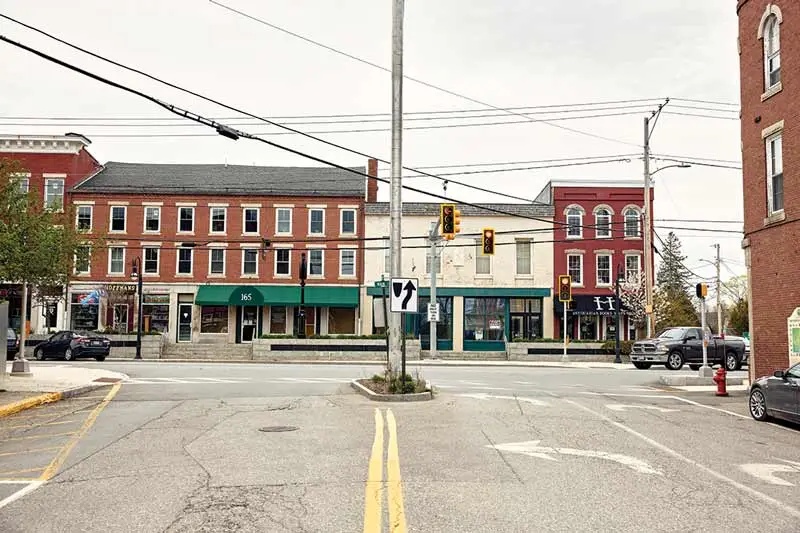
STR Regulations for Thomaston, Maine
Overview: Are Short-Term Rentals Allowed in Thomaston, ME?
Short-term rentals are allowed in Thomaston, Maine. The Maine Legislature has mandated that municipalities establish and enforce short-term rental regulations to achieve statewide housing production goals. While specific city-level regulations for Thomaston were not available in the provided documents, the state requires all municipalities to address short-term rental oversight within their land use ordinances. This regulatory framework creates opportunities for STR investors while ensuring compliance with state housing objectives.
What do Airbnb hosts actually earn in Thomaston?
Thomaston hosts earn a median $19,840/year with $173 ADR and 56% occupancy.
Top performers pull in $28,359+ per year.
See the full Thomaston market breakdownHow to Start a Short-Term Rental Business in Thomaston
Step 1: Understand Regulatory Requirements
Before establishing your STR operation in Thomaston, you must navigate both state mandates and local compliance requirements. Maine's legislative framework requires towns to balance housing availability with community character preservation, creating a structured approach to STR operations.
Step 2: Determine Property Eligibility
Ensure your property meets residential zoning requirements for STR operation. The state mandates that municipalities allow Accessory Dwelling Units (ADUs) and additional dwelling units on lots where residential uses are permitted, expanding potential STR opportunities.
Step 3: Verify Municipal Compliance Timeline
Maine municipalities were required to update their land use ordinances by July 1, 2024, to comply with state housing mandates. Confirm that Thomaston has implemented these required changes and incorporated any STR-specific regulations.
Step 4: Develop Business Operations Plan
Structure your STR business to align with both state housing goals and local community needs. Consider factors such as property management, guest services, and compliance monitoring to ensure sustainable operations.
Required Documents, Permits, Licenses, and Guidelines
State-Level Requirements
Based on Maine's legislative framework and examples from other municipalities, STR operators in Thomaston should anticipate the following requirements:
Registration and Licensing:
- Annual registration with municipal authorities prior to operation
- Payment of annual registration fees (amount varies by municipality; see examples below)
- Completion of application process with supporting documentation
Documentation Requirements:
- Proof of property ownership or legal right to operate
- Property insurance documentation
- Compliance with building and fire safety codes
- Tax registration information for revenue reporting
Inspections and Safety Compliance:
- Fire safety inspection may be required (as seen in South Portland example)
- Compliance with local building codes
- Safety equipment requirements (smoke detectors, fire extinguishers, etc.)
Examples of Maine Municipal Fees
While specific fees for Thomaston were not available, other Maine municipalities provide reference points:
- Bar Harbor: $250 annual registration fee
- Portland: $100-$4,000 annually depending on ownership type and unit count
- South Portland: $200 for hosted, $400 for non-hosted home stays plus $100 fire inspection
- Freeport: $100 annual registration
- Kennebunkport: $325 for 3 bedrooms or less, $475 for 4+ bedrooms
- Falmouth: $300 annual registration
- Cape Elizabeth: $500 annual registration
Specific Regulations for Short-Term Rentals
State-Level Framework
Maine's housing legislation establishes the following requirements for municipalities:
Fair Housing Compliance:
- Local ordinances must "affirmatively further" the purposes of the Fair Housing Act (FHA) and Maine Human Rights Act (MHRA)
- STR regulations must contribute to statewide regional housing production goals
Municipal Obligations:
- Identify municipal role in increasing affordable housing
- Adopt additional density requirements to facilitate affordable housing development
- Allow additional dwelling units on residential lots
- Permit Accessory Dwelling Units on single-family dwelling lots
- Establish and enforce short-term rental regulations
Local Implementation Considerations
Based on examples from other Maine municipalities, Thomaston's regulations may include:
Operational Definitions:
- Short-term rental typically defined as rental periods less than 30 consecutive days
- Compensation requirements for STR classification
- Exclusions for hotels, motels, and bed-and-breakfast establishments
Ownership Categories:
- Primary residence hosted/unhosted STRs
- Non-primary residence STRs
- Accessory dwelling unit STRs
- Corporate or non-local operator restrictions (varies by municipality)
Operational Limits:
- Annual day limits for STR operation
- Maximum number of STRs per property owner
- Geographic restrictions within municipal boundaries
Contact Information for Local Authority
Primary Contacts
Code Enforcement Officer (CEO)
- Email: codeenforcement@souththomaston.me
- Note: This contact is for South Thomaston; verify Thomaston-specific contact information
Town Clerk/Planning Department
- Phone: [Contact town office for current number]
- Email: [Contact town office for current email]
- Website: [Check town website for current information]
State Resources
Maine Office of Policy and Legal Analysis (OPLA)
- Website: legislature.maine.gov
- Note: Provides oversight of housing legislation and municipal compliance
Regulatory Evolution and Compliance Monitoring
Implementation Timeline
Maine municipalities had until July 1, 2024, to implement required housing ordinance changes. STR investors should verify that Thomaston has completed this implementation and understand any transitional requirements for existing or new STR operations.
Ongoing Compliance Requirements
- Annual registration renewals
- Compliance with updated safety standards
- Participation in municipal reporting for housing production goals
- Adherence to any future regulatory modifications
Links to Source Pages
Primary Sources
-
South Thomaston Ordinance Review Information
-
Maine Legislature STR Examples
Additional Research Recommendations
- Contact Thomaston Town Office directly for current STR-specific regulations
- Review Thomaston's updated Land Use Ordinances (post-July 2024)
- Monitor Maine legislature for additional housing-related mandates
- Consult with local legal counsel familiar with Maine municipal STR regulations
Investment Strategy Considerations
Market Positioning
Given Maine's focus on balancing housing availability with community character preservation, successful STR operations in Thomaston should demonstrate compatibility with local housing needs while providing quality tourist accommodations.
Regulatory Risk Management
Stay informed about municipal compliance updates, participate in public hearings regarding STR regulations, and maintain flexibility in business operations to adapt to evolving regulatory requirements.
Community Integration
Consider incorporating features that support local housing objectives, such as longer-term accommodation options during off-peak seasons or partnerships with local housing initiatives, to strengthen community relations and regulatory compliance.
Next step
Found a property in Thomaston?
Paste any address and get estimated revenue, cash-on-cash return, and comparable STR performance in under 5 minutes. 3 free analyses per day.
Free brief
Get the free Thomaston STR Investment Brief
Revenue data, top neighborhoods, seasonal trends, and the key regulations for Thomaston, Maine in one email.
Thomaston
Market Saturation Score
Photos of Thomaston

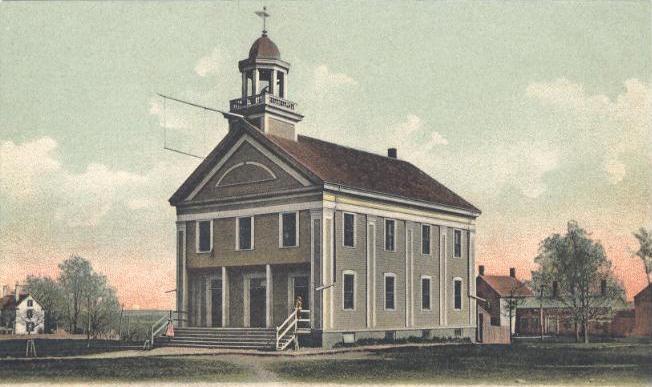

Overview of Thomaston
Thomaston is a small coastal town in Knox County, Maine, with a population of roughly 2,800 residents. Set along the tidal waters of the St. George and Weskeag Rivers, it carries the quiet, hard-working character of a traditional New England shipbuilding and lime-producing community turned bedroom town for the busier Midcoast hubs. The town is best known today as the historic home of Revolutionary War general Henry Knox and as a convenient, affordable base for visitors exploring Penobscot Bay, Rockland, and Camden. It lies about 80 miles northeast of Portland, Maine, and roughly 180 miles north of Boston, with Atlantic coastal scenery, working harbors, and island views within easy reach.
Just a few minutes from the town center, the General Henry Knox Museum, also known as Montpelier, preserves the restored mansion and surrounding landscape of the nation's first Secretary of War. Visitors can tour the 1794-era home, walk the grounds of what was once a substantial estate, and learn about Knox's life in the early republic. The site offers a calm, reflective counterpoint to the more maritime attractions along the coast and gives travelers a tangible connection to early American history.
A short drive east brings guests to Rockland, the cultural anchor of the Midcoast and only about ten minutes from Thomaston. The harbor town is home to the Farnsworth Art Museum, a bustling working waterfront, and a calendar of summer events that draw visitors from across the region. From Rockland, the Owls Head Light station, perched on a small peninsula, offers classic Maine lighthouse views and a gentle coastal walk, all within roughly twenty minutes of Thomaston.
For outdoor recreation, Camden Hills State Park sits about twenty minutes northeast, with hiking trails climbing to viewpoints overlooking Penobscot Bay and the surrounding islands. Mount Battie's summit is the most popular objective, rewarding visitors with sweeping vistas that easily justify a half-day trip from any rental in the Thomaston area.
Thomaston appeals to short-term rental investors because it sits at the intersection of authenticity and convenience. The town offers small-town Maine character, historic significance, and riverside scenery at price points well below those of Camden or Rockport, while still placing guests within minutes of lighthouses, art museums, harbor cruises, and coastal state parks. For travelers seeking a quieter, more residential base from which to explore the Midcoast, Thomaston offers genuine value without sacrificing access to the region's marquee attractions.
Want to know if a property in Thomaston is a good investment?
Enter an address to get instant revenue potential and comps.