
Truro, Massachusetts
Want to see how Truro compares to other top cities in Massachusetts? Explore all city regulations in Massachusetts. →
Truro, MA
Generally Investor Friendly
STR Regulations for Truro, Massachusetts
Overview: Are Short-Term Rentals Allowed in Truro, MA?
Short-term rentals ARE allowed in Truro, MA, but they are heavily regulated through a mandatory Certificate of Registration program. Short-term rentals are defined as properties rented for 31 days or less. Any residential rental property operating for 120 days or less requires a permit. The town has implemented a comprehensive regulatory framework that includes annual permit renewals, specific occupancy limits, record-keeping requirements, and significant compliance obligations.
Truro has seen substantial growth in short-term rentals, with 459 registered units last season according to town officials. However, the municipality is considering additional restrictions through proposed bylaw changes that would limit the number of short-term rentals any individual can own and potentially ban fractional ownership arrangements.
What do Airbnb hosts actually earn in Truro?
Truro hosts earn a median $32,597/year with $382 ADR and 63% occupancy.
Top performers pull in $50,832+ per year.
See the full Truro market breakdownHow to Start a Short-Term Rental Business in Truro
Starting a short-term rental business in Truro requires navigating a multi-step regulatory process:
Step 1: Understand Eligibility and Limitations
- Corporate entities may face restrictions under proposed bylaws (currently under consideration)
- Individual ownership limit: Proposed regulations suggest capping at 2 short-term rentals per owner, with grandfathering provisions for existing operators
- Fractional ownership arrangements may be prohibited (proposed regulation under consideration)
Step 2: Apply for Certificate of Registration
- Annual fee: $450 per unit (approved March 4, 2025)
- Renewal deadline: Must be renewed annually by May 1st
- Application process: Submit through the town's online portal at Apply for a Rental Permit
- Application completion: Applications will be closed after 30 days if incomplete
Step 3: Secure Required Documentation and Insurance
- Liability insurance: Minimum $1 million per claim coverage required
- Local Designated Person: Identify someone available 24/7 who can respond within 6 hours to address issues
- Property compliance: Ensure compliance with all federal, state, and local laws including building, health, and fire codes
Step 4: Prepare for Ongoing Operations
- Record maintenance: Keep detailed records for at least 3 years
- Reporting: Submit biannual electronic reports to the Select Board
- Tax compliance: Collect and remit the 14.45% occupancy tax plus applicable fees
Required Documents, Permits, Licenses, and Guidelines
Primary Permits and Licenses
- Certificate of Registration (required annually by May 1st)
- MassTaxConnect Certificate of Registration (Massachusetts Department of Revenue)
- Certificate of Good Standing from Massachusetts Department of Revenue
- Liability Insurance Certificate (minimum $1 million coverage)
Required Documentation
-
Ownership Information:
- Legal ownership structure
- Mailing address and contact information
- Authorization from owner if applicant is not the property owner
- Attestation regarding deed restrictions or covenants
-
Property Description:
- Property address
- Square footage (per Truro Assessor records)
- Number of bedrooms, bathrooms, and parking spaces
-
Operational Details:
- Local Designated Person contact information
- Proof of compliance with federal, state, and local laws
- Evidence of current payment of all Town taxes, water, and sewage charges
-
Special Requirements:
- Water test: Required if using a private well (must be done within the past year)
- Emergency information: Emergency exit diagrams posted in all bedrooms and egress points
- Waste disposal instructions: Must be provided to renters
Tax and Fee Requirements
- Massachusetts Short-Term Rental Occupancy Tax: 14.45% total
- 5.7% state tax
- 6.0% local tax
- 2.75% Cape Cod and Islands Water Protection Fund Tax
- Community Impact Fee: Additional 3% for "professionally managed" units (applies to owners with 2+ units in Truro)
Specific Regulations for Short-Term Rentals
Occupancy and Use Limitations
- Maximum occupancy: 2 people per bedroom plus 2 additional people per unit
- Noise and lighting: Must comply with Town's noise and lighting bylaws
- Parking: Cannot create public health/safety issues or undue traffic congestion
- Use restrictions: Must comply with all applicable building, health, sanitary, zoning, and fire codes
Advertising Requirements
- All advertisements (online and print) must include the Operator's Certificate of Registration number
- Advertisements must be consistent with information provided in the application
- Rental solicitations must include maximum occupancy and vehicle limits
- Must disclose policy regarding parties, events, and weddings
- Must indicate whether unit is under professional management
Operational Requirements for Renters
Operators must provide renters with:
- Certificate of Registration copy
- Maximum occupancy and vehicle limits
- Policy regarding parties, events, and weddings
- Professional management status
- Contact information for Operator and Local Designated Person
- Emergency exit diagrams (must also be posted on-premises)
- Waste disposal and recycling instructions (trash must be removed at each turnover or weekly, whichever comes first)
Record-Keeping and Reporting Obligations
- Duration: Maintain records for at least 3 years
- Required information: Type of rental (room, apartment, whole house), dates and number of nights stayed
- Income records: Must maintain records of rental income
- Tax compliance: Keep evidence that Room Occupancy Tax has been remitted
- Biannual reports: Submit electronic reports every 6 months including listing locations, rental types, occupancy nights, and contact information
Inspection and Enforcement
- Right of inspection: Subject to inspection by Select Board or agent
- Inspection timing: With reasonable notice via consent or administrative warrant, or without notice if imminent threat to public health/safety exists
- Enforcement actions:
- First offense: Warning letter possible
- Subsequent violations: Fines and civil penalties per Section 2-1-5 of Truro General Bylaws
- Multiple violations: Certificate suspension or revocation, with non-renewal possible for up to 3 years
Proposed Additional Restrictions (Under Consideration)
As of March 2024, Truro is considering several additional regulations:
- Corporate ownership ban: Prohibit corporations from holding short-term rental certificates
- Entity disclosure: LLCs, S corporations, and trusts must disclose all human owners
- Per-owner cap: Limit number of short-term rentals to 2 per owner (with grandfathering for existing operators)
- Fractional ownership ban: Prohibit fractional ownership arrangements where ownership shares are sold to strangers
Contact Information for Local Authority
Primary Contacts
Housing Coordinator - Katie Halvorsen
- Email: kchalvorsen@truro-ma.gov
- Phone: 508-214-0161
- Role: Primary contact for short-term rental permits and regulations
General Contact Information
- Phone: 508-349-7004
- Address:
- Town Hall
- 24 Town Hall Road
- P.O. Box 2030
- Truro, MA 02666
- Email: rao@truro-ma.gov
Office Hours
- Monday: Remote Office Hours, 8 am to 4 pm
- Tuesday-Friday: In-Person Office Hours, 8 am to 4 pm
Enforcement and Complaints
24/7 Complaint Tip Hotline
- Toll-free number: 1-855-451-7636
- Online complaint form: Submit online here
- Note: This is NOT for emergencies; dial 911 for Police and Fire
Technical Support
Harmari Customer Service (for registration portal issues)
- Phone: 877-352-3277, ext. 5
Source Pages
- Town of Truro Residential Property Rental Permits
- Short-Term Rental Regulations (Contingent on Town Meeting Approval)
- Provincetown Independent: "Truro and Eastham May Limit Short-Term Rentals"
- Town of Truro Charter, Bylaws & Regulations
Important Disclaimers for Investors
Regulatory Uncertainty: The proposed bylaw changes (corporate ownership restrictions, per-owner caps, fractional ownership bans) are still under consideration and may be modified before Town Meeting approval. Investors should monitor these developments closely.
Compliance Risk: Truro has implemented aggressive enforcement mechanisms including third-party monitoring services that can identify unregistered properties. The town reported finding 27 unregistered short-term rentals through such services.
Market Context: Truro has been identified as a "rental desert" with only 15% of occupied housing stock being rental units and only 5% of total housing units occupied by renters. The municipality is actively working to address concerns about housing availability for year-round residents.
Financial Considerations: In addition to the $450 annual permit fee and insurance costs, operators must factor in the 14.45% occupancy tax and potential 3% community impact fee for professionally managed properties.
Investors should consult with local legal and tax professionals to ensure full compliance with all applicable regulations before proceeding with any short-term rental investments in Truro.
Next step
Found a property in Truro?
Paste any address and get estimated revenue, cash-on-cash return, and comparable STR performance in under 5 minutes. 3 free analyses per day.
Free brief
Get the free Truro STR Investment Brief
Revenue data, top neighborhoods, seasonal trends, and the key regulations for Truro, Massachusetts in one email.
Truro
Market Saturation Score
Photos of Truro


Overview of Truro
Truro is a small coastal town on the outer reaches of Cape Cod, set in Barnstable County, Massachusetts, with a year-round population of roughly two thousand residents. It sits between Wellfleet to the south and Provincetown to the north, occupying a quiet stretch of dunes, salt marsh, and pine forest that gives the Outer Cape its distinctive, low-key character. Known for its sweeping Atlantic beaches, unspoiled landscapes, and a long artistic heritage, Truro functions as a gateway to both Provincetown and the Cape Cod National Seashore. Boston lies about 70 miles to the west and southwest, a drive of roughly an hour and forty-five minutes depending on season and traffic, while Provincetown is just ten miles up Route 6.
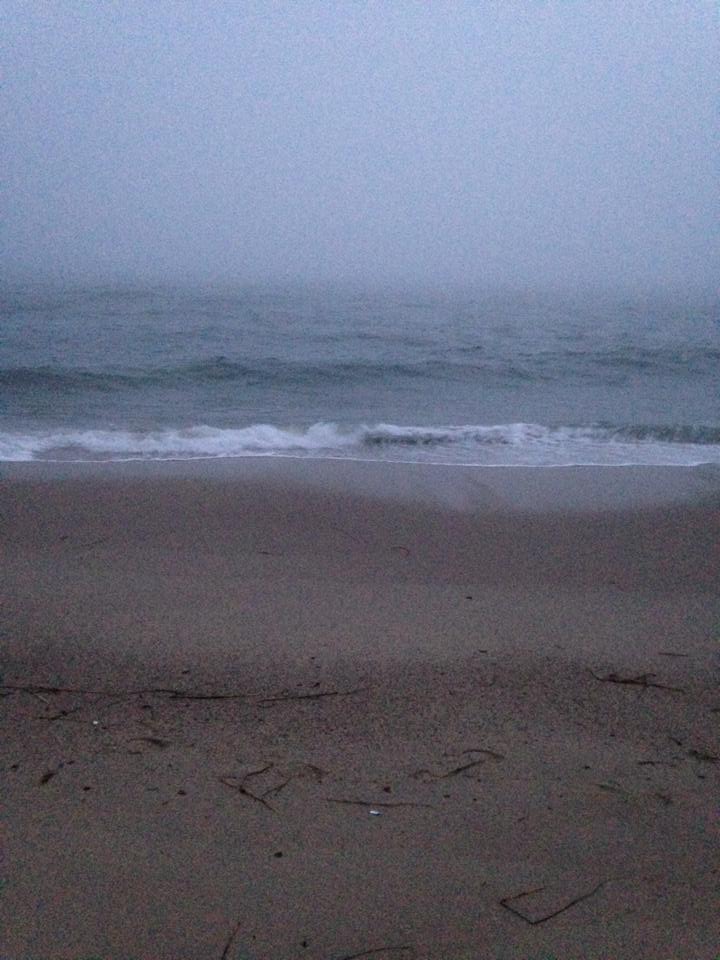
A large portion of Truro's shoreline is part of the Cape Cod National Seashore, the protected stretch of beach, dune, and wetland that defines the Outer Cape. Within the town's borders, the Seashore includes well-known swimming and surfing beaches such as Ballston Beach and Corn Hill Beach, along with extensive trails for hiking and wildlife watching. Visitors can easily walk from quiet residential roads straight onto miles of open Atlantic coastline, and the Seashore's salt ponds and kettle holes make the area especially appealing for birders and nature lovers. The drive to almost any Truro beach from the town center is just a few minutes.
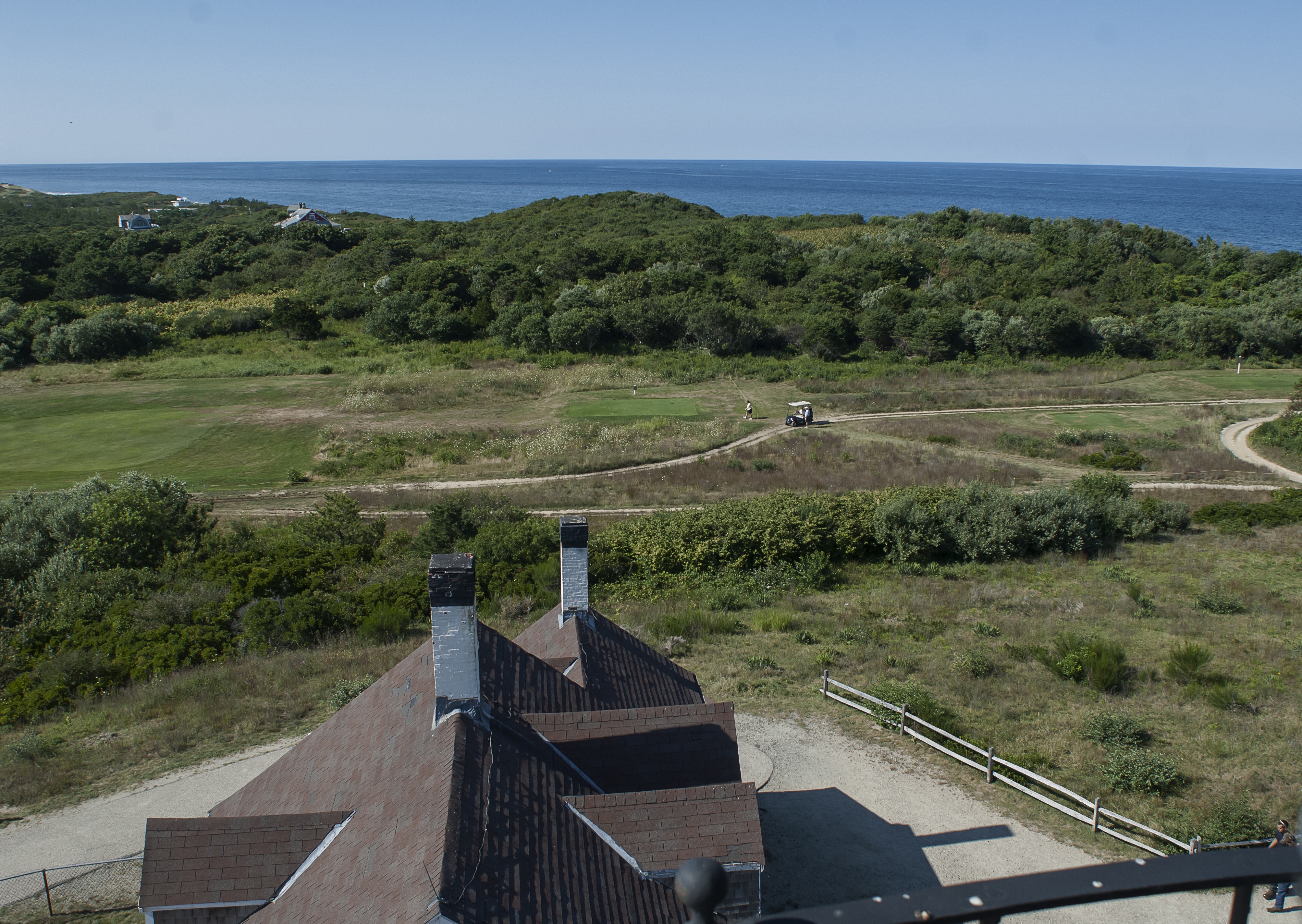
In North Truro, Highland Light rises above the bluffs on the eastern shore. It is the oldest lighthouse on Cape Cod and one of the oldest in the country, with roots going back to the late eighteenth century. The site is owned by the National Park Service and is open seasonally for climbing, with a museum in the adjacent keeper's house and easy walking paths to the top of the cliff. The bluff itself has been steadily retreating, making the lighthouse both a scenic viewpoint and a quiet reminder of the Atlantic's power along this coast.
Just inland, Truro Vineyards offers a different pace, with a working farm, tasting room, and a lineup of wines made on site from estate-grown and other Massachusetts grapes. It is a popular stop for visitors exploring the back roads of the Outer Cape and adds a relaxed, agricultural counterpoint to the beach-going experience.
Truro's appeal for short-term rentals lies in its combination of natural beauty, minimal commercial development, and proximity to Provincetown and the broader Cape Cod National Seashore. Guests can base themselves in a quiet, beachy setting while remaining within a short drive of the region's best-known attractions, making the town a particularly attractive option for travelers seeking the Cape's classic coastal experience without the crowds of the busier mid-Cape towns.
Want to know if a property in Truro is a good investment?
Enter an address to get instant revenue potential and comps.