
Bridgewater, Massachusetts
Want to see how Bridgewater compares to other top cities in Massachusetts? Explore all city regulations in Massachusetts. →
Bridgewater, MA
Generally Investor Friendly
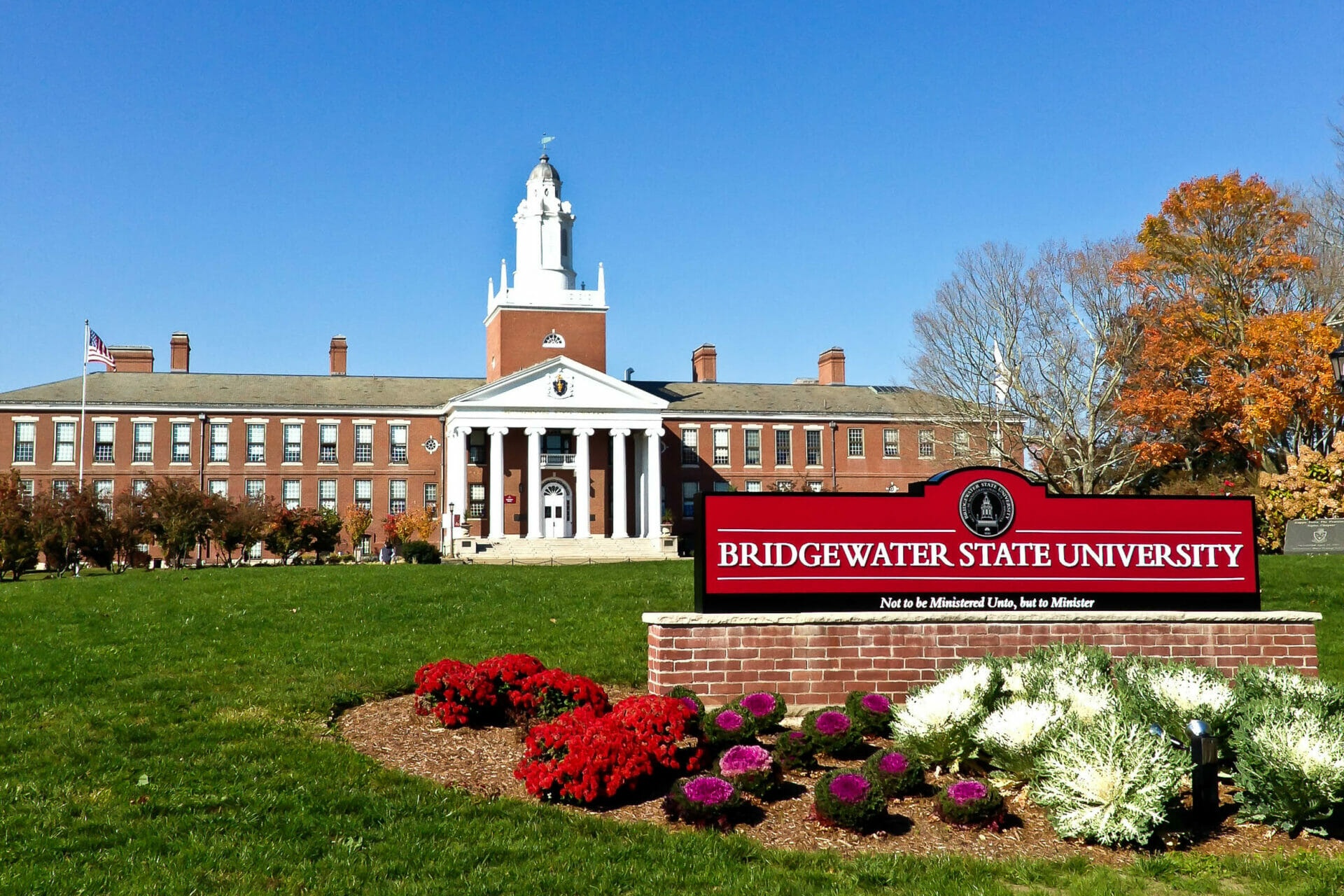
STR Regulations for Bridgewater, Massachusetts
Bridgewater, Massachusetts Short-Term Rental Regulatory Guide for Investors
Overview: Are Short-Term Rentals Allowed in Bridgewater, MA? Yes—short-term rentals are permitted in Bridgewater as residential accessory uses, subject to state registration and local zoning. The path to compliance depends on whether your operation fits the definition of a traditional “home occupation” (owner-occupied, minimal guest volume) or a Bed & Breakfast. For operations that functionally operate as a lodging business (advertised units, multiple rooms to transient guests, or non-owner-occupied situations), the applicable zoning track is Bed & Breakfast via a special permit. The Town enforces zoning through its Building Commissioner and issues special permits through the Planning Board (SPGA for Bed & Breakfast).
All short-term rental operators must also meet Massachusetts state registration and tax obligations under M.G.L. c. 64G (the Short-Term Rental Act). Local zoning may be more restrictive than state law and therefore will control where and how a unit may be operated.
How to Start a Short-Term Rental Business in Bridgewater
- Confirm zoning eligibility:
- Owner-occupied accessory lodging: In a single-family dwelling, renting rooms and/or furnishing board to not more than two persons by the owner/occupant is permitted as an accessory use. This model is best suited to very small-scale operations.
- Bed & Breakfast: If you intend to host transient paying guests in sleeping rooms (for example, three or more paying guests per stay, multiple rooms rented, or a lodging-business configuration), your use is a Bed & Breakfast and requires a special permit issued by the Planning Board.
- Choose a compliant property:
- Bridgewater is divided into Residential, Business, Central Business, South Business, Gateway, and Industrial districts. Residential accessory uses (including Bed & Breakfast via special permit) can occur in Residential districts. In Business or Industrial districts, lodging uses must meet their underlying zoning standards and special permits if applicable.
- Determine whether a Building Permit is needed:
- A Building Permit is required for new construction, additions, and significant interior work. Work that changes occupancy, structural elements, egress, fire protection, or layout should be reviewed by the Building Commissioner before you commence.
- For Bed & Breakfast operations:
- Submit a special permit application to the Planning Board (the SPGA). Include site plan materials and any as-built plan as required. The Board may impose conditions (parking, open space, signage, hours, etc.). See Section 8.4 in the Zoning Ordinance.
- Meet state registration and tax requirements:
- Register as a short-term rental with the Massachusetts Department of Revenue under M.G.L. c. 64G.
- Collect and remit the state room occupancy tax and applicable local option taxes.
- Operational compliance:
- Parking: Provide the number of parking spaces required by zoning based on use classification (see the “Parking” section below).
- Open space (for Bed & Breakfast): Maintain at least 20 feet of open space along each side, rear, and front lot line, except for approved driveways. Maintain at least 30% of the lot as open space.
- Fire and building code: Ensure compliance with the State Building Code and local fire safety requirements for any transient lodging use. Occupancy limits, egress routes, smoke detection/carbon monoxide systems, and posted egress plans are typically required. Confirm requirements with the Building Commissioner and Fire Department.
- Address and signage: Provide a clearly visible address at the building entrance (per state fire code standards). Bed & Breakfast signage is controlled by the Sign section and the special permit. Home-occupation rules limit exterior indicators (including signage).
- Advertising:
- Listings should include your STR registration number (required by state law) and reflect actual occupancy limits, parking, and access conditions approved by the Town.
Required Documents, Permits, Licenses, and Guidelines Local (Town of Bridgewater)
- Special Permit (Planning Board) for Bed & Breakfast operations (Section 8.4).
- Building Permit (Building Commissioner) where alterations, additions, occupancy changes, or structural work are proposed (Section 10.1).
- Plot Plan (Section 10.1.3) required with building permits.
- Site Plan Approval and Performance Standards (Sections 6.3 and 10.6) for larger projects, nonresidential/mixed-use, or significant parking modifications. The Planning Board may require an escrow under G.L. c. 44, § 53G for peer review costs (Section 6.3.2).
- As-Built Plan for Bed & Breakfast developments (Section 8.4.5) certified by a registered professional land surveyor or engineer, submitted prior to a permanent occupancy permit.
State of Massachusetts
- STR registration number under M.G.L. c. 64G (with the Department of Revenue).
- State room occupancy tax filings and local option tax remittances (per DOR instructions).
- State Building Code and fire safety compliance (confirm with local Building and Fire Departments).
- ADA considerations where applicable.
Operational Rules and Zoning Standards
- Accessory Lodging (owner-occupied, two boarders maximum):
- Permitted accessory use in single-family dwellings (Section 3.3.3).
- Must remain clearly incidental and secondary to residential use (Section 3.4.1).
- Home-occupation rules prohibit exterior storage of materials/equipment and require no exterior indication of the use (Section 3.4.1).
- Bed & Breakfast (special permit required):
- Must obtain a special permit from the Planning Board (Section 8.4).
- Open-space requirements: 20-foot continuous open space along side, rear, and front lot lines (except driveways), and at least 30% of the lot maintained as open space (Section 7.3.4).
- Habitable space: Each rental unit must contain not less than 200 square feet of habitable floor area (Section 7.3.3).
- Driveways: No more than two driveways per abutting street, meeting sight distance and dimensional standards (Section 7.3.4).
Parking
- Parking requirements are determined by use class and the Table of Use Regulations. Key benchmarks include:
- Hotels/Lodging uses (code P): One (1) space per sleeping unit, plus one (1) space for each employee on the largest shift.
- Multifamily uses (code B): Two (2) spaces per dwelling unit.
- Parking facility dimensions and aisle geometry are specified in Section 6.1 (minimum stall widths, depths, and aisle widths). Design must ensure adequate interior circulation and safe pedestrian access.
- In nonresidential or multifamily projects requiring special permits or site plan review, the Planning Board may reduce parking where a Transportation Demand Management (TDM) plan justifies demand reduction (Section 6.3.3.D). The Board may require pedestrian/bicycle accommodations and traffic mitigation.
Signs
- Residential districts: Strict limits. Signs are limited to identification (e.g., occupant name, street number) and small announcement boards for nonresidential uses. No neon or illuminated tube signs. Lighting must be steady and hooded to avoid glare or overspill; illumination is not permitted after 11:00 p.m. (Section 6.2.2).
- Business/Industrial districts: Signs must identify occupants or services available on the premises. Additional conditions apply to temporary political/event signs (Town Council approval), freestanding signs, and illuminated signs. Electronic changing messages are allowed only by special permit (Section 6.2.5).
- Bed & Breakfast signage is subject to these rules and any conditions imposed in the special permit.
Noise, Lighting, and Performance Standards
- Noise: Conditions can be imposed in special permits regarding hours of operation and construction noise. In general, no person may operate any source of sound that creates a level of 10 dBA above ambient at the property boundary (Section 6.3.3.B). Construction hours and equipment operation are controlled to minimize impacts.
- Lighting: Outdoor lighting must be shielded to prevent glare and trespass and comply with dark-sky principles. Lighting should be the minimum intensity needed and, unless necessary for safety/security, should be extinguished 30 minutes after close of business. Searchlight/laser advertising is prohibited without time-limited special permit (Section 6.3.3.A).
- Performance Standards: The Town may impose conditions related to site development, landscaping/screening, traffic management, utilities, emergency systems, and fiscal impacts (Section 6.3). The SPGA or Planning Board may require escrow accounts for technical review.
Nonconforming Uses and Structures
- Existing lawful uses or structures that predate the ordinance or a relevant amendment are treated as nonconforming. Alterations that substantially extend or change use/structure may require relief (Sections 5.2–5.5). The Zoning Board of Appeals (ZBA) handles special permits to modify nonconforming uses/structures in certain cases. Abandonment or non-use for two years may cause loss of protected status (Section 5.6).
Use Classifications and Permit Authorities
- Accessory lodging by owner-occupant (two boarders): Allowed by right as an accessory use. Operate as a home occupation (no exterior indicators, no exterior storage, no nonresident employees).
- Bed & Breakfast: Requires special permit from the Planning Board.
- Hotels/motels: Permitted in specified districts subject to dimensional, open space, and parking requirements; special permits may be required in certain contexts.
Specific Regulations at City, County, and State Levels City of Bridgewater
- Zoning Ordinance (July 2022):
- Sections 3.3 (Accessory Uses), 3.4 (Home Occupations), 8.4 (Bed & Breakfast).
- Section 6.1 (Parking and Loading) and Section 6.2 (Signs).
- Section 7.3 (Hotels and Motels).
- Section 10 (Administration and Enforcement), including Building Permits and Special Permit procedures.
- Overlay Districts (Section 9) may apply depending on site location (e.g., Flood Plain Overlay District (FPOD), Aquifer Protection Overlay District (APOD), Bedford Street Overlay District (BSOD)). Overlay rules can restrict certain uses or impose additional standards.
County: Plymouth County
- County government does not directly regulate short-term rentals. Municipal zoning, building, and health codes control land use and structures.
State of Massachusetts
- M.G.L. c. 64G (Short-Term Rental Act): Requires state registration (certificate number), occupancy taxes, advertising disclosures, and compliance with fire safety codes. Short-term rental taxes must be collected and remitted to the Department of Revenue.
- State Building Code: Governs life-safety, egress, occupancy classifications, and construction standards. Transient lodging must meet code requirements as verified by the local Building Commissioner.
- Environmental and health regulations (e.g., wastewater disposal, potable water, and soil percolation) are coordinated through the local Board of Health and may affect siting and approvals.
Local Contact Information Bridgewater Building Commissioner (Building/Code Enforcement)
- Address: Town Hall, 24 South Main Street, Bridgewater, MA 02324
- Phone: (508) 697-0919 (Building Department)
- Email: building@bridgewaterma.org
- Website: www.bridgewaterma.org
Bridgewater Planning Board (Special Permit Granting Authority for Bed & Breakfast)
- Address: Town Hall, 24 South Main Street, Bridgewater, MA 02324
- Phone: (508) 697-0922 (Planning/Zoning)
- Email: planning@bridgewaterma.org
- Website: www.bridgewaterma.org
Bridgewater Town Clerk (Zoning Map, records)
- Address: Town Hall, 24 South Main Street, Bridgewater, MA 02324
- Phone: (508) 697-0921 (Town Clerk’s Office)
- Email: clerk@bridgewaterma.org
- Website: www.bridgewaterma.org
Massachusetts Department of Revenue (Short-Term Rental Registration and Taxes)
- Phone: (617) 887-6367 (Customer Service)
- Website: www.mass.gov/dor
- Short-Term Rental Program information and forms: www.mass.gov/service-details/short-term-rental
Important Notes for Investors
- Bed & Breakfast is the appropriate zoning pathway for any transient lodging business (multiple rooms, advertised sleeping units, or non-owner-occupied operations). You must secure a special permit from the Planning Board and satisfy dimensional, open-space, parking, and fire-safety standards.
- Even if the state allows short-term rentals, local zoning can be more restrictive. Confirm use classification (accessory lodging vs. Bed & Breakfast) before investing or listing a unit.
- The Table of Use Regulations (Appendix A) governs permitted and special-permit uses across zoning districts. The Table of Dimensional Requirements (Appendix B) controls lot coverage, setbacks, and building height. Where the Table explicitly lists Bed & Breakfast as a special permit in Residential districts, that is the controlling rule for transient lodging operations.
- The Building Commissioner enforces zoning and building codes and issues building permits. Ensure a plan review and permit before significant interior work, occupancy changes, or structural alterations.
Source Links
- Bridgewater Zoning Ordinance (Final – July 2022): www.bridgewaterma.org/DocumentCenter/View/4846/Final-Zoning-Ordinance-July-2022
This guide is intended to orient investors to Bridgewater’s zoning and permit requirements for short-term rentals. Before initiating a project, consult with the Planning Board and Building Commissioner to confirm classification, permitting, and operational
What do Airbnb hosts actually earn in Bridgewater?
Bridgewater hosts earn a median $39,730/year with $190 ADR and 44% occupancy.
Top performers pull in $40,962+ per year.
See the full Bridgewater market breakdownNext step
Found a property in Bridgewater?
Paste any address and get estimated revenue, cash-on-cash return, and comparable STR performance in under 5 minutes. 3 free analyses per day.
Free brief
Get the free Bridgewater STR Investment Brief
Revenue data, top neighborhoods, seasonal trends, and the key regulations for Bridgewater, Massachusetts in one email.
Bridgewater
Market Saturation Score
Photos of Bridgewater


Overview of Bridgewater
Bridgewater is a town in Plymouth County, Massachusetts, with a population of approximately 28,000 residents. It carries the quiet, tree-lined character of small-town New England, anchored by Bridgewater State University, one of the Commonwealth's oldest public universities, and surrounded by rivers, ponds, and wooded conservation land. The town sits roughly 30 miles south of Boston, placing it within easy reach of the city while serving as a convenient gateway to the South Shore, the Plymouth waterfront, and the outer reaches of Cape Cod.
A short drive southeast brings visitors to Plymouth, the historic coastal town where the Mayflower landed in 1620. Plymouth offers Plimoth Patuxet Museums, the Pilgrim Monument, and a working harbor along the bay, making it one of the region's most visited cultural destinations. From Bridgewater, the journey is about 15 to 20 miles via Route 44 and Route 3, making it an easy day trip or a worthwhile overnight detour for travelers interested in early American history.
Within Bridgewater itself, Lake Nippenicket and the surrounding conservation lands provide a peaceful natural escape for kayaking, fishing, and walking. The lake and adjacent town forests draw locals and visitors looking for low-key outdoor recreation away from busier South Shore beaches. The area is also threaded by the Nemasket River, a tributary of the Taunton River that winds through town and offers additional opportunities for paddling and riverside strolls.
A bit farther afield, D.W. Field Park in nearby Brockton provides roughly seven hundred acres of parkland with walking paths, ponds, and a historic stone bridge that is popular with families and casual hikers. It sits just a few miles north of Bridgewater, making it a convenient addition to a day spent exploring the local area. The South Shore's beaches along the coast of Plymouth and Kingston are also reachable in under an hour, broadening the range of outdoor experiences available to short-term rental guests.
Bridgewater's appeal as a short-term rental base lies in its balance of small-town calm and regional accessibility. Travelers who stay here can spend a morning walking along the Nemasket, an afternoon exploring Plymouth's living history museums, and an evening back in Boston or along the coast, all without the premium pricing and congestion of staying directly in the city or on the Cape. The combination of an established university, quiet residential streets, and proximity to some of southeastern Massachusetts' most recognizable destinations makes Bridgewater a quietly versatile spot for visitors looking to explore the area at their own pace.
Want to know if a property in Bridgewater is a good investment?
Enter an address to get instant revenue potential and comps.