
Berkshire, Massachusetts
Want to see how Berkshire compares to other top cities in Massachusetts? Explore all city regulations in Massachusetts. →
Berkshire, MA
Challenging To Investors
Local STR Agent
Local STR Agent
STR Regulations for Berkshire, Massachusetts
Overview: Are Short-Term Rentals Allowed in Berkshire, MA?
Yes, short-term rentals are allowed in Berkshire, Massachusetts, but they are extensively regulated at both the state and local levels. The Commonwealth enacted a comprehensive regulatory framework in 2018 (Chapter 337 of the Acts of 2018) that requires registration, taxation, insurance, and safety compliance. Individual municipalities have adopted additional ordinances and bylaws that may further restrict operations, impose additional requirements, and establish local taxation options.
As of January 2023, Berkshire County had 1,891 registered short-term rental operators, representing nearly 3% of the region's housing units. Approximately 15 of the county's 32 cities and towns have adopted local option taxes between 4% and 6%, with three communities implementing community impact fees of 3%.
What do Airbnb hosts actually earn in Berkshire?
Berkshire hosts earn a median $34,223/year with $303 ADR and 47% occupancy.
Top performers pull in $52,424+ per year.
See the full Berkshire market breakdownHow to Start a Short-Term Rental Business in Berkshire, MA
Step 1: State-Level Registration and Compliance
All short-term rental properties must be registered with the Commonwealth of Massachusetts through the Executive Office of Housing and Economic Development and the Massachusetts Department of Revenue. The state registry is available online at the Massachusetts Department of Revenue website. Registration is required for any rental of 31 days or less, and the registry search functionality allows verification of existing registrations.
Step 2: Insurance Requirements
Operators must carry no less than $1 million in liability coverage for each stay, unless the hosting platform provides equal or greater coverage. This insurance must defend and indemnify the operator, tenants, and building owners for bodily injury and property damage arising from the short-term rental.
Step 3: Safety Compliance
Properties must post conspicuous information about the location of fire extinguishers, gas shut-off valves, fire exits, and fire alarms. Additionally, properties must contain:
- Smoke detectors
- Carbon monoxide alarms
- A properly maintained and charged multi-purpose fire extinguisher
Step 4: Tax Registration and Collection
Operators must collect and remit both state and applicable local taxes:
- State tax: 5.7% of rental charges
- Local option tax: Up to 6% (adopted by individual municipalities)
- Community impact fee: Up to 3% (available only if local option tax is adopted)
Step 5: Local Compliance
Research and comply with city or town-specific regulations, which may include:
- Additional permits or licenses
- Local registration requirements
- Zoning compliance
- Safety inspections
- Operational restrictions (rental day limits, occupancy caps)
Required Documents, Permits, Licenses, and Guidelines
State-Level Requirements:
- Certificate of Registration with the Massachusetts Department of Revenue
- Liability Insurance ($1 million minimum or platform coverage)
- Safety Information Posting (fire safety locations and instructions)
- Tax Registration and remittance procedures
Municipal Requirements (Vary by Location):
- Local Registration/Permit (required in most municipalities)
- Building/Fire/Health Inspections (frequency varies by jurisdiction)
- Compliance with Municipal Safety Standards
- Adherence to Local Zoning Bylaws
Documentation to Post in Unit:
- Certificate of registration
- Short-term rental street address
- Contact information for operator and emergency contacts
- Instructions for recycling and waste disposal
- Safety equipment locations and usage information
- Noise restrictions and quiet hours rules
Professional Documentation Needs:
- Operating procedures manual
- Guest rules and regulations
- Emergency contact protocols
- Insurance policy documentation
- Tax records and remittance documentation
Specific Regulations: City, County, and State Level
State-Level Regulations (Massachusetts):
Registration and Definitions:
- Short-term rentals defined as rentals of 31 days or less
- All properties must register with state
- State registry online with property address display
- No statewide inspection requirement mandated
Tax Structure:
- State tax: 5.7%
- Local option: Up to 6%
- Community impact fee: Up to 3% (requires local option adoption)
- Community must direct 35% of impact fee to affordable housing or infrastructure
Insurance Requirements:
- $1 million liability coverage per stay minimum
- Must defend and indemnify all parties
- Platform insurance may satisfy requirement if equal or greater coverage
County-Level Trends (Berkshire County):
Adoption Status:
- 1,891 registered operators as of January 2023
- 15 of 32 municipalities adopted local option taxes
- 3 communities implemented community impact fees
- Varied local regulation approaches across the county
Municipal-Level Examples:
Great Barrington:
- Owner registration with town required
- One short-term rental limit per owner
- Maximum two rooms rentable
- Owner-occupied properties: unlimited rental days
- Non-owner occupied: 150-day annual limit
- Corporation ownership prohibited
- $100-$300 fine structure for violations
- Noise restrictions after 8 PM
- Safety equipment requirements
Lenox:
- Current zoning allows 75 days by right annually
- Special permit allows up to 110 days annually
- New proposed bylaw includes:
- Sprinkler system requirements for properties established after October 17, 2017
- Annual inspections for non-owner occupied properties
- Five-year inspection cycle for owner-occupied properties
- Monitored fire alarm systems for non-owner occupied properties
- Quiet hours enforcement
- Registration and fee requirements
Pittsfield (Newly Adopted 2025):
- 150-day annual rental cap
- Registration and vetting required
- Multi-department enforcement (building, police, fire, health)
- Licensing board hearing process for violations
- Definition of STR as 30 consecutive days or less
Contact Information for Local Authority
Berkshire Regional Planning Commission
Address: 1 Fenn Street, Suite 201, Pittsfield, MA 01201
Phone: 413.442.1521
Website: www.berkshireplanning.org
Contact Person: Thomas Matuszko, Executive Director
Email: tmatuszko@berkshireplanning.org
Phone Extension: 413.442.1521 x34
Massachusetts Department of Revenue
Website: www.mass.gov (Room Occupancy Excise Tax section) Registry Search: Available through Massachusetts Department of Revenue online portal
Municipal Contacts (Selected Examples):
Great Barrington:
- Town Hall: Contact through Great Barrington town website
- Building Inspector/Health Department for inspections
Lenox:
- Land Use Director/Town Planner: Eammon Coughlin
Email: ecoughlin@townoflenox.com - Town Hall: Contact through townoflenox.com
- Select Board: Public hearing process for bylaw updates
Pittsfield:
- City Planner: Kevin Rayner
- Building Commissioner: Zoning and licensing enforcement
- Licensing Board: License revocation hearings
- City Council: Ordinance questions and process
Links to Source Pages
Primary Regulatory Documents:
- Berkshire Regional Planning Commission STR Toolkit: berkshireplanning.org/wp-content/uploads/2023/07/Toolkit-2023-Short-Term-Rentals-revised.pdf
- Massachusetts Chapter 337 of the Acts of 2018: berkshireplanning.org/wp-content/uploads/program_documents/brpc_initiative/short-term-rentals/default/Ch.337-Acts-of-2018_.pdf
- BRPC Short-Term Rental Initiative Page: berkshireplanning.org/initiatives/short-term-rentals/
Municipal Resources:
- Lenox Draft STR General Bylaw 2025: www.townoflenox.com/sites/g/files/vyhlif3341/f/news/draft_lenox_str_general_bylaw_2025.pdf
State Resources:
- Massachusetts Room Occupancy Excise Tax Information: www.mass.gov/info-details/room-occupancy-excise-tax
- Massachusetts State Building Code: www.mass.gov/massachusetts-state-building-code-780-cmr
Additional Resources:
- BerkshireRealtors STR Information: berkshirerealtors.net/short-term-rentals/
- DLS Guidance on Local Option Excise Adoption: Available through BRPC toolkit
- Sample Municipal Bylaws: Available through BRPC toolkit including Hull, Manchester-by-the-Sea, and West Newbury examples
News and Updates:
- Berkshire Eagle STR Coverage: www.berkshireeagle.com/news/central_berkshires/short-term-rental-building-code-updates/article_71534569-72f5-4e4d-a1b7-d162e97cb6a0.html
- WAMC Pittsfield STR Ordinance Coverage: www.wamc.org/news/2025-09-15/pittsfield-adopts-short-term-rental-ordinance-erects-regulations-and-registry-requirements
Important Considerations for Investors
Market Dynamics:
- High tourism destination status creates strong STR demand
- Housing shortage concerns drive regulatory scrutiny
- 3% of regional housing units currently in STR use
Regulatory Evolution:
- Municipal regulations are actively evolving and becoming more restrictive
- State building code updates may require costly sprinkler system installations
- Registration and enforcement becoming more sophisticated
Financial Planning:
- Total effective tax rate can reach 14.7% (5.7% state + 6% local + 3% impact fee where applicable)
- Insurance requirements add significant operational costs
- Potential for inspection and compliance costs
Investment Strategy:
- Owner-occupied properties often have fewer restrictions
- Municipal variations create opportunities for strategic positioning
- Newer regulations may favor smaller operations over corporate STR portfolios
Disclaimer: This guide is based on information current as of the documents' dates. Regulations are subject to change. Investors should verify current requirements with local authorities before making investment decisions.
Next step
Found a property in Berkshire?
Paste any address and get estimated revenue, cash-on-cash return, and comparable STR performance in under 5 minutes. 3 free analyses per day.
Free brief
Get the free Berkshire STR Investment Brief
Revenue data, top neighborhoods, seasonal trends, and the key regulations for Berkshire, Massachusetts in one email.
Berkshire
Market Saturation Score
Photos of Berkshire

Overview of Berkshire
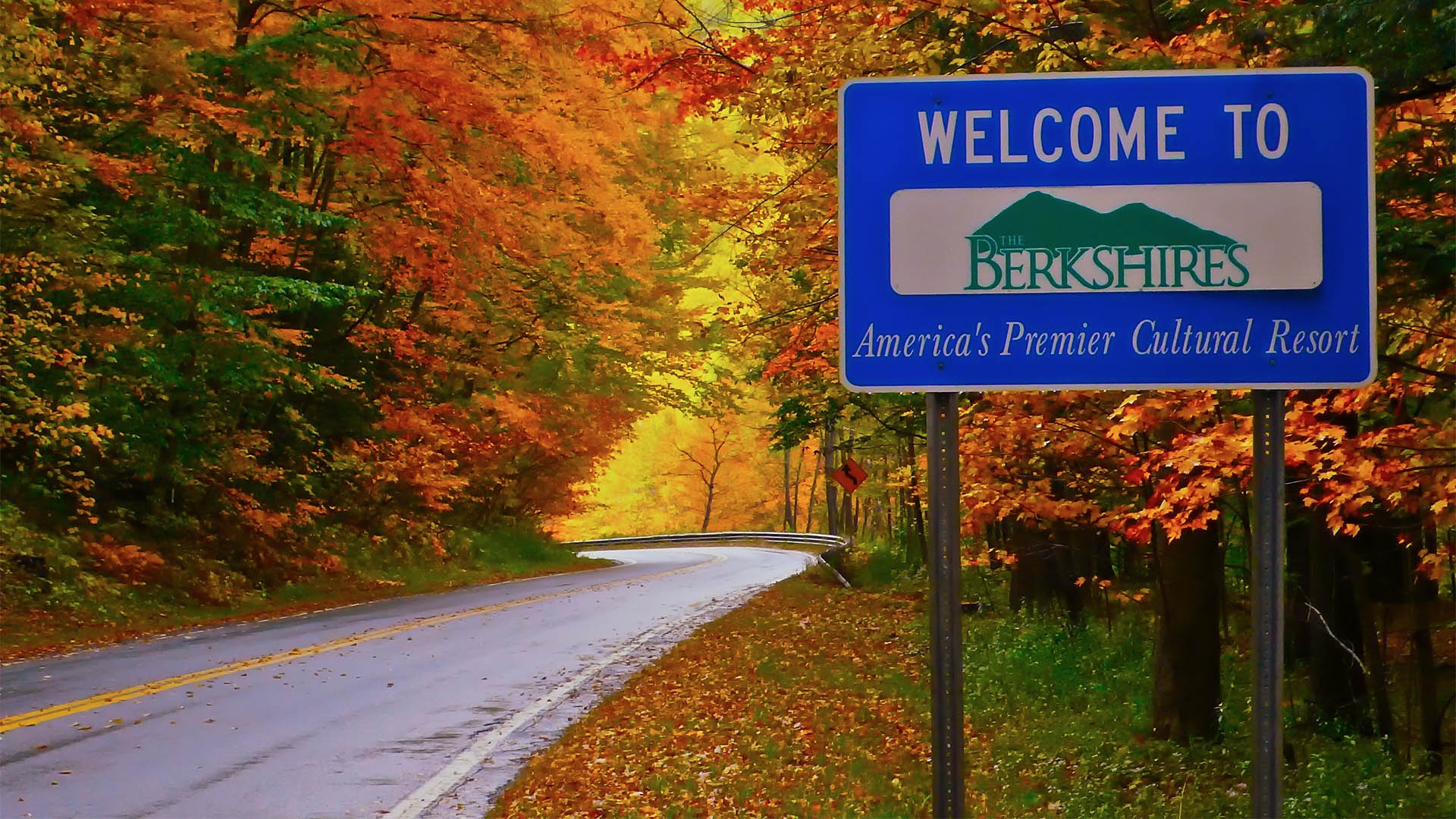
The Berkshires is a scenic, culturally rich region in western Massachusetts, encompassing most of Berkshire County and serving as a year-round escape for visitors from the Northeast. The region is composed of numerous small towns and villages — including Stockbridge, Lenox, Williamstown, North Adams, and Pittsfield, the county seat — with a combined county population of roughly 130,000 residents. Known for its rolling forested hills, vibrant fall foliage, and an unusual concentration of music, art, and dance institutions, the Berkshires sits approximately 130 miles west of Boston and roughly 150 miles north of New York City, making it a frequent weekend retreat for both metro areas.
One of the marquee cultural draws is Tanglewood, the summer home of the Boston Symphony Orchestra in the town of Lenox. Set on an expansive wooded estate, Tanglewood hosts classical concerts, popular-music performances, and family events from late June through Labor Day, and it draws hundreds of thousands of visitors each season. From most points in the Berkshires, the venue is a short drive — typically under 30 minutes — making it a centerpiece of summer bookings for the area.
Just a few minutes north of Stockbridge, the Norman Rockwell Museum houses the world's largest collection of original works by the iconic American illustrator, including many of his famous Saturday Evening Post covers. The museum's hillside setting and rotating exhibits make it a destination for art lovers and casual visitors alike, and it anchors the cultural life of the southern Berkshires.
In the northwestern corner of the county, Mass MoCA in North Adams has transformed a former factory complex into one of the largest contemporary art museums in the United States. Its galleries, performance spaces, and long-term installations attract visitors year-round, and the surrounding downtown has evolved into a small but lively arts district. From central Berkshire towns, Mass MoCA is roughly a 45-minute drive west.
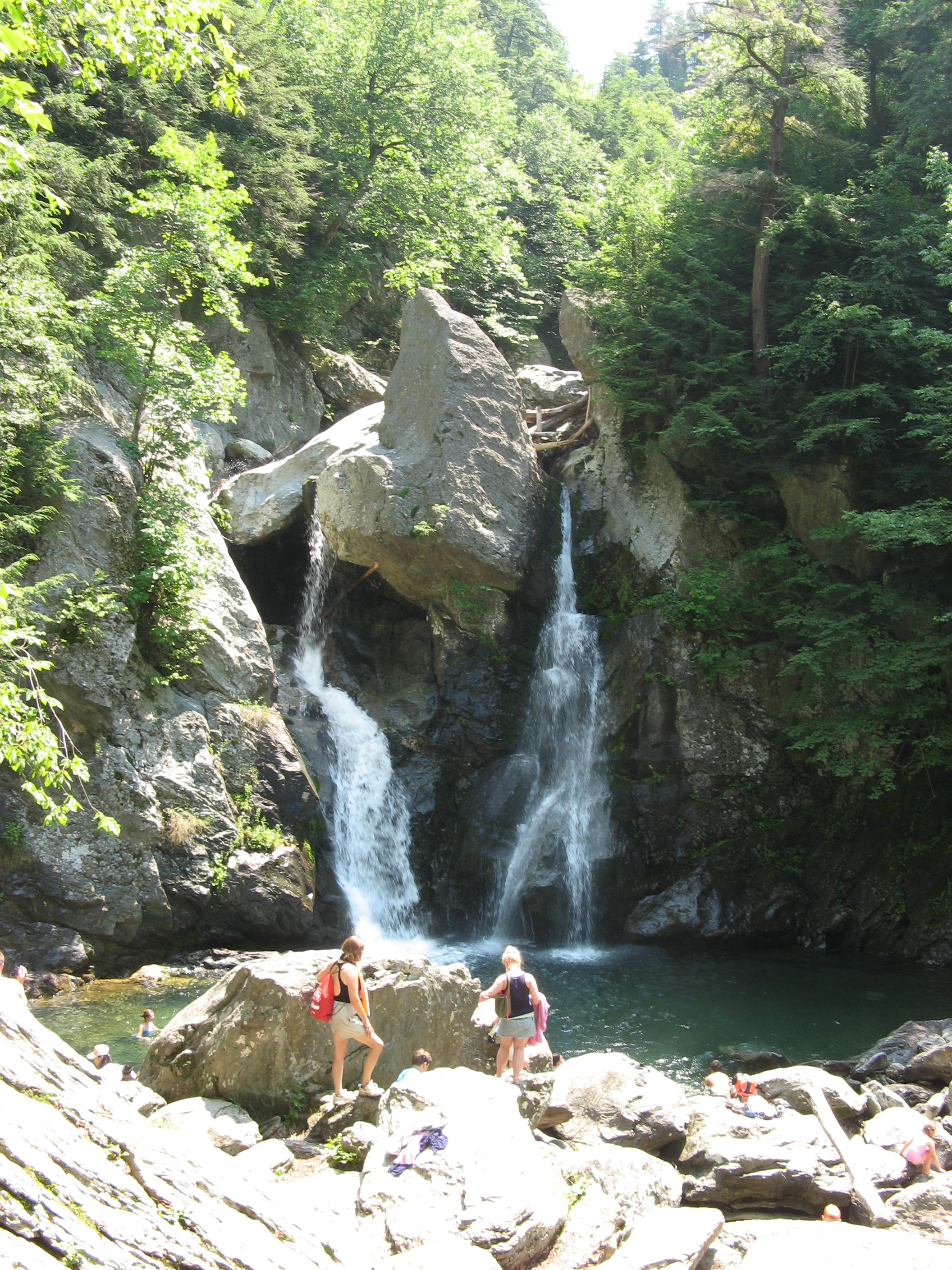
The natural landscape is just as much a draw. Mount Greylock State Reservation, spanning the towns of Adams and Williamstown, protects Massachusetts' highest peak at 3,489 feet. Visitors can drive the scenic auto road or hike to the summit, where a war memorial and sweeping views of up to five states await. The reservation is within about 30 minutes of most Berkshire destinations.
Together, these assets — world-class performing and visual arts, preserved small-town character, and easy access to outdoor recreation within a few hours of both Boston and New York — make the Berkshires a strong fit for short-term rental investors looking to capture both peak summer and foliage-season demand, with growing shoulder-season interest as well.
Want to know if a property in Berkshire is a good investment?
Enter an address to get instant revenue potential and comps.