
Springfield, Kentucky
Want to see how Springfield compares to other top cities in Kentucky? Explore all city regulations in Kentucky. →
Springfield, KY
Challenging To Investors
STR Regulations for Springfield, Kentucky
Overview: Are short‑term rentals allowed in Springfield, KY?
Explicitly: Short‑term rentals are allowed in Springfield only if the use complies with local zoning or is approved via a conditional use permit, and all applicable city, county, and state requirements are satisfied. Springfield’s Planning & Zoning Laws (final copy) do not provide a stand‑alone “short‑term rental” use classification; instead, lodging uses are addressed through broader categories such as “boarding/rooming house,” “hotel/motel,” and possibly “accessory apartment/dwelling unit,” each subject to the underlying zoning district. In residential districts (e.g., R‑1, R‑2, R‑3), lodging uses are typically prohibited or limited, making STRs uncommon unless a variance or conditional use is obtained. Investors must verify the property‑specific zoning and any relief pathways before committing capital.
Bottom line for investors:
- Allowed: Yes, if the specific property’s zoning permits lodging‑type use or if the city grants a conditional use (or variance) that authorizes STR use.
- Prohibited in many cases: In standard residential districts without a relief mechanism, STRs are generally not permitted.
Note: Confirmation of STR status requires checking the district’s permitted use table in Springfield’s Zoning Ordinance and, where needed, seeking a zoning interpretation or approval from Planning & Zoning.
What do Airbnb hosts actually earn in Springfield?
Springfield hosts earn a median $23,651/year with $195 ADR and 40% occupancy.
Top performers pull in $33,788+ per year.
See the full Springfield market breakdownHow to start a short‑term rental business in this market
Use this stepwise framework to reduce regulatory risk and timeline:
-
Zoning verification and approvals
- Confirm the property’s zoning district from the Springfield GIS/Assessor or Planning & Zoning.
- Review the zoning ordinance’s permitted and conditional uses for lodging‑type activities (e.g., hotel/motel, boarding/rooming house, accessory apartment/dwelling).
- If STR use is not expressly permitted, evaluate whether a Conditional Use Permit (CUP) or Variance can authorize the use under the “lodging” classification. Prepare and submit applications with required findings (compatibility, parking, traffic, neighborhood impacts).
- Anticipate neighbor notice, a public hearing, and potential conditions (parking, occupancy, management plan, waste, noise).
-
Permitting and licensing
- Obtain any required business license, registration, or tax account from the City (often through the City Clerk’s office). For transient accommodations, this typically includes registration for transient room taxes and, if applicable, local business taxes.
- Secure building permits and certificates as needed (e.g., occupancy inspections, fire safety compliance, signage).
- Coordinate with Washington County for any health, septic, and well requirements. If the property uses septic, consult the County Health Department to confirm suitability and any inspection needs.
-
Safety and code compliance
- Align the STR with applicable life‑safety standards (fire exits, smoke/CO detectors, extinguishers, posted egress information).
- Confirm maximum occupancy, parking, and any on‑site manager requirements through Planning & Zoning and Code Enforcement.
- Adopt nuisance control measures (quiet hours, trash/recycling protocol, anti‑party policies) and create guest rules consistent with neighborhood standards.
-
Operations setup
- Set up taxation: register to collect and remit state sales tax and any local transient room tax. Maintain monthly or quarterly filing cadence.
- Implement recordkeeping for nights rented, gross receipts, taxes collected, and compliance documentation.
- Prepare emergency procedures, contact information for the responsible party, and local regulations handout for guests.
-
Ongoing compliance and monitoring
- Renew permits, registrations, and business license as required (often annually).
- Maintain a log of guest stays, reservations, and communications to respond promptly to complaints.
- Monitor the zoning ordinance and city code for any updates or new STR regulations.
Required documents, permits, licenses, and guidelines
Investors should assemble a complete permit package and keep it current. A typical checklist includes:
-
Zoning and approvals
- Zoning verification (district confirmation).
- Conditional Use Permit or Variance application (if lodging use is not a permitted use).
- Site plan showing parking, access, and any signage.
-
City/county licensing and registration
- Business License or STR Registration (City Clerk).
- Transient Room Tax Registration (if applicable).
- County business tax registration as required by Washington County.
- Sales tax account setup (Kentucky Department of Revenue).
-
Building/fire/life safety
- Building permit(s) if renovations or changes in use are proposed.
- Certificate of Occupancy or equivalent approval.
- Fire safety compliance package (detectors, extinguishers, posted egress, emergency contacts).
-
Health and utilities
- On‑site sewage disposal approvals from the County Health Department (where septic applies).
- Water/well compliance verification, if applicable.
-
Tax filings
- Sales tax reports (monthly/quarterly).
- Local transient room tax returns (frequency set by the city).
- Annual business tax filings as required by state and local jurisdictions.
Note: Specific naming of forms varies by department. Confirm which documents apply to your property type and zoning classification with Planning & Zoning and Code Enforcement.
Specific regulations (city, county, and state) affecting STRs in Springfield/Washington County
-
City of Springfield
- STRs are treated as lodging activities under zoning categories such as “hotel/motel” and “boarding/rooming house,” not as a standalone “short‑term rental” use.
- Permitted lodging uses depend on the district and may require a Conditional Use Permit (CUP).
- Zoning relief (CUP, variance) requires compatibility findings, parking and neighborhood impact analysis, and may impose conditions such as on‑site management, occupancy caps, and noise controls.
- Neighborhood compatibility expectations (R‑1, R‑2, R‑3) typically prioritize residential character. STRs are uncommon in these districts without relief and are often prohibited by right.
-
Washington County (unincorporated areas)
- County health and septic rules apply to properties not served by municipal sewer. Investors should confirm that any STR use aligns with septic system capacity and approval.
- County may require registrations for business activity and impose safety or nuisance controls.
-
State of Kentucky (baseline considerations)
- Sales tax obligations typically apply to lodging and short‑term rentals; register with the Department of Revenue and remit applicable taxes.
- Building/fire life safety standards must be met for any lodging use. If a project involves construction or significant changes in occupancy, state‑level standards will be relevant.
- Kentucky does not impose a uniform statewide short‑term rental registration or license beyond general business and tax obligations; verification with local authorities remains essential.
Investors should consult the Springfield Planning & Zoning Laws (final copy) for zoning districts, definitions, and use tables, then verify lodging classifications and any CUP requirements. If zoning relief is needed, factor in hearing timelines and potential conditions.
Contact information (phone, email, website where available)
-
City of Springfield (Planning & Zoning, Code Enforcement, Clerk)
- Phone: (859) 336‑5426
- Website: www.springfieldky.org
- Permit center: City Hall; specific email not provided in source material
- Use city website or call for zoning verification, CUP/variance applications, and business licensing.
-
City of Springfield (Mayor’s Office)
- Phone: (859) 336‑5426
- Website: www.springfieldky.org/mayor
-
Washington County Health Department
- Phone: (859) 336‑3989
- Website: www.washingtonkyhealth.com
- Septic/well compliance matters
-
Kentucky Department of Revenue (sales tax/withholding/employer accounts)
- Phone: (502) 564‑3303
- Online: revenue.ky.gov
- Sales tax registration and transient lodging tax obligations
-
Kentucky Department of Housing, Buildings and Construction (safety standards/licensing)
- Phone: (502) 573‑0365
- Online: dhbc.ky.gov
- Building/fire/life safety compliance
Links to source pages
- Springfield, KY Planning & Zoning Laws (Final Copy): www.springfieldky.org/wp-content/uploads/2019/07/FINAL-COPY-FOR-WEBSITE-P-Z-LAWS.rtf
- City of Springfield website: www.springfieldky.org
- Mayor’s Office page: www.springfieldky.org/mayor
Notes and investor guidance
- Confirm district‑level lodging permissions and CUP/variance pathways before purchase. Residential districts may preclude STRs without relief, and relief carries risk (conditions, public hearing).
- If an STR is pursued in a residential zone, design the application around compatibility: limited occupancy, discrete parking, on‑site management, quiet hours, and a clear guest rules package.
- Maintain strict records for tax and compliance. Property‑level restrictions (covenants/HOAs) can also limit STRs; verify those in addition to zoning compliance.
Next step
Found a property in Springfield?
Paste any address and get estimated revenue, cash-on-cash return, and comparable STR performance in under 5 minutes. 3 free analyses per day.
Free brief
Get the free Springfield STR Investment Brief
Revenue data, top neighborhoods, seasonal trends, and the key regulations for Springfield, Kentucky in one email.
Springfield
Market Saturation Score
Photos of Springfield
Overview of Springfield
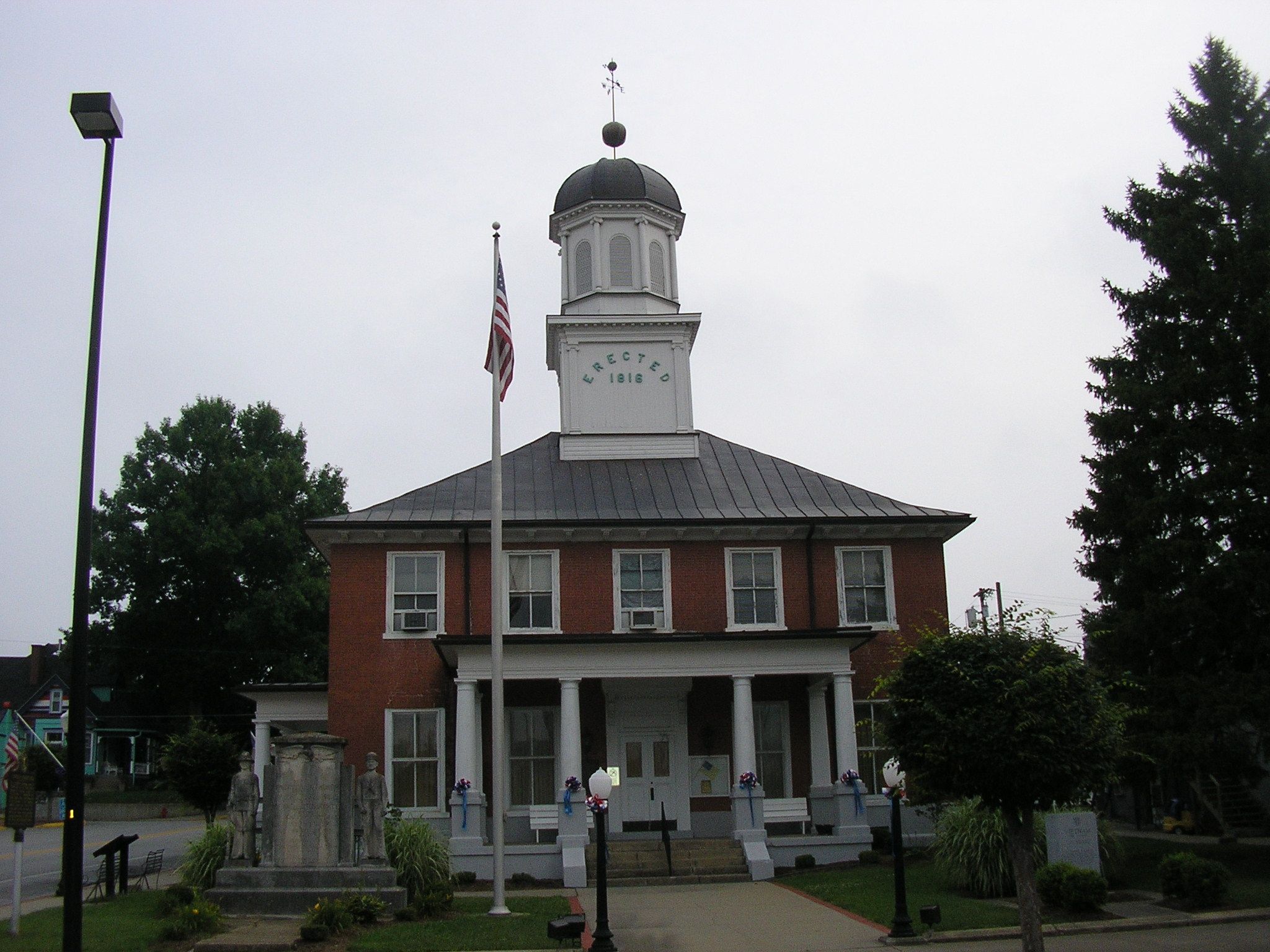
Springfield is a small city in central Kentucky that serves as the seat of Washington County. With a population of roughly 2,500 to 3,000 residents, it carries the relaxed pace of a rural Kentucky county seat while remaining within easy striking distance of some of the state's most-visited destinations. The town is best known for its quiet, well-preserved historic core and its position as a convenient base for exploring the rolling bluegrass landscape, the nearby Bourbon Trail, and the broader central Kentucky corridor. Louisville, the nearest major city, lies approximately 50 miles to the northwest, putting Springfield within about an hour's drive of the metro's urban amenities, airport, and cultural attractions.
Just southwest of Springfield, the Abraham Lincoln Birthplace National Historical Park preserves the small farm cabin where the sixteenth president entered the world in 1809. Located near Hodgenville in neighboring LaRue County, the park is roughly a 40-minute drive from Springfield and draws visitors interested in tracing Lincoln's early Kentucky roots. The site features a traditional birth cabin enclosed within a stately memorial building, walking paths through the historic Sinking Spring area, and a visitor center with interpretive exhibits, making it an easy day trip for guests staying in town.
About 35 miles to the southeast lies Bardstown, often billed as the Bourbon Capital of the World and home to My Old Kentucky Home State Park, the Federal Hill mansion that inspired Stephen Foster's famous anthem. The park offers mansion tours, picnic grounds, and an outdoor amphitheater where the musical "My Old Kentucky Home" is performed seasonally, typically about 45 minutes from Springfield by car. Bardstown's historic downtown, lined with craft distilleries, taverns, and tasting rooms, makes the drive well worth it for travelers who appreciate Kentucky's signature spirit.
Closer to Springfield itself, the surrounding Washington County countryside rewards visitors with pastoral drives along quiet country roads, modest horse farms, and small-producer stops that reflect the agricultural character of the region. The town's compact downtown features a courthouse square, locally owned shops, and casual eateries, giving short-term rental guests a glimpse of small-town Kentucky life. Together, the area's mix of presidential history, bourbon heritage, and rolling farmland makes Springfield a calm, well-located home base for travelers exploring the heart of the Bluegrass State.
Want to know if a property in Springfield is a good investment?
Enter an address to get instant revenue potential and comps.