
Wakefield, Kansas
Want to see how Wakefield compares to other top cities in Kansas? Explore all city regulations in Kansas. →
Wakefield, KS
Challenging To Investors
STR Regulations for Wakefield, Kansas
Overview: Are Short‑Term Rentals Allowed in Wakefield, KS?
Yes—short‑term rentals (STRs) are allowed in the City of Wakefield, Kansas, but they are tightly regulated. The City allows STRs through a registration and conditional use permit system with specific limits and operational rules. As of October 3, 2022, Wakefield codified STRs in Article 4 of Chapter V (Business Regulations) of the City Code (Ordinance 1345), which includes a firm cap of four STR locations city‑wide, a one‑property‑per‑entity cap, defined occupancy limits, and a waiver‑of‑liability requirement. The City also requires proof of Kansas state registration and ongoing compliance with all municipal ordinances.
What do Airbnb hosts actually earn in Wakefield?
Wakefield hosts earn a median $16,870/year with $154 ADR and 43% occupancy.
Top performers pull in $25,997+ per year.
See the full Wakefield market breakdownMarket Entry: How to Start an STR in Wakefield, KS
A practical, step‑by‑step path to launch and maintain compliance:
- Verify eligibility and position against caps
- Confirm the four‑unit cap: the City limits STRs to four locations total.
- Confirm the one‑property‑per‑entity cap: a single entity (including a married couple/partners) may own at most one STR. Owners who had more than one property as of October 3, 2022 (but not more than two) were grandfathered.
- If you are not already on a waiting list and the cap is reached, you may be unable to obtain a permit until a slot opens.
- Secure state registration and gather proof
- Register the property as required by the State of Kansas and obtain documentation evidencing registration. Provide that proof to the City’s Code Enforcement Officer.
- Pursue the City’s conditional use permit (CUP)
- Apply for and receive a CUP from the City before operating as an STR. The City’s Code of Ordinances governs the process and the criteria.
- Register with the City and pay the $100 annual fee
- Complete City STR registration and submit the annual registration fee ($100), made payable to the City of Wakefield.
- Confirm the designated Code Enforcement Officer contact process at City Hall.
- Complete required compliance materials and waivers
- Sign the City’s waiver of liability (attached to Ordinance No. 1345). Submit at registration or with the CUP application as directed.
- Prepare the unit and operations
- Structure qualification: The STR must be in a permanent residential dwelling unit or portion thereof. Mobile homes, RVs, travel trailers, tents, vehicles, and similar non‑permanent structures are prohibited.
- Bedroom conformity: Occupancy is based on conforming bedrooms (rooms meeting building code standards for bedrooms). Confirm bedroom status with local building code standards before listing.
- Set occupancy limits correctly
- Occupancy formula: Two persons per conforming bedroom plus two additional persons. Example: two conforming bedrooms = maximum six occupants.
- Keep listings and door signage consistent with this limit.
- Operational compliance
- Traffic: The STR must not generate more traffic or different traffic types than a permanent residence.
- Multi‑unit/mixed‑use: No more than one STR may be operated within any multi‑unit or mixed‑use building.
- Law and ordinance compliance: Maintain continuous compliance with all City ordinances at all times.
- Maintain and renew
- Renew City registration annually and remit the $100 fee.
- Keep proof of state registration current and on hand.
- Keep proof of the signed waiver on file.
- Maintain occupancy and operational standards; monitor any ordinance updates.
- Ownership transitions (if applicable)
- On sale, the new owner has 30 days from closing to apply for a CUP in their name to continue operation. Failure to do so results in loss of the conditional use permit, and the City will award the permit to the next person on the waiting list.
Required Documents, Permits, Licenses, and Guidelines
At a minimum, plan for the following:
-
State of Kansas registration
- Requirement: Every STR must be registered with the State of Kansas.
- Submission: Provide proof of registration to the City’s Code Enforcement Officer.
-
Conditional Use Permit (City of Wakefield)
- Requirement: Apply for and receive a CUP prior to operation.
- Governing body: City of Wakefield (ordinance references the Code Enforcement Officer for proof submission).
-
City STR registration and annual fee
- Registration fee: $100.00 annually, payable to the City of Wakefield.
- Renewal: Annual renewal required.
-
Waiver of liability
- Requirement: The owner must sign a waiver of liability to register with the City (attached to Ordinance No. 1345).
- Submission: Provide as part of registration.
-
Operational compliance documentation
- Maintain records demonstrating: occupancy limits, bedroom conformity, traffic behavior consistent with a permanent residence, non‑use of prohibited structures, and the single STR rule in multi‑unit/mixed‑use buildings.
-
Proof of state tax registrations (if applicable for lodging or transient guest taxes)
- Guidance: Kansas lodging laws treat properties offering lodging for compensation as lodging places, typically requiring state registration. You may also have local tax obligations (e.g., transient guest tax). Consult the Kansas Department of Health and Environment and your county/city officials for applicability and registration details.
Specific Regulations: City, County, and State
Key city rules (City of Wakefield—Ordinance 1345, adopted Oct 3, 2022):
-
Definition
- STR: A permanent residential dwelling unit (or portion) rented for occupancy less than 30 consecutive calendar days, or in February less than 28 consecutive days; portions of a day count as full days. It applies regardless of whether a permanent resident is present during occupancy.
-
Eligibility and caps
- City‑wide cap: Four STR locations total.
- Entity cap: One STR per entity; a married couple/partners are treated as a single entity.
- Grandfathering: Current owners as of 10/03/2022 with more than one property (but not more than two) were grandfathered.
-
Structure and use restrictions
- Prohibited structures: Mobile homes, RVs, travel trailers, tents, vehicles, and similar non‑permanent structures may not be used as STRs.
- Bedroom qualification: Occupancy is limited by conforming bedrooms (rooms meeting building code requirements to be a bedroom).
-
Occupancy limits
- Formula: Two persons per conforming bedroom plus two additional persons. Example: two conforming bedrooms = six occupants maximum.
-
Building and site use limits
- Single STR per multi‑unit or mixed‑use building.
- Traffic: Must not generate more traffic or different vehicle types than a permanent residence.
-
Permitting and registration sequence
- State registration required.
- City conditional use permit required.
- City registration required; annual $100 fee.
- Waiver of liability required.
-
Ownership transitions
- New owners have 30 days from closing to apply for a CUP in their name; failure to do so results in loss of the permit, which is then awarded to the next person on the waiting list.
-
Compliance deadlines for existing STRs
- STRs operating as of 10/03/2022 had one year from adoption to come into full compliance.
-
Penalties
- Violations are Class A, Non‑person Misdemeanors; punishable by up to one year in jail and fines up to $2,500.
- Minimum fines:
- 1st offense: $50
- 2nd offense: $100
- 3rd offense: $500
- Plus $10/day (not to exceed $2,500 maximum) for each day not in compliance.
County level
- No county‑specific STR regulations were identified in the provided materials. Investors should confirm with the County Clerk/Zoning official whether county overlay rules apply to properties within Wakefield city limits.
State level (Kansas)
- Kansas lodging place registration: Properties offering lodging for compensation (including many short‑term rentals) are considered lodging places under state law and generally require registration with the State of Kansas. Confirm applicability, process, and any ongoing compliance obligations with the appropriate state agency.
- Transient guest and lodging taxes: State and local lodging taxes may apply. Confirm tax registration and remittance requirements with the Kansas Department of Revenue and local authorities.
Contact Information: Local Authority in Charge of STRs
Primary City contacts (as identified in municipal records):
-
Code Enforcement Officer
- Role: Receives proof of state registration and administers city‑level compliance for STRs.
- Note: Direct phone/email not provided in the supplied materials.
-
City Clerk (City of Wakefield)
- Address: City Hall, Wakefield, KS (official mailing address per City records)
- Role: Handles municipal records, registrations, CUP submissions, and fee processing.
- Note: Direct phone/email not provided in the supplied materials.
Practical guidance
- If the City’s official website and contact details are not publicly listed in your records, contact City Hall in person or by phone during business hours to obtain the Code Enforcement Officer’s contact information and the required forms/submission instructions for the CUP and City registration.
Links to Source Pages
- City Code—Article 4. Short‑Term Rental Operations (Ordinance 1345)
- Code of the City of Wakefield, Kansas—Table of Contents
- City of Wakefield—Public Hearing/Council Meeting (Aug 1, 2022)
- City of Wakefield—Council Meeting (Oct 3, 2022) (Ordinance 1345 adoption)
If you need assistance obtaining direct contact numbers/emails or the official forms for the conditional use permit, stop by City Hall and request the Code Enforcement Officer’s details and the current STR registration package. Keep copies of your state registration, CUP approval, City registration receipt, and signed waiver in a compliance binder for inspections and renewals.
Next step
Found a property in Wakefield?
Paste any address and get estimated revenue, cash-on-cash return, and comparable STR performance in under 5 minutes. 3 free analyses per day.
Free brief
Get the free Wakefield STR Investment Brief
Revenue data, top neighborhoods, seasonal trends, and the key regulations for Wakefield, Kansas in one email.
Wakefield
Market Saturation Score
Photos of Wakefield
Overview of Wakefield
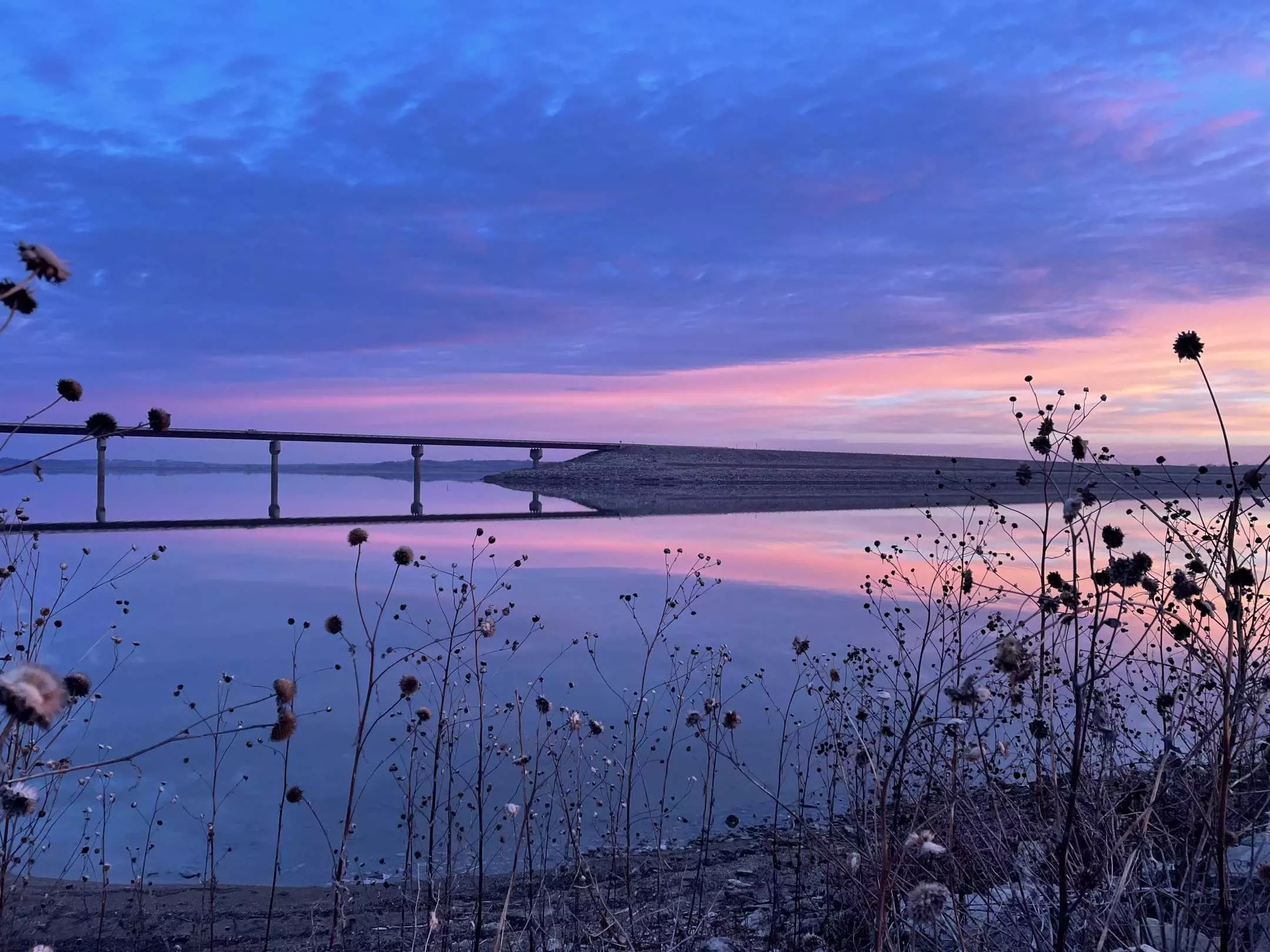
Wakefield is a small, quiet city in Clay County, in the northeastern quadrant of Kansas, with a population of roughly 900 to 1,000 residents. The town has a friendly, rural character defined by wide prairie skies, historic homes, and a slow pace of life that contrasts with the busier college town just down the road. It sits along the broad Republican River valley and functions as a convenient gateway to the popular Milford Lake recreation area, one of the largest outdoor playgrounds in the state. The nearest major city is Manhattan, Kansas, home to Kansas State University, located approximately 18 to 20 miles to the south of Wakefield. Wichita, Topeka, and the Kansas City metropolitan area all sit within about two to three hours of driving, placing Wakefield within reach of several regional hubs while still feeling firmly off the beaten path.
Just a few miles west of town, Milford State Park wraps around the shores of Milford Lake, the largest reservoir in Kansas and one of its premier fishing destinations. The lake is known for walleye, white bass, and wiper fishing, and the surrounding park offers miles of shoreline, several campgrounds, swimming beaches, horseback riding trails, and a nature center that draws families and outdoors enthusiasts year-round. A drive from central Wakefield to the main park areas typically takes about 15 to 20 minutes.
A short drive southeast of Wakefield brings visitors to Manhattan and the campus of Kansas State University, where the college-town energy of Aggieville, the historic campus district, and Bill Snyder Family Stadium give the area a lively year-round pulse. Football gamedays in the fall transform the town, while the spring and summer months bring outdoor concerts, the Sunset Zoo, and the Manhattan Farmers Market. The drive from Wakefield to downtown Manhattan usually takes around 25 minutes.
To the north and east of Wakefield, the rolling Flint Hills begin to unfold, offering scenic drives, tallgrass prairie preserves, and small historic towns that feel a step back in time. Outdoor lovers can also reach Tuttle Creek State Park and Corps of Engineers lands within about 30 to 40 minutes, adding hiking, mountain biking, and additional water-based recreation to the mix of nearby activities. Fort Riley, one of the most storied U.S. Army installations in the country, is also within a roughly 30-minute drive and occasionally hosts public events and museums of interest to history-minded travelers.
For short-term rental owners and guests, Wakefield offers an appealing combination of small-town quiet and outdoor adventure. Its proximity to Milford Lake makes it a natural base for anglers, boaters, and families seeking a less crowded alternative to the busier lakeside resort communities, while its short drive to Manhattan keeps restaurants, university events, and entertainment within easy reach. The result is a peaceful prairie setting that feels worlds away from city stress but remains connected to the best of northeastern Kansas.
Want to know if a property in Wakefield is a good investment?
Enter an address to get instant revenue potential and comps.