
Wabash, Indiana
Want to see how Wabash compares to other top cities in Indiana? Explore all city regulations in Indiana. →
Wabash, IN
Generally Investor Friendly
STR Regulations for Wabash, Indiana
Short-Term Rental Investment Guide: Wabash County, Indiana
Overview: Are Short-Term Rentals Allowed in Wabash, IN?
EXPLICIT ANSWER: Yes, short-term rentals are allowed in Wabash County, Indiana, but with specific limitations and requirements.
Based on the Wabash County Zoning Ordinance, short-term rental operations fall under the following classifications:
- Bed and Breakfast - Limited to family dwellings with up to 4 guests
- Hotel/Motel - Commercial lodging facilities
- Cottage - Temporary occupancy structures (weekends/vacations)
- Campgrounds - Licensed public camping facilities
The ordinance recognizes these as distinct lodging types, each with different regulatory requirements and permitted zoning districts.
What do Airbnb hosts actually earn in Wabash?
Wabash hosts earn a median $19,743/year with $113 ADR and 63% occupancy.
Top performers pull in $31,263+ per year.
See the full Wabash market breakdownHow to Start a Short-Term Rental Business
Step 1: Determine Your Business Model
Choose from these STR categories based on your property and business goals:
- Bed and Breakfast: Owner-occupied family dwelling (max 4 guests)
- Commercial Hotel/Motel: Purpose-built lodging facility
- Cottage/Vacation Rental: Standalone structure for temporary use
- Campground: Large-scale recreational facility (requires state/county licensing)
Step 2: Verify Zoning Compliance
- Confirm your property is in an appropriate zoning district
- Review district-specific requirements in Chapter 3 of the zoning ordinance
- Check setback requirements, building standards, and parking requirements
Step 3: Obtain Required Permits
- Improvement Location Permit (ILP) for any structural changes
- Certificate of Occupancy upon completion
- Health Department approvals if required
Step 4: Submit Applications
- Complete applications through the Wabash County Plan Commission
- Pay applicable fees
- Attend required hearings if applicable
Required Documents, Permits, and Licenses
Essential Permits:
-
Improvement Location Permit (ILP)
- Required before any construction, alteration, or use change
- Application submitted to Wabash County Plan Commission
- Must demonstrate compliance with zoning ordinance
-
Certificate of Occupancy
- Issued by Plan Commission Office upon completion
- Confirms structure/use complies with original ILP
-
State Licensing (for applicable facilities)
- Campgrounds require state/county licensing
- Bed and breakfast may require health department approval
Required Documentation:
- Completed application forms
- Site plans showing setbacks and parking
- Building plans (if applicable)
- Property deed/legal description
- Proof of insurance
- Health department approvals (if required)
Specific Regulations by Jurisdiction Level
City-Level Regulations
The zoning ordinance states it applies to unincorporated areas and certain incorporated towns:
- Unincorporated areas of Wabash County
- LaFontaine, Lagro, and Roann (if adopted by respective town boards)
Note: Cities of Wabash and North Manchester have separate zoning jurisdictions not covered by this county ordinance.
County-Level Regulations (Wabash County Zoning Ordinance)
Bed and Breakfast Operations:
- Must be owner-occupied family dwelling
- Maximum 4 guests
- Principal structure only
- Fee-based transient lodging with associated meals
Hotel/Motel Facilities:
- Commercial lodging establishments
- Daily, weekly, or short-term rental basis
- Must meet commercial zoning requirements
- Separate cooking facilities per unit allowed
Cottage/Vacation Rentals:
- Independent housekeeping establishments
- Temporary occupancy (weekends/vacations)
- Separate culinary and sanitary facilities
- Not for permanent habitation
Campgrounds:
- Temporary/seasonal occupancy facilities
- Must be state/county licensed
- Recreational vehicles, tents, travel trailers permitted
- Individual campsite requirements apply
Home Occupation Limitations:
- Must be clearly incidental and secondary to residential use
- Two categories: Type I and Type II
- Strict limitations on commercial impact
State-Level Regulations (Indiana)
Building Code Requirements:
- Indiana Building Code (675 IAC 13)
- Indiana Residential Code (675 IAC 14)
- Indiana Electric Code (675 IAC 17)
Health Department Requirements:
- May be required for food service operations
- Wastewater/septic system compliance
- Public health standards for lodging facilities
Development Standards and Requirements
General Requirements:
- All structures must comply with setback requirements
- Parking standards must be met
- Building codes apply to all construction
- Proper wastewater management required
Specific Standards by Use:
- Bed and breakfast: Residential accessory standards apply
- Hotels/motels: Commercial development standards
- Campgrounds: State licensing and design standards
- Cottages: Residential structure standards
Enforcement and Penalties
Enforcement Authority:
- Wabash County Advisory Plan Commission
- Building Inspector (appointed by County Commissioners)
- Health Officer for health-related violations
Penalties:
- Violations subject to enforcement actions
- Fines and penalties detailed in Chapter 25
- Possible structure condemnation for unsafe conditions
- Business operation cessation for unpermitted uses
Contact Information
Primary Authority:
Wabash County Plan Commission
- Address: Wabash County Courthouse, Wabash, IN
- Phone: Contact County offices for specific numbers
- Website: Available through county government portals
- Email: Contact through county offices
Key Officials:
- Director: Wabash County Advisory Plan Commission Director
- Building Inspector: Appointed by County Commissioners
- Health Officer: Wabash County Health Department
- Plan Commission: Advisory board for zoning matters
- Board of Zoning Appeals: Handles appeals and special exceptions
Additional Contacts:
- County Recorder: For recording permits and commitments
- County Surveyor: For property boundary issues
- County Highway Superintendent: For access/driveway issues
- County Drainage Board: For drainage-related requirements
Source Documents
- Wabash County Zoning Ordinance (Current)
- URL: www.in.gov/counties/wabash/files/ordinances/Current-Wabash-County-Zoning-Ordinance.pdf
- Complete zoning regulations and requirements
- Authoritative source for all zoning matters
Important Notes for Investors
- Zoning Compliance is Critical: Always verify permitted uses before property acquisition
- Permit Requirements Vary: Different STR types have different permit requirements
- Local Compliance Essential: City areas may have additional/different requirements
- Continuous Monitoring: Regulations may change; stay informed of updates
- Professional Consultation: Consider consulting with local planning professionals
Next Steps
- Contact the Wabash County Plan Commission to discuss your specific project
- Review the complete zoning ordinance for detailed requirements
- Verify property zoning before purchasing
- Obtain professional assistance with permit applications if needed
- Maintain ongoing compliance with all applicable regulations
This guide provides the foundational information needed to pursue STR investment in Wabash County, but investors should always verify current requirements with local authorities before proceeding.
Next step
Found a property in Wabash?
Paste any address and get estimated revenue, cash-on-cash return, and comparable STR performance in under 5 minutes. 3 free analyses per day.
Free brief
Get the free Wabash STR Investment Brief
Revenue data, top neighborhoods, seasonal trends, and the key regulations for Wabash, Indiana in one email.
Wabash
Market Saturation Score
Photos of Wabash


Overview of Wabash
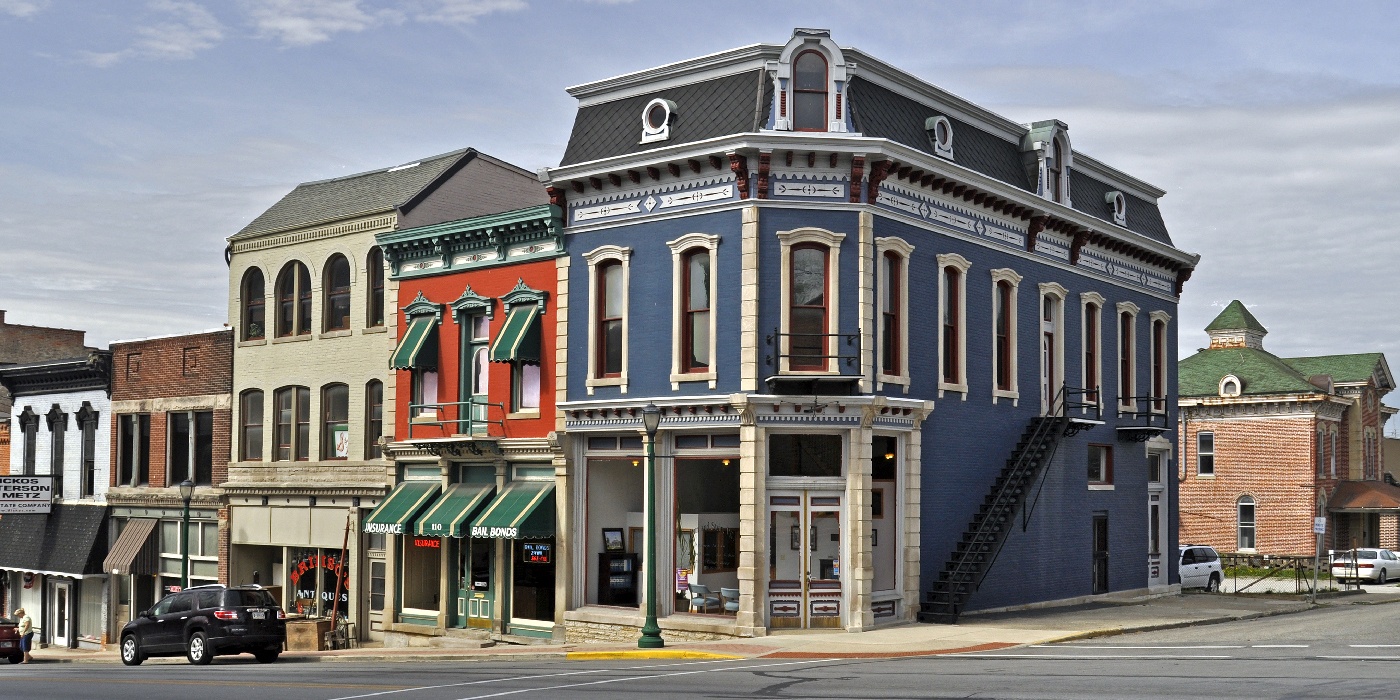
Wabash is a small city in north-central Indiana that serves as the county seat of Wabash County, with a population of roughly 10,500 residents. The community carries a distinctive civic pride as the self-proclaimed "First Electrically Lighted City in the World," a claim rooted in 1880 when the downtown was illuminated by Charles Brush's arc-lamp system. That pioneer legacy, combined with a walkable historic core, brick storefronts, and a strong tradition of arts and music, gives the town an old-fashioned Midwestern character. Wabash sits along the Wabash River and lies about 50 miles southwest of Fort Wayne and roughly 90 miles north of Indianapolis, making it a quiet stopover between Indiana's two largest metropolitan areas.
A natural starting point for visitors is Paradise Spring Historical Park, the small downtown green where the 1880 electrical demonstration took place. The park, anchored by a cast-iron fountain and a statue commemorating the historic event, sits within walking distance of the city center and offers a concise glimpse into Wabash's claim to fame. Just across the street, the Honeywell Center serves as the cultural heart of the community, hosting concerts, theatrical productions, comedy shows, and educational events throughout the year. Originally endowed by the Honeywell family, the center has grown into a regional draw for arts programming in northeast Indiana.
About three miles south of downtown, Charley Creek Gardens provides a 30-acre botanical escape along Chigger Creek, with themed gardens, walking paths, a working apiary, and seasonal events such as a holiday light display. The gardens function as both a public park and a working horticultural experiment, and they offer a quiet counterpoint to the historic downtown. For those interested in the area's broader history, the Wabash County Historical Museum preserves regional artifacts including items from the Miami and Shawnee peoples, Civil War memorabilia, and exhibits on the city's electrical milestone.
A short drive to the west, Salamonie Reservoir and the surrounding Salamonie River State Forest offer outdoor recreation roughly 20 miles from Wabash, with fishing, boating, hiking trails, and campgrounds that draw visitors from across the region. Closer to town, the Wabash River itself, with its kayaking access and riverside parks, adds another outdoor option for guests who want a low-key afternoon on the water.
Wabash makes a compelling base for short-term rentals because it pairs a genuinely unusual historical story with the kind of small-city amenities — a performing arts center, a botanical garden, a walkable downtown, and easy river access — that travelers often seek out as a break from the interstate. Its position between Fort Wayne and Indianapolis, along with proximity to Salamonie Reservoir, gives property owners a steady mix of cultural tourists, weekenders, and outdoor enthusiasts to draw from throughout the year.
Want to know if a property in Wabash is a good investment?
Enter an address to get instant revenue potential and comps.