
Fishers, Indiana
Want to see how Fishers compares to other top cities in Indiana? Explore all city regulations in Indiana. →
Fishers, IN
Generally Investor Friendly

STR Regulations for Fishers, Indiana
Overview
- Short-term rentals are allowed in Fishers, IN, but they are regulated differently than long‑term rentals. Long‑term rentals in single‑family homes are governed by the City’s Home Rental Registration & Permitting Program (Chapter 163 of the Fishers Municipal Code), while short‑term rentals are governed by the Unified Development Ordinance (UDO), specifically Section 5.4.6(D).
- The City’s rental registration and permitting program explicitly excludes short‑term rentals; those are addressed in the UDO, not the Chapter 163 ordinance.
What qualifies as a short‑term rental (STR) under Fishers rules
- Short‑Term Rental: The rental of a residential dwelling for fewer than 30 consecutive days. This is the baseline definition in UDO Article 12.2 (see section “Short‑Term Rental,” “Short‑Term Rental, Owner‑Occupied,” “Short‑Term Rental, Not Owner‑Occupied,” and “Short‑Term Rental Platform”).
- Compliance burden: Even if defined as “owner‑occupied,” an STR is still a commercial use and must meet the City’s zoning and development standards for commercial lodging.
How to start a short‑term rental business in Fishers
- Confirm zoning eligibility. STRs are a commercial lodging use (Section 5.4.6 of the UDO). Whether an STR is permitted in your property’s zoning district, and any use‑specific conditions (e.g., owner‑occupied requirement, occupancy limits, parking, signage, buffers), are controlled by UDO Section 5.4.6(D). Review your district’s use table and associated development standards.
- Review HOA/deed restrictions. Many subdivisions prohibit short‑term leasing or impose caps, waiting periods, or other limits. These private covenants are enforceable in Indiana and may be more restrictive than City rules.
- Obtain any required permits/licensing. Based on the UDO and related City codes, expect to address:
- Zoning compliance and any special use/approval where applicable.
- Building and fire safety (Indiana Fire Code, IFC), including working smoke and carbon monoxide alarms, fire extinguishers, posted emergency information, and egress standards. Maintain a House Rules/Safety Plan that guests can follow.
- Business registration if operating as a business entity (not a City tax certificate, but a state/local business filing if you form an LLC, partnership, etc.).
- Sales tax. Indiana requires sellers to collect and remit sales tax on short‑term lodging charges. Register with the Indiana Department of Revenue (DOR) for Sales Tax.
- Monroe‑Guilford‑Knoxe In collected sales tax reporting is managed through the Indiana DOR.
- Secure appropriate insurance. Standard homeowners policies may exclude short‑term rentals; obtain a short‑term rental policy or an endorsement to cover liability, property damage, loss of use, and guest‑related incidents.
- Choose a platform and tax handling. If listing on platforms like Airbnb or Vrbo:
- Determine whether the City requires the platform to collect transient lodging taxes on your behalf (often tied to “platform facilitator” rules).
- Maintain detailed records of bookings, rates, taxes collected/remitted, guest counts, and cleaning/turnover logs.
- Prepare the property. Install clear house rules, emergency contact information, a safe and compliant layout, appropriate signage, and safe egress. Keep a binder and a digital folder with all certificates, permits, policies, and plans.
Documents, permits, licenses, and guidelines (typical for STRs in Fishers)
- UDO Section 5.4.6(D) — Short‑Term Rentals (zoning/land use and use‑specific standards).
- UDO Article 5.4.6 — Overnight Lodging (broader lodging category).
- UDO Article 12.2 — Definitions of “Short‑Term Rental,” “Short‑Term Rental, Owner‑Occupied,” “Short‑Term Rental, Not Owner‑Occupied,” and “Short‑Term Rental Platform.”
- Chapter 163 — Home Rental Registration & Permitting Program: Not applicable to STRs (explicitly excludes them); however, the program and its FAQ provide the City’s broader housing strategy context and deadlines for long‑term rentals.
- State tax: Indiana Sales Tax registration and compliance through the Indiana Department of Revenue (DOR). Keep your Sales Tax Permits, monthly/quarterly returns, and remittance records organized.
- Fire and building compliance:
- Indiana Fire Code (IFC) requirements (e.g., smoke and CO alarms, fire extinguishers, emergency information posting).
- Confirm whether the City requires a fire inspection or annual certification for STRs (often triggered for lodging uses).
- Insurance: Proof of liability and property coverage for short‑term rentals.
- HOA/deed documents: Evidence that short‑term leasing is allowed, or proof of any required HOA approvals.
Regulatory framework and key restrictions
- City level (Fishers)
- UDO governs STRs as “Overnight Lodging” and “Short‑Term Rental” uses. Specific rules are in Section 5.4.6(D). Typical conditions may include:
- Whether STRs are allowed in the subject zoning district, and if so, whether owner‑occupancy is required.
- Maximum occupancy limits, parking, and signage.
- Neighborhood protection provisions (e.g., noise, trash, exterior maintenance standards, and anti‑party rules).
- STRs are excluded from Chapter 163’s rental registration program.
- Legacy rental rules in Chapter 163 apply only to long‑term rentals and do not govern STRs.
- Enforcement: Zoning/code enforcement, fire safety inspections, and nuisance/public safety calls may lead to violations, fines, or permit revocation for lodging operations that strain public safety resources.
- UDO governs STRs as “Overnight Lodging” and “Short‑Term Rental” uses. Specific rules are in Section 5.4.6(D). Typical conditions may include:
- County level (Hamilton County)
- County-level STR registration is not evident in the provided sources. County services coordinate on public safety but do not appear to administer STR licenses/permits in Fishers.
- State level (Indiana)
- STRs are not required to register at the state level; business activity is governed by Indiana tax law and local ordinances.
- Sales Tax: Indiana requires collection and remittance of sales tax on short‑term lodging; obtain a Sales Tax Permit from the Indiana DOR and comply with filing/remittance schedules.
- Safety codes: Indiana Fire Code and related building/life safety requirements apply to lodging uses; owners are responsible for maintaining safe conditions.
- HOA/private covenants
- Indiana law recognizes and enforces HOA rental restrictions, including total bans, caps, waiting periods, or bans on transient rentals. Investors must verify and comply with subdivision covenants and rules before operating an STR.
Step‑by‑step checklist to launch a compliant STR in Fishers
- Validate zoning eligibility:
- Pull the UDO zoning map and review Section 5.4.6(D) for STR conditions in your district.
- Review covenants/HOA rules:
- Confirm STRs are permitted and identify any caps, waiting periods, or owner‑occupancy requirements.
- Confirm permitting/licensing requirements:
- Check UDO Section 5.4.6(D) and City permit portals for any required lodging permits or fire inspections.
- Register for Indiana Sales Tax:
- Obtain a Sales Tax Permit from the Indiana DOR; set up monthly/quarterly filings.
- Implement safety and life‑safety compliance:
- Install smoke/CO alarms, fire extinguisher(s), and post emergency information. Maintain a House Rules/Safety Plan for guests.
- Establish platform listings and tax handling:
- List on your chosen platform(s). If the City or platform requires remittance of local lodging taxes through the platform, ensure the correct settings are applied.
- Secure insurance:
- Obtain STR‑specific insurance with liability, property damage, and business interruption coverage.
- Operational readiness:
- Publish clear house rules, turn‑over procedures, and neighborhood‑friendly policies. Keep an inspection/maintenance log.
Contacts and resources
- City of Fishers – Planning & Zoning
- Address: One Municipal Drive, Fishers, IN 46038
- Phone: 317‑595‑3111
- Hours: Monday–Friday, 8:30 a.m.–4:30 p.m.
- Indiana Department of Revenue (Sales Tax for lodging)
- Website: www.in.gov/dor/
- Chapter 163 (Home Rental Registration & Permitting Program) – city rental registration portal (for long‑term rentals; not applicable to STRs):
- Unified Development Ordinance (UDO) – official online code
- General portal: online.encodeplus.com/regs/fishers-in/doc-viewer.aspx?secid=1
- UDO Section 5.4.6(D) – short‑term rentals (reference by link provided in city’s UDO site)
- UDO Article 12.2 – Definitions (Short‑Term Rental and related terms): online.encodeplus.com/regs/fishers-in/doc-viewer.aspx?secid=998
Links to source pages
- City of Fishers – Rental Registration & Permitting (Chapter 163; notice that STRs are excluded): fishersin.gov/government/administrative/rental-registration-permitting/
- Fishers Code of Ordinances Chapter 163 (PDF): fishersin.gov/wp-content/uploads/2025/05/Signed-Adoption-Request-to-Add-Chapter-163-to-Code-of-Ord-Home-Rental-Ordinance-022425A-1.pdf
- Fishers UDO – main ordinance viewer: online.encodeplus.com/regs/fishers-in/doc-viewer.aspx?secid=1
- Fishers UDO – Short‑Term Rental definitions (Article 12.2): online.encodeplus.com/regs/fishers-in/doc-viewer.aspx?secid=998
Notes for investors
- Because STRs are excluded from Chapter 163, the “10% cap” and “legacy rental” provisions do not apply to STRs. However, many HOAs in the Indianapolis metro area (including Fishers subdivisions) have adopted bans or caps on short‑term rentals. Confirm your subdivision’s rules before investing or listing.
- Fire and safety compliance is non‑negotiable in Indiana for lodging uses. Even “owner‑occupied” STRs operate as commercial lodging and must meet IFC standards. Maintain documented proof of inspections and recurring maintenance.
- Tax compliance is critical. Collect and remit Indiana sales tax on lodging charges; consider whether platform facilitation rules apply. Keep clean, audit‑ready records of all transactions.
- Engage early with Zoning & Code Enforcement and, where applicable, the Fire Department to confirm any permit or inspection requirements specific to STR operations.
If you need, I can draft a site‑specific zoning memo after you share the property address and zoning district; this will allow a precise read of Section 5.4.6(D) conditions for your unit.
What do Airbnb hosts actually earn in Fishers?
Fishers hosts earn a median $37,847/year with $222 ADR and 68% occupancy.
Top performers pull in $49,183+ per year.
See the full Fishers market breakdownNext step
Found a property in Fishers?
Paste any address and get estimated revenue, cash-on-cash return, and comparable STR performance in under 5 minutes. 3 free analyses per day.
Free brief
Get the free Fishers STR Investment Brief
Revenue data, top neighborhoods, seasonal trends, and the key regulations for Fishers, Indiana in one email.
Fishers
Market Saturation Score
Photos of Fishers


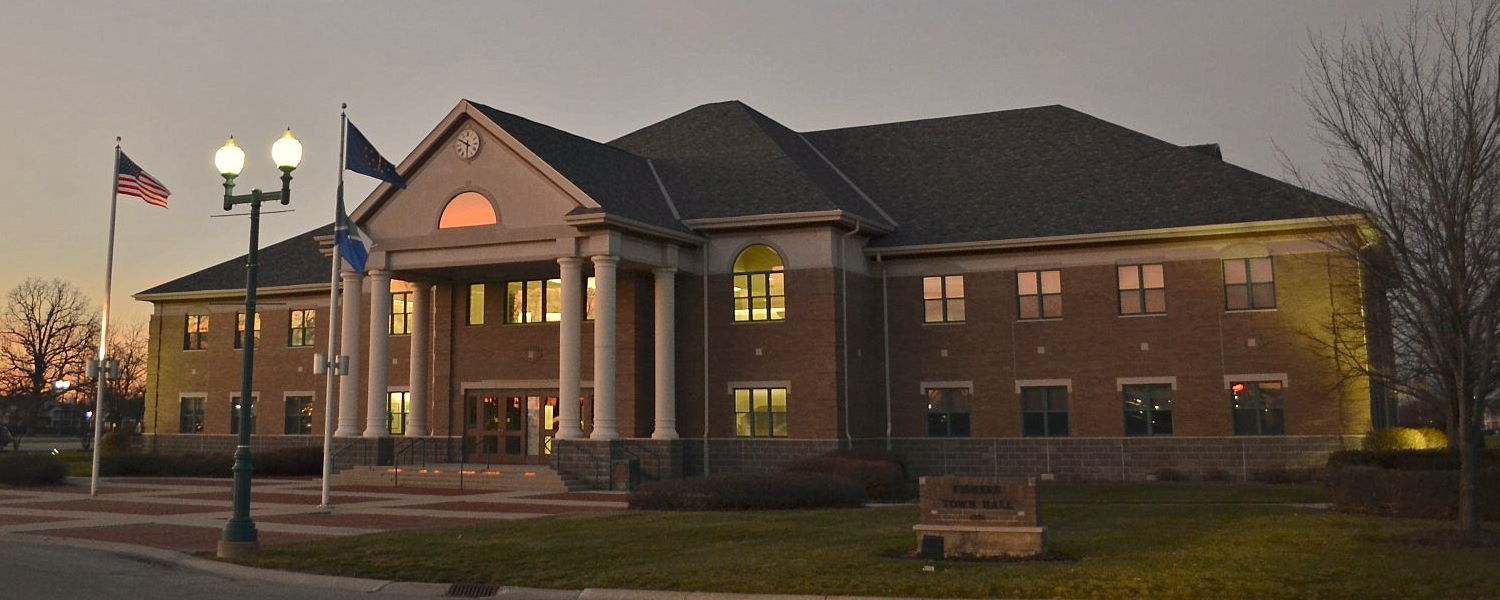
Overview of Fishers
Fishers is a fast-growing suburban city in Hamilton County, Indiana, located roughly twenty miles northeast of downtown Indianapolis. With a population that has grown to approximately 95,000 residents, it ranks among the largest cities in the state and has frequently appeared on national "best places to live" lists, reflecting its blend of well-maintained neighborhoods, top-ranked schools, and a polished suburban atmosphere. Once a small rail town known as the "Nickel Plate" community, modern Fishers is recognized as a family-friendly hub for shopping, dining, and outdoor recreation, and it serves as a convenient base for visitors exploring the greater Indianapolis metropolitan area and the broader central Indiana region. Its proximity to Interstate 69 and I-465 makes it an easy drive to Indianapolis attractions, while its position near several large reservoirs and natural areas gives it appeal for travelers seeking a mix of city access and outdoor escape.
One of the area's marquee draws is Conner Prairie, a sprawling interactive history park situated along the White River just west of downtown Fishers. The museum offers recreated 19th-century villages, hands-on experiences covering Indiana's pioneer and Native American heritage, a hot-air balloon ride, and seasonal festivals that draw families year-round. It sits only minutes from the heart of Fishers and is widely considered one of the leading living-history attractions in the Midwest.
To the south and east of the city lies Geist Reservoir, a roughly 1,800-acre man-made lake that anchors one of the most desirable waterfront communities in the Indianapolis area. Visitors and renters can enjoy boating, sailing, waterfront dining, and a paved trail that circles much of the shoreline, all within about a ten-minute drive from central Fishers.
Just north of Fishers in neighboring Noblesville, the Ruoff Music Center is an open-air amphitheater that hosts the biggest names in touring music each summer, drawing tens of thousands of concertgoers and creating predictable spikes in short-term-rental demand throughout the metro. Combined with the revitalized Nickel Plate District in downtown Fishers—home to the local farmers market, breweries, restaurants, and seasonal events—the city offers a steady rhythm of activity that complements the quieter residential streets and wooded parks on its outer edges.
Fishers is a compelling short-term-rental market because it pairs the safety and amenities of an award-winning suburb with direct access to Indianapolis employment centers, sporting venues, and concert hubs, while still offering nature-oriented escapes like Geist Reservoir and Conner Prairie just minutes from nearly any doorstep. This balance of corporate travel, leisure tourism, and family-friendly appeal gives the city a diverse visitor base and year-round draw that can support well-positioned rental properties.
Want to know if a property in Fishers is a good investment?
Enter an address to get instant revenue potential and comps.