
Bloomington, Indiana
Want to see how Bloomington compares to other top cities in Indiana? Explore all city regulations in Indiana. →
Bloomington, IN
Generally Investor Friendly
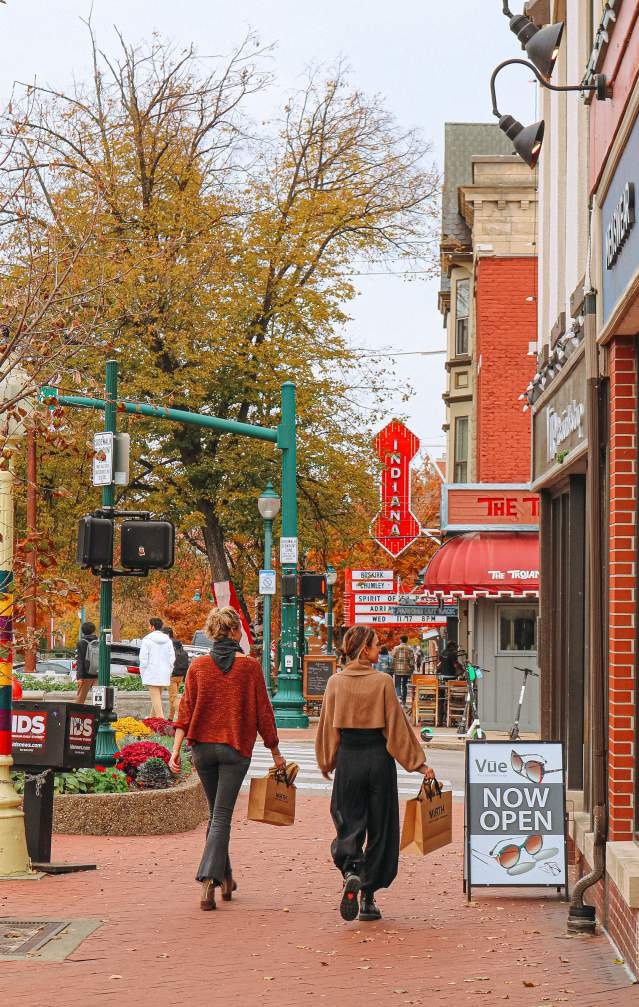
STR Regulations for Bloomington, Indiana
Short-Term Rental Investment Guide: Bloomington, IN
Executive Summary: Are Short-Term Rentals Allowed in Bloomington, IN?
Yes, short-term rentals are explicitly allowed in Bloomington, Indiana. The city has established a regulatory framework that permits STR operations while imposing reasonable requirements for safety, zoning compliance, and community impact management. This positions Bloomington favorably compared to some Indiana communities that have implemented more restrictive approaches.
What do Airbnb hosts actually earn in Bloomington?
Bloomington hosts earn a median $25,670/year with $220 ADR and 44% occupancy.
Top performers pull in $41,614+ per year.
See the full Bloomington market breakdownHow to Start a Short-Term Rental Business in Bloomington, IN
1. Research and Planning Phase
Before acquiring or converting a property, conduct thorough due diligence on:
- Zoning compliance: Verify that STRs are permitted in your target property's zoning district
- Market analysis: Assess demand patterns, especially considering Bloomington's Indiana University presence
- Competition evaluation: Analyze existing STR inventory and performance metrics
- Financial modeling: Project gross revenue potential against regulatory compliance costs
2. Property Acquisition Considerations
Key factors when selecting STR properties in Bloomington:
- Zoning verification: Confirm STR operations align with local zoning ordinances
- Property condition: Factor renovation costs to meet safety and habitability standards
- Location advantages: Properties near Indiana University, downtown, or major attractions command premium rates
- Parking availability: Consider guest parking requirements and neighborhood constraints
3. Licensing and Registration Process
Primary Permit: Short-term rental permit through the Housing and Neighborhood Development (HAND) department
- Submit formal application with detailed property information
- Provide proof of ownership or legal right to operate
- Include floor plans and maximum occupancy calculations
- Pay applicable permit fees (verify current rates with HAND)
Required Documents, Permits, Licenses, and Guidelines
Core Documentation Package
Essential Documents:
- Property deed or tax statement (proof of ownership)
- Detailed floor plans showing room layouts and dimensions
- Maximum occupancy calculation based on property size and layout
- Owner identification and government-issued photo ID
- Local contact information for emergency response
- Insurance documentation demonstrating adequate coverage
- Tax registration numbers (state and local tax accounts)
Permit Requirements
HAND Rental Occupancy Permit:
- Initial application process with inspection requirement
- Annual renewal mandatory with fee payment
- Display requirements for permit information
- Compliance monitoring and potential reinspection protocols
Business Registration:
- Indiana Department of Revenue registration for sales tax collection
- Local business license if required by county regulations
Safety and Building Compliance
Mandatory Safety Standards:
- Working smoke detectors and carbon monoxide alarms
- Fire extinguisher installation and maintenance
- Emergency exit plans and clear egress routes
- Electrical system compliance with local codes
- Plumbing systems meeting health department standards
- Maximum occupancy limits enforcement
Specific Regulations: City, County, and State Level
State-Level Protections (Indiana)
House Bill 1035 Protections:
- Municipalities cannot completely prohibit short-term rentals
- Initial permit fees capped at $150 statewide
- Local regulations must allow some form of STR operation
- Property owner rights protected against arbitrary bans
State Tax Obligations:
- Indiana Sales Tax: 7% on all STR income
- State income tax: 3.23% flat rate applies to rental income
- Registered Retail Merchant Certificate (RRMC) required for tax collection
Monroe County Regulations
County Innkeeper's Tax:
- Apply to short-term accommodations
- Rate varies; verify current percentage with Monroe County Treasurer
- Collected in addition to state sales tax
- Some booking platforms may collect this automatically
City of Bloomington Specific Requirements
Zoning Compliance:
- STRs must operate in zoned areas permitting such use
- Some residential districts may have density or frequency limitations
- Verification through city planning department required
Operational Standards:
- Guest management protocols addressing noise and parking
- Neighborhood impact mitigation requirements
- Response time requirements for local contact persons
- Maximum stay duration specifications where applicable
Inspection Requirements:
- Initial safety and habitability inspection mandatory
- Periodic reinspection for permit renewal
- Compliance verification for safety standards
- Documentation submission within specified timeframes
Contact Information for Local STR Authorities
Primary Contact: Housing and Neighborhood Development (HAND)
Address: 401 N. Morton St, Suite 130 (Showers Building), Bloomington, IN 47404
Phone: (812) 349-3420
Fax: (812) 349-3582
Email: [email protected]
Hours: 8:00 AM to 5:00 PM, Monday through Friday
Key Contact: HAND Director with authority under BMC 16.01.080(b)
Additional Relevant Contacts
Planning Department:
- Zoning verification and compliance questions
- Contact through main city line: (812) 349-3400
Fire Department:
- Safety standard clarification
- Emergency planning requirements
Monroe County Treasurer:
- Innkeeper's tax questions and remittance
- Contact through county government offices
Sources and Links
Primary Regulatory Sources
- City of Bloomington HAND - Rental Occupancy Program
- Bloomington Municipal Code Title 16
- HAND Director Title 16 Interpretations
Application and Compliance Resources
Appeal and Oversight Bodies
Indiana State Resources
- Indiana Department of Revenue
- Indiana Legislative framework for STR regulation
Investment Considerations and Best Practices
Financial Planning
- Compliance costs: Include permit fees, inspection costs, and potential renovation expenses
- Tax obligations: Factor in 7% state sales tax plus county innkeeper's tax
- Insurance requirements: Secure appropriate coverage beyond standard homeowners policies
- Management costs: Consider professional property management if local presence required
Operational Excellence
- Neighbor relations: Proactive communication helps prevent complaints
- Safety prioritization: Exceed minimum standards to reduce liability exposure
- Documentation maintenance: Keep comprehensive records for inspections and renewals
- Regulatory monitoring: Stay informed about potential code changes or enforcement updates
Market Positioning
- University market leverage: Capitalize on Indiana University events and parent visits
- Professional amenities: Target business travelers with appropriate furnishings and internet
- Event calendar awareness: Align marketing with Bloomington's major events and university activities
This regulatory framework provides a clear pathway for legitimate STR operations while balancing community interests and property owner rights. Success in Bloomington's STR market requires meticulous compliance with these requirements while delivering exceptional guest experiences that support sustainable operations.
Next step
Found a property in Bloomington?
Paste any address and get estimated revenue, cash-on-cash return, and comparable STR performance in under 5 minutes. 3 free analyses per day.
Free brief
Get the free Bloomington STR Investment Brief
Revenue data, top neighborhoods, seasonal trends, and the key regulations for Bloomington, Indiana in one email.
Bloomington
Market Saturation Score
Photos of Bloomington


Overview of Bloomington
Bloomington, Indiana sits in the rolling hills of south-central Indiana as the county seat of Monroe County, with an approximate population of around 85,000 residents. Best known as the home of Indiana University, the city carries a distinctive college-town character layered onto a Midwestern setting of forested ridges, limestone creeks, and winding country roads. It serves as a natural gateway to the Brown County hills to the east and to the lake country of southern Indiana, and it lies roughly an hour south-southwest of Indianapolis, the nearest major metropolitan area.
Just a short drive east of the city, Brown County State Park sprawls across thousands of wooded acres and is widely regarded as one of the most scenic state parks in the Midwest. Hiking trails, horseback-riding paths, and ridgeline overlooks draw visitors year-round, with autumn bringing especially large crowds for the seasonal foliage. The adjoining small town of Nashville, Indiana is known for its arts-and-crafts community, local galleries, and a dense cluster of small shops, restaurants, and tasting rooms, giving the area a memorable day-trip atmosphere roughly 20 to 25 minutes from Bloomington.
To the south and southeast of the city lies Monroe Lake, the largest inland body of water in Indiana. Sailing, fishing, swimming beaches, and lakefront rental cabins draw both day visitors and longer-stay travelers, and the surrounding state recreation areas provide additional trails and campgrounds. The drive from central Bloomington to the lake's main access points typically runs between 15 and 25 minutes, making it a convenient escape for guests who want to combine a city stay with water-based recreation.
Closer to town, the Indiana University campus anchors much of the city's daily rhythm and visitor appeal. Beyond the university's cultural offerings, the downtown square and surrounding neighborhoods host an active mix of independent bookstores, coffee shops, restaurants, and live-music venues, and the city's trail system and nearby reservoirs offer easy outdoor outings without leaving the urban area. Visitors can move easily from a campus performance to a forested walk within the span of an afternoon.
Taken together, Bloomington's blend of university-driven amenities, surrounding natural attractions, and proximity to a major Midwest hub gives it a year-round draw for short-term rental travelers. Visitors arrive for football weekends, parents' weekends, arts events, foliage trips, and lake getaways, and the city offers a comfortable base from which to experience both the cultural energy of a college town and the quieter landscapes of southern Indiana.
Want to know if a property in Bloomington is a good investment?
Enter an address to get instant revenue potential and comps.