
Putnam, Illinois
Want to see how Putnam compares to other top cities in Illinois? Explore all city regulations in Illinois. →
Putnam, IL
Challenging To Investors
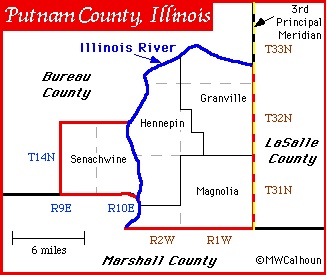
STR Regulations for Putnam, Illinois
Overview: Short-term lodging is allowed in Putnam County, but only in specific configurations and zoning districts. Outside of incorporated towns, Putnam County’s unincorporated zoning controls STRs. Bed and breakfasts (B&Bs) are allowed as a special use in the AG-1 Agricultural District (subject to special-use approval and Article 14 requirements). Hotels and tourist homes are permitted uses only in the C-2 Highway Commercial District. Hotels, motels, and tourist homes are not listed as permitted or special uses in R-2/R-3 Residence Districts or R-1 Country Home District. Any STR must fit within the ordinance’s definitions of lodging uses (e.g., bed and breakfast, hotel/motel/tourist home) to be lawful; unlisted lodging arrangements (e.g., “short-term rental” as an independent use) are not recognized and therefore would be prohibited unless they qualify under the permitted/special uses above. [1]
Note: Putnam County covers only unincorporated areas. If your property is within any incorporated municipality (e.g., Granville, Hennepin, Standard, etc.), that municipality’s zoning and licensing rules control STRs. The county zoning ordinance summarized here applies only to unincorporated Putnam County. [1]
How to start a short-term rental business in this market
- Confirm land use status and parcel details
- Determine zoning of the parcel via the Putnam County Zoning Enforcement Officer or the official zoning maps. [1]
- Confirm property is outside any incorporated municipal limits (if inside, municipal rules apply). [1]
- Verify lot dimensions, setbacks, utilities (public sewer/water availability), and floodplain status (CO-1 Conservation District is flood-prone). [1]
- Select a compliant lodging model
- Agricultural settings: Seek special-use approval for a “Bed and Breakfast” in AG-1 zoning. [1]
- Commercial corridors/highway nodes: Operate a “Hotel/Motel/Tourist Home” by-right in C-2 zoning (no special use required). [1]
- Residential districts (R-1/R-2/R-3): Lodging as a commercial activity (e.g., whole-home STR or transient lodging business) is not listed as permitted or special; it is likely prohibited unless the use falls under an explicitly listed lodging category (e.g., R-2 allows leasing to not more than two families or two individuals, which is not a substitute for an STR business model). [1]
- Due diligence and schematic layout
- Develop a compliant site layout respecting setback, lot coverage, and accessory-structure rules. [1]
- If a B&B: Identify the number of guest rooms and sleeping capacity; verify that no more than one person outside the family works on-site if claiming as a home occupation (though B&B is a separate special use). [1]
- Confirm parking capacity per the Off-Street Parking Article (e.g., one space per guest room is common, but verify any adopted county schedule). [1]
- Permitting pathway
- Bed and Breakfast (AG-1): Submit a special-use application per Article 18; proceed through Zoning Board of Appeals, Planning Commission, and County Board process; meet Article 14 and AG-1 district standards. [1]
- Hotel/Motel/Tourist Home (C-2): Treat as a permitted use; obtain building permit(s) and any other county/state approvals. [1]
- Building and accessory permits: Apply per Article 20 (Permits and Fees). [1]
- Health department: For any B&B or lodging generating sewage (especially when not on public sewer), contact the Putnam County Health Department (and IDPH if applicable) for on-site sewage requirements (soil tests, subsurface disposal, etc.). [1]
- Licenses and registrations
- State of Illinois lodging/health licenses may be required; contact the Illinois Department of Public Health (IDPH) and the county health department to confirm. [1]
- Sales/use taxes and local/admin fees may apply; consult with the County Treasurer’s Office and IDOR for state-level requirements. [1]
- Federal obligations (e.g., W-9, 1099-K) may apply through hosting platforms.
- Operational compliance plan
- Guest capacity aligned to lodging type and safety requirements.
- Quiet hours/noise, signage limits (see Article 11), and nuisance controls (Article 12). [1]
- Parking plan consistent with Article 10; refuse management; lighting and safety equipment.
- Fire and life safety equipment per adopted codes for transient lodging; check with the Building Department and Health Department.
What do Airbnb hosts actually earn in Putnam?
Putnam hosts earn a median $21,879/year with $126 ADR and 53% occupancy.
Top performers pull in $39,907+ per year.
See the full Putnam market breakdownRequired documents, permits, licenses, and guidelines
- Special Use (for B&B in AG-1)
- Application, site plan, floor plans, narrative addressing Article 18 approval standards; review by Zoning Board of Appeals, Planning Commission, and County Board. [1]
- Compliance with Article 14 (Additional Special Use Regulations) and AG-1 bulk standards. [1]
- Building Permits (Article 20)
- Building permit application and processing; fees per Article 20; revocation and duration rules. [1]
- Health and Sewage
- On-site sewage and water standards per Illinois Department of Public Health/Putnam County Health Department; soil tests for subsurface disposal when not on public sewer. [1]
- Zoning Compliance Documentation
- Evidence of district conformance (C-2 for hotels/motels/tourist homes; AG-1 for B&B).
- Parking study (Article 10); signage (Article 11).
- Accessory structure approvals (Article 3.03), setbacks (Section 3.12), height/bulk limits.
- State Lodging Licenses
- Contact IDPH (and county health department) for licensing requirements for transient lodging establishments. [1]
- Tax Registrations
- Sales/use tax registrations with the Illinois Department of Revenue (IDOR) and any local administrative fees.
- Insurance and Safety
- Property/casualty coverage appropriate for transient lodging operations.
- Life-safety, egress, fire protection equipment as required by adopted codes.
Specific regulations for short-term rentals (county and state)
County zoning—allowed lodging models and districts
- Bed and Breakfast (B&B): Defined as a house or portion thereof where short-term lodging rooms and meals are provided; the operator must live on the premises or adjacent premises. Permitted as a Special Use in AG-1 Agricultural District (Section 4.03) subject to Article 18 process and any Article 14 additional requirements. Not listed as permitted/special in R-1, R-2, R-3, or CO-1. [1]
- Hotels/Motels/Tourist Homes: Defined as establishments open to transient guests with customary hotel services (maid service, linen, desk, furniture upkeep). Permitted in C-2 Highway Commercial District (Section 8.03) as a by-right use. Not listed in R-1, R-2, R-3, or CO-1. [1]
- Residential Leasing: R-2 permits leasing to not more than two families or two individuals unrelated by birth, adoption, or marriage; this is not equivalent to operating an STR business and does not authorize transient lodging or commercial operations in residential districts. [1]
District operational requirements (selected)
- AG-1 (Agricultural)
- Minimum lot: 5 acres for a single-family dwelling (with exceptions) and 150 ft width/frontage. [1]
- Setbacks: 50 ft from public road right-of-way; 15 ft or 1 ft per foot of height from lot lines; additional setbacks apply near state/federal highways. [1]
- Height: 30 ft max (with height/yard adjustments) up to 50 ft; lot coverage 25%. [1]
- B&B special use requires Article 18 approval and Article 14 compliance. [1]
- C-2 (Highway Commercial)
- Permitted by right: Hotels and motels/tourist homes. [1]
- Bulk: 1-acre min lot, 50% lot coverage, 100 ft width; 25 ft front, 10 ft side (20 ft if adjacent to residential), 20 ft rear; 45 ft max height. [1]
- Enclosed building operations unless stated; outdoor display limits; buffers screening abutting residential districts. [1]
- R-1 (Country Home)
- Residential-focused; no lodging categories listed; minimum lot 1.5 acres, 150 ft width; 2 stories/35 ft height; 25% lot coverage. [1]
- R-2/R-3 (Residence)
- No lodging types (hotels/motels/B&B) listed as permitted or special; hotels/motels/tourist homes not recognized uses. [1]
- R-2 includes leasing limits to two families or two unrelated individuals; intended residential occupancy, not a commercial lodging operation. [1]
- CO-1 (Conservation)
- Floodplain protection and limited uses; lodging not listed; 1-story height, 10% lot coverage. [1]
General provisions affecting STRs
- Home Occupations (Section 3.10): Permitted in residential districts with tight limits (no exterior evidence, max one non-resident employee, ≤20% of floor area, etc.). These standards apply to home occupations, not to lodging uses; commercial lodging requires the specific lodging categories noted above. [1]
- Nuisances and Prohibited Uses (Article 12): Lodging operations must not create or constitute nuisances; ordinance provides abatement procedures and penalties. [1]
- Off-Street Parking (Article 10): Provide adequate spaces; consult the county’s parking schedule for the applicable use (e.g., lodging/hotel). [1]
- Signs (Article 11): Signage for lodging must comply with district sign rules and Article 11. [1]
- Water and Sewer (Section 3.14): All habitable buildings must meet Illinois Department of Public Health standards; on-site systems require soil tests and approvals when not on public sewer. [1]
- Setbacks and Height (Sections 3.06–3.12): Observe highway setbacks (e.g., 50 ft from state/federal highway ROW) and district bulk/height limits. [1]
State-level considerations
- IDPH: Licensing may be required for transient lodging facilities (e.g., hotels/motels, B&Bs), including inspections and compliance with life safety codes. Contact IDPH early in your planning. [1]
- IDOR: Sales and use tax obligations may apply to lodging transactions; consult IDOR guidance. [1]
Contact information (for county-level zoning, permits, and health)
- Putnam County Zoning Enforcement Officer (ZEO)
- Jim Burger
- Office: 815-872-2076
- Email: Not specified in source materials
- Website: Not specified in source materials
- Putnam County Zoning Office (administrative and applications)
- Office: 815-872-2076
- Email: Not specified in source materials
- Website: Not specified in source materials
- Putnam County Health Department
- Phone: Not specified in source materials
- Email: Not specified in source materials
- Website: Not specified in source materials
- Illinois Department of Public Health (IDPH), Environmental Health (lodging programs)
- Phone: Not specified in source materials
- Email: Not specified in source materials
- Website: dph.illinois.gov/topics-services/environmental-health-protection
- Putnam County State’s Attorney
- Christina Judd Mennie
- Phone/email: Not specified in source materials
- Zoning Board of Appeals (ZBA)
- Chair: William Entwistle Jr.
- Members: Matthew Holmbeck; Kenneth Hakenjos; William Kuhne; Doug Ossola
- Phone/email: Not specified in source materials
Note: If the property lies within an incorporated municipality, also contact the relevant municipal zoning/building and clerk offices for local rules, permits, and business licensing.
Source pages
Practical investor summary
- Best paths to operate: AG-1 Agricultural District with a county-approved special use for a Bed and Breakfast, or C-2 Highway Commercial District with a permitted Hotel/Motel/Tourist Home use.
- Avoid residential districts (R-1/R-2/R-3) for traditional STR business models; transient lodging is not listed as permitted or special in these districts.
- Prioritize special-use approval (B&B) or building permitting (C-2 lodging), then secure health approvals and state lodging licensing, and finally set up taxes and operations per county standards. [1]
Next step
Found a property in Putnam?
Paste any address and get estimated revenue, cash-on-cash return, and comparable STR performance in under 5 minutes. 3 free analyses per day.
Free brief
Get the free Putnam STR Investment Brief
Revenue data, top neighborhoods, seasonal trends, and the key regulations for Putnam, Illinois in one email.
Putnam
Market Saturation Score
Photos of Putnam
Overview of Putnam
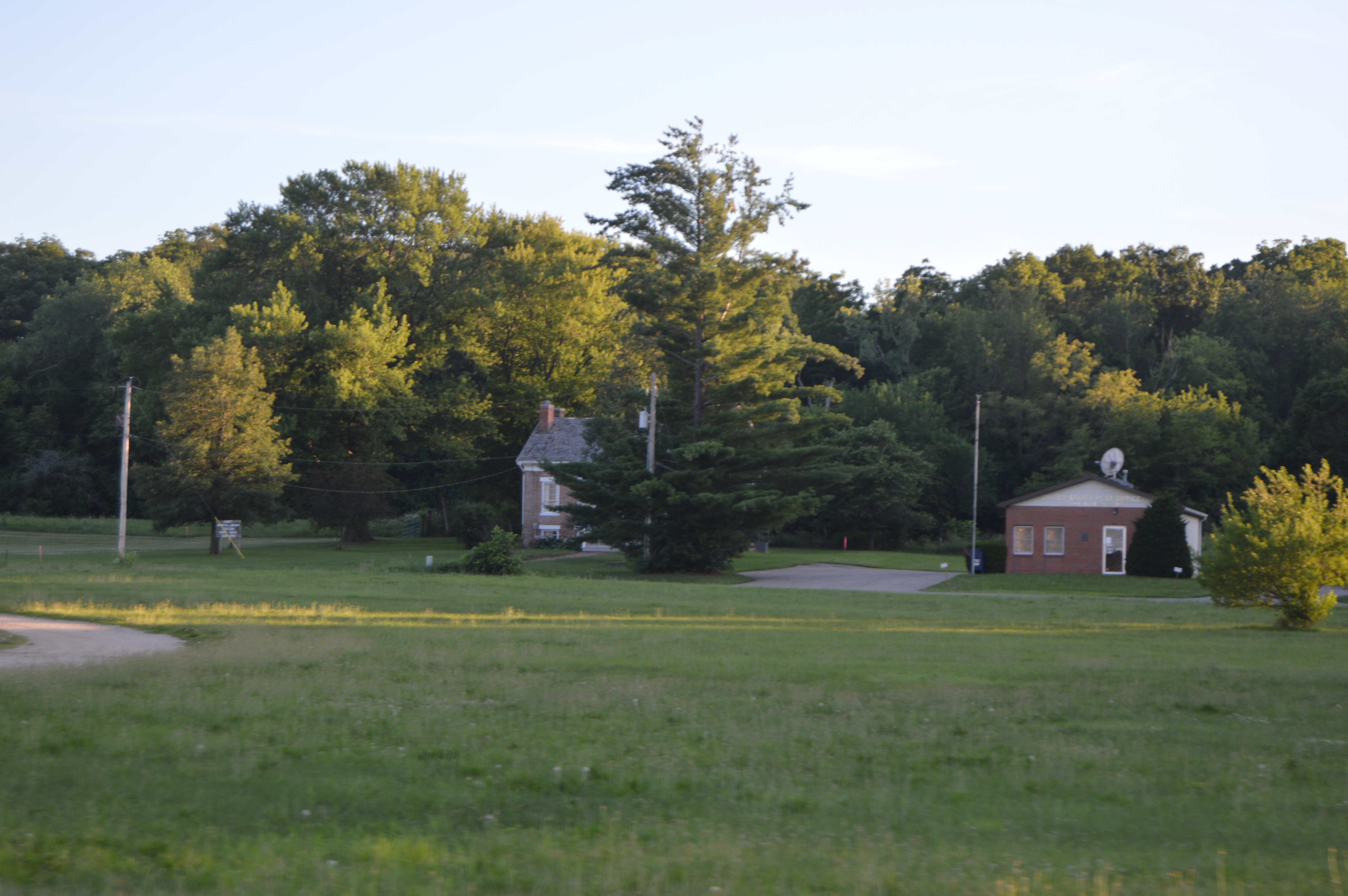
Putnam is an unincorporated community in Putnam County, Illinois, United States. The community is located to the west of Senachwine Lake along Illinois Route 29, north of Henry. This village of some 100 people was originally called Senachwine, after the great Indian Chief Senachwine.Putnam is the only village in Putnam County on the west side of the Illinois River. It had an 8-year Grade School, whose students graduated to go to Henry-Senachwine High School in nearby Henry, Illinois, which had a gymnasium converted from an earlier Church. Currently, there is no open school in the village. In the mid-1900s the town also had a Library, Auto Mechanic's Garage, Grocery Store, Post Office, community Town Hall, a non-denominational Christian Church, a Trucking Company, Diner, and a Fire Station, along with the Grain Elevator and Church which still exist. In later years a large Auction House was located on the south side of town, along with a Convenient store gas station. The Putnam Christian Church celebrated its 150 anniversary in the summer of 2016. Locals use the conveniently located hill next to the church to sled in the winter. The town's main attraction, "The Swimmin' Hole", is located just north of the town.
Want to know if a property in Putnam is a good investment?
Enter an address to get instant revenue potential and comps.