
Lombard, Illinois
Want to see how Lombard compares to other top cities in Illinois? Explore all city regulations in Illinois. →
Lombard, IL
Generally Investor Friendly
STR Regulations for Lombard, Illinois
Overview: Are Short-Term Rentals Allowed in Lombard, IL?
- Are they allowed? Yes—short-term rentals (STRs) are permitted under Illinois state law in Lombard. The Village of Lombard’s posted Code of Ordinances (updated through September 18, 2025) shows no ordinance provisions that prohibit or specifically regulate STRs (vacation rentals) in the municipality; the site lists code updates, special ordinances, and a Business Licenses page, but nothing targeted at STRs. Under Illinois House Bill 2919 (HB2919), units of local government cannot prohibit STRs; they may only enact ordinances aimed at public health and safety and may apply taxes and fees at rates equivalent to commercial transient lodgings. [1]
- What that means practically: Unless and until the Village adopts STR-specific rules (e.g., licensing, occupancy caps, or safety inspection regimes), STR operators must comply with applicable state statutes and general local requirements that apply to all residences and businesses (e.g., zoning compliance, building and life-safety standards, taxes). [2]
- Because Lombard’s website does not publish a dedicated STR or “shared housing” program (unlike Chicago), investors should treat STRs as a permissible use unless zoning or a future local ordinance indicates otherwise. Always verify with Planning/Zoning prior to operation. [1]
What do Airbnb hosts actually earn in Lombard?
Lombard hosts earn a median $36,455/year with $251 ADR and 62% occupancy.
Top performers pull in $66,708+ per year.
See the full Lombard market breakdownHow to Start a Short-Term Rental Business in Lombard
-
Confirm zoning and land use
- Validate that STR use is allowed at your address under Lombard’s zoning (Title XV, Chapter 155). The Municode code library is the definitive source; consult the zoning map and applicable district permitted/conditional uses. If in doubt, request a zoning determination or interpretation from the Community Development Department. [1]
- If your property is in a homeowners’ association (HOA), review covenants, bylaws, and rules. While HB2919 limits local prohibitions, private restrictions may still apply and can affect your ability to operate. [2]
-
Register for state and local taxes
- Register with the Illinois Department of Revenue (IDOR) for Hotel Operators’ Occupation Tax (SB2564) and any applicable sales/use tax accounts. Note: Some local lodging taxes or special districts may apply depending on transaction specifics and platform involvement. [2]
- If you will collect and remit taxes independently (i.e., off-platform bookings), set up the appropriate IDOR filing cadence and payment methods. [2]
-
Insurance and risk management
- Maintain homeowners’ or dwelling fire coverage and general liability limits appropriate to your risk profile. Platform-provided liability coverage (e.g., from Airbnb/Vrbo) may exist but has exclusions and limitations; do not rely on it as your primary policy. [4]
-
Safety and habitability
- While Lombard does not publish STR-specific safety mandates, follow prevailing best practices: functional smoke alarms in all bedrooms and common areas, carbon monoxide detectors as appropriate, fire extinguishers on each level, safe egress, and safe outdoor areas (lighting, railings, clear walkways). [2]
- Observe occupancy limits consistent with safe habitability; there is no city-specific STR occupancy rule identified in Lombard’s materials. [1]
-
Advertising and platform compliance
- List only after tax registration and insurance are in place. Many platforms facilitate tax collection/remittance for Illinois transactions; verify your obligations and whether your platform will remit on your behalf. [2]
-
Recordkeeping and renewals
- Keep application records, lease/booking logs, tax returns, and safety documentation. Renew any state tax accounts and registrations per IDOR guidance. If Lombard adopts an STR program in the future, prepare to comply with licensing, inspection, and renewal requirements. [2]
Required Documents, Permits, Licenses, and Guidelines
- Business License
- Lombard publishes a “Business Licenses” page (linked from the Quick Links). The Village’s Code of Ordinances site references Business Licenses and a Permits & Licenses section, but does not indicate a dedicated STR or “shared housing” license. Before listing, confirm whether a generic business license applies to STRs or whether no local license is required. [1]
- Permits & Licenses portal
- The Village directs residents/operators to an online portal for permits and contractor registration. If interior renovations, mechanicals, or life-safety systems are proposed, Building Permits may be required through standard channels. [1]
- Insurance
- Maintain appropriate property and liability coverage (see above). [4]
- Tax registrations
- IDOR accounts for Hotel Operators’ Occupation Tax and applicable sales/use taxes; maintain monthly/quarterly/annual filings per IDOR rules. [2]
- Zoning confirmation
- Written confirmation from Planning/Zoning (email or letter) that STR use is permitted at the subject property is recommended before launching. [1]
- Fire and life-safety compliance
- Follow state requirements and general building/life-safety standards; install/maintain smoke and CO devices where appropriate. [2]
Note on gaps: The materials reviewed do not show a Lombard-specific STR license, fee schedule, or inspection regime. Where uncertainty exists, contact the departments below for definitive guidance. [1]
Specific Regulations for Short-Term Rentals (City, County, State)
City of Lombard (Village-level)
- Current status: No explicit STR or “shared housing” ordinance identified in the Village Code of Ordinances site or the Municode code library as of September 18, 2025. [1]
- Local authority touchpoints: Village Clerk (for business licensing questions), Building & Permits (for building/zoning matters), Business Administrator (for ordinance/code questions). [1]
- If/when local rules are adopted: Expect requirements similar to those in other Illinois municipalities—registration or licensing, safety equipment/inspections, occupancy limits, and tax collection/remittance oversight. [2]
DuPage County
- The materials reviewed do not indicate DuPage County-level STR rules; county taxation and health/safety codes may apply generally but no STR-specific program is identified. [1]
State of Illinois
- HB2919 (definition and protections)
- Short-term rental defined as a residential unit rented for less than 30 consecutive days. Eligible properties include single-family dwellings and dwelling units in multi-unit structures, condominiums, co-ops, timeshares, or joint ownership. Excludes non-residential units, bed and breakfasts, and transient accommodations not classified as residential property for real property taxation. Local governments may not prohibit STRs or restrict them by classification/use/occupancy; they may enact public health/safety ordinances and impose taxes/fees at rates equivalent to commercial transient lodgings. [2]
- SB2564 (taxation)
- Short-Term Rental Occupation Tax Act (Hotel Operators’ Occupation Tax) imposes two taxes together equivalent to 6% of 94% of gross rental receipts (5% component plus 1% component). Platforms and hosts must apply, calculate, collect, and remit. Filing cadence (monthly/quarterly/annual) depends on liability; large filers must use electronic payment. Hosts may have local lodging taxes in addition, and may be subject to federal/state/local income taxes. [2]
- General obligations
- Business registration (as applicable), licensing/permitting if local rules exist, zoning compliance, safety equipment, and tax registration and filings are common state-level expectations. [2]
Contact Information (Phone, Email, Website)
- Village Hall Main
- Phone: (630) 620-5700
- Address: 255 E Wilson Avenue, Lombard, IL 60148-3926
- Website: www.villageoflombard.org/ [1]
- Village Clerk’s Office
- Phone: (630) 620-5741
- Physical Address: 255 E Wilson Avenue, Lombard, IL 60148-3969 (Village Hall) [1]
- Business Administrator (Code/Ordinance inquiries; see note on email below)
- Phone: (630) 620-5913
- Email: yorks@villageoflombard.org
- Note: The Village page shows a contact “yorks@villageoflombard.org,” but the visible name appears mismatched in the contact string; use the Business Administrator phone for clarity. [1]
- Online Permits, Licenses, Contractor Registration
- Portal: www.citizenserve.com/lombardil [1]
- Business Licenses (general)
- Page link is referenced via Quick Links on the Village site. [1]
For state tax matters:
- Illinois Department of Revenue (IDOR)
- Hotel Operators’ Occupation Tax and related filings: see SB2564 and IDOR guidance referenced in the Summer article. [2]
Links to Source Pages
- Village Code of Ordinances (home page; access to Municode)
- Village Code of Ordinances via Municode
- Online Permits and Contractor Registration (Lombard)
- Summer Blog: Illinois Short-Term Rental Laws
- Chicago Shared Housing (for comparison only)
- John J. Malm & Associates: STR Premises Liability (insurance considerations)
Practical Notes and Recommendations
- Because Lombard’s published materials do not include an STR-specific regime, assume permissive status under state law and verify zoning. Obtain written confirmation from Planning/Zoning before listing. [1][2]
- If you operate via platforms, confirm whether they will remit your Illinois Hotel Operators’ Occupation Tax and any applicable local lodging taxes. If you accept direct bookings, register with IDOR and file/pay per cadence. [2]
- Monitor the Village’s Code of Ordinances for changes, especially under Titles XI (Business & Occupations) and XV (Zoning). Municipalities in the Chicago suburbs periodically adjust STR rules; timely compliance avoids fines. [1]
- Document your safety measures and keep maintenance records. Good records mitigate risk and support renewals should Lombard later adopt an STR inspection or compliance program. [2]
References
- Village of Lombard – Village Code of Ordinances and Quick Links (Business Licenses; Permits; Building; Contacts). www.villageoflombard.org/177/Village-Code-of-Ordinances; library.municode.com/il/lombard/codes/code_of_ordinances
- Summer – Illinois Short-Term Rental & Airbnb Laws (HB2919, SB2564, licensing/tax framework, safety practices). www.gosummer.com/post/illinois-short-term-rental-law
- City of Chicago – Shared Housing Registrations (example of a municipal STR regime). www.chicago.gov/sharedhousing
- John J. Malm & Associates – VRBO, Airbnb, and Short-Term Rental Properties (insurance/liability context). www.malmlegal.com/personal-injury/slip-fall-premises-liability/vrbo-airbnb-short-term-rental-properties/
Next step
Found a property in Lombard?
Paste any address and get estimated revenue, cash-on-cash return, and comparable STR performance in under 5 minutes. 3 free analyses per day.
Free brief
Get the free Lombard STR Investment Brief
Revenue data, top neighborhoods, seasonal trends, and the key regulations for Lombard, Illinois in one email.
Lombard
Market Saturation Score
Photos of Lombard

Overview of Lombard
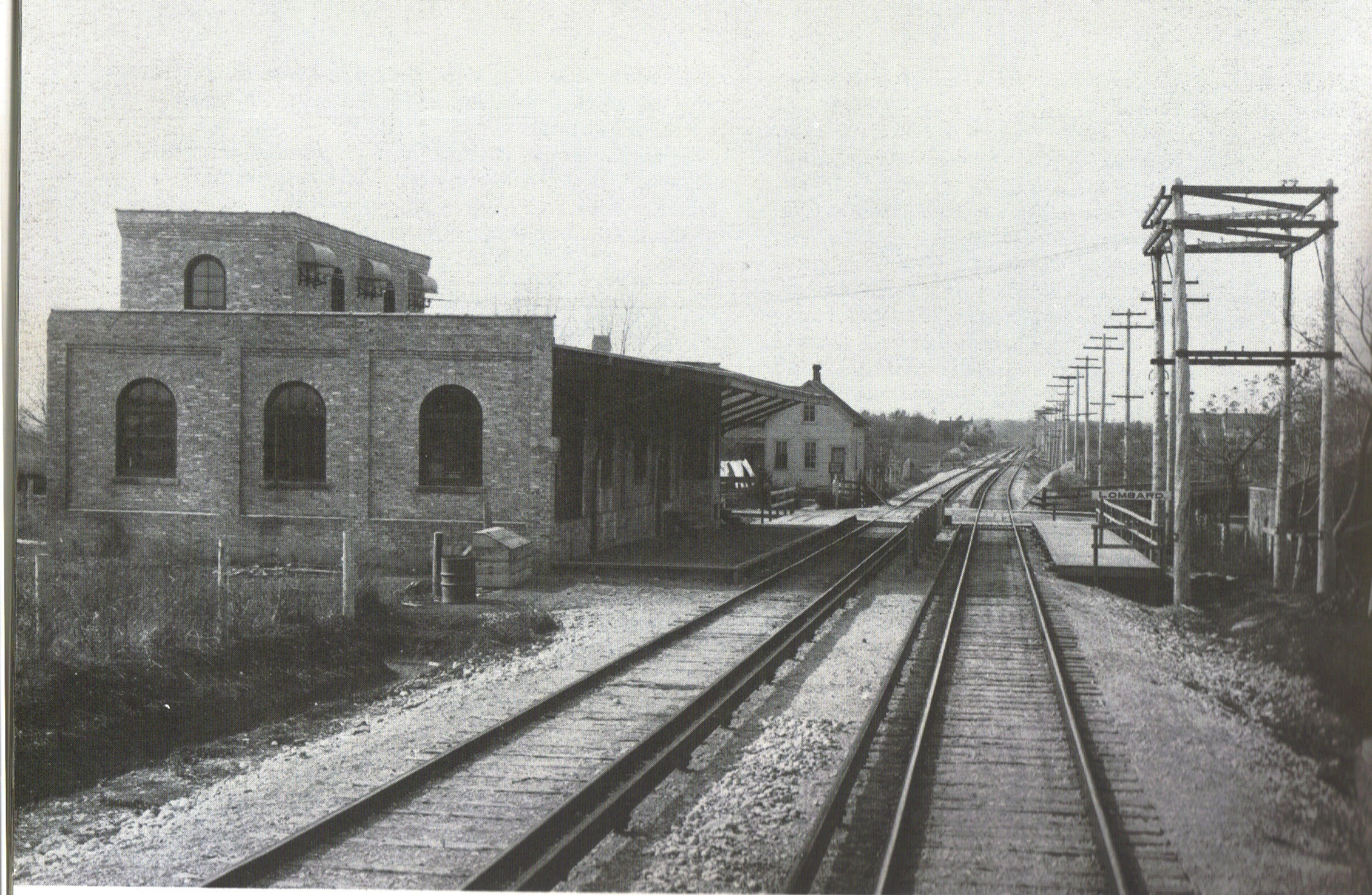
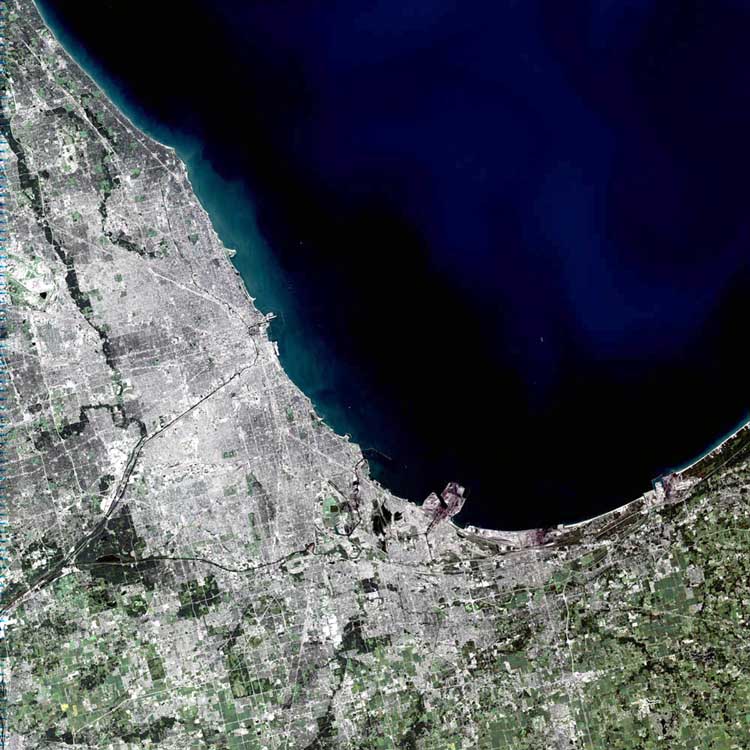
Lombard is a well-established suburb in DuPage County, Illinois, home to roughly 50,000 residents. Set about 22 miles west of downtown Chicago along a corridor that follows the old Lincoln Highway, it carries the unofficial nickname "Lilac Village" thanks to its celebrated flowering park. The community blends mid-century residential streets, mature parkland, and a compact downtown, attracting families and professionals who want quick rail and highway access to Chicago without the density of the city itself.
Lilacia Park anchors the village. Maintained by the Lombard Park District, this roughly eight-acre horticultural park is best known for one of the Midwest's most extensive collections of lilacs, along with thousands of tulips, dwarf evergreens, and flowering crabapples. Each May the park hosts a long-running Lilac Festival and parade that draws visitors from across the Chicago suburbs, and the rest of the year it functions as a quiet, free public garden just steps from downtown Lombard.
About fifteen minutes west in Lisle, the Morton Arboretum offers a much larger natural escape on more than 1,700 acres of oak-lined woodlands, wetlands, and cultivated tree collections. It features miles of paved driving roads, walking and biking trails, a treetop canopy walk, and seasonal exhibits that change throughout the year, making it one of the most-visited outdoor destinations in the western suburbs.
For visitors interested in the area's nineteenth-century roots, the Sheldon Peck House is a Greek Revival farmhouse built around 1848 by an itinerant portrait painter and now operated as a house museum by the Lombard Historical Society. Listed on the National Register of Historic Places, it offers a glimpse of pioneer life on the Illinois prairie and sits just minutes from the village center.
Shoppers and casual visitors will also find plenty to fill an afternoon. Yorktown Center anchors the eastern edge of Lombard with a large enclosed mall, department stores, and dining options, while Paradise Bay Water Park provides family-friendly relief in the summer. Outdoor enthusiasts can step directly onto the Great Western Trail, a regional rail-trail that runs through Lombard and connects to miles of paved path stretching west toward Wheaton and beyond.
For short-term rental investors, Lombard offers a steady mix of demand drivers. Its proximity to Chicago, Metra commuter rail access, the annual Lilac Festival, and its position within the busy DuPage County office corridor give it year-round appeal for leisure travelers, visiting family, and business guests. The combination of small-town character and big-city reach makes it a quietly dependable base in the western suburbs.
Want to know if a property in Lombard is a good investment?
Enter an address to get instant revenue potential and comps.