
Fairfield, Illinois
Want to see how Fairfield compares to other top cities in Illinois? Explore all city regulations in Illinois. →
Fairfield, IL
Generally Investor Friendly
STR Regulations for Fairfield, Illinois
Overview: Are Short‑Term Rentals Allowed in Fairfield, IL?
- Current status: Based on the provided sources, no city‑ or county‑specific short‑term rental regulations were identified for Fairfield, IL, and no local authority contact details were provided. In the absence of local rules, short‑term rentals are generally permissible subject to baseline state of Illinois requirements and compliance obligations (e.g., state/local taxes, business registration, building and fire codes, zoning, and landlord‑tenant rules). You must confirm with the City of Fairfield and Wayne County whether any local permits, registrations, zoning restrictions, or taxes apply before listing.
- Principle: When no local STR ordinance is identified, operators must default to state law and municipal general business and zoning rules. This can still be a viable market, but diligence on local approvals and taxes is essential.
Sources used: www.airbnb.com/help/article/961; hospitable.com/airbnb-regulations-by-city; dimovtax.com/short-term-rental-tax-loophole-guide/
How to Start a Short‑Term Rental Business in Fairfield, IL
- Confirm Zoning and Property Use
- Determine whether your property’s zoning permits short‑term lodging (often treated like a hotel or boarding use).
- If the property is in a homeowners association (HOA), condominium, or co‑op, verify the governing documents allow STRs.
- Principle: No STR is viable if the underlying use is prohibited by zoning or restrictive covenants.
- Set Up a Business Entity and Registration
- Consider forming an LLC or other entity for liability protection and tax planning.
- Register the business with the State of Illinois and obtain any required state tax IDs.
- If the City of Fairfield requires a local business license or registration, obtain it before listing.
- Principle: Registration formalizes operations and avoids fines and tax complications.
- Understand Tax Obligations
- State sales tax: Illinois imposes sales tax on many short‑term rentals; rates vary by location. The Illinois Department of Revenue (IDOR) administers state taxes.
- Local taxes: Many Illinois municipalities levy hotel/motel taxes, and some counties do as well. You may need to register locally to collect and remit these taxes.
- Platform vs. direct bookings: Some platforms automatically collect/remit certain taxes, but you remain responsible for compliance.
- Federal income tax: Rental income is taxable. Consider material participation rules, deductible expenses, and depreciation; consult a CPA to optimize structure and reporting.
- Principle: Tax compliance is not optional. Misclassification or non‑remittance can trigger penalties and back taxes.
- Obtain Insurance and Safety Compliance
- Secure appropriate property and liability insurance for short‑term rentals.
- Ensure the unit meets building, housing, health, and safety standards. If required, complete inspections for habitability and fire safety.
- Principle: Insurance and safety reduce liability risk and protect your investment.
- Prepare the Property and Listing
- Prepare the unit to meet habitability standards (utilities, cleanliness, safety devices, clear instructions).
- Create accurate listings on platforms (Airbnb, Vrbo) and any direct channel, including local tax registration numbers if required.
- Principle: Professional presentation and compliance improve ratings, occupancy, and revenue.
- Establish Operations and Customer Service
- Implement booking, cleaning, maintenance, and guest communication processes.
- Comply with landlord‑tenant law for longer stays; understand eviction procedures if guests establish tenancy.
- Principle: Operational discipline protects your license to operate and your reputation.
Sources used: www.airbnb.com/help/article/961; hospitable.com/airbnb-regulations-by-city; dimovtax.com/short-term-rental-tax-loophole-guide/
What do Airbnb hosts actually earn in Fairfield?
Fairfield hosts earn a median $20,446/year with $108 ADR and 63% occupancy.
Top performers pull in $23,711+ per year.
See the full Fairfield market breakdownRequired Documents, Permits, Licenses, and Guidelines
Given no Fairfield‑specific STR ordinance was found in the provided content, investors should prepare for the following common requirements at the state and local levels. Confirm exact documents with the City of Fairfield and Wayne County.
- Business Registration and Licensing
- State business registration (IL), EIN, and state tax accounts.
- Local business license/registration if required by the City of Fairfield or Wayne County.
- Zoning and Land Use
- Confirmation that STR use is permitted in the subject zoning district.
- HOA/condo board approval or evidence that STRs are allowed.
- Building, Housing, Health, and Safety
- Proof of compliance with habitability and safety standards (e.g., smoke detectors, CO alarms, fire extinguishers, safe egress).
- Inspections if mandated by local or state authorities.
- Permits and Special Authorization
- Special use permit or conditional use approval if required by zoning for transient lodging.
- Short‑term rental registration number, if applicable.
- Taxes and Tax Registration
- State sales tax registration and filings.
- Local hotel/motel occupancy tax registration and filings (if applicable).
- Insurance
- Property and general liability insurance appropriate for STR operations.
- Landlord‑Tenant Compliance
- Documentation confirming compliance with landlord‑tenant law for stays longer than 30 days.
- Recordkeeping and Platform Compliance
- Keep records of rental nights, rates, taxes collected/remitted, expenses, and communications.
- Display any required registration or license numbers on listings where mandated.
Sources used: www.airbnb.com/help/article/961; hospitable.com/airbnb-regulations-by-city; dimovtax.com/short-term-rental-tax-loophole-guide/
Specific Regulations: Fairfield (City/County) and Illinois (State)
- City of Fairfield and Wayne County: The provided sources did not identify a local STR ordinance, license, registration requirements, or local contact details for short‑term rentals. Confirm whether any zoning, business license, permit, or local tax rules apply directly with the city and county.
- State of Illinois:
- Business and Zoning: STRs must comply with applicable zoning and land use rules; check local zoning codes for permitted uses.
- Building, Housing, Health, and Safety: Properties must meet habitability and safety standards; inspections may be required.
- Special Permits: Some jurisdictions require a permit or license for STRs; confirm with local authorities.
- Taxes:
- Sales tax on short‑term rentals is generally applicable and administered by IDOR.
- Many Illinois municipalities impose hotel/motel taxes; you may need to register locally to collect and remit.
- Airbnb and similar platforms may collect and remit certain taxes in some jurisdictions, but you are responsible for compliance.
- Landlord‑Tenant Laws: Longer stays may create tenancy rights requiring compliance with eviction and other statutory processes.
- Other Contracts/Rules: HOA, condo, or co‑op rules, leases, and timeshare rules can restrict or prohibit STRs.
- Federal Tax: Income is taxable. Consider the “14‑day rule,” material participation, deductions, and depreciation. Consult a CPA to optimize reporting and avoid pitfalls.
Principle: In the absence of local STR rules, you must fully comply with state law, municipal business and zoning requirements, and any applicable taxes and safety standards.
Sources used: www.airbnb.com/help/article/961; hospitable.com/airbnb-regulations-by-city; dimovtax.com/short-term-rental-tax-loophole-guide/
Contact Information (Where Available)
- City of Fairfield (Illinois): Not provided in the sources. Verify with the City Clerk or Planning/Zoning Department whether any STR licensing, permits, or local taxes apply.
- Wayne County (Illinois): Not provided in the sources. Confirm whether the County Assessor or Treasurer administers any local lodging taxes or additional requirements.
- Illinois Department of Revenue (IDOR):
- Website: www2.illinois.gov/sites/Gov/IDOR/Pages/default.aspx
- Phone: 1‑800‑732‑8866 or 1‑217‑782‑3336
- Purpose: State sales tax registration, guidance on taxable status of STRs, and local tax liaison.
Principle: Contact local authorities early to prevent non‑compliance. If local contacts are not publicly identified in the sources, you must research or reach out directly to the City of Fairfield and Wayne County.
Sources used: www.airbnb.com/help/article/961; hospitable.com/airbnb-regulations-by-city; dimovtax.com/short-term-rental-tax-loophole-guide/
Links to Source Pages (Available)
- Airbnb Help Center – Regulations that may apply in your jurisdiction: www.airbnb.com/help/article/961
- Hospitable – Airbnb Regulations by City: hospitable.com/airbnb-regulations-by-city
- Dimov Tax – Understanding Short‑Term Rental Tax Loopholes (14‑day rule, deductions, compliance): dimovtax.com/short-term-rental-tax-loophole-guide/
- Illinois Department of Revenue (IDOR) – State tax guidance and local tax liaison: www2.illinois.gov/sites/Gov/IDOR/Pages/default.aspx
Notes and Next Steps
- Because no Fairfield‑specific STR rules or contacts were identified in the provided content, treat this as a high‑due‑diligence market. Verify zoning, licensing, and local taxes with the City of Fairfield and Wayne County before listing.
- If a local hotel/motel tax exists, ensure you register, collect, and remit correctly; penalties for non‑compliance can be significant.
- Engage a local attorney and CPA familiar with Illinois lodging and landlord‑tenant law to finalize your compliance strategy.
Disclaimer: This guide summarizes general regulatory frameworks and tax considerations; it is not legal or tax advice. Local rules change frequently and may be stricter than state baselines. Always consult your local government and qualified professionals before operating.
Next step
Found a property in Fairfield?
Paste any address and get estimated revenue, cash-on-cash return, and comparable STR performance in under 5 minutes. 3 free analyses per day.
Free brief
Get the free Fairfield STR Investment Brief
Revenue data, top neighborhoods, seasonal trends, and the key regulations for Fairfield, Illinois in one email.
Fairfield
Market Saturation Score
Photos of Fairfield
Overview of Fairfield
Fairfield is a small city in southeastern Illinois and serves as the county seat of Wayne County. With a population of approximately 5,000 residents, the community has the unhurried, neighborly character typical of rural Midwestern county seats, surrounded by a landscape of corn and soybean fields, wooded lowlands, and scattered farm reservoirs. The town functions as a regional hub for shopping, healthcare, and government services for the surrounding rural communities, and it is best known as a calm, central base for exploring the natural and historic corners of southeastern Illinois. It sits roughly 110 miles east of St. Louis, Missouri, and about 70 miles northwest of Evansville, Indiana, both of which are accessible for day trips.
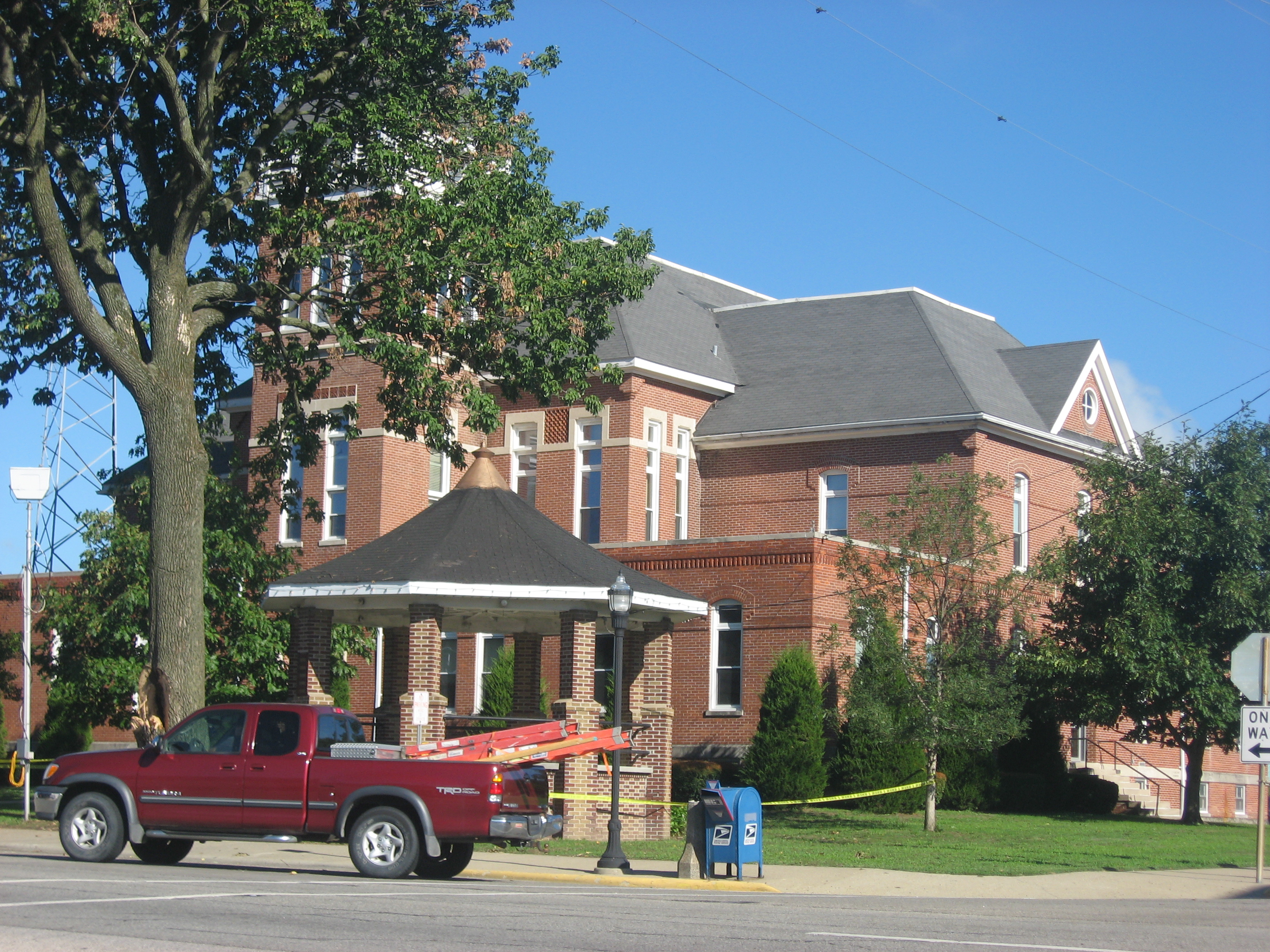
The historic Wayne County Courthouse anchors the downtown square and remains one of the town's most recognizable landmarks. Built in the late 19th century and reflecting the classical revival style common to Illinois county seats of that era, the courthouse is an active center of civic life and a popular subject for visitors interested in small-town American architecture. The surrounding square, with its mix of locally owned shops and small businesses, gives visitors an easy place to stroll and get a feel for the community's everyday rhythm.
Just a short drive northwest of town, Sam Dale Lake State Fish and Wildlife Area provides a welcome introduction to the outdoor opportunities of the region. The site centers on a modest lake surrounded by woodlands and is managed for fishing, hunting, hiking, and wildlife observation. It is a favorite with local anglers and a relaxing destination for travelers looking to spend a few hours on the water or on the trails, and it represents the kind of quiet outdoor experience that defines much of the surrounding countryside.
For visitors willing to drive a bit farther, the broader region offers additional appeal. The Shawnee National Forest lies to the south and southwest, and the dramatic rock formations and overlooks of the Garden of the Gods Wilderness are within reach for a longer day trip. Closer to home, the backroads of Wayne and surrounding counties reveal a slower, agricultural side of Illinois that is easy to miss when passing through on the interstate, with covered bridges, historic churches, and the Little Wabash River landscape offering a genuine taste of the region's heritage.
Fairfield makes a compelling base for short-term rentals because it offers the affordability and quiet of small-town life while keeping travelers within easy reach of two mid-sized cities and a surprising variety of outdoor destinations. Its central location in southeastern Illinois, its classic courthouse square, and its proximity to lakes, forests, and river country give guests the chance to pair a relaxing stay with day trips in nearly any direction, making it a practical and appealing home base for exploring this often-overlooked corner of the Midwest.
Want to know if a property in Fairfield is a good investment?
Enter an address to get instant revenue potential and comps.