
Stanley, Idaho
Want to see how Stanley compares to other top cities in Idaho? Explore all city regulations in Idaho. →
Stanley, ID
Generally Investor Friendly
STR Regulations for Stanley, Idaho
Executive Summary
Short-term rentals ARE allowed in Stanley, Idaho. The city has established a regulatory framework that permits vacation rental operations within city limits, requiring business licensing, tax compliance, and adherence to building codes. Stanley takes a municipal approach to STR regulation, with the City Clerk's Office serving as the primary authority for licensing and compliance oversight.
What do Airbnb hosts actually earn in Stanley?
Stanley hosts earn a median $29,708/year with $199 ADR and 59% occupancy.
Top performers pull in $45,524+ per year.
See the full Stanley market breakdownOverview of Short-Term Rental Permissibility
Stanley, Idaho explicitly permits short-term rental operations within city limits. The city has developed specific forms and processes for vacation rental businesses, including dedicated tax return forms for vacation rentals and business licensing requirements. This indicates a supportive regulatory environment for STR operators, though compliance with municipal regulations remains mandatory.
The regulatory framework in Stanley reflects Idaho's broader decentralized approach to vacation rental oversight, where state law permits STRs in residential zones while delegating detailed regulatory authority to local governments. Stanley has chosen to regulate STRs through its business licensing system and tax collection mechanisms rather than implementing outright prohibitions or severe restrictions.
Starting a Short-Term Rental Business in Stanley, Idaho
Step 1: Property Research and Due Diligence
Before purchasing or converting a property for short-term rental use in Stanley, verify zoning compliance and property suitability. While Stanley permits STRs, properties must meet basic building and safety standards. Contact the city to confirm:
- Property zoning allows short-term rental operations
- Building code compliance for guest accommodation
- Any property-specific restrictions or requirements
Step 2: Business Licensing Process
Stanley requires all businesses operating within city limits to obtain an annual business license. This license is essential for legal STR operation and must be renewed yearly. The business license application process includes:
- Completion of the official business license application form
- Submission of required property documentation
- Payment of applicable licensing fees
- Annual renewal requirement
Step 3: Tax Registration and Compliance
Stanley implements an option tax system for vacation rentals, requiring operators to file monthly tax returns. This includes:
- Registration for option tax collection
- Monthly filing of vacation rental option tax returns
- Remittance of collected taxes to the city
- Record-keeping for audit purposes
Step 4: Building and Safety Compliance
Properties used for short-term rental may require building permits depending on the scope of improvements or conversions. Stanley's building permit process requires:
- Submission of building permit applications at least ten days prior to council meetings
- Compliance with local building codes and safety standards
- Coordination with city building officials for inspections and approvals
Step 5: Ongoing Compliance Management
Successful STR operation in Stanley requires consistent attention to:
- Business license annual renewals
- Monthly option tax filings
- Building code maintenance and compliance
- Response to city communications and requests
Required Documents, Permits, Licenses, and Guidelines
Business License
- Purpose: Required for all businesses operating within Stanley city limits
- Requirement: Annual renewal required
- Application: Complete city business license application form
- Documentation: Property ownership proof, operator identification, business information
- Timeline: Must be current before operating a short-term rental
Option Tax Registration
- Purpose: Tax collection for vacation rental operations
- Requirement: Monthly filing required
- Form: "Option Tax Return Form Vacation Rentals" (specific to STR operations)
- Payment: Remittance of collected option taxes
- Alternative: Email submission permitted when no payment is required
Building Permits
- Requirement: Required for building modifications, improvements, or new construction
- Application Process: Submit applications at least ten days before city council meetings
- Supporting Documents: Construction plans, safety specifications, compliance certifications
- Special Permits: May be required for properties in designated areas (floodplains, etc.)
Safety and Compliance Documentation
- Building code compliance certifications
- Safety equipment specifications (smoke detectors, fire extinguishers, etc.)
- Property maintenance plans
- Emergency contact information and procedures
Financial and Tax Records
- Sales and option tax collection records
- Monthly tax remittance documentation
- Business expense records for tax reporting
- Guest booking and payment records
Specific Regulations for Short-Term Rentals
Municipal Regulations (Stanley City)
Business Operations:
- All STR operators must maintain current business licenses
- Business license renewal occurs annually
- Operation without proper licensing constitutes a violation
Tax Obligations:
- Monthly option tax filing required for vacation rentals
- Tax returns must be submitted even if no tax is due ($0 payments)
- Email submission permitted for $0 option tax returns
- Specific tax forms exist for vacation rental operations
Building and Safety:
- Building permits required for modifications or new construction
- Ten-day advance submission requirement for building permit applications
- Council approval required for building permits
- Floodplain development permits may be required for properties in designated areas
Zoning and Land Use:
- Short-term rentals permitted within city limits
- Compliance with general zoning requirements for accommodation businesses
- Property modifications must comply with local zoning and building codes
County Regulations (Custer County)
While Stanley operates its own municipal licensing system, STR operators should also be aware of any Custer County requirements that may apply:
- County-level zoning or land use regulations
- County tax obligations beyond municipal requirements
- Building and safety codes enforced at the county level
State Regulations (Idaho)
State Law Framework:
- Idaho state law permits short-term rentals in residential zones
- Cities cannot outright ban STRs in residential areas
- State-level regulation focuses primarily on taxation
State Tax Obligations:
- 6% Idaho sales tax on short-term accommodations
- 2% Travel and Convention Tax on lodging
- State tax registration and remittance requirements
Building and Safety Standards:
- State building codes establish minimum safety requirements
- Smoke detector and carbon monoxide alarm requirements
- Fire safety equipment standards
Insurance Requirements:
- State law does not mandate specific liability coverage for STRs
- Standard homeowners insurance typically does not cover commercial STR activity
- Professional STR insurance recommended for adequate protection
Contact Information for Local STR Authorities
City of Stanley - Primary Contact
City Clerk's Office
- Phone: 208-774-2286
- Email: cityclerk@cityofstanleyid.gov
- Mailing Address:
- PO Box 53
- 510 Eva Falls Ave.
- Stanley, ID 83278
Office Hours:
- Summer Hours (May-Oct): Monday-Thursday, 8AM-4PM
- Winter Hours (Nov-Apr): Monday-Thursday, 9AM-3PM
- Additional Services: Notary services available by appointment
Online Resources:
- City Website: www.cityofstanleyid.gov
- Forms and Applications: www.cityofstanleyid.gov/forms-and-applications
- Contact Information: www.cityofstanleyid.gov/contact
Social Media and Communication
- Facebook: City of Stanley Local Government page
- Mailing List: Email subscription available for city meeting notifications and updates
Additional Resources
- City Code: Available on city website
- Building Department: Coordinate through City Clerk's office
- Business Licensing: Direct coordination with City Clerk's office
Links to Source Pages
Primary Source Documents
-
City of Stanley Forms and Applications: www.cityofstanleyid.gov/forms-and-applications
- Business License Application Form
- Option Tax Return Form for Vacation Rentals
- Building Permit Applications
-
City of Stanley Contact Page: www.cityofstanleyid.gov/contact
- Complete contact information for all city departments
- Office hours and service availability
-
Stanley Business License Document: www.cityofstanleyid.gov/_files/ugd/953ffb_e086e112e8244851a2644f481f63109a.pdf
-
Option Tax Return Form for Vacation Rentals: www.cityofstanleyid.gov/_files/ugd/953ffb_a1fbc2c4e5e54226953b6307d8a27363.pdf
-
Building Permit Information: www.cityofstanleyid.gov/_files/ugd/953ffb_0ee9c4978a564b40869c87866ccf6f13.pdf
Supporting Information
- Stanley City Website Main Page: www.cityofstanleyid.gov
- Idaho STR Regulatory Overview: www.checkmaterentals.com/blog/idaho-airbnb-str-laws (general Idaho context)
Important Note: This guide is based on publicly available information from the City of Stanley's official website and related municipal documents. Short-term rental regulations can change, and specific property situations may require additional or different documentation. Always verify current requirements directly with the City Clerk's Office before initiating STR operations. Consider consulting with local legal and tax professionals familiar with Stanley's municipal regulations for comprehensive compliance guidance.
Next step
Found a property in Stanley?
Paste any address and get estimated revenue, cash-on-cash return, and comparable STR performance in under 5 minutes. 3 free analyses per day.
Free brief
Get the free Stanley STR Investment Brief
Revenue data, top neighborhoods, seasonal trends, and the key regulations for Stanley, Idaho in one email.
Stanley
Market Saturation Score
Photos of Stanley

Overview of Stanley
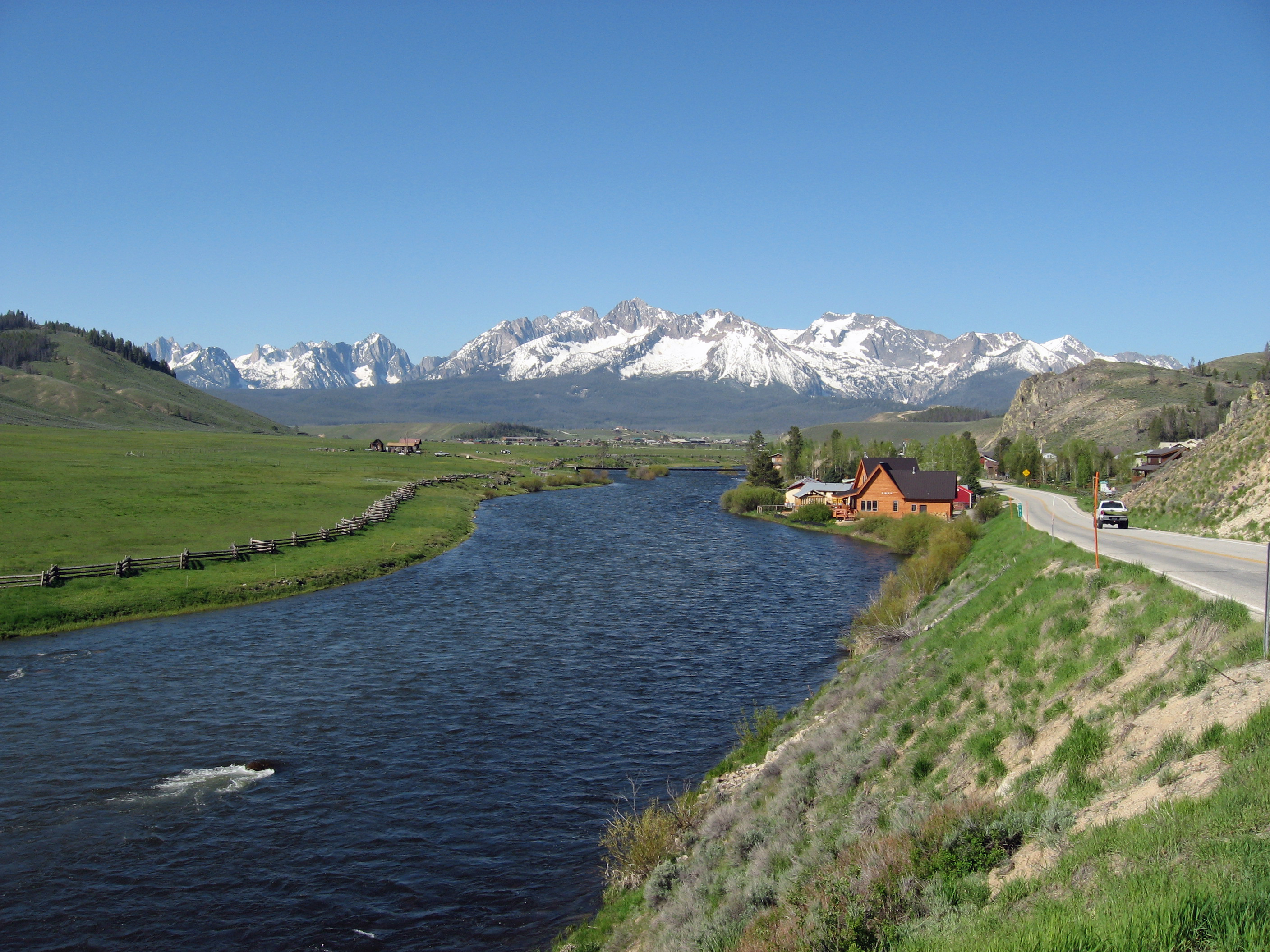
Stanley is a tiny mountain town in Custer County, Idaho, with a year-round population of just over 100 residents. Tucked into the Sawtooth Valley at the foot of the Sawtooth Mountains, the community has a rugged, outdoorsy character that has long drawn hikers, anglers, rafters, and photographers. It serves as the primary gateway to the Sawtooth National Recreation Area and is widely regarded as one of the most scenic small towns in the American West. The nearest major city is Boise, roughly 130 miles to the southwest, with a typical drive taking about three hours through mountain and high-desert terrain.
The biggest draw is the Sawtooth National Recreation Area, a vast preserve of jagged peaks, glacial lakes, and pine forest that begins just outside of town. Within minutes of Stanley, visitors can access hundreds of miles of hiking trails, dozens of alpine lakes, and classic Idaho backcountry, including the Sawtooth Wilderness at its heart. The area is the single biggest reason visitors travel to the region, and it pulls travelers from across the country in both summer and shoulder seasons.
Just a few miles south of town, Redfish Lake anchors the southern end of the recreation area and offers a rare combination of accessibility and dramatic scenery. The lake is known for its clear water, views of the Sawtooth peaks, and the namesake sockeye salmon that return to its tributary streams. It is roughly a ten-minute drive from Stanley and supports swimming, kayaking, paddleboarding, and a network of lakeside and backcountry trails.
Flowing right through the heart of Stanley, the [Salmon River](en.wikipedia.org/wiki/Salmon_River_(Idaho) — sometimes called the "River of No Return" — is one of the longest free-flowing rivers in the contiguous United States. From town, outfitters launch multi-day rafting and drift-boat trips through the main Salmon and the nearby Middle Fork, both of which carry Wild and Scenic designations. Anglers also travel to Stanley for its blue-ribbon trout fishing, with the river and surrounding lakes drawing visitors from across the country each summer.
Stanley appeals to short-term rental investors because it offers something few small mountain towns can: a tight footprint of lodging surrounded by a deep bench of year-round outdoor attractions. Summer brings the highest demand with hikers and rafters, while fall draws hunters and leaf-peepers, and winter opens up backcountry skiing, snowshoeing, and access to the Sun Valley resort area roughly an hour and a half to the east. The combination of natural beauty, limited in-town supply, and consistent seasonal visitation makes the market unusually resilient for a community of its size.
Want to know if a property in Stanley is a good investment?
Enter an address to get instant revenue potential and comps.