
Salmon, Idaho
Want to see how Salmon compares to other top cities in Idaho? Explore all city regulations in Idaho. →
Salmon, ID
Challenging To Investors
STR Regulations for Salmon, Idaho
Executive Overview: Are Short-Term Rentals Allowed in Salmon, ID?
Short-term rentals (STRs) are allowed in Idaho, and there are no statewide prohibitions that would prevent operating an STR in Salmon, ID. Idaho is a home-rule state, so local city or county rules may exist and must be respected. Based on the provided materials, there are no Salmon-specific regulations captured. However, the state of Idaho imposes a 6% sales tax on short-term rentals, which hosts must collect and remit. Regionally, other Idaho cities (for example, nearby Challis) require a local business license to operate an STR and follow local zoning and health/safety codes; you should assume similar requirements may apply in Salmon and verify with city/county authorities before opening.
What do Airbnb hosts actually earn in Salmon?
Salmon hosts earn a median $22,195/year with $151 ADR and 49% occupancy.
Top performers pull in $28,265+ per year.
See the full Salmon market breakdownMarket Snapshot (Why Salmon)
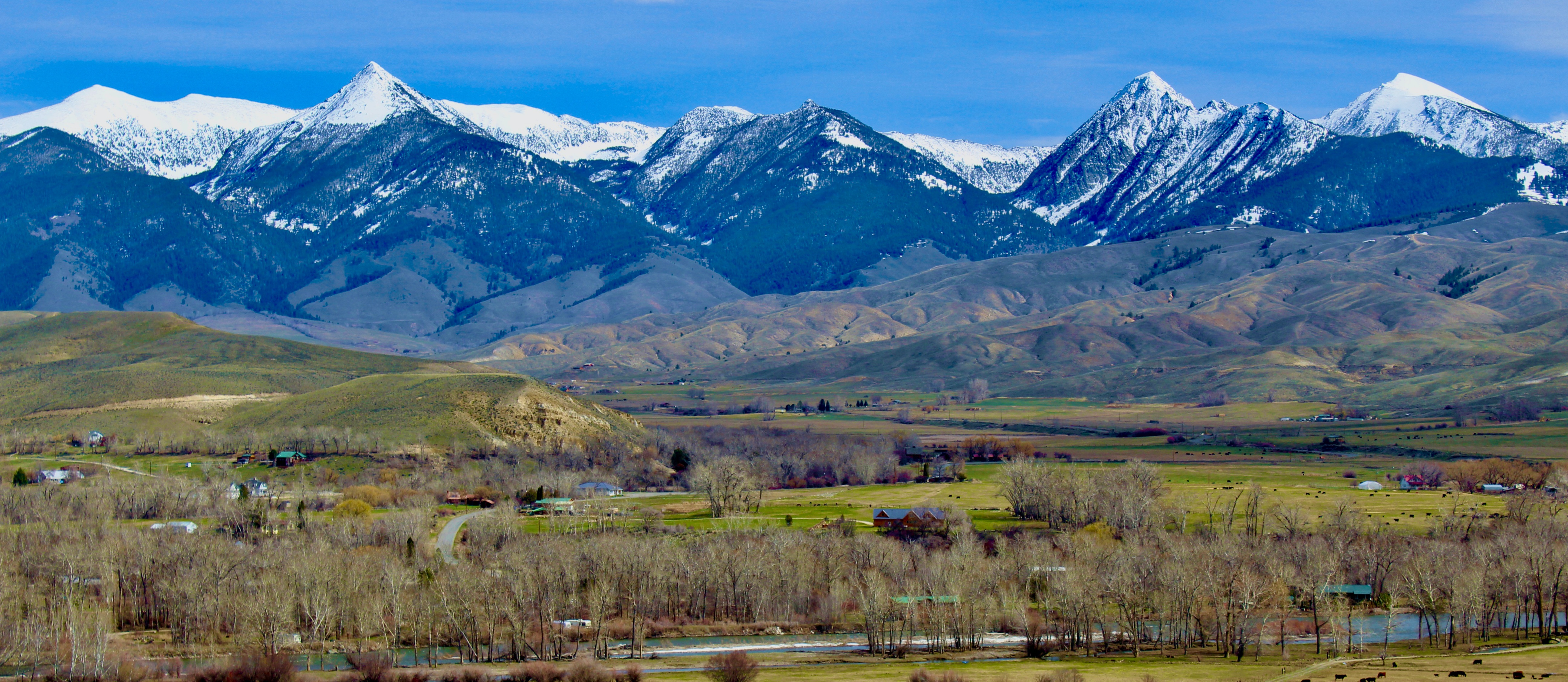
Salmon sits along the Salmon River in west-central Idaho and is a gateway to outdoor recreation. From warm-water fun on the Salmon River in Riggins to campgrounds and access points for angling, boating, hiking, and scenic drives, the area draws seasonal visitation that can support a short-term rental strategy. However, like many small Idaho towns, booking volumes and pricing can be seasonal. Given the absence of Salmon-specific STR data in the provided content, investors should conduct independent due diligence on occupancy, rates, and competition. Sources: visitidsw.org (regional recreation context).
How to Start an STR Business in Salmon, ID
-
Confirm zoning and use permissions. Verify with the City of Salmon and Lemhi County that an STR is a permitted use at your property address and any special use or conditional use requirements. Sources: City of Salmon official website; Lemhi County official website.
-
Obtain required local authorizations. If a local business license is required in Salmon (as nearby Challis requires for STRs), apply and maintain it. Check with the City for licensing application forms and fees. Sources: City of Salmon official website; Challis STR example from gosummer.com.
-
Register for state tax accounts. Idaho applies a 6% sales tax to transient lodging (short-term rentals). Register with the Idaho State Tax Commission to obtain any necessary sales tax permits and set up remittance processes. Source: Idaho.gov.
-
Comply with health, safety, and building standards. Ensure your property meets state and local codes (fire, safety, sanitation). If the city or county inspects STRs, schedule and pass required inspections. Sources: City of Salmon/Lemhi County; Idaho.gov.
-
Establish insurance and tax practices. Carry appropriate short-term rental liability and property coverage. Maintain a reliable system to collect the 6% state sales tax and any applicable local taxes and remit on schedule. Source: Idaho.gov.
-
Set up operational systems. Use a trusted channel manager/booking platform, adopt house rules and cancellation policies aligned with Idaho law, and prepare a clean, safe guest experience with proper disclosures (parking, quiet hours, etc.).
Required Documents, Permits, Licenses, and Guidelines
State-level requirements (Idaho):
- State sales tax registration and remittance for transient lodging (6% sales tax applies to STRs). Source: Idaho.gov.
- Adherence to Idaho health and safety standards (property condition, egress, fire safety, sanitation).
Potential local requirements (Salmon/Lemhi County; confirm with city/county before opening):
- Business license (some Idaho municipalities require it for STRs; nearby Challis does).
- Zoning compliance or special/conditional use permits.
- Fire, safety, or health inspections, if applicable.
- Local registration or thresholds (e.g., nights per year), if adopted.
- Local lodging taxes, if applicable (many Idaho cities/counties charge an additional lodging tax; confirm for Lemhi County/Salmon).
Note: Because the provided content does not include Salmon-specific forms or fees, contact the City of Salmon and Lemhi County directly for the definitive requirements.
Regulations and Taxes (City, County, State)
- State of Idaho: No statewide ban on STRs; 6% sales tax applies to short-term rentals. Hosts must collect and remit. Source: Idaho.gov.
- City of Salmon: No specific STR rules or forms found in the provided content. You must verify whether a local business license, zoning approval, inspections, and/or local lodging tax are required. Source: City of Salmon official website.
- Lemhi County: No county-specific STR regulations were found in the provided content. Confirm whether county zoning, health, or lodging tax rules apply. Source: Lemhi County official website.
- Regional precedent (informational): Nearby Challis requires a business license for STRs, cautions about zoning restrictions in residential areas, and reminds hosts to meet health/safety/building codes. Use this only as an analog, not a substitute for Salmon rules. Source: gosummer.com (Challis).
Contact Information (Local Authority)
-
City of Salmon (City Hall)
- Phone: (208) 756-3218
- Email/Website: Visit the City of Salmon official website (cityofsaldam.com) for permit forms, licensing, and zoning contacts.
-
Lemhi County (County Offices)
- Phone: See the Lemhi County official website (lemhicountypa.com) for current contact numbers.
- Website: lemhicountypa.com
-
Idaho State Tax Commission
- Phone/Website: See Idaho.gov (tax.idaho.gov) for transient lodging/sales tax registration and guidance.
When calling or emailing, ask specifically about:
- Business license requirements for short-term rentals.
- Zoning classification and whether a special/conditional use permit is required.
- Any local lodging or hotel/motel taxes and the current combined rate.
- Inspection requirements and required safety standards.
Source Pages and Links (Important)
- Idaho State Tax Commission (state sales tax on transient lodging): tax.idaho.gov/
- City of Salmon official website (local permits/licensing/zoning): cityofsaldam.com/
- Lemhi County official website (county zoning/health): lemhicountypa.com/
- Visit the Salmon River area (regional recreation context): visitidsw.org/
- Vacasa lodging tax overview in Idaho (state lodging tax context): www.vacasa.com/press/press-release/us-states-tax-second-homeowners-and-short-term-rental-guests-idaho/
- Challis, Idaho STR regulations (municipal example): www.gosummer.com/vacation-rental-management/challis-idaho
Practical Notes for Investors
- Because Salmon-specific rules were not included in the provided content, treat the above as the regulatory foundation and verify locally.
- Expect seasonality to influence occupancy and pricing; plan cash reserves accordingly.
- Adopt proactive guest communication and strong house rules to mitigate noise andparty risks typical in small-town settings.
- Maintain a compliance calendar for tax remittance and license renewals, and keep a compliance file with permits, inspections, and tax records.
This guide reflects only the information provided in the source content and verified Idaho state references. Always confirm local requirements with the City of Salmon and Lemhi County before opening.
Next step
Found a property in Salmon?
Paste any address and get estimated revenue, cash-on-cash return, and comparable STR performance in under 5 minutes. 3 free analyses per day.
Free brief
Get the free Salmon STR Investment Brief
Revenue data, top neighborhoods, seasonal trends, and the key regulations for Salmon, Idaho in one email.
Salmon
Market Saturation Score
Photos of Salmon

Overview of Salmon
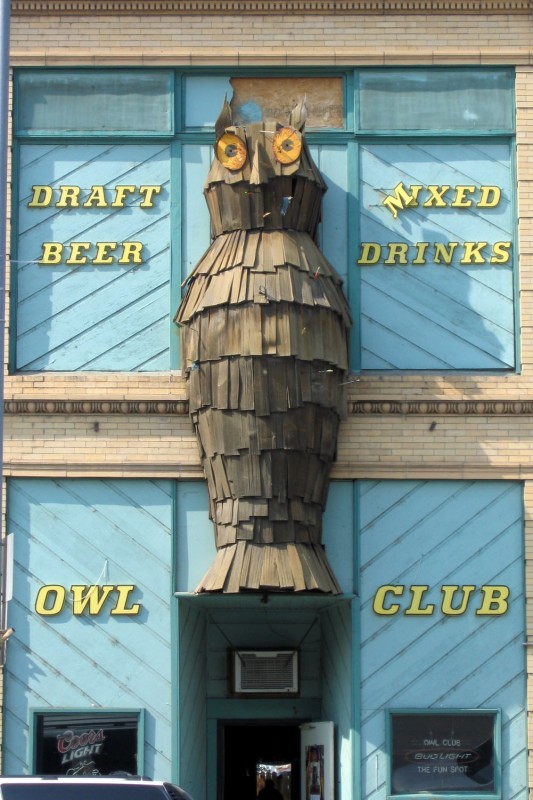
Salmon is a small mountain town that serves as the county seat of Lemhi County in central Idaho, with an approximate population of around 3,100 residents. Tucked into the Salmon River valley between the Beaverhead and Bitterroot mountain ranges, the town has the rugged, unpretentious character of a classic Western outpost, and its economy and identity are tightly bound to the surrounding wilderness. It is widely known as the gateway to the Salmon River, often called the "River of No Return," and the vast Frank Church–River of No Return Wilderness that surrounds it. Salmon lies roughly 230 miles north of Boise, the nearest major city, a drive of about four and a half hours through the high desert and mountain country of central Idaho, and it sits just a few hours south of Missoula, Montana, by way of Lost Trail Pass.
The Salmon River corridor is the single biggest draw, and Salmon is a primary staging ground for float trips, drift-boat fishing, and whitewater rafting through the Frank Church–River of No Return Wilderness, the largest wilderness area in the lower 48 states. Outfitters in town launch multi-day trips down the main Salmon and the Middle Fork, with put-in points ranging from about 30 minutes to a couple of hours outside town. Hikers, hunters, and horseback riders also use Salmon as a base for accessing the surrounding Salmon-Challis National Forest, whose millions of acres of terrain contain hundreds of alpine lakes, hot springs, and trails.
The region carries deep historical significance as the homeland of the Lemhi Shoshone and the country Sacagawea guided Lewis and Clark through in 1805. That history is interpreted at the Sacagawea Interpretive, Cultural and Education Center on Salmon's main street, which honors the Lemhi Shoshone perspective on the expedition and on Sacagawea herself. A short drive west of town leads to Lemhi Pass on the Montana border, where the Lewis and Clark expedition first crossed the Continental Divide, a site that is part of the broader Lewis and Clark National Historic Trail and reachable in roughly an hour and a half.
A bit farther afield, the Bitterroot National Forest begins just across the Montana line, about an hour north, offering additional hiking and the scenic Lost Trail Powder Mountain ski area in winter. Closer to town, the Salmon River itself has numerous public access points, campgrounds, and swimming holes within a short drive, and the surrounding foothills are laced with ATV and snowmobile routes.
Salmon is a compelling base for short-term rentals precisely because it sits at the meeting point of a storied river, a massive wilderness, and a layered Western history, all within a few hours of a major airport. Visitors are drawn by multi-day rafting and fishing trips, road-trippers heading through central Idaho, and travelers retracing the Lewis and Clark route, and the town's compact size means guests typically need a place to stay with room to spread out, a kitchen for river-trip mornings, and a front porch to come back to after a long day outside.
Want to know if a property in Salmon is a good investment?
Enter an address to get instant revenue potential and comps.