
Elk City, Idaho
Want to see how Elk City compares to other top cities in Idaho? Explore all city regulations in Idaho. →
Elk City, ID
Generally Investor Friendly
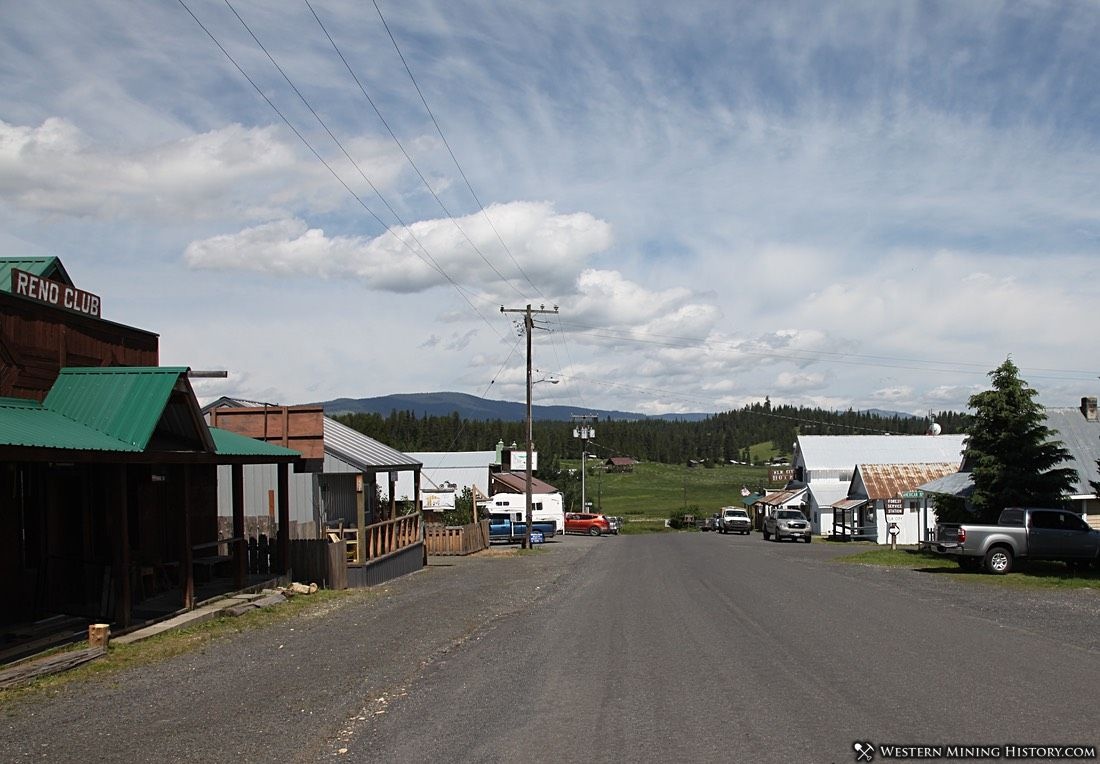
STR Regulations for Elk City, Idaho
Overview: Are Short-Term Rentals Allowed in Elk City, Idaho?
- Elk City is an unincorporated community in Lemhi County; there is no city-level short‑term rental (STR) ordinance in the provided materials.
- Under the Lemhi County Development Code (2022-2), “Agricultural and Residential uses are allowed in all zoning districts.” If your STR is conducted as a residential use (i.e., renting a dwelling you own or control for transient lodging, without changing the fundamental residential character), it is likely allowed without a special use permit in Elk City’s county zoning context.
- If the STR activity becomes “non-residential” in nature (for example, operating like a commercial lodging business with frequent turnovers and significant on-site services), it could be interpreted as a use beyond “residential,” in which case a special use permit may be required. Because STRs are not explicitly defined in the code, confirm the permissibility and any permit needs with the Lemhi County Planning & Zoning Administrator before starting operations.
- State-level Idaho requirements still apply (see State section below). Always confirm with the county zoning office before investing to avoid zoning missteps.
Source
- Lemhi County Development Code, Ord. 2022-2 (Zoning Districts and Allowed Uses): www.lemhicountyidaho.org/sites/g/files/vyhlif7506/f/uploads/2022_lemhi_county_development_code_08-08-2022.pdf
What do Airbnb hosts actually earn in Elk City?
Elk City hosts earn a median $13,519/year with $152 ADR and 39% occupancy.
Top performers pull in $19,688+ per year.
See the full Elk City market breakdownHow to Start a Short-Term Rental Business in Elk City (Lemhi County)
- Confirm zoning status and permit needs
- Contact the Lemhi County Planning & Zoning Administrator to verify:
- That your property’s zoning allows residential use.
- Whether your planned STR operation (frequency, services, number of guests, on-site management) fits within “residential use” or requires a special use permit.
- If the property is in a special overlay district (e.g., Special Flood Hazard Overlay, Airport Safety Overlay), which can impose additional conditions.
- Any site-specific constraints (setbacks, access, parking, emergency access).
- Secure necessary land-use approvals (if applicable)
- If a special use permit is required for your STR use:
- Submit a complete application with site plan, parking/turnaround details, emergency contact information, and a narrative showing compatibility with the neighborhood and Code performance standards.
- Be prepared for public notice and a hearing before the Planning & Zoning Commission. Decisions can be appealed to the Board of County Commissioners (BOCC).
- Note: approvals are valid for one year unless construction or operation begins; extensions require written request.
- Meet building and life-safety requirements
- Structural, electrical, plumbing, and fire/life-safety requirements apply to all dwellings. If your STR involves:
- New construction, significant interior alterations, changes in use/occupancy, or installation of additional sleeping rooms, a building permit may be required.
- Adequate egress, smoke detectors, carbon monoxide detectors, and fire extinguishers are standard expectations for any residential rental.
- Address short-term rental operations
- Occupancy, parking, and noise must be managed to meet residential neighborhood standards.
- Ensure lawful access (no parking or storage in road right-of-way), and provide clear guest guidelines to prevent disturbances.
- Maintain contact information for a responsible party able to respond 24/7 during rental periods (this is a common best practice and a requirement in some Idaho cities; confirm whether Lemhi County expects this for your permit).
- Collect and remit Idaho taxes
- State sales tax and, where applicable, the Idaho hotel/lodging tax (often called the “hotel tax”) are generally required for STRs. File and pay via the Idaho Tax Commission’s MyTax portal.
- If hosting through platforms that collect and remit on your behalf, verify that they are doing so correctly for your situation and keep records.
- Insurance and liability
- Maintain appropriate property and liability coverage. Some insurers treat frequent short-term occupancy differently from long-term tenancy; confirm your policy covers transient rentals.
- HOA/Covenants and neighboring rights
- If the property is in a planned community, condominium, or subdivision with covenants restricting “commercial use,” review those documents. Many courts find short‑term rentals do not violate “residential use only” covenants unless the covenants explicitly limit rental duration or prohibit transient rentals. However, aggressive advertising, high turnover, or operating as a business (e.g., under an LLC with hotel-like operations) can lead courts to classify the use as “commercial.” Check and comply with your community’s rules.
- Be a good neighbor: excessive noise, trash, parking, or frequent high-turnover guest activity can prompt complaints and enforcement even in permitted residential uses.
Sources
- Lemhi County Development Code, Ord. 2022-2 (Ch. 3 for permit process; Ch. 4 for zoning; Ch. 6–8 for performance standards; Ch. 3.7 for public notice and appeals): www.lemhicountyidaho.org/sites/g/files/vyhlif7506/f/uploads/2022_lemhi_county_development_code_08-08-2022.pdf
- Legal context on HOA “residential use only” covenants and STRs: www.nlrg.com/legal-content/the-lawletter/property-short-term-rentals-and-hoa-residential-use-only-covenants
Required Documents, Permits, Licenses, and Guidelines
County-level (Lemhi County)
- Zoning verification/interpretation: Written confirmation from the Planning & Zoning Administrator on whether your STR is an allowed residential use, and whether a special use permit is needed.
- Special Use Permit (if required): Application form, site plan, parking and access plan, narrative of operations (occupancy, frequency, on-site management), and any studies required by the Code or Commission. Public noticing and a hearing are part of the process.
- Building permits: As applicable for construction/alterations or changes in occupancy/use; ensure all life-safety measures are in place.
- Appeal rights: Any decision by the Administrator may be appealed to the Planning & Zoning Commission; Commission decisions may be appealed to the BOCC.
State-level (Idaho)
- Registration with Idaho State Tax Commission for sales and lodging taxes; set up a MyTax account to file and remit.
- Compliance with the Idaho Lodging Safety Act (if applicable): Many lodging properties are subject to health and safety inspections for fire, sanitation, and other standards. Confirm whether your STR classification triggers these requirements and whether a health inspection is required.
Local-level
- Fire district/EMS contact and pre-approval for emergency access if your property is in a more remote area.
- Road department coordination if access/parking affects county roads or easements.
Note: The Lemhi County materials do not identify a separate, county‑wide “STR permit” or occupancy limit; all decisions should be anchored in the County’s zoning, building, and health/safety frameworks and confirmed with the Administrator.
Source
- Lemhi County Development Code, Ord. 2022-2 (for zoning, permits, processes, and appeals): www.lemhicountyidaho.org/sites/g/files/vyhlif7506/f/uploads/2022_lemhi_county_development_code_08-08-2022.pdf
Specific Regulations: Elk City (Lemhi County) and Idaho
Lemhi County (Elk City is in Lemhi County; unincorporated)
- Allowed Uses: Agricultural and Residential uses are permitted in all zoning districts. If your STR is conducted as a residential use, it is likely permitted without a special use permit. If it is commercial in nature or intensity, it may require a special use permit.
- Permits and Hearings: Special use permits, variances, and certain other approvals require applications, public notice, hearings before the Planning & Zoning Commission, and potential appeal to the BOCC.
- Performance Standards: Developments/uses must meet standards for compatibility, infrastructure, and life safety ( Chapters 6–8 ). If your STR intensifies site impacts (traffic, parking, noise), the Commission may attach conditions to mitigate effects.
- Enforcement: Operating without required approvals can trigger notices of violation, misdemeanor penalties, civil enforcement, and remediation at the owner’s expense. The County may deny future permits until compliance is achieved.
- Appeals: Decisions by the Administrator may be appealed to the Commission; Commission decisions may be appealed to the BOCC. Appeals must be filed within twelve (12) days after publication or notice of the decision.
Idaho (State-Level)
- Sales and Lodging Taxes: STR operators generally must collect and remit state sales tax and any applicable hotel/lodging tax. Register and file through the Idaho Tax Commission (MyTax).
- Lodging Safety and Health Requirements: Idaho’s Lodging Safety Act may subject lodging properties to inspection/licensure for fire and sanitation standards. Confirm whether your STR meets thresholds that trigger inspection/licensure or exemption.
- Local Authority: Many Idaho cities regulate STRs with local permits and safety requirements; those rules do not apply in unincorporated Lemhi County unless the County adopts similar measures.
HOA/Covenants
- “Residential use only” or “no commercial use” covenants are interpreted jurisdiction by jurisdiction. Many courts hold that short‑term rentals do not violate such covenants unless the documents expressly restrict rental duration or prohibit transient rentals. Operating more like a business (e.g., high turnover, advertising, profits, LLC structure) increases the risk that an HOA or court will classify the use as commercial.
Sources
- Lemhi County Development Code, Ord. 2022-2 (Chapters 3–8 and enforcement/appeal provisions): www.lemhicountyidaho.org/sites/g/files/vyhlif7506/f/uploads/2022_lemhi_county_development_code_08-08-2022.pdf
- Idaho State Tax Commission: tax.idaho.gov/
- National Legal Research Group (HOA covenants and STRs): www.nlrg.com/legal-content/the-lawletter/property-short-term-rentals-and-hoa-residential-use-only-covenants
Contact Information (Local Authority for STRs/Zoning)
Lemhi County Planning & Zoning
- Phone: (208) 756-5421
- Email: planning@lemhicounty.idaho.gov
- Address: Lemhi County Courthouse, 206 Courthouse Dr., Salmon, ID 83467
- Notes: Contact the Planning & Zoning Administrator to confirm zoning status and whether a special use permit is required for your STR.
Lemhi County Board of County Commissioners (BOCC)
- Phone: (208) 756-2815
- Address: 206 Courthouse Dr., Salmon, ID 83467
- Notes: Final appeal venue for Planning & Zoning decisions.
Idaho State Tax Commission
- Website (MyTax portal for registration and filing): tax.idaho.gov/
- Notes: Register for sales and lodging tax collection/remittance; file returns and payments online.
Idaho Department of Health & Welfare (Lodging Safety Act)
- Phone: (208) 334-5656
- Website: healthandwelfare.idaho.gov/
- Notes: For lodging safety inspections/licensure thresholds and rules.
Lemhi County Road & Bridge Department
- Phone: (208) 756-3239
- Notes: Coordinate for access, driveway, and right‑of‑way impacts related to guest parking and emergency access.
Lemhi County Sheriff’s Office
- Non-emergency: (208) 756-4221
- Notes: Contact for noise/disturbance protocols and emergency access plans.
Upper Valley Fire/EMS (district may serve parts of Lemhi County)
- Phone: Contact via Lemhi County dispatch at (208) 756-4221 for district-specific numbers
- Notes: Confirm emergency access, water supply for fire, and any pre-fire planning requirements.
Links to Source Pages
- Lemhi County Development Code (2022-2): www.lemhicountyidaho.org/sites/g/files/vyhlif7506/f/uploads/2022_lemhi_county_development_code_08-08-2022.pdf
- Idaho State Tax Commission: tax.idaho.gov/
- Idaho Department of Health & Welfare: healthandwelfare.idaho.gov/
- Legal overview on HOAs and STRs: www.nlrg.com/legal-content/the-lawletter/property-short-term-rentals-and-hoa-residential-use-only-covenants
Investor Checklist
- Confirm zoning status and permit requirements with Lemhi County Planning & Zoning Administrator.
- If required, pursue a special use permit; prepare site plan, parking/access plan, operations narrative, and evidence of compatibility.
- Ensure building/life-safety compliance; obtain permits for any construction/alterations.
- Register with Idaho Tax Commission and set up sales/lodging tax remittance.
- If the property is in a flood or airport safety overlay, verify and comply with additional standards.
- Review HOA/covenants and community rules for any STR restrictions.
- Establish neighbor-friendly operations (noise, parking, trash, response plan) to minimize complaints and enforcement risk.
- Maintain proper insurance coverage for short‑term occupancy.
- Keep records of permits, filings, inspections, and guest logs.
Important Disclaimers
- This guide reflects the provided Lemhi County materials and general Idaho context. STR permissibility can depend on site-specific facts and enforcement interpretation. Always obtain written confirmation from the Lemhi County Planning & Zoning Administrator before investing or operating an STR in Elk City.
- This is not legal advice. For complex situations, consult a local land-use or municipal law attorney.
Next step
Found a property in Elk City?
Paste any address and get estimated revenue, cash-on-cash return, and comparable STR performance in under 5 minutes. 3 free analyses per day.
Free brief
Get the free Elk City STR Investment Brief
Revenue data, top neighborhoods, seasonal trends, and the key regulations for Elk City, Idaho in one email.
Elk City
Market Saturation Score
Photos of Elk City
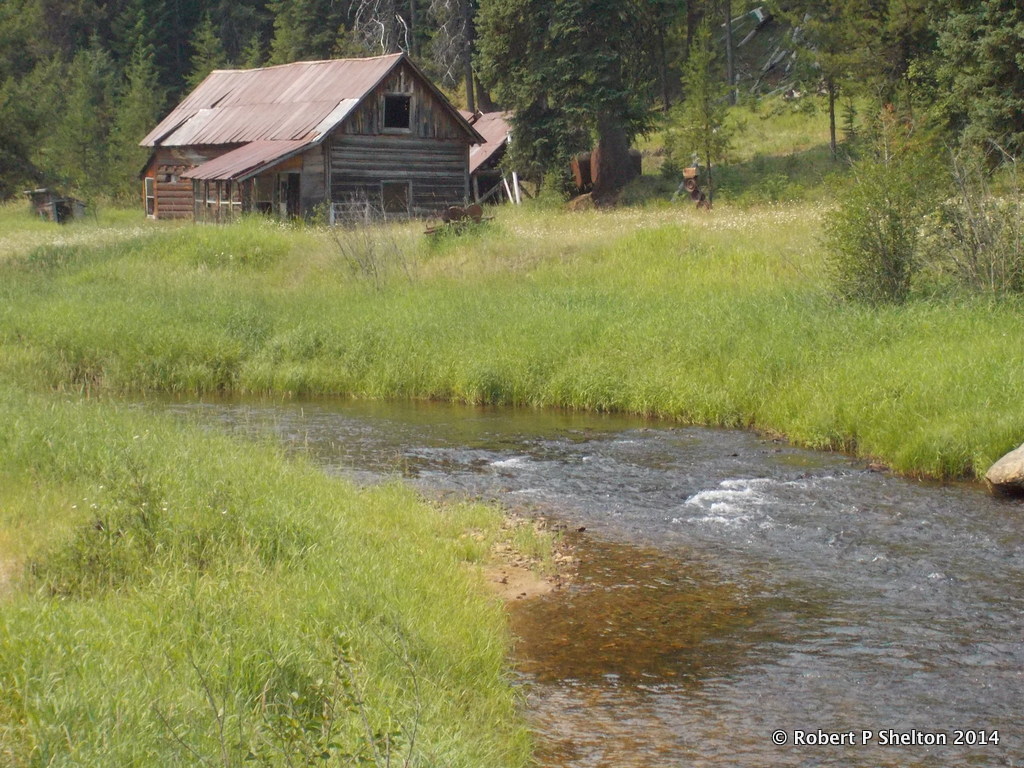
Overview of Elk City
Elk City is a small, remote unincorporated community nestled in the mountains of Idaho County, Idaho, in the north-central part of the state. With a population of only a few hundred residents, the town has the quiet, frontier-style character of a former gold mining settlement that has gradually transitioned into a launching point for outdoor adventure. It is best known as a gateway to some of the most expansive and unspoiled wilderness in the contiguous United States, including the Selway-Bitterroot and Frank Church–River of No Return Wilderness Areas. The nearest city of notable size is Lewiston, Idaho, located roughly 100 miles to the northwest, though much of the journey consists of winding mountain roads that reward visitors with sweeping forest and river views.
Just outside of town, the Selway-Bitterroot Wilderness offers an extraordinary backcountry experience. Covering more than 1.3 million acres across Idaho and Montana, it is among the largest wilderness areas in the lower 48 and is accessed in part via roads leading out of Elk City. Visitors come for fly fishing on the Selway River, multi-day horseback trips, and trailheads that lead deep into pristine alpine country. From Elk City, trailheads along the river corridor can be reached within an hour or so of driving.
A second marquee destination within reach is the Frank Church–River of No Return Wilderness, often described as the largest contiguous wilderness in the contiguous United States. Its eastern edges are accessible by way of the roads and trails that fan out from Elk City and nearby communities. The area is famous for its rugged canyons, the wild and free-flowing Salmon River, big-game hunting, and whitewater rafting. Reaching its closest trailheads typically involves anywhere from 30 minutes to a couple of hours of travel on gravel roads.
Closer to town, Elk City itself retains a strong sense of its mining-era past, with a small historic core that includes a museum showcasing the gold rush history of the region and the early homesteaders who settled the surrounding valleys. The community also sits along the route of the Magruder Corridor, a remote backcountry byway that connects Elk City to the Bitterroot Valley in Montana, making the town a natural stopover for travelers undertaking a multi-day driving adventure through central Idaho's roadless interior.
For short-term rental owners, Elk City offers a compelling combination of remoteness and proximity to some of the country's most celebrated wilderness destinations. Travelers planning backcountry expeditions, fishing trips, or scenic driving tours often struggle to find comfortable lodging within the region, and a well-placed rental here can serve as a base for everything from weekend getaways to extended wilderness expeditions, particularly during the summer and early fall seasons when the surrounding roads and trails are most accessible.
Want to know if a property in Elk City is a good investment?
Enter an address to get instant revenue potential and comps.