
Dublin, Georgia
Want to see how Dublin compares to other top cities in Georgia? Explore all city regulations in Georgia. →
Dublin, GA
Challenging To Investors
STR Regulations for Dublin, Georgia
Overview: Are STRs allowed?
- City-specific STR regulations: No city ordinance or published policy regulating short‑term rentals (STRs) was found in Dublin (City of East Dublin) zoning or administrative materials. The East Dublin zoning ordinance is the principal local land-use document reviewed; it does not include STR-specific rules. This means short‑term rentals are not expressly prohibited by city code, but operators must still comply with general zoning, building, fire, health, and tax obligations.
- If the Dublin you’re referring to is the City of Dublin (in Laurens County, not East Dublin), the same general conclusion applies: the zoning materials reviewed do not address STRs. There are no city‑specific STR permit requirements found in these sources.
- Because local STR rules are not present in these documents, STR operations in Dublin, GA are generally subject to state‑level Georgia requirements (including tax obligations) and standard local code compliance (building/fire/health/zoning). Always verify with local authorities before operating.
How to start an STR business in this market
-
Confirm zoning and land-use compliance:
- Use the property as a “dwelling” (short‑term rentals of a whole home or room in a home are treated as residential uses absent a specific prohibition).
- Ensure the use does not create a “transient” accommodation that triggers a different classification (e.g., tourist camp) if the property is used as an organized lodging facility. Avoid converting a single-family dwelling into a multi‑unit lodging operation without proper zoning and permits.
- Check any applicable Home Occupation standards (e.g., signage limits, non‑residential clients, employees, deliveries, parking) in the zoning ordinance to avoid inadvertent violations if offering hosted rentals.
-
Satisfy state-level tax obligations:
- Register to collect and remit Georgia sales tax (4%) and, if applicable, local sales tax where applicable.
- Register and collect the State of Georgia hotel/motel tax (3%) on gross rental charges; remit to the Georgia Department of Revenue. If a local hotel/motel tax applies in Laurens County, confirm registration and remittance procedures with local authorities.
-
Local business registration:
- Confirm whether any city business license/registration is required. These documents do not identify a city-level STR permit or business license requirement; however, operators should verify current business tax or registration requirements with the City of Dublin and Laurens County.
-
Taxes and accounting:
- Maintain records of all gross rental income, dates of stays, nightly rates, number of guests, and remittance history (state/local sales tax and hotel/motel tax).
- Coordinate with your hosting platform for tax remittance options (if any) and ensure direct compliance where you are responsible for collection/remittance.
-
Insurance and safety:
- Obtain appropriate property and liability coverage for rental operations. While city materials here do not mandate specific insurance minimums, ensure compliance with fire safety and building code requirements.
- Post emergency contact information and house rules; comply with any local fire, life‑safety, and building standards.
Required documents, permits, licenses, and guidelines
- City-specific STR permit: None found in the zoning materials reviewed. If you are in East Dublin, follow the general zoning, building, and fire/health requirements.
- Business license/registration: None specified in the provided sources; verify with the City of Dublin and Laurens County for current business tax or registration requirements.
- State sales tax registration: Georgia Department of Revenue registration is generally required for persons engaged in taxable sales of lodging.
- Hotel/motel tax registration (3% State of Georgia): Registration and monthly remittance to the Georgia Department of Revenue is required for transient accommodations unless specifically exempted.
- Building/fire/health compliance:
- Verify whether the property requires any inspections for short‑term occupancy. If offering lodging, ensure the unit meets applicable fire safety, egress, and life‑safety standards.
- Zoning compliance:
- Abide by residential use standards; ensure no signage or activity that violates Home Occupation rules (if applicable).
- Platform registration:
- Many platforms require local registration numbers or permits. Since Dublin does not publish an STR permit in these sources, you may need to list the property as compliant with state/local taxes and codes, and keep documentation to provide to platforms upon request.
Specific regulations: City, County, and State
-
City (East Dublin) regulations:
- No STR‑specific ordinance identified in the zoning materials.
- Use the general zoning, building, fire/health, and parking standards.
- Home Occupation provisions (if applicable) may regulate signage, traffic, and commercial activity in residential areas.
-
County (Laurens County):
- The provided sources do not include county-specific STR permits or occupancy regulations. County-level hotel/motel taxes may apply; confirm administration with local authorities or the Georgia Department of Revenue.
-
State of Georgia:
- Hotel/Motel Tax: 3% on gross charges for transient accommodations. Register and remit monthly to the Georgia Department of Revenue.
- Sales Tax: 4% state sales tax applies to lodging; coordinate local sales tax as applicable.
- If operating a “tourist camp” (organized lodging facility), additional licensing and safety standards may apply. Confirm current state agency requirements before converting residential use to a commercial lodging facility.
-
Best-practice compliance points:
- Maintain guest logs, rates, and tax remittance records.
- Display and enforce occupancy limits that comply with building/fire standards.
- Provide 24/7 contact information for guests and neighbors.
- Ensure adequate off‑street parking and avoid overflow onto public streets.
Local authority contacts (Dublin, GA / Laurens County)
-
City of Dublin (City Hall)
- Address: 100 Carnegie Way, Dublin, GA 31021
- Phone: (478) 272‑2565
- Website: www.cityofdublinga.org
-
Laurens County Government
- Address: 1013 Lambs Road, Dublin, GA 31021
- Phone: (478) 272‑4750
- Website: www.laurenscountyga.gov
-
Georgia Department of Revenue (Hotel/Motel Tax and Sales Tax)
- Website: dor.georgia.gov
- For local tax applicability, check the state’s Local Option Sales Tax listings or contact the county tax commissioner.
Links to source pages
- City of East Dublin Zoning Ordinance: cityofeastdublin.org/wp/wp-content/uploads/2014/03/Zoning-Ordinance.pdf
Notes for STR investors
- Given the absence of city-specific STR rules in the provided materials, the regulatory environment in Dublin, GA is relatively open but still requires full compliance with Georgia’s tax regime and general local codes (building, fire, health, zoning). This can present an attractive, lightly regulated STR market, but tax compliance and safety are essential.
- If operating near or within any special overlay, historic, or commercial district within the City of Dublin or Laurens County, verify any additional signage, occupancy, or land‑use standards before listing.
- Always confirm business registration and local hotel/motel tax requirements with the City and County. In addition, review any hosting platform policies that may require a city or county permit number; if none is available, provide documentation of state tax registration and compliance.
What do Airbnb hosts actually earn in Dublin?
Dublin hosts earn a median $16,300/year with $155 ADR and 47% occupancy.
Top performers pull in $36,944+ per year.
See the full Dublin market breakdownNext step
Found a property in Dublin?
Paste any address and get estimated revenue, cash-on-cash return, and comparable STR performance in under 5 minutes. 3 free analyses per day.
Free brief
Get the free Dublin STR Investment Brief
Revenue data, top neighborhoods, seasonal trends, and the key regulations for Dublin, Georgia in one email.
Dublin
Market Saturation Score
Photos of Dublin


Overview of Dublin
Dublin is a small city in Laurens County in central Georgia, with a population of approximately 16,000. Straddling the Oconee River and surrounded by the longleaf pine landscape of middle Georgia, it serves as the commercial and cultural hub for the surrounding rural county. The city is best known as a midway point on Interstate 16 between Macon and Savannah, a natural overnight stop for travelers heading to the coast, and the self-styled "Emerald City" because of the deep green of its native pines and oaks. It sits about 50 miles southeast of Macon and roughly 100 miles west of Savannah.
The Oconee River defines the eastern edge of the city and serves as a focal point for outdoor recreation. Public riverfront access points allow for fishing, kayaking, and quiet walks along the water, and the river corridor hosts a mix of cypress bottomland and pine uplands typical of the region. The river is a steady draw for visitors who want to experience the area's natural side without venturing far from town.
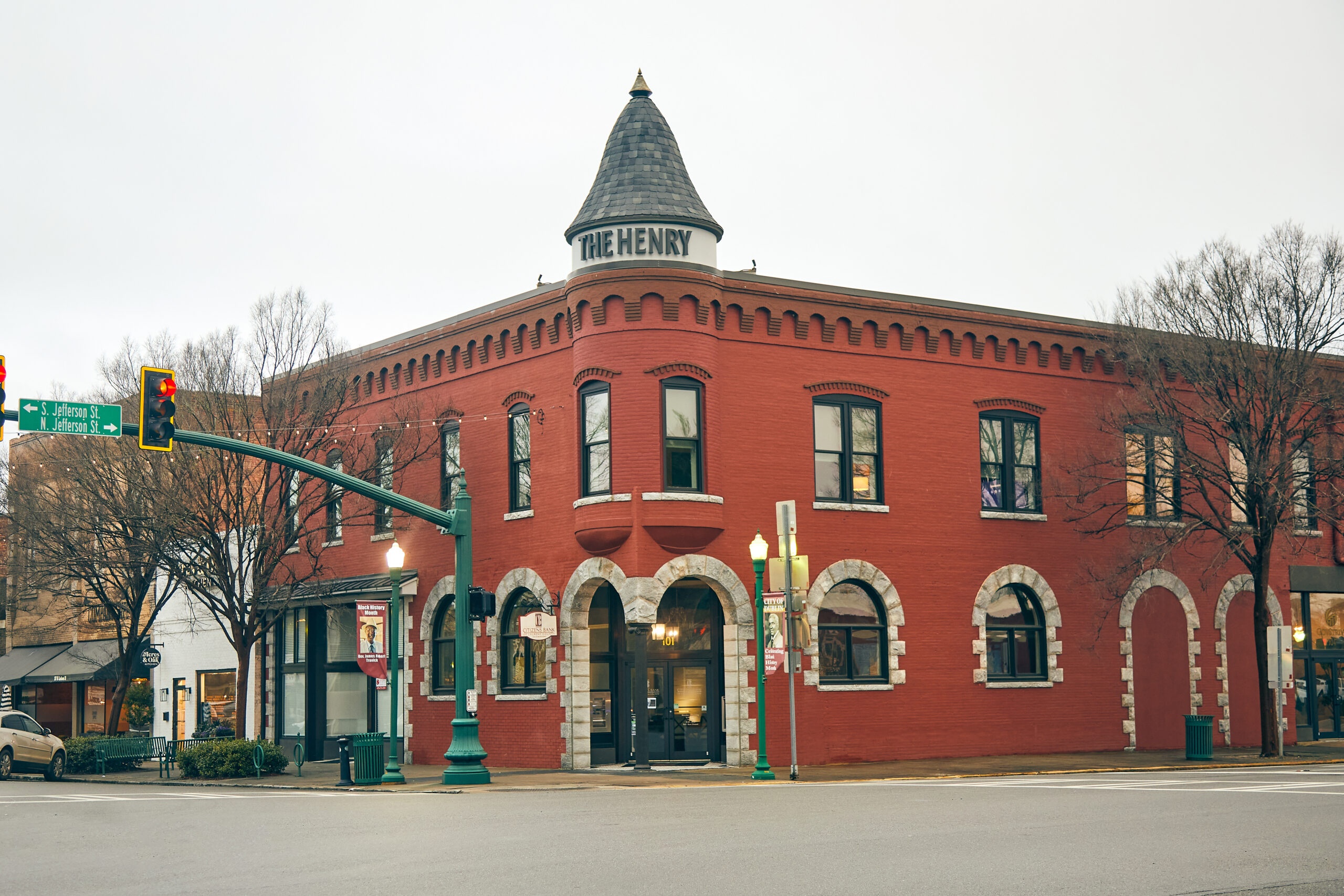
Downtown Dublin features a compact historic commercial district of late nineteenth- and early twentieth-century brick storefronts clustered around the county courthouse square. The area includes locally owned shops, cafes, and a few antique stores that give the neighborhood a relaxed, walkable feel and a glimpse of small-town Georgia architecture from the cotton-era heyday. The square itself functions as the social center of the city, hosting community events throughout the year.
The surrounding Laurens County landscape is laced with creeks, hardwood bottoms, and pine stands that draw hunters, birders, and anglers throughout the year. From Dublin, travelers are within roughly an hour of Macon to the northwest, a couple of hours of Savannah and the Atlantic coast to the southeast, and within reach of the larger metro area of Atlanta beyond, making the city a practical base for exploring a wide swath of central and east Georgia.
Dublin works well as a short-term-rental base for visitors who want small-town Southern character without straying far from the major arteries of the state. Its central position on the Macon–Savannah corridor, combined with riverfront recreation and a preserved historic core, gives it a base-camp feel that appeals to both road-trippers and longer-stay travelers exploring the region.
Want to know if a property in Dublin is a good investment?
Enter an address to get instant revenue potential and comps.