
Punta Gorda, Florida
Want to see how Punta Gorda compares to other top cities in Florida? Explore all city regulations in Florida. →
Punta Gorda, FL
Generally Investor Friendly
STR Regulations for Punta Gorda, Florida
Executive Summary: STR Status in Punta Gorda
Yes, short-term rentals are explicitly allowed in Punta Gorda, Florida. The city has established a clear regulatory framework that permits vacation rentals provided operators obtain the required licenses, permits, and meet all compliance obligations. As of 2024, Punta Gorda operates under a mature regulatory structure that balances the rights of property owners with community protection concerns.
What do Airbnb hosts actually earn in Punta Gorda?
Punta Gorda hosts earn a median $26,701/year with $200 ADR and 62% occupancy.
Top performers pull in $39,469+ per year.
See the full Punta Gorda market breakdownHow to Start a Short-Term Rental Business in Punta Gorda
Step 1: Obtain State-Level Licensure
Before applying for local permits, you must secure a Public Lodging Establishment License from the Florida Department of Business and Professional Regulation's Division of Hotels & Restaurants. This license is mandatory under Florida Statute 509.241(1) for anyone seeking to rent any dwelling unit to guests more than 3 times in a calendar year for periods of less than 30 days or one calendar month, whichever is less, or who advertises or holds out to the public as a place regularly rented to guests.
Application Process:
- Submit application through the DBPR Division of Hotels & Restaurants
- Provide required documentation and fees
- Pass state inspection requirements
Step 2: Secure City Business Tax Receipt
After obtaining your state license, apply for a Business Tax Receipt from the City of Punta Gorda. This requirement is established under Chapter 12 of the Punta Gorda Code.
Prerequisites:
- Evidence of current public lodging establishment license from Florida DBPR
- Successful completion of city inspection (see Step 3)
Application Process:
- Visit the Local Business Tax Receipt page on the city website
- Complete application with required documentation
- Pay applicable fees
Step 3: Complete Required City Inspection
Punta Gorda Code Section 12-6 mandates that prior to Business Tax Receipt issuance, a dwelling unit used for vacation rental purposes must be inspected by the City for compliance with:
- Zoning codes
- Building codes
- Fire codes
Schedule inspection through the City Clerk's Office to ensure all regulatory requirements are met before proceeding with operations.
Step 4: Establish Tax Collection Systems
Implement systems to collect and remit required taxes:
- State Sales Tax: 6% on rental charges
- County Discretionary Sales Tax: 1% in Charlotte County
- Tourist Development Tax: 5% in Charlotte County
Contact the Florida Department of Revenue for a Florida Sales Tax Identification Number and register with the Charlotte County Tax Collector.
Required Documents, Permits, Licenses, and Guidelines
Mandatory Licensing and Permits
1. State License:
- Public Lodging Establishment License from Florida DBPR
- Required for any property rented more than 3 times per calendar year for stays under 30 days
- Contact: Florida Department of Business & Professional Regulation at (850)487-1395
2. City Business Tax Receipt
- Issued by the City of Punta Gorda
- Must display proof of current DBPR license
- Application Reference: Chapter 12, Punta Gorda Code
- Contact: City Clerk's Office at (941)575-3369
Inspection Requirements
Annual City Inspection covering:
- Zoning compliance verification
- Building code adherence
- Fire safety standards
Additional Safety Requirements:
- Balcony Inspection: If your property is in a building with 3+ stories OR has balconies at least 17 feet from ground level, obtain certified inspector assessment
Tax Registration Requirements
- Florida Sales Tax Identification Number from Department of Revenue
- Charlotte County Tax Collector registration for local taxes
Operational Guidelines
Occupancy Limits:
- Maximum overnight occupancy: Two people per bedroom plus two additional people in common areas
- Each person must have at least 50 square feet of space
- More than two people per bedroom allowed if space requirements are met
Employee Training Requirements:
- Any employees maintaining properties or greeting guests must complete human trafficking awareness training per Florida state requirements
Regulatory References:
- Florida Statute 509.013: Definition of transient public lodging establishments
- Florida Statute 509.242: Definition of vacation rentals
- Chapter 12, Punta Gorda Code: Local business tax requirements
- City's Land Development Regulations (LDRs): Zoning and land use guidelines
Specific Regulations for Short-Term Rentals
City-Level Regulations (Punta Gorda)
Business Operations:
- Vacation rentals are subject to the same regulations as other residential properties
- Properties must comply with all zoning requirements for their specific district
- Local Business Tax Receipt must be displayed and current
Enforcement and Penalties:
- Local governments may suspend vacation rental registrations for up to 30 days following three or more violations of local ordinances within a 90-day period
- Fines for non-compliance can be significant
- Violations can be reported to Code Compliance Division
Zoning Compliance:
- Must adhere to City of Punta Gorda's Land Development Regulations
- Implementing guidelines from the city's Comprehensive Plan apply
- Specific zoning districts may have additional restrictions
County-Level Regulations (Charlotte County)
Tourism Taxes:
- 5% Tourist Development Tax on short-term rental charges
- 1% County Discretionary Sales Tax in addition to state requirements
Tax Collection and Remittance:
- Monthly remittance of collected taxes required
- Registration with Charlotte County Tax Collector mandatory
State-Level Regulations (Florida)
Licensing Requirements:
- Public lodging establishment license mandatory for properties meeting rental frequency criteria
- License renewal and compliance monitoring by DBPR
Sales Tax Obligations:
- 6% state sales tax on rental charges
- Registration with Florida Department of Revenue required
- Regular filing and remittance obligations
Safety and Building Standards:
- Balcony inspection requirements for high-rise buildings
- Compliance with Florida Building Code standards
- Fire safety and emergency egress requirements
Human Trafficking Prevention:
- Mandatory training for employees
- Specific notification and awareness requirements
Definitions (per Florida Statute 509.242):
- Vacation rentals include "any unit or group of units in a condominium or cooperative or any individually or collectively owned single-family, two-family, three-family, or four-family house or dwelling unit that is also a transient public lodging establishment but that is not a timeshare project"
Contact Information for Local Authority
City of Punta Gorda - Primary Contacts
City Clerk's Office (Licensing and Registration):
- Phone: (941)575-3369
- Email: PGClerk@CityofPuntaGordaFL.com
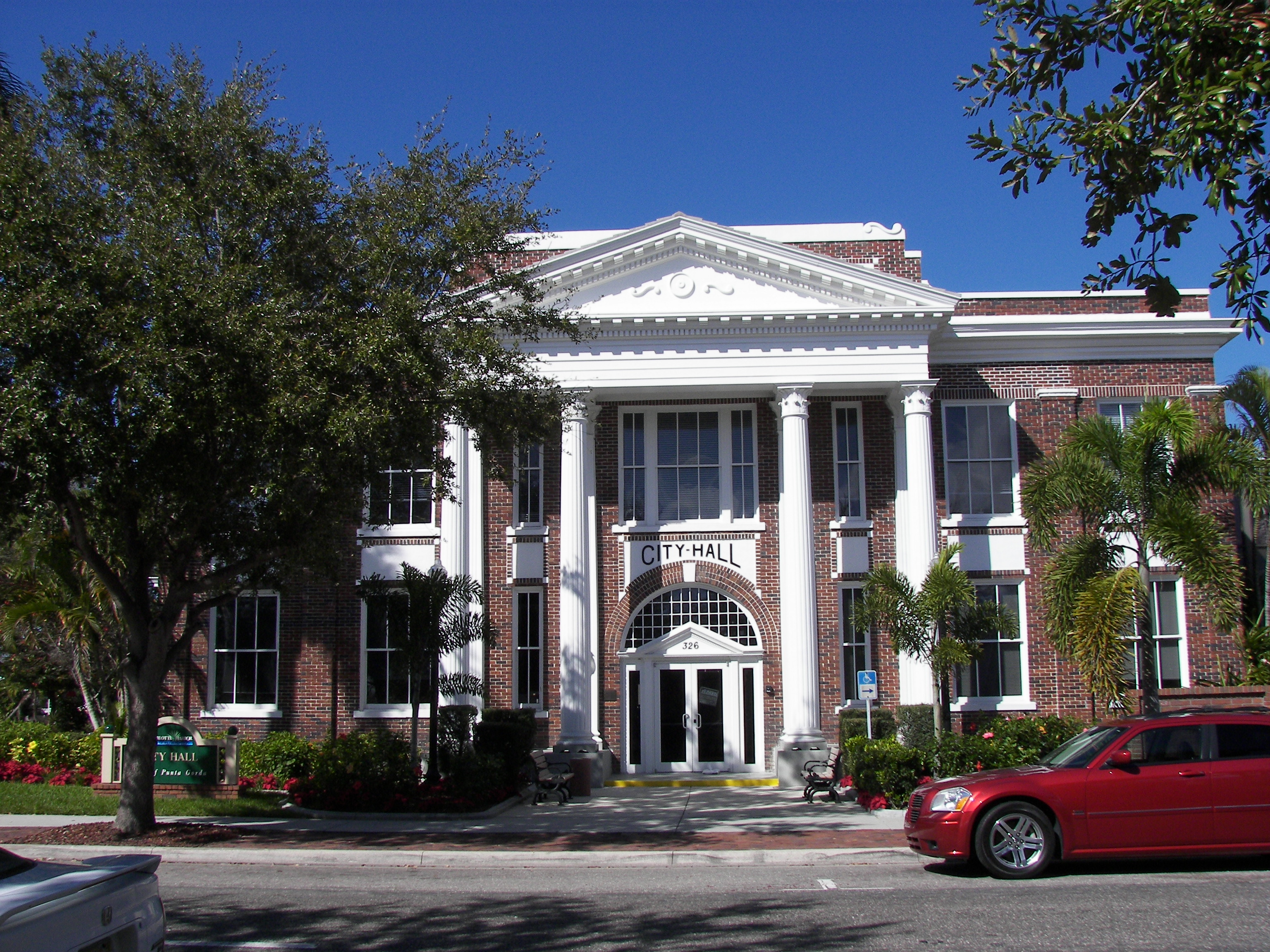
- Address: 326 W. Marion Avenue, Punta Gorda, FL 33950
Code Compliance Division (Violations and Complaints):
- Phone: (941)575-3352
- Email: PGCode@CityofPuntaGordaFL.com
- Purpose: Report code violations at vacation rental properties
Non-Emergency Police (Noise Complaints and Concerns):
- Phone: (941)639-4111
- Service: Anonymous reporting available
- Use for: Noise complaints, disturbances, and other guest-related issues
State and County Contacts
Florida Department of Revenue (Tax Registration):
- Phone: (850)488-6800
- Website: floridarevenue.com
- Purpose: Sales tax identification number and filing requirements
Florida Department of Business & Professional Regulation:
- Phone: (850)487-1395
- Website: myfloridalicense.com
- Division: Hotels & Restaurants
- Purpose: Public lodging establishment licensing
Division of Hotels & Restaurants:
- Phone: (850)487-1395
- Website: myfloridalicense.com/intentions2.asp
- Purpose: Short-term rental license applications and renewals
Charlotte County Tax Collector:
- Phone: (941)410-1350
- Website: taxcollector.charlottecountyfl.gov
- Purpose: County tourist development tax registration and remittance
Regulatory Reference Documents
City Attorney's Memorandum on Vacation Rentals:
- Available through City Clerk's Office
- Provides legal framework interpretation
- Reference document for compliance guidance
Punta Gorda Code Chapter 12:
- Governing ordinance for business tax receipts
- Available on city website
- Establishes local regulatory framework
Source Pages and Legal References
Primary Source Documents
City of Punta Gorda Vacation Rentals Information:
- URL: https://www.ci.punta-gorda.fl.us/government/city-clerk/vacation-rentals
- Content: Comprehensive overview of local requirements, definitions, and contact information
- Last Updated: 2025 (reflecting current regulations)
Punta Gorda Code Chapter 12:
- URL: https://www.ci.punta-gorda.fl.us/home/showpublisheddocument/1435/637454601213570000
- Content: Legal framework governing business tax receipts and vacation rental operations
- Authority: Municipal ordinance establishing local requirements
Local Business Tax Receipt Application:
- URL: https://www.ci.punta-gorda.fl.us/home/showpublisheddocument/13671/638011592807900000
- Content: Application procedures and requirements for business tax receipt
- Authority: City of Punta Gorda official application portal
State Legal References
Florida Statute 509.241:
- URL: http://www.leg.state.fl.us/statutes/index.cfm?App_mode=Display_Statute&URL=0500-0599/0509/Sections/0509.242.html
- Content: Licensing requirements for public lodging establishments
- Authority: Florida Legislature
Florida Statute 509.013:
- URL: http://www.leg.state.fl.us/Statutes/index.cfm?App_mode=Display_Statute&URL=0500-0599/0509/Sections/0509.013.html
- Content: Definitions of transient public lodging establishments
- Authority: Florida Legislature
Regulatory Agency Websites
Florida DBPR Division of Hotels & Restaurants:
- URL: https://www.myfloridalicense.com/intentions2.asp?chBoard=true&boardid=200&SID=
- Purpose: Official license application portal for vacation rental properties
- Authority: State of Florida Department of Business & Professional Regulation
Florida Department of Revenue:
- URL: http://floridarevenue.com/pages/default.aspx
- Purpose: Sales tax registration and filing requirements
- Authority: State of Florida Department of Revenue
Charlotte County Tax Collector:
- URL: https://taxcollector.charlottecountyfl.gov
- Purpose: Local tax registration and tourist development tax
- Authority: Charlotte County Tax Collector's Office
Additional Regulatory Context
Recent Regulatory Discussion (November 2023):
- Source: WGCU News Article - "Punta Gorda city leaders go back to the drawing board on regulating short-term property rentals"
- URL: https://www.wgcu.org/section/public-affairs/2023-11-04/punta-gorda-city-leaders-go-back-to-the-drawing-board-on-regulating-short-term-rental-properties
- Content: City council discussion of potential additional regulations
- Status: Council indicated preference for streamlined requirements rather than expanded ordinance
City Attorney's Memorandum:
- Available through: City Clerk's Office
- Content: Legal interpretation and guidance on vacation rental regulations
- Reference: Provided on city website for regulatory guidance
Compliance Timeline and Best Practices
Registration Timeline:
- Week 1-2: Apply for Florida DBPR license
- Week 3-4: Complete city inspection upon DBPR license approval
- Week 5: Apply for City Business Tax Receipt
- Ongoing: Monthly tax remittance and annual license renewals
Critical Success Factors:
- Maintain current licensing at all levels
- Ensure annual inspections are completed on schedule
- Implement robust tax collection and remittance systems
- Maintain open communication channels with neighbors and city officials
- Stay informed about regulatory updates and changes
Risk Mitigation:
- Document all compliance activities
- Maintain comprehensive insurance coverage
- Establish relationships with local property management professionals
- Monitor local political discussions that might impact regulations
This regulatory framework positions Punta Gorda as a mature, business-friendly market for short-term rental operations while maintaining appropriate safeguards for community character and resident quality of life.
Next step
Found a property in Punta Gorda?
Paste any address and get estimated revenue, cash-on-cash return, and comparable STR performance in under 5 minutes. 3 free analyses per day.
Free brief
Get the free Punta Gorda STR Investment Brief
Revenue data, top neighborhoods, seasonal trends, and the key regulations for Punta Gorda, Florida in one email.
Punta Gorda
Market Saturation Score
Photos of Punta Gorda


Overview of Punta Gorda
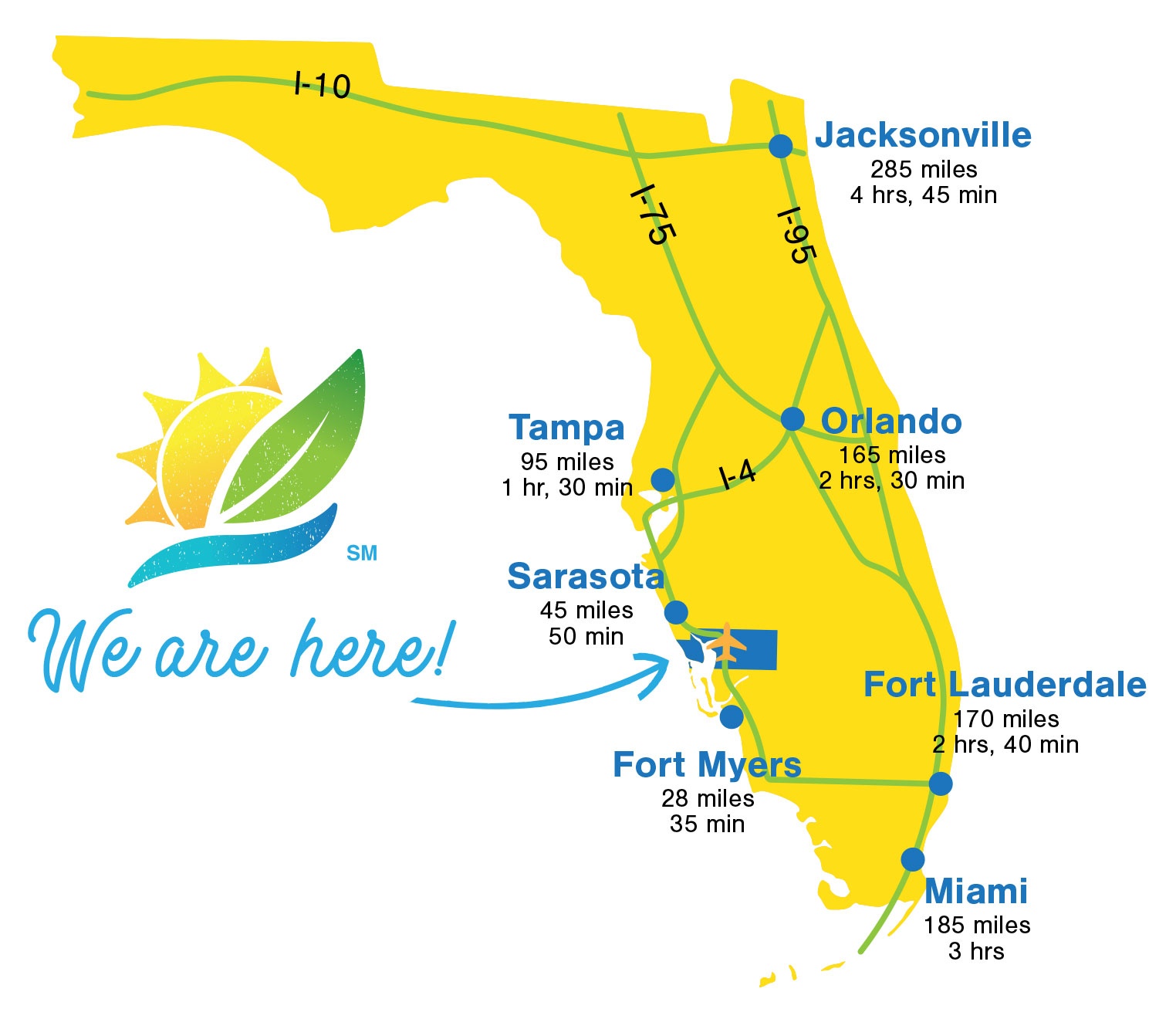
Punta Gorda is a small waterfront city in Charlotte County, Florida, set along the southwestern Gulf Coast on the broad, sheltered waters of Charlotte Harbor. With a population of approximately 20,000 residents, the city carries a relaxed, small-town character, anchored by a walkable historic downtown, restored brick streets, and an active boating and fishing culture. It is best known for its scenic harbor setting, preserved nineteenth-century architecture, and its role as a gateway to the barrier islands and small communities that line the lower Gulf Coast. Punta Gorda lies about 30 miles north of Fort Myers and roughly 100 miles south of Tampa, putting it within easy reach of the larger metropolitan areas of southwest Florida while still feeling distinctly unhurried.
Just off the downtown waterfront, Fishermen's Village is a long-running marina complex of shops, restaurants, and charter boats that gives visitors a direct taste of Charlotte Harbor. From here, dolphin-watching cruises, sailing excursions, and fishing charters depart regularly, and the boardwalk views across the harbor are a popular way to spend an afternoon. The village sits within minutes of most of the city's inns and rental properties.
Across the harbor, Gasparilla Island and the community of Boca Grande offer a quieter, more refined day-trip experience. Reached by a short drive southwest to Placida and a brief ferry or bridge crossing, the island is famous for its quaint village, the historic Boca Grande Lighthouse, and some of the country's most celebrated tarpon fishing. Many visitors rent bikes on the island and spend a day cycling between quiet beaches, galleries, and waterfront cafés.
A short drive inland and north of the city, the Peace River winds through a landscape of oak hammocks and ranchland, drawing visitors for kayaking, paddling, and the casual hobby of fossil hunting — the riverbed is well known for yielding shark teeth and Ice Age mammal remains. Nearby, the vast Babcock Ranch Preserve and adjacent Crescent B Ranch offer swamp-buggy eco-tours through one of the largest working cattle ranches and ecological preserves in the state, a distinctive southwest Florida experience that contrasts with the city's waterfront vibe.
Punta Gorda is a compelling base for short-term rentals because it offers a rare combination of small-town charm, harbor-front scenery, and access to a varied set of Gulf Coast experiences. Guests can spend mornings walking a brick-lined downtown, afternoons fishing or boating on Charlotte Harbor, and evenings watching the sun set over the water, all while staying within a short drive of larger regional airports and the cultural offerings of Fort Myers and Sarasota. That mix of quiet livability and easy day-trip variety tends to appeal to travelers looking for something a little more distinctive than the busier Gulf Coast resort towns.
Want to know if a property in Punta Gorda is a good investment?
Enter an address to get instant revenue potential and comps.