
Port Saint Lucie, Florida
Want to see how Port Saint Lucie compares to other top cities in Florida? Explore all city regulations in Florida. →
Port Saint Lucie, FL
Very Investor Friendly
STR Regulations for Port Saint Lucie, Florida
Executive Overview
Are short-term rentals allowed in Port St. Lucie, FL? Based on the available regulatory information, short-term rentals are currently not regulated at the city level in Port St. Lucie. This means that while state-level requirements apply, investors currently face fewer local restrictions compared to many other Florida municipalities. However, neighboring St. Lucie Village has implemented comprehensive STR regulations, which may signal future regulatory trends.
What do Airbnb hosts actually earn in Port Saint Lucie?
Port Saint Lucie hosts earn a median $31,148/year with $187 ADR and 68% occupancy.
Top performers pull in $44,997+ per year.
See the full Port Saint Lucie market breakdownMarket Context
Before diving into regulations, it's important to understand the market dynamics. Port St. Lucie presents a moderate investment opportunity with:
- Population of 195,248 (18.62% growth trend)
- 341 active STR listings with 60% average occupancy
- Average daily rate of $138 and monthly revenue of $1,725
- Median home sale price of $209,000 with strong appreciation (3.81% over 12 months, 70.05% over 5 years)
How to Start a Short-Term Rental Business in Port St. Lucie
Step 1: State-Level Compliance (Required)
Since Port St. Lucie lacks city-specific regulations, you must comply with Florida state requirements:
Obtain Florida Vacation Rental License
- Apply through the Florida Department of Business and Professional Regulation (DBPR)
- Required if renting entire units more than three times annually for periods under 30 days
- License types: Single, Group, or Collective licenses
- Initial application fee: $50 + $10 HEP fee + license fee
License Classifications:
- Single License: One single-family house, townhouse, or unit(s) in a single building owned and operated by the same individual/entity
- Group License: All units within a building or group of buildings in a single complex
- Collective License: Group of houses/units at separate locations (limited to 75 units maximum)
Step 2: Tax Registration
- Register for Florida Department of Revenue Sales Tax account
- Obtain local tourist tax account from St. Lucie County Tax Collector
- These are mandatory for all vacation rentals operating in Florida
Step 3: Property Preparation
- Ensure property meets Florida Building Code requirements
- Install required safety equipment (smoke detectors, fire extinguishers, emergency lighting)
- Verify septic system capacity if applicable
- Confirm adequate parking and improved spaces
Required Documents, Permits, and Licenses
State-Level Requirements (Mandatory)
-
Florida DBPR Vacation Rental License
- Application fee: $50
- HEP fee: $10
- License fees vary by county, number of units, and timing
- License fees for St. Lucie County (District 4):
- Single rental unit: $170 (full year) or $90 (half year)
- 2-25 rental units: $180 (full year) or $95 (half year)
-
Florida Department of Revenue Sales Tax Registration
-
St. Lucie County Tourist Tax Account
Safety and Compliance Documentation
-
Fire Safety Compliance
- Smoke detectors in all living units
- NFPA 101 Life Safety Code compliance
- Electrical system safety verification
-
Building Code Compliance
- Florida Building Code adherence
- Safety equipment installation certificates
-
Sanitation Requirements
- Septic system capacity certification (if applicable)
- Waste management compliance documentation
Specific Regulations by Jurisdiction
City Level: Port St. Lucie
Current Status: No city-specific STR regulations in place
- No registration requirements beyond state compliance
- No occupancy limits imposed by city
- No parking restrictions specific to STRs
- No noise ordinances specifically targeting vacation rentals
Important Note: This regulatory landscape could change. Monitor city council meetings and planning department updates for potential future regulations.
County Level: St. Lucie County
Based on the content available, St. Lucie County requires:
- Local tourist tax account registration
- Tourist development tax collection and remittance
- Compliance with county health department requirements for septic systems
State Level: Florida
Comprehensive State Regulations Apply:
Occupancy and Safety:
- No specific state occupancy limits beyond building code requirements
- Mandatory smoke detector installation
- Fire safety compliance per NFPA standards
- Human trafficking awareness training required for housekeeping and front desk staff
Operational Requirements:
- Display of current license(s) in conspicuous location on premises
- Clean, safe, and well-maintained property standards
- Clean bedding and linens between guests or weekly, whichever comes first
- Soap availability for guests
- Sanitization of dishes and glassware between guests
- Vermin-free maintenance
Building-Specific Requirements:
- Buildings of 3+ stories: Certificate of Balcony Inspection every 3 years
- High-rise buildings: Automatic fire sprinkler requirements per NFPA Chapter 13
Contact Information
State Level Authorities
Florida Department of Business and Professional Regulation
- Division of Hotels and Restaurants
- Address: 2601 Blair Stone Road, Tallahassee, FL 32399-1011
- Phone: 850.487.1395
- Email: dhr.info@myfloridalicense.com
- Website: www2.myfloridalicense.com/hotels-restaurants/
- Customer Contact Center: (850) 487-1395
Florida Department of Revenue
- For sales tax registration and requirements
- Website: floridarevenue.com/
County Level
St. Lucie County Tax Collector
- For tourist tax account registration
- Phone: (772) 462-1400
- Website: stlucietaxcollector.org
St. Lucie County Health Department
- For septic system certifications
- Phone: (772) 462-3800
City Level
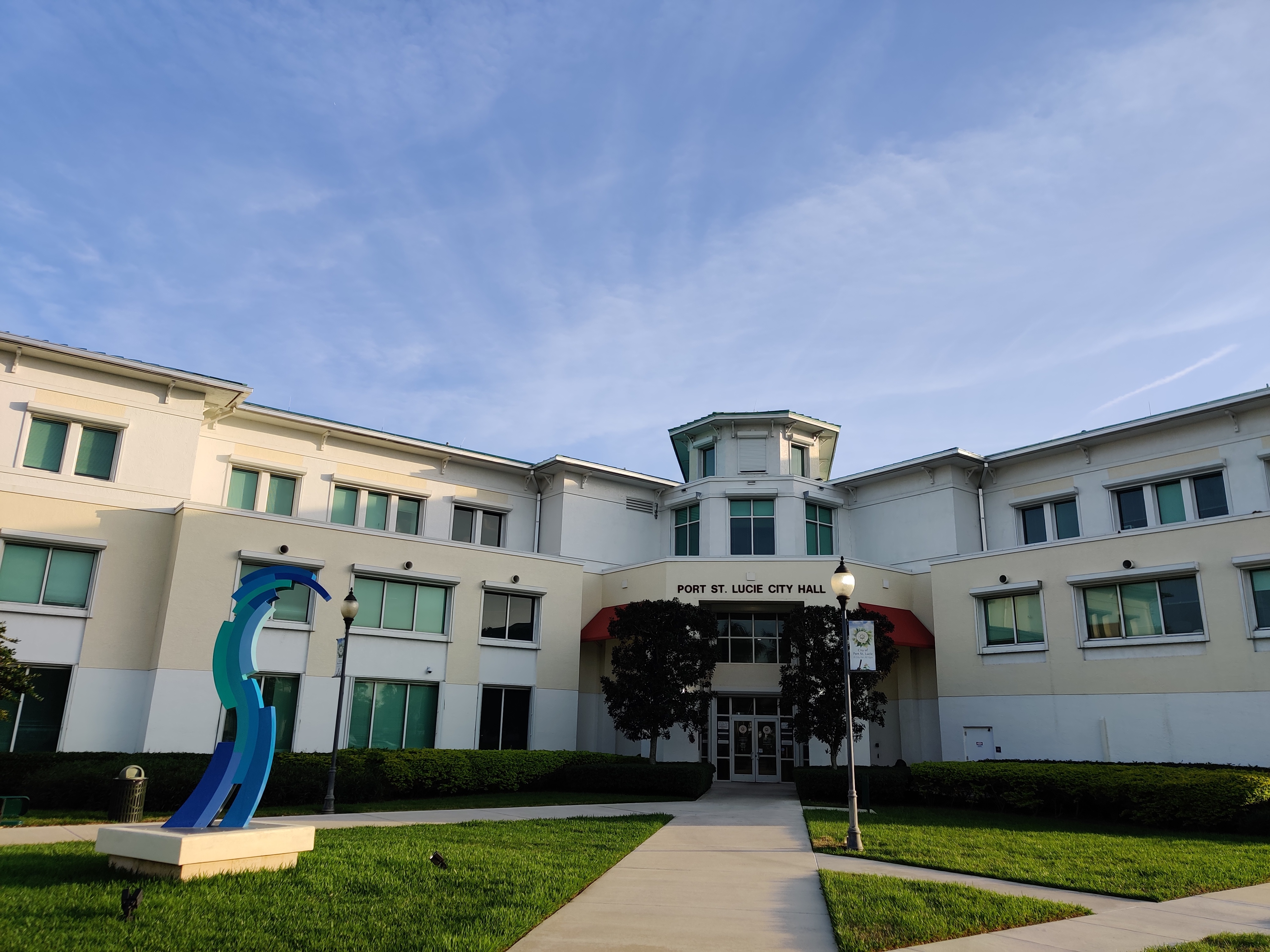
Port St. Lucie City Hall
- Address: 121 SW Port St. Lucie Blvd, Port St. Lucie, FL 34984
- Phone: (772) 871-5151
- Website: cityofpsl.com
Comparative Analysis: Nearby Regulatory Environment
St. Lucie Village (Nearby Municipality) While not directly applicable to Port St. Lucie properties, it's worth noting that adjacent St. Lucie Village has implemented comprehensive STR regulations that may serve as a model:
- Mandatory registration with Town Clerk and Board approval
- Initial registration fee: $650
- Strict occupancy limits: 2 persons per bedroom plus 2, max 10 persons
- Prohibitions on commercial events and "other events"
- Stringent parking requirements with improved space requirements
- 24/7 designated responsible party requirements
- Noise ordinances prohibiting sound plainly audible from adjacent properties 10 PM - 8 AM
- Enhanced septic system certification requirements
Investment Strategy Recommendations
Immediate Compliance (Current Environment)
- Focus on State Requirements: Prioritize obtaining Florida vacation rental license and tax registrations
- Property Preparation: Ensure all safety and building code requirements are met
- Insurance Review: Verify coverage for vacation rental activities
Risk Management
- Regulatory Monitoring: Regularly check Port St. Lucie municipal updates for potential new regulations
- Neighbor Relations: Maintain positive relationships with surrounding property owners
- Operating Standards: Self-implement best practices seen in other Florida markets
Market Positioning
Given the relatively unregulated environment, Port St. Lucie may present opportunity for investors seeking lower barriers to entry, but the regulatory landscape could change rapidly as seen in other Florida municipalities.
Important Disclaimers and Monitoring
Regulatory Evolution Risk: Florida's STR regulatory environment is rapidly evolving. Many municipalities have implemented or are considering STR regulations. Investors should:
- Monitor Port St. Lucie city council meeting minutes and agendas
- Subscribe to municipal newsletter updates
- Engage with local real estate investment groups for regulatory updates
- Consider the potential for future regulations in investment calculations
Verification Requirements: Always verify current requirements with local authorities before making investment decisions. Regulations can change rapidly, and the information provided represents the regulatory landscape at the time of document preparation.
Source References
- Florida DBPR Vacation Rental Licensing Guide
- BuildYourBnb Port St. Lucie Market Analysis
- St. Lucie Village Ordinance 2023-3
This guide is for informational purposes only and does not constitute legal advice. Always consult with qualified professionals and local authorities before making investment decisions.
Next step
Found a property in Port Saint Lucie?
Paste any address and get estimated revenue, cash-on-cash return, and comparable STR performance in under 5 minutes. 3 free analyses per day.
Free brief
Get the free Port Saint Lucie STR Investment Brief
Revenue data, top neighborhoods, seasonal trends, and the key regulations for Port Saint Lucie, Florida in one email.
Port Saint Lucie
Market Saturation Score
Photos of Port Saint Lucie
Overview of Port Saint Lucie
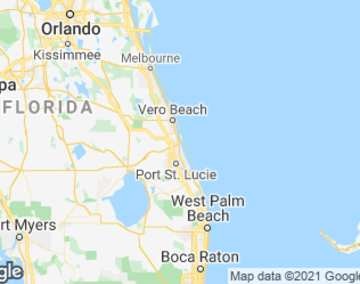
Port St. Lucie sits in St. Lucie County on Florida's Atlantic coast, part of the region known as the Treasure Coast. With a population of approximately 200,000 residents, it is one of the larger cities on the southeastern Florida seaboard between Palm Beach and Orlando. The city has a relaxed, residential character, defined by palm-lined neighborhoods, an extensive network of canals and waterways, and easy access to both the St. Lucie River and the Atlantic Ocean. It is best known as the spring training home of the New York Mets and serves as a gateway to the natural and historic attractions of the Treasure Coast. Port St. Lucie lies about 50 miles north of West Palm Beach and roughly two hours north of Miami, putting it within reach of South Florida's major urban centers while maintaining a notably quieter pace of life.
Just minutes from the heart of the city, Savannas Preserve State Park protects a long ribbon of freshwater marsh and pine flatwoods that stretches north toward Fort Pierce. Visitors come to hike, bike, paddle, and spot wading birds, alligator, and other wildlife within a short drive of the coast.
About 15 to 20 minutes north of Port St. Lucie, the neighboring city of Fort Pierce offers a walkable historic downtown along the Indian River Lagoon, a working marina, and easy access to the beaches of nearby Hutchinson Island. The area is also home to the National Navy UDT-SEAL Museum, a small but popular stop for visitors interested in military history and special-operations heritage.
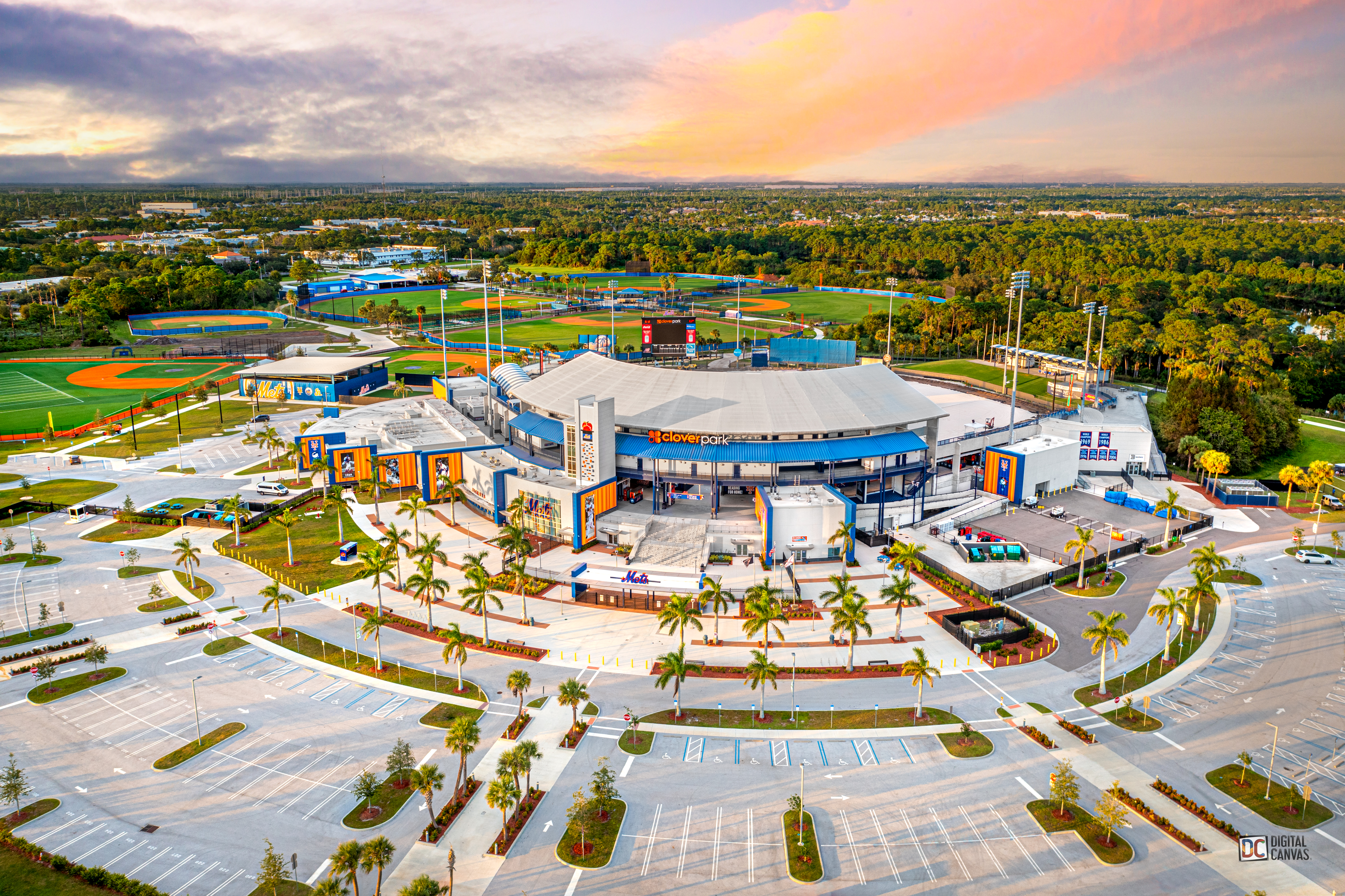
From late February through March, Clover Park hosts the New York Mets for Major League Baseball's spring training season. The stadium draws a steady stream of baseball fans, particularly from the Northeast, who come for warm-weather games and an easy, family-friendly outing. It is one of the most reliable seasonal drivers of short-term rental demand in the area.
Just east of Port St. Lucie, across the Indian River Lagoon, [Hutchinson Island](en.wikipedia.org/wiki/Hutchinson_Island_(Florida) offers miles of Atlantic beach, oceanfront state parks, and small seaside communities. It is the natural destination for swimming, surfing, and watching sea turtle nesting in season, and it gives the city a true beach-town dimension despite its inland residential layout.
Port St. Lucie's combination of coastal access, natural preserves, and proximity to the historic streets of Fort Pierce and the broader South Florida attractions makes it a versatile base for short-term rentals. Visitors are drawn by beaches, fishing, and spring baseball, while the city's central location on the Treasure Coast makes day trips to Palm Beach, the Space Coast, or the Everglades entirely feasible. For owners, that mix supports both seasonal escapes and a steady year-round rhythm of leisure travel.
Want to know if a property in Port Saint Lucie is a good investment?
Enter an address to get instant revenue potential and comps.