
Ponte Vedra, Florida
Want to see how Ponte Vedra compares to other top cities in Florida? Explore all city regulations in Florida. →
Ponte Vedra, FL
Generally Investor Friendly
Local STR Agent
Local STR Agent
STR Regulations for Ponte Vedra, Florida
Overview: Are Short-Term Rentals Allowed in Ponte Vedra Beach?
Yes, short-term rentals are explicitly allowed in Ponte Vedra Beach, FL, but they are subject to comprehensive registration and compliance requirements. Ponte Vedra Beach is located in St. Johns County and falls under the county's jurisdiction for short-term rental regulations. As of 2021, St. Johns County established a detailed Short-Term Vacation Rental Ordinance that applies to properties in unincorporated areas east of the Intracoastal Waterway, which encompasses most of Ponte Vedra Beach.
The county's approach balances property rights with neighborhood compatibility, encouraging safe and well-managed short-term rentals that fit within the existing residential character while providing positive tourism impacts and protecting property values.
What do Airbnb hosts actually earn in Ponte Vedra?
Ponte Vedra hosts earn a median $46,383/year with $262 ADR and 68% occupancy.
Top performers pull in $66,166+ per year.
See the full Ponte Vedra market breakdownHow to Start a Short-Term Rental Business in Ponte Vedra Beach
Launching a compliant short-term rental operation in Ponte Vedra Beach requires following a structured process that addresses both county and state requirements:
Step 1: Property Eligibility Verification
Before proceeding with registration, verify your property is not exempt from county regulations. Properties west of the Intracoastal Waterway, certain owner-occupied units with homestead exemptions, and multifamily properties governed by HOAs may be exempt.
Step 2: County Registration Process
Register each rental unit separately through St. Johns County's online portal. The registration must be renewed every 12 months and includes comprehensive documentation requirements.
Step 3: State Licensing Acquisition
Obtain the required Florida Department of Business and Professional Regulation license as a Transient Public Lodging Establishment, which is mandatory for all vacation rentals in Florida.
Step 4: Tax Compliance Setup
Secure both state and local tax certificates and establish systems for collecting and remitting lodging taxes. Note that while major platforms like Airbnb and VRBO collect state taxes automatically, they do not collect St. Johns County lodging taxes.
Step 5: Operational Compliance Systems
Implement systems for managing occupancy limits (maximum 10 guests per unit), parking requirements, noise control, solid waste management, and 24-hour contact accessibility.
Required Documents, Permits, Licenses, and Guidelines
St. Johns County Requirements
Primary Registration Documents:
- Complete Registration Application (each unit registered separately)
- Sample Rental/Lease Agreement containing:
- Maximum occupancy limits
- Maximum number of vehicles allowed
- Name and 24-hour contact information for owner, property manager, and secondary contact
- Guest acknowledgment of county inspection rights
- Local Business Tax Receipt from St. Johns County Tax Collector
- Registration Fee Payment (renewed annually)
- Executed Affidavit (located on first page of registration application)
Florida State Requirements
Mandatory State Licensing:
- Florida Department of Business and Professional Regulation License as a Transient Public Lodging Establishment
- Florida Department of Revenue Certificate of Sales and Use Tax
- Third-Party Tax Collection Statement if using platforms like Airbnb, VRBO that collect taxes on your behalf
Additional Compliance Documentation
Operational Requirements:
- Proof of compliance with occupancy limits (maximum 10 guests, phased in over three years for existing rentals)
- Parking plan demonstrating adequate vehicle accommodation
- Waste management compliance plan
- 24-hour contact information system
- Noise and conduct standards adherence protocols
Specific Regulations for Short-Term Rentals
St. Johns County Core Regulations
Registration and Renewal:
- Annual registration renewal required for each unit
- Registration must be completed for each dwelling unit or portion thereof
- Applications must be submitted separately for multi-unit properties
Occupancy and Capacity Limits:
- Maximum occupancy of 10 guests per unit (with phased implementation for existing rentals)
- Maximum vehicle limits must be specified in rental agreements
- Compliance monitoring and enforcement protocols established
Operational Standards:
- Parking Requirements: Properties must accommodate the maximum number of vehicles specified in rental agreements within available parking spaces
- Noise and Conduct Standards: Operators must ensure guests do not disturb neighbors through excessive noise, parties, or other disruptive behavior
- Solid Waste Compliance: Proper garbage collection protocols must be established and followed
- Health and Safety Standards: Properties must meet basic health and safety requirements
Contact and Accessibility Requirements:
- 24-hour contact person must be available for guest and neighbor issues
- Contact information must include owner, property manager, and secondary contact
- Reasonable inspection rights must be acknowledged by guests
Geographic Applicability
Property Location Restrictions: The regulations apply specifically to properties in unincorporated St. Johns County located east of the Intracoastal Waterway. This area includes most of Ponte Vedra Beach, but excludes:
- Properties west of the Intracoastal Waterway
- Incorporated areas with their own regulations
Enforcement Structure:
- First Violation: Warning issued to operator
- Subsequent Violations: Citations and fines imposed
- Serious Violations: May result in registration suspension or revocation
- Compliance Monitoring: County conducts regular inspections and responds to complaints
Exemptions from Registration Requirements
Certain properties are exempt from St. Johns County short-term rental registration requirements:
Exempt Property Categories
-
Properties West of Intracoastal Waterway
- Unincorporated areas located west of the Intracoastal Waterway in St. Johns County
-
Owner-Occupied Single-Family Dwellings
- Properties where the owner lives on-premises as a full-time, permanent resident
- Must have declared and maintain homestead exemption with the Property Appraiser
- Owner occupancy must be continuous and ongoing
-
Owner-Occupied Two-Family Dwellings
- Duplexes under common ownership where one unit is occupied full-time by the owner
- Owner must declare and maintain homestead exemption
- Both units must be under same ownership
-
Managed Multifamily Dwellings
- Properties governed by property owners associations
- Properties governed by condominium owners associations
- Properties governed by homeowners associations
- Properties with on-site property management
Important Association Considerations
Condominium and HOA Restrictions: Many condominium associations and HOAs have their own restrictions or prohibitions on short-term rentals that may be more stringent than county regulations. Property owners must:
- Review association governing documents
- Verify current association rules regarding short-term rentals
- Understand that association restrictions supersede county regulations
- Obtain necessary association approvals before operating
Contact Information for Local Authority
St. Johns County Code Enforcement Department
Primary Authority for Short-Term Rental Regulations
Email: codenf@sjcfl.us
Phone: (904) 209-0734
Fax: (904) 209-0600
Physical Address: 4040 Lewis Speedway, St. Augustine, Florida 32084
Department Hours: Standard county business hours
Primary Responsibilities: Registration processing, complaint handling, enforcement, compliance monitoring
St. Johns County Tax Collector
Local Business Tax and Tourist Development Tax Authority
Website: sjctax.us
Tourist Development Tax Information: www.sjctax.us/TourismDevelopment.aspx
Local Business Tax Receipt: Contact for annual business tax registration
Florida Department of Business and Professional Regulation
State Licensing Authority
Website: myfloridalicense.com
License Type: Transient Public Lodging Establishment license
Application Process: Online through DBPR portal
Tax Obligations and Compliance
County-Level Tax Requirements
Tourist Development Tax:
- Must be collected from all guests staying less than 30 days
- Remitted to St. Johns County Tax Collector
- Operators responsible for collection and remittance even when using third-party platforms
- Regular filing and payment requirements
Local Business Tax:
- Annual business tax receipt required from St. Johns County Tax Collector
- Separate from tourist development tax obligations
- Renewal required annually
State-Level Tax Requirements
Sales and Use Tax:
- 6% state sales tax must be collected and remitted
- Certificate of Sales and Use Tax required from Florida Department of Revenue
- Monthly or quarterly filing requirements based on volume
Transient Rental Tax:
- State lodging taxes collected through platforms like Airbnb and VRBO automatically
- Direct operators must collect and remit state taxes themselves
- Additional state occupancy taxes may apply
Important Tax Collection Notes
Platform Limitations:
- Airbnb and VRBO automatically collect and remit Florida state lodging taxes
- Neither platform currently collects St. Johns County lodging taxes
- Operators remain personally responsible for all local tax collection and remittance
- Third-party tax collection statements required when using platforms
Links to Source Pages
Official Government Resources
- St. Johns County Short-Term Vacation Rentals Information: www.sjcfl.us/short-term-vacation-rentals/
- Online Registration Portal: secure.hostcompliance.com/st-johns-county-fl/permit-registration/welcome
- Registration Status Checker: sjcfl.maps.arcgis.com/apps/instant/interactivelegend/index.html?appid=41d7c5a70062490bb9012c0df5900a09
- Short-Term Vacation Rental Ordinance: stjohnsclerk.com/minrec/OrdinanceBooks/2021/ORD2021-23revised.pdf
- Basic Guide to Understanding Short-Term Vacation Rentals: www.sjcfl.us/wp-content/uploads/2023/08/Brochure-Website.pdf
State Regulatory Resources
- Florida DBPR Vacation Rental Guide: www.myfloridalicense.com/DBPR/hotels-restaurants/licensing/vrtsp-guide/
- Florida Sales and Use Tax Information: floridarevenue.com/taxes/taxesfees/Pages/sales_tax.aspx
Tax Authority Resources
- St. Johns County Tax Collector: sjctax.us/
- Tourism Development Tax Information: www.sjctax.us/TourismDevelopment.aspx
Key Compliance Timeline and Deadlines
Regulatory Implementation:
- November 5, 2021: Initial registration deadline for existing operators when regulations took effect
- Ongoing: Registration must be renewed every 12 months
- Three-Year Phase-in: Occupancy limits of 10 guests maximum implemented gradually for existing rentals
Ongoing Compliance Requirements:
- Annual registration renewal
- Regular tax filing and remittance
- Ongoing adherence to operational standards
- Response to code enforcement inquiries and inspections
Additional Strategic Considerations
Regulatory Evolution
Short-term rental regulations in St. Johns County continue to evolve as local authorities balance tourism benefits with neighborhood concerns. The current framework was implemented after the Florida legislature declined to pass more restrictive state-level limitations on local government authority over short-term rentals. However, operators should stay informed about potential regulatory changes at both state and local levels.
Property Management Considerations
For properties managed through vacation rental companies or property management firms, ensure your management company is fully compliant with all registration, tax collection, and operational requirements. Property owners remain ultimately responsible for compliance even when using third-party managers.
Market Considerations
Ponte Vedra Beach represents a premium market with high-value properties and strong tourism demand. The combination of luxury accommodations, proximity to Jacksonville, and attractions like TPC Sawgrass creates opportunities for well-operated short-term rentals that meet all regulatory requirements while providing exceptional guest experiences.
Investment Due Diligence
Before purchasing property for short-term rental investment in Ponte Vedra Beach, verify:
- Current zoning allows short-term rentals
- Property is not subject to restrictive covenants
- Association rules permit short-term rentals (if applicable)
- All necessary permits and licenses can be obtained
- Investment returns account for compliance costs and tax obligations
This comprehensive regulatory framework provides a clear pathway for operating compliant short-term rentals in Ponte Vedra Beach while protecting neighborhood character and ensuring safe, professional tourism operations.
Next step
Found a property in Ponte Vedra?
Paste any address and get estimated revenue, cash-on-cash return, and comparable STR performance in under 5 minutes. 3 free analyses per day.
Free brief
Get the free Ponte Vedra STR Investment Brief
Revenue data, top neighborhoods, seasonal trends, and the key regulations for Ponte Vedra, Florida in one email.
Ponte Vedra
Market Saturation Score
Photos of Ponte Vedra


Overview of Ponte Vedra
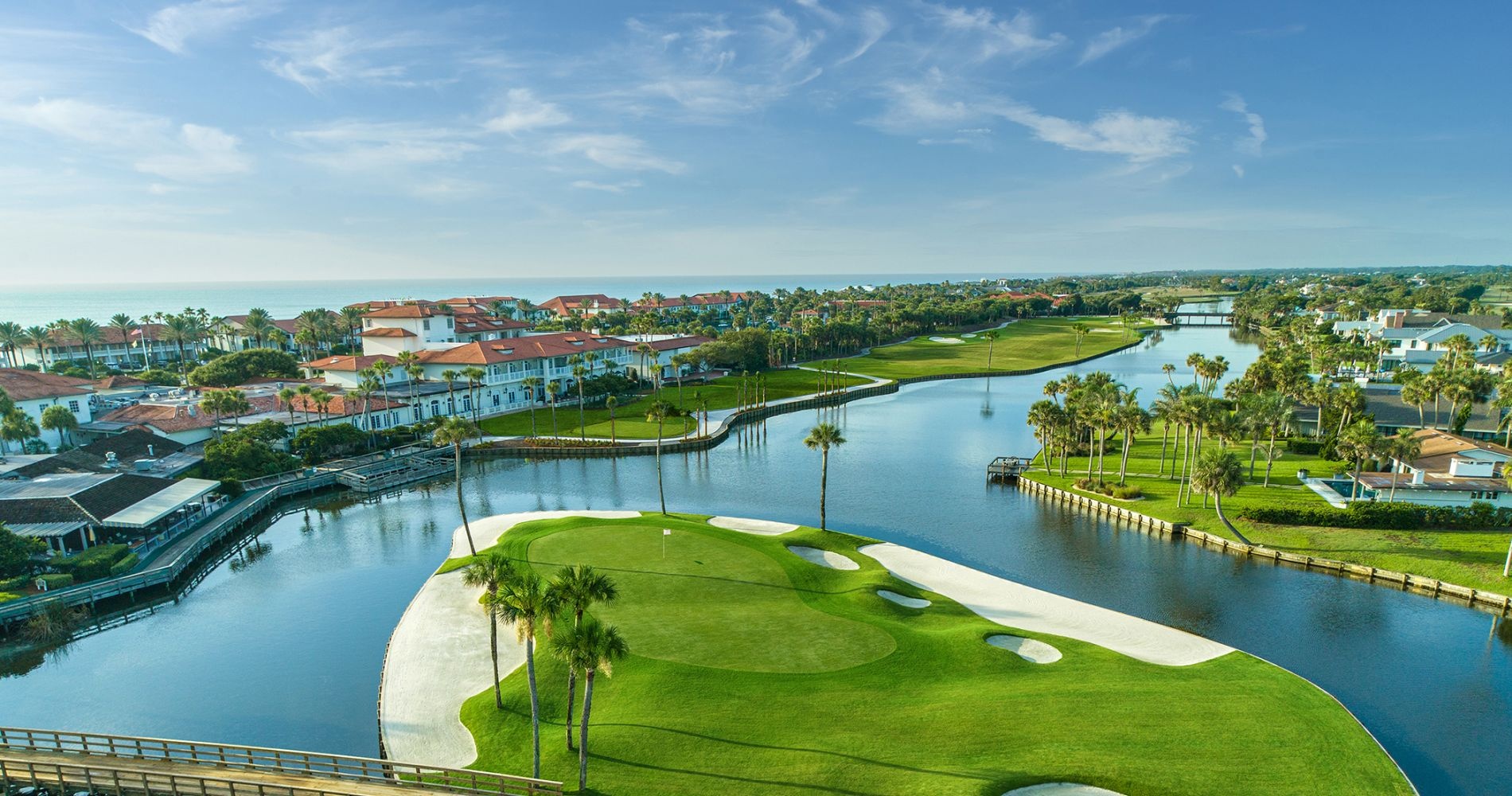
Ponte Vedra sits along Florida's northeastern Atlantic coast in St. Johns County, an upscale beach community that serves as one of the state's most recognizable coastal enclaves. The unincorporated community and surrounding Ponte Vedra Beach area are home to approximately 35,000 residents, drawing visitors year-round for the Atlantic shoreline, golf, and proximity to both Jacksonville and St. Augustine. Located roughly 20 miles southeast of downtown Jacksonville, Ponte Vedra blends residential quietude with high-end resort appeal, making it a familiar name to golfers and beachgoers from across the country.
The community's most famous draw is TPC Sawgrass, home of THE PLAYERS Stadium Course, the famed island-green 17th hole, and the annual Players Championship. The course is the centerpiece of the PGA Tour's headquarters and operates as a resort facility, with public-access tee times and a clubhouse that draws fans and golfers even outside tournament weeks. It sits just minutes from the heart of Ponte Vedra and anchors the area's identity as a golf destination.
To the south, the Guana Tolomato Matanzas National Estuarine Research Reserve protects a long stretch of barrier-island beaches, salt marshes, and tidal creeks between Ponte Vedra and St. Augustine. The reserve offers hiking, paddling, bird-watching, and beach access at several trailheads, and the surrounding dunes and sea oats provide a glimpse of the natural coastal Florida that existed before the area's resort development. It is a short drive from any point in Ponte Vedra and offers a quieter counterpoint to the area's busier resort beaches.
About 30 miles to the south lies St. Augustine, the nation's oldest continuously occupied European-established settlement, with its Castillo de San Marcos, the colonial-era downtown, the Flagler College campus, and a lively restaurant and gallery scene. Many visitors use Ponte Vedra as a quieter, beach-oriented base during day trips into the historic city, and the roughly 40-minute drive makes it a natural pairing for guests who want beach time and cultural sightseeing in the same trip.
With its Atlantic beaches, marquee golf, protected estuarine landscapes, and easy access to both Jacksonville and St. Augustine, Ponte Vedra offers short-term rental operators a market that combines year-round demand drivers with the kind of small-community atmosphere that appeals to repeat travelers. The area's mix of tournament-driven peaks in spring, summer beach traffic, and steady shoulder-season visitors from Jacksonville and beyond gives the market a balanced rhythm that few Northeast Florida communities can match.
Want to know if a property in Ponte Vedra is a good investment?
Enter an address to get instant revenue potential and comps.