
Okeechobee, Florida
Want to see how Okeechobee compares to other top cities in Florida? Explore all city regulations in Florida. →
Okeechobee, FL
Generally Investor Friendly
STR Regulations for Okeechobee, Florida
Executive Overview
Short-term rentals are explicitly allowed in Okeechobee County, Florida. The Okeechobee County Board of County Commissioners has established a 3% Tourist Development Tax specifically targeting short-term transient rentals, hotel accommodations, motels, room rentals, and certain other short-term accommodation rentals. This bed tax serves as the primary funding source for the Okeechobee Tourist Development Council and confirms that vacation rentals are not only permitted but actively regulated and taxed within the county.
What do Airbnb hosts actually earn in Okeechobee?
Okeechobee hosts earn a median $21,225/year with $158 ADR and 56% occupancy.
Top performers pull in $29,700+ per year.
See the full Okeechobee market breakdownHow to Start a Short-Term Rental Business in Okeechobee, FL
Step 1: Property Assessment and Planning
- Verify Property Zoning: Contact the Okeechobee County Planning and Zoning Department to ensure your property is zoned appropriately for short-term rental use.
- Property Type Consideration: Florida law defines vacation rentals as units in condominium/cooperative buildings or individually/single-family, two-family, or four-family houses/dwelling units that serve as transient public lodging establishments.
Step 2: State-Level Licensing Requirements
- Determine License Classification: Florida requires vacation rental licenses for units rented entire more than three times per calendar year for periods less than 30 days or one calendar month.
- Application Process: Apply online through the Florida Department of Business and Professional Regulation (DBPR) using the appropriate links based on your property type.
Step 3: Tax Registration and Compliance
- Tourist Development Tax Registration: Register with Okeechobee County for the 3% Tourist Development Tax.
- Sales Tax Registration: Obtain Florida Sales and Use Tax registration from the Florida Department of Revenue.
Required Documents, Permits, Licenses, and Guidelines
State Requirements (Florida Department of Business and Professional Regulation)
Vacation Rental License Classifications:
- Vacation Rental - Condominium: For units in condominium or cooperative buildings
- Vacation Rental - Dwelling: For single-family houses, townhouses, or duplex/triplex/quadruplex units
License Types:
- Single License: One single-family house or townhouse, or unit/group within single building owned/operated by same individual/entity
- Group License: License issued to licensed agent to cover all units within building/group in single complex
- Collective License: License issued to licensed agent representing collective group of houses/units on separate locations (limited to 75 units or less, restricted to counties within one district)
Required Documents:
- Completed online application
- Property ownership verification
- Business identification information
- Agent authorization (if using management company)
Local Requirements (Okeechobee County)
Tax Registration:
- Okeechobee County Tourist Development Tax registration (3% rate)
- Local Business Tax Receipt from Tax Collector
- Florida Sales and Use Tax registration
Fees and Costs
DBPR License Fees:
- Application fee: $50
- HEP (Hospitality Education Program) fee: $10
- License fees vary by capacity and renewal cycle
County-Level Fees:
- Local Business Tax Receipt fee (varies by classification)
- Tourist Development Tax (3% of gross rental income)
Property Standards and Safety Requirements
Physical Standards:
- Display all current licenses conspicuously on premises
- Maintain clean, safe, and good physical condition
- Provide clean, unworn, properly stored bedding and linens
- Provide soap (individually wrapped bars or liquid dispensers)
- Ensure all dishware and glassware are sanitized between guests
- Keep establishment free of vermin
Fire Safety Requirements:
- Install smoke detectors in every living unit
- Provide specialized smoke detectors for hearing impaired (1 per 50 rental units, max 5 per license)
- Ensure electrical system safety (no extension cords)
- Comply with NFPA 101 Life Safety Code
- File Certificate of Balcony Inspection every three years for buildings 3+ stories (unless exterior balconies are common elements)
Additional Safety:
- Baby cribs must meet Consumer Products Safety Commission standards
- Post required sanitization notice if facilities don't comply with public food service standards
Specific Regulations for Short-Term Rentals
State-Level Regulations (Florida Statutes Chapter 509)
Licensing Thresholds:
- Renting entire unit more than three times per calendar year triggers licensing requirement
- Renting individual rooms does not classify as public lodging and doesn't require DBPR license
- If advertised or held out to public as regularly rented to guests, license is required regardless of frequency
Operational Requirements:
- Annual human trafficking awareness training for employees in housekeeping/reception roles
- Compliance with fire safety standards as verified by State Fire Marshal
- Maintenance of occupancy records and guest registration
County-Level Regulations (Okeechobee County)
Tourist Development Tax (3%):
- Applies to short-term transient rentals, hotels, motels, and room rentals
- Sole funding source for Okeechobee Tourist Development Council
- Spending requirements governed by Florida State Statute 125.0104
- Collected on gross rental income from short-term accommodations
Local Business Tax Requirements:
- Required for all rental properties regardless of rental duration
- Contact local Planning and Zoning for additional requirements
Operational Guidelines
Marketing and Advertising:
- Property may be advertised as available for rent once properly licensed
- Online platforms may be used but proper licensing and tax registration required
Guest Management:
- Must maintain proper guest registration and occupancy limits
- Respond to guest complaints and issues promptly
- Ensure compliance with all safety standards
Contact Information for Local Authority in Charge of STRs
Okeechobee County Government
Address: 304 NW 2nd Street, Okeechobee, Florida 34972
Phone: (863) 763-6441
Website: www.okeechobeecountyfl.gov/visit-okeechobee/about-us/tourist-development-tax
Florida Department of Business and Professional Regulation
Division of Hotels and Restaurants
Address: 2601 Blair Stone Road, Tallahassee, FL 32399-1011
Phone: (850) 487-1395
TTY: (800) 955-8771
Email: dhr.info@myfloridalicense.com
Website: www2.myfloridalicense.com/hotels-restaurants/
Okeechobee County Tax Collector
Website: www.okeechobeecountytaxcollector.com/
Note: Contact information should be verified through their official website
Sources and References
- Okeechobee County Tourist Development Tax: www.okeechobeecountyfl.gov/visit-okeechobee/about-us/tourist-development-tax
- Florida DBPR Vacation Rental Guide: www2.myfloridalicense.com/hotels-restaurants/licensing/vrtsp-guide/
- Florida Statutes Chapter 509: Referenced for vacation rental definitions and requirements
- Florida State Statute 125.0104: Governing Tourist Development Tax spending requirements
Important Notes for Investors:
-
Local Verification Required: While this guide provides comprehensive state and county-level information, specific zoning restrictions and local ordinances may apply. Always verify with the Okeechobee County Planning and Zoning Department before purchasing property.
-
Regular Compliance Audits: Maintain strict adherence to all licensing, tax, and safety requirements. Regular inspections and tax audits are common.
-
Professional Consultation: Consider consulting with local real estate attorneys and property management companies familiar with Okeechobee County regulations for specific property transactions.
-
Statewide Preemption: Florida has enacted legislation preempting local regulation of vacation rentals in certain circumstances, but local taxes and registration requirements still apply.
This guide represents current regulations as of the provided sources. Always verify current requirements with official authorities before making investment decisions.
Next step
Found a property in Okeechobee?
Paste any address and get estimated revenue, cash-on-cash return, and comparable STR performance in under 5 minutes. 3 free analyses per day.
Free brief
Get the free Okeechobee STR Investment Brief
Revenue data, top neighborhoods, seasonal trends, and the key regulations for Okeechobee, Florida in one email.
Okeechobee
Market Saturation Score
Photos of Okeechobee

Overview of Okeechobee
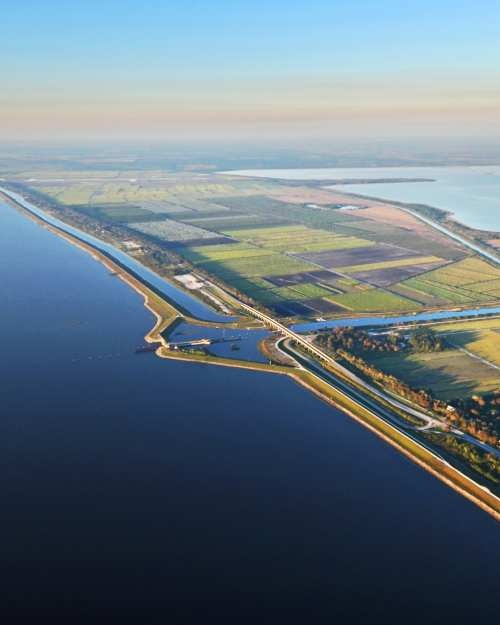
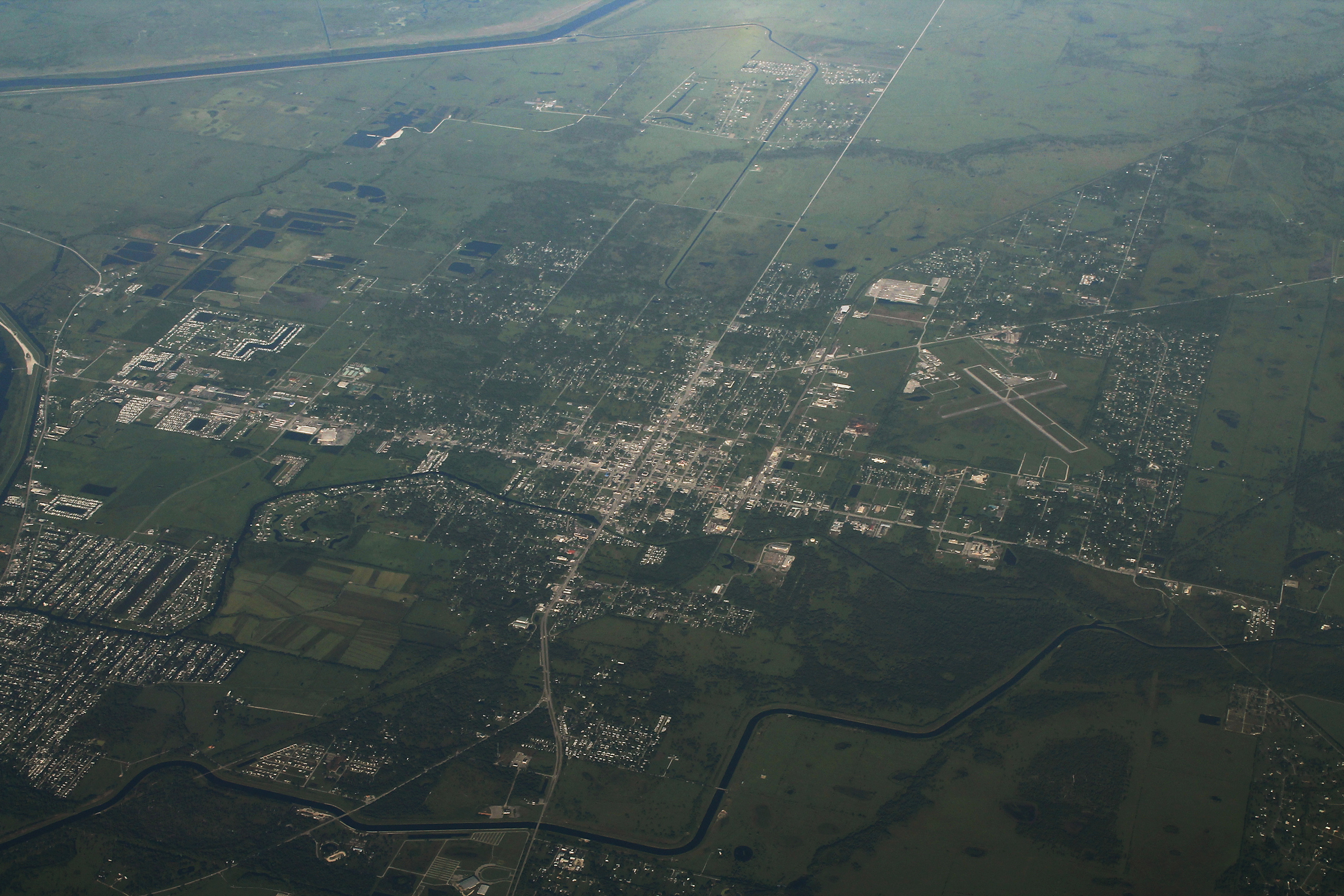
Okeechobee is a small, laid-back city in Okeechobee County, Florida, where it serves as the county seat. With a population of roughly 5,500 residents, the community carries the easygoing, rural character of inland Florida, surrounded by cattle ranches, citrus groves, and the broad open waters of the state's most famous lake. The city functions primarily as a gateway to Lake Okeechobee, the largest freshwater lake in the southeastern United States, and it sits approximately 75 miles northwest of West Palm Beach, the nearest major metropolitan area.
Lake Okeechobee is the centerpiece of the region and the reason most travelers pass through. Spanning roughly 730 square miles with a shallow average depth, the lake draws anglers from across the country for its legendary largemouth bass fishery, and the surrounding marshes attract birders hoping to spot snail kites, wood storks, and wading birds along the lakeshore. Boating access, fishing piers, and a series of public boat ramps ring the water, putting the lake within a 10- to 30-minute drive from anywhere in town.
Just beyond the shoreline, the Lake Okeechobee Scenic Trail, known locally as LOST, offers about 110 miles of pathway circling the lake, combining paved segments with unpaved berm roads. The trail is a popular route for long-distance cyclists, hikers, and section-hikers tackling it in pieces, and several trailheads lie within a short drive of downtown Okeechobee. Because the loop is segmented, visitors can pick a stretch for a half-day ride or commit to a multi-day circumnavigation.
South of the lake, the Kissimmee River flows out of the lake's southern edge and has become a destination in its own right after one of the largest river-restoration projects ever completed. The re-meandered waterway, roughly 30 to 40 minutes south of Okeechobee, supports healthy populations of bass and panfish and is increasingly popular with kayakers, birdwatchers, and photographers looking for a quieter alternative to the big lake. Together, the lake, the trail, and the restored river give visitors three distinct ways to experience the region's water and wildlife.
For short-term rental investors, Okeechobee offers a niche but reliable market built around fishing tournaments, birding tours, and trail users who want a comfortable base between outdoor adventures. Its central Florida location places Atlantic beaches, the Everglades, and the Orlando attractions all within roughly a two-hour drive, while property costs and nightly rates remain well below those of the coastal tourism hubs.
Want to know if a property in Okeechobee is a good investment?
Enter an address to get instant revenue potential and comps.