
Windham, Connecticut
Want to see how Windham compares to other top cities in Connecticut? Explore all city regulations in Connecticut. →
Windham, CT
Challenging To Investors
STR Regulations for Windham, Connecticut
Windham, CT Short-Term Rental Investor Guide
Overview: Are Short-Term Rentals Allowed in Windham?
Windham, Connecticut does not have a municipal ordinance or dedicated short‑term rental (STR) licensing program. The Town’s Planning & Zoning regulations do not list or define “short‑term rentals” as a separate permitted use in residential zones. In practice, this means that typical STR operations—rentals of 30 days or less without an owner present—are not expressly permitted and are treated as unlisted or prohibited uses. The Connecticut Court of Appeals decision in Wihbey v. Zoning Board of Appeals (AC 45283, released March 28, 2023) confirms that STR legality depends on the local zoning text and timing; Windham’s current zoning does not create a protected, nonconforming STR use.
One viable path exists: a short‑term rental may operate as an Accessory Dwelling Unit (ADU) if the property is owner‑occupied and the ADU is allowed in the underlying residential district, typically via Special Exception (Section 21.2.2, adopted June 15, 2022). Because ADUs are regulated as a form of single‑family use, they can support a home‑sharing or hosted model that is consistent with STR activity without the host being absent.
State‑level obligations apply regardless of municipal stance: Connecticut imposes a 15% room occupancy tax (Public Act 19‑117), and platforms like Airbnb/VRBO typically collect and remit it. Hosts are responsible for sales and use taxes and should register with the Connecticut Department of Revenue Services (DRS). Municipal fire, building, and housing codes still apply to any rental property, including STRs.
What do Airbnb hosts actually earn in Windham?
Windham hosts earn a median $23,750/year with $118 ADR and 75% occupancy.
Top performers pull in $28,794+ per year.
See the full Windham market breakdownHow to Start a Short‑Term Rental Business in Windham
A conservative, compliant approach minimizes enforcement risk and accelerates approvals:
-
Confirm zoning viability:
- If you plan to host and live on site, use the principal single‑family dwelling as an ADU STR under Section 21.2.2 with Special Exception approval (owner‑occupancy required, local criteria and conditions apply).
- Do not market a non‑hosted, 30‑day‑or‑less rental in residential zones; it is not expressly allowed in Windham’s regulations.
-
Prepare for permitting and inspections:
- Obtain the Special Exception for an ADU (if applicable) through the Planning & Zoning Commission (see process summary below).
- If operating an STR as a rental, follow the Housing Code permit requirements applicable to “multiple dwellings,” rooming houses, boardinghouses, motels, and hotels (Divisions 2–4). Note Windham’s Housing Code does not create a separate STR permit category but does provide for permits, inspections, and life‑safety standards for rental housing operations.
-
Establish tax compliance:
- Register with CT DRS for room occupancy tax (15%) and applicable sales/use taxes.
- Implement tax collection and remittance procedures; platforms may collect occupancy tax on your behalf but you remain responsible for compliance.
-
Adopt operational controls:
- Limit occupancy to code limits, manage parking, noise, and trash per local ordinances; no “party houses” or gatherings violating state and local standards.
- Keep an emergency contact and response plan; ensure fire, building, and housing codes are met (smoke detectors, egress, sanitation, etc.).
-
Build a compliance record:
- Document owner‑occupancy status for ADU models.
- Keep inspection records, certification reports, and permit documents on hand; this supports renewals and reduces enforcement exposure.
Required Documents, Permits, Licenses, and Guidelines
Municipal approvals
- Zoning approval:
- Application materials for Special Exception (Section 21.2.2) to establish an ADU STR (owner‑occupied).
- Site plan (Section 61) showing structures, access, parking, and utility areas.
- Compliance with home occupation rules (Section 80) if applicable to hosting activities.
- Housing Code permits (Divisions 2–4):
- Registration (Landlord Registration Ordinance reference).
- Permit application for multiple dwellings, rooming houses, boardinghouses, motels, hotels (Section 6‑24).
- Certification by licensed professional permitted by the State (architect, engineer, Building Official, Fire Marshal) if seeking extended permit or 4‑year validity (Section 6‑29).
- Display of permit in conspicuous location (Section 6‑24[d]).
- Permit renewal every two years (unless certified permit under 6‑29[d] yields a 4‑year term; conditional permit under 6‑29[e] may be 3 years).
Inspections and life‑safety standards
- Building/Housing Code inspections authorized by enforcement officials (Section 6‑23).
- Minimum standards for dwellings, multiple dwellings, and rooming houses (Sections 6‑55 to 6‑58 and 6‑71 to 6‑77).
- Fire Code adoption and supremacy over conflicting local provisions (Sections 6‑81 and 6‑82).
Tax registration and reporting
- CT DRS registration for room occupancy tax (15%) and sales/use tax.
- Procedures for collection and remittance (platforms often collect occupancy tax for hosted listings).
Operational documentation
- Occupancy limits per unit and room (Sections 6‑58 and 6‑73).
- Trash, recycling, and garbage handling standards (Section 6‑55[3]).
- Egress, fire safety, heating, ventilation, sanitation, and electrical requirements (Sections 6‑56, 6‑57, 6‑74).
- Advertising and rental agreements that reflect zoning conditions and occupancy limits.
Specific Regulations: City/County and State
Windham Zoning Regulations (effective revisions include February 15, 2025; Section 21.2.2 adopted June 15, 2022)
- STRs are not defined or listed as a permitted use in residential districts.
- ADU STR can operate via Special Exception where owner‑occupancy is maintained and local criteria are met.
- Site plan requirements (Section 61) and Special Exception process (Section 62) apply to ADU development.
Windham Housing Code (Sections 6‑21 through 6‑83)
- Definitions and scope (Sections 6‑21–6‑23).
- Permits for multiple dwellings and lodging operations, inspection authority, permit issuance, display, transferability, expiration (Sections 6‑24–6‑30).
- Life‑safety performance standards (Sections 6‑50–6‑57).
- Rooming houses, boardinghouses, motels, hotels requirements (Sections 6‑71–6‑80).
- Fire Code adoption and interpretation (Sections 6‑81–6‑82).
State of Connecticut (CT) Regulations
- No state‑level STR licensing or registration requirements.
- Room occupancy tax at 15% applies to rentals of 30 days or less (Public Act 19‑117), with platforms acting as facilitators for collection and remittance.
- State Building, Fire, and Health Codes apply and are enforced locally.
County Context
- Windham is in Windham County. County‑level rules specific to STRs are not provided; municipal zoning and housing codes govern operation.
Contact Information (Phone, Email, Website)
Windham Planning & Zoning Commission and Planning & Development Department
- Phone: 860‑465‑3070
- Notes: Contact for zoning questions, Special Exception applications, and the ADU process. Ask for Planning & Zoning staff.
Code Enforcement/Housing Code Department
- Department: Housing Code Enforcement Officer (Code Enforcement)
- Notes: Contact for permits, inspections, and Housing Code compliance; coordinate with the Housing Code Enforcement Committee as needed.
CT Department of Revenue Services (DRS)
- Purpose: Room occupancy tax registration and reporting; sales/use tax; enterprise tax matters.
- Notes: Register for applicable taxes and set up remittance processes; confirm current online contact methods and filing procedures.
Use of outside consultants
- Windham’s legal counsel and recent municipal debates in other Connecticut towns indicate local authority to outsource STR administration/regulation via consultants is limited. Engage municipal staff first; consult legal counsel early if considering alternative enforcement or registration models.
Source Links
- Southeastern Connecticut Council of Governments – “Short‑Term Rental Regulation in Connecticut” (October 2023): secogct.gov/wp-content/uploads/2023/10/ShortTermRentalRegulationinConnecticutOctober-2023.pdf
- Windham Housing Code (current through 10/04/2023): windhamct.gov/DocumentCenter/View/420/Housing-Code-PDF
- Windham Zoning Regulations (effective revisions include February 15, 2025): portal.ct.gov/-/media/csc/1_dockets-medialibrary/1_media_do500_600/do541/applicantsubmissions/application/2-town-of-windham-zoning-regulations.pdf?rev=0f84e619872c4387b13528cf7891cc11&hash=C5F6F70D116727E881E28F831E9E80D4
Practical takeaway for investors: In Windham, pursue an STR model only if you can operate under the ADU/Special Exception pathway with owner‑occupancy and full compliance with zoning and housing/fire codes. Avoid non‑hosted STR operations in residential zones absent express zoning authorization. Set up state tax accounts, adhere to life‑safety standards, and maintain thorough documentation to mitigate enforcement risk.
Next step
Found a property in Windham?
Paste any address and get estimated revenue, cash-on-cash return, and comparable STR performance in under 5 minutes. 3 free analyses per day.
Free brief
Get the free Windham STR Investment Brief
Revenue data, top neighborhoods, seasonal trends, and the key regulations for Windham, Connecticut in one email.
Windham
Market Saturation Score
Photos of Windham


Overview of Windham
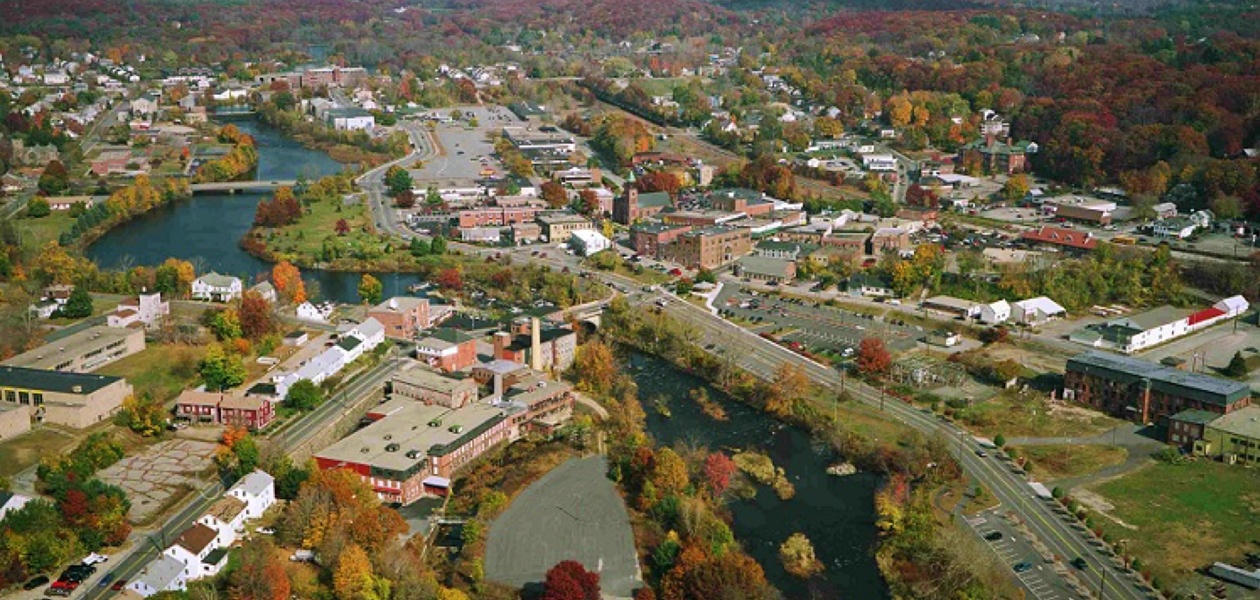
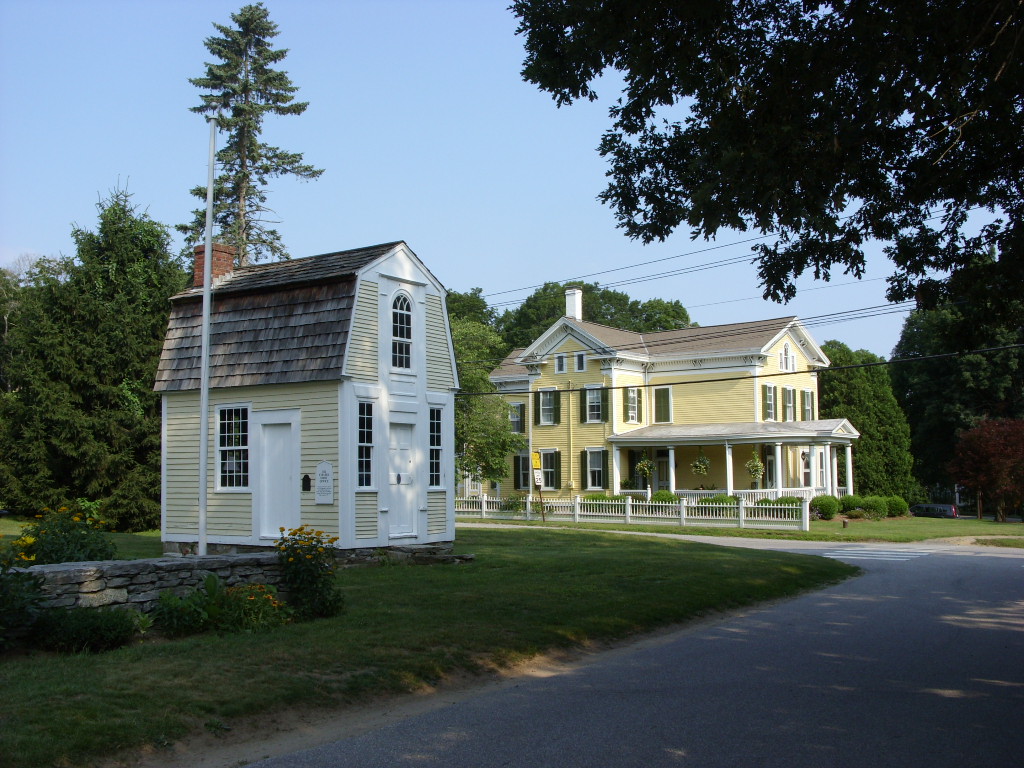
Windham, Connecticut is a town in Windham County in the northeastern part of the state, home to approximately 24,000 residents. The town is best known for its main village of Willimantic, a former 19th-century mill town that earned the lasting nickname "Thread City" for its once-thriving thread and textile industry. Willimantic still carries an industrial-village character, with brick mill buildings lining the Willimantic River and a compact, walkable downtown of locally owned shops and restaurants. Positioned about 30 miles east of Hartford and roughly 50 miles west of Providence, Rhode Island, Windham offers travelers a quiet, affordable inland base for exploring the less-traveled corners of eastern Connecticut.
One of the most photographed landmarks in town is the Willimantic Footbridge, often called the "Frog Bridge" for the four enormous green frog sculptures that perch on its railings. The frogs are a tongue-in-cheek tribute to the legend of the "Battle of the Frogs," a 1754 incident in which Windham residents were reportedly roused from bed by noisy bullfrogs along the river. The bridge spans the Willimantic River just a few minutes' walk from downtown, making it an easy stop for visitors interested in the town's quirky civic folklore and riverside scenery.
A short drive from the bridge, the Windham Textile and History Museum occupies a former mill building in Willimantic and preserves the story of the region's once-dominant thread industry. Exhibits trace the rise of the American thread mills, the labor of immigrant workers, and the broader transformation of small New England towns during the Industrial Revolution. The museum offers a grounded, local perspective on the trade that put Willimantic on the national map and shaped the surrounding community for generations.
Just a few miles west of Windham, Mansfield Hollow State Park centers on a sizeable reservoir popular for paddling, fishing, and quiet shoreline walks. The park's mix of open water, marsh edge, and wooded trails makes it a favorite for visitors looking to stretch their legs between indoor stops. It is also an easy add-on for guests who want a low-key afternoon on the water without leaving the immediate area.
Windham's appeal for short-term rental investors lies in this blend of small-town character, distinctive landmarks, and proximity to larger New England draws. Visitors coming for UConn sporting events and campus life in nearby Storrs, for the hiking trails of the surrounding state forests, or simply for a slower, more local take on the region find Willimantic an affordable and characterful home base.
Want to know if a property in Windham is a good investment?
Enter an address to get instant revenue potential and comps.