
Plymouth, Connecticut
Want to see how Plymouth compares to other top cities in Connecticut? Explore all city regulations in Connecticut. →
Plymouth, CT
Challenging To Investors
STR Regulations for Plymouth, Connecticut
Overview: Are short‑term rentals allowed in Plymouth, CT?
Short‑term rentals are not “expressly regulated” by Plymouth’s zoning code. Under Plymouth’s zoning, an investor has two lawful paths to operate transient lodging:
- Bed & Breakfast (B&B): a lodging use allowed by Special Permit in certain residential districts (see “Use Table”).
- Tourist Home: a transient lodging use allowed by Special Permit in R‑20 and R‑40 districts (see “Use Table”).
General “short‑term rental” (i.e., renting a dwelling for fewer than 30 days without a B&B or Tourist Home approval) is not permitted. In Connecticut, renting housing for fewer than 30 days statewide is prohibited, with narrow exceptions for licensed B&Bs, hotels, and similar lodging uses. Therefore, even if a Tourist Home or B&B is approved locally, you must comply with Connecticut’s 30‑day minimum for non‑B&Bs and obtain appropriate licenses to operate a lodging use legally.
Bottom line for investors:
- Short‑term rentals (fewer than 30 days) are not permitted in Plymouth unless operated as an approved Bed & Breakfast or Tourist Home and compliant with Connecticut’s lodging laws and licensing regime.
- Long‑term tenancy (30 days or more) is a residential use and does not require lodging licensing; confirm zoning for any residential tenancy to ensure compliance with district‑specific rules.
What do Airbnb hosts actually earn in Plymouth?
Plymouth hosts earn a median $30,204/year with $239 ADR and 65% occupancy.
Top performers pull in $63,045+ per year.
See the full Plymouth market breakdownHow to start a short‑term rental business in this market
Follow these steps, which integrate Plymouth zoning requirements and Connecticut’s lodging licensing framework.
- Confirm eligibility with zoning
- Identify the zoning district of your parcel.
- Determine whether your property can qualify for:
- Tourist Home (allowed by SP in R‑20 and R‑40).
- Bed & Breakfast (allowed by SP in certain residential districts; confirm district eligibility against the “Use Table”).
- Ensure your proposal meets all bulk and use requirements for the district (lot area, frontage, setbacks, height, building/lot coverage) and any special provisions (e.g., R‑Lake district standards).
- Select the lodging model and scope
- Decide between:
- Tourist Home: typically a single‑family dwelling offering transient lodging (3–9 guests) as defined in the zoning definitions.
- Bed & Breakfast: transient lodging in a private residence with breakfast service; eligibility requires breakfast service and owner/resident presence.
- Align maximum occupancy with the zoning definition (Tourist Home caps) and with any Connecticut lodging licensing requirements (hotel/B&B rules may have different caps or safety standards).
- File a Special Permit application with the Planning & Zoning Commission
- Include a complete application form and fees.
- Submit:
- Site plan meeting Article 7.A (site plan requirements).
- Detailed narrative describing the lodging use (rooms, occupancy, management, parking, signage).
- Draft responses to special permit criteria.
- Proof of access and utilities; parking plan.
- If in R‑Lake district: include evidence of public water/sewer tie‑ins (if applicable), stormwater and erosion controls, and compliance with R‑Lake development standards.
- For R‑Lake projects, address lot consolidation rules if applicable and demonstrate compliance with lake protection requirements.
- Obtain zoning approvals and satisfy conditions
- Appear before the Planning & Zoning Commission for the public hearing.
- Comply with any conditions of approval (parking, signage, screening, landscaping, outdoor lighting).
- After approval, obtain zoning compliance and any related building permits if alterations are planned.
- State lodging licensing and safety
- Secure appropriate lodging license(s) from Connecticut’s Department of Consumer Protection (DCP) for B&B/hotel‑type operations.
- Complete required safety inspections and obtain certifications per state lodging standards (e.g., fire safety, health, and building code compliance).
- Comply with Connecticut’s 30‑day minimum rental restriction for non‑B&Bs.
- Tax registration and compliance
- Register for Connecticut Sales and Use Tax with the Department of Revenue Services (DRS) if lodging transactions are taxable (hotel/room rentals).
- Obtain local business registration if Plymouth requires it for lodging operations.
- Collect and remit all applicable state and local taxes.
- Operational setup
- Prepare management plan (owner/resident oversight for B&B).
- Install compliant signage; adhere to the sign standards in Article 7.F and any SP conditions.
- Ensure off‑street parking meets Article 7.D requirements.
- Maintain safety equipment and post emergency information.
- Document policies for occupancy limits and length of stay to maintain compliance.
Required documents, permits, licenses, and guidelines
Local zoning documents and permits
- Plymouth Zoning Regulations (Article 4: Use & Bulk Regulations; Article 6: Special Permit Uses; Article 7: Site Development; Article 5: Environmental/Related Regulations)
- Special Permit application to the Planning & Zoning Commission
- Site plan per Article 7.A
- Parking and signage plans per Articles 7.D and 7.F
- Evidence of utilities and access (especially in R‑Lake: public water/sewer tie‑ins per Article 3.G)
- Soil Erosion & Sediment Control certification if the project disturbs >0.5 acre per Article 5.B
- Flood Damage Prevention compliance if in a flood hazard area per Article 5.C
- Zoning Enforcement Officer approvals as needed (variances, interpretations)
State lodging licensing and safety
- Connecticut DCP lodging license(s) for B&B/hotel‑type operations
- Fire, health, and building code inspections/certifications per Connecticut lodging statutes
- Compliance with Connecticut’s 30‑day minimum rental restriction for non‑B&Bs
Tax registrations and reporting
- Connecticut DRS Sales and Use Tax registration
- Business registration if required by Plymouth
- Lodging tax collection and remittance
Specific regulations for short‑term rentals in Plymouth (city), Litchfield County (county), and Connecticut (state)
City of Plymouth
- Allowed lodging uses:
- Tourist Home: permitted by Special Permit in R‑20 and R‑40 districts (see Use Table).
- Bed & Breakfast: permitted by Special Permit in certain residential districts (see Use Table).
- Use/Bulk standards:
- Observe minimum lot area, frontage, setbacks, height, and coverage limits per district (Table of General Bulk Regulations).
- Site plan, parking, and signage requirements apply (Articles 7.D and 7.F).
- R‑Lake district requirements:
- Tight controls for development near lakes, including utilities tie‑ins, erosion control, and consolidation of undersized lots; impervious surfaces minimized (Article 3.G).
- Environmental controls:
- Soil Erosion & Sediment Control certification required if disturbance exceeds 0.5 acre (Article 5.B).
- Flood Damage Prevention regulations apply in mapped flood hazard areas (Article 5.C).
- General notes:
- Tourist Home is defined as transient lodging for more than three and fewer than ten persons.
- Bed & Breakfast is lodging offered in a private residence, typically with breakfast included.
Litchfield County
- County‑level (Northwest Conservation District) review may occur for soil erosion/sediment control plans per Article 5.B.
State of Connecticut
- Short‑term rentals (fewer than 30 days) are prohibited statewide, except in licensed lodging settings such as B&Bs, hotels, motels, and similar establishments.
- Lodging licensing and safety inspections are governed by Connecticut statutes and administered by DCP.
- STR governance in Connecticut includes a statewide licensing framework; municipalities may adopt additional licensing and enforcement rules. Under state law, renting housing for fewer than 30 days remains prohibited unless operated under a lodging license that qualifies for an exception.
- Performance standards and environmental controls may also apply depending on the property’s location and use.
Contact information (phone, email, website)
Local authority (Plymouth Planning & Zoning)
- Planning & Zoning Commission / Zoning Enforcement Officer
- Phone: 860‑459‑0411
- Email: pzadmin@plymouthct.gov
- Website: www.plymouthct.gov/planning-zoning
Town Clerk (for Zoning Map viewing)
- Phone: 860‑459‑9655
- Email: townclerk@plymouthct.gov
State licensing (Connecticut Department of Consumer Protection)
- Website: portal.ct.gov/DCP
State taxes (Connecticut Department of Revenue Services)
- Website: portal.ct.gov/DRS
Links to source pages
- Plymouth Zoning Regulations (PDF): www.plymouthct.gov/media/Land%20Use/ZoningRegs.pdf
Note: The above guide is based on the provided Plymouth Zoning Regulations and Connecticut’s general lodging framework. For state lodging licensing details and any Plymouth local licensing updates, consult the State of Connecticut DCP and the Plymouth Planning & Zoning Commission.
Next step
Found a property in Plymouth?
Paste any address and get estimated revenue, cash-on-cash return, and comparable STR performance in under 5 minutes. 3 free analyses per day.
Free brief
Get the free Plymouth STR Investment Brief
Revenue data, top neighborhoods, seasonal trends, and the key regulations for Plymouth, Connecticut in one email.
Plymouth
Market Saturation Score
Photos of Plymouth
Overview of Plymouth
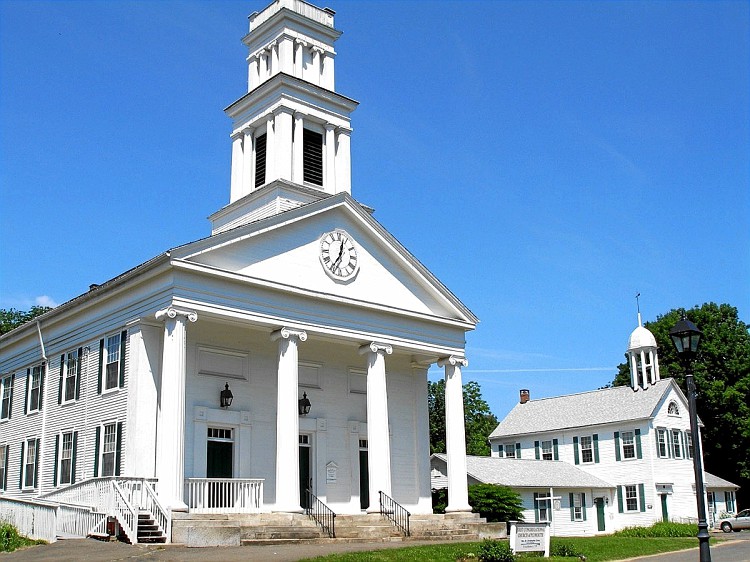
Plymouth is a small New England town in Litchfield County in west-central Connecticut, home to approximately 12,000 residents. Tucked into the Naugatuck River Valley, the town has a quiet, residential character shaped by its industrial roots, particularly the clock-making heritage of its Terryville village. Plymouth sits roughly 20 miles southwest of Hartford, the state capital, and within easy reach of both Hartford and the broader central Connecticut region, making it a peaceful base that still keeps visitors close to a wide range of regional attractions.
Just minutes to the east in neighboring Bristol, Lake Compounce is one of New England's signature amusement parks and is widely considered the oldest continuously operating amusement park in the United States. Set around a lakeside hillside, the park pairs a classic wooden roller coaster with a modern water park, a lakeside beach, and family-friendly rides. From Plymouth, the park is typically a 10- to 15-minute drive, which makes it a popular day trip for families staying in the area.
A short drive west of Plymouth in Watertown, Black Rock State Park offers a quieter outdoor escape centered on a small pond surrounded by wooded hills. The park is popular for swimming in summer, fishing, picnicking, and walking easy forested trails. It is roughly 10 to 15 minutes from Plymouth, and it gives visitors a low-key way to experience the rolling, wooded terrain of Litchfield County.
About 20 minutes south of Plymouth, the city of Waterbury anchors the lower Naugatuck Valley and offers a handful of cultural stops. The Mattatuck Museum, housed in a historic downtown building, focuses on regional art, history, and the industrial heritage of the Naugatuck Valley. Visitors can pair the museum with a walk through Waterbury's revitalized downtown, which has seen new restaurants and breweries open in recent years.
Plymouth's appeal as a short-term-rental base lies in the balance it strikes between seclusion and access. Guests enjoy a quiet, leafy New England setting with a tangible sense of local history, while remaining within a short drive of family attractions, state parks, and the cultural offerings of Waterbury, Bristol, and Hartford. That combination of small-town calm and regional reach makes Plymouth a practical and inviting anchor for travelers exploring central Connecticut.
Want to know if a property in Plymouth is a good investment?
Enter an address to get instant revenue potential and comps.