
Norwood, Colorado
Want to see how Norwood compares to other top cities in Colorado? Explore all city regulations in Colorado. →
Norwood, CO
Generally Investor Friendly
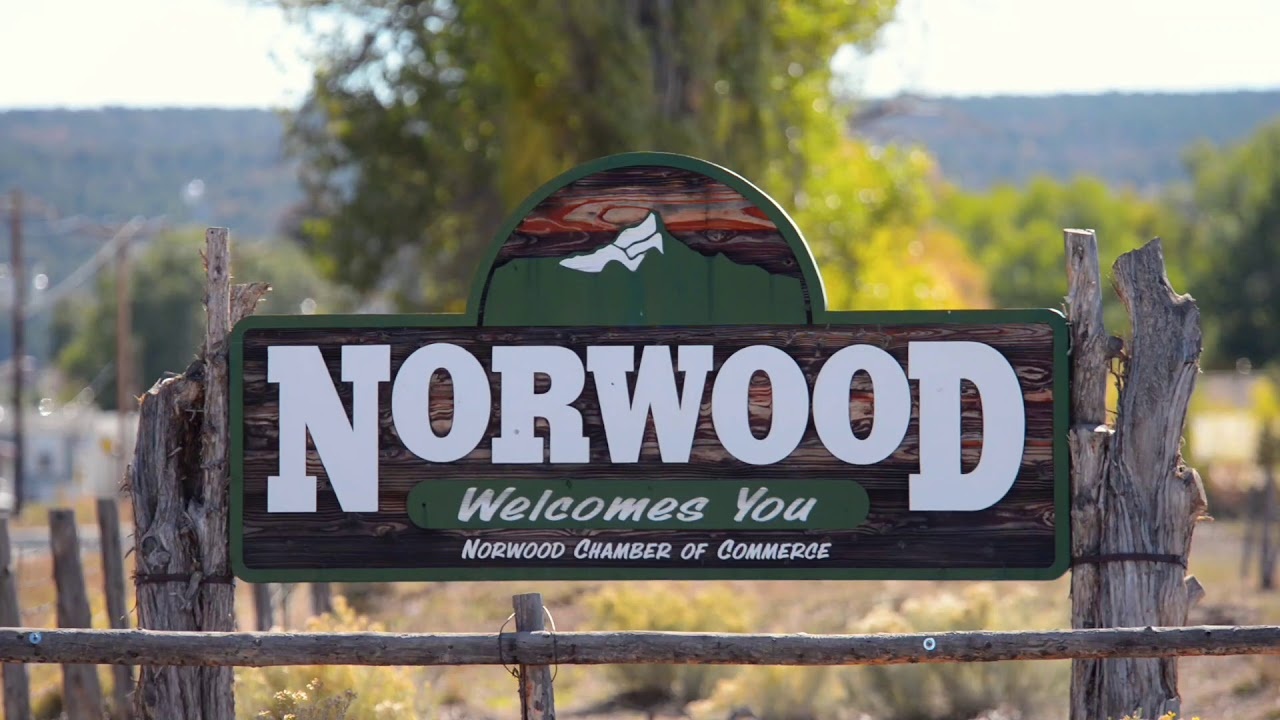
STR Regulations for Norwood, Colorado
Short-Term Rentals in Norwood, CO: Investor Guide
Overview: Are Short-Term Rentals Allowed in Norwood?
Yes—short-term rentals (STRs) are likely allowed in Norwood, CO, subject to zoning, building, licensing, and tax requirements at the local and state levels. Norwood’s Land Use Code does not expressly define or prohibit STRs. Lodging-type uses, such as “Hotel or Motel” and “Bed and Breakfast,” are defined in the Code and are treated as principal or conditional uses in specific districts (e.g., the B-1 Business District), and “Bed and Breakfast” has explicit owner-occupancy and parking standards. As a result, most short-term rental formats—such as nightly or weekly rentals in single-family dwellings, accessory dwelling units, or commercial lodging—should be permissible if they align with the underlying zoning classification and development standards. However, because the Code does not explicitly define STRs, investors should confirm zoning classification and permit requirements with the Town before proceeding.
What do Airbnb hosts actually earn in Norwood?
Norwood hosts earn a median $21,747/year with $153 ADR and 69% occupancy.
Top performers pull in $33,342+ per year.
See the full Norwood market breakdownHow to Start a Short-Term Rental Business in Norwood, CO
- Confirm zoning compliance:
- Determine your parcel’s zoning district (e.g., A Agricultural, R-1 Residential, MD Medium Density, B-1 Business, MH Mobile Home, I Industrial, P Public).
- Verify whether lodging uses are permitted “by right” or require a Conditional Use Permit (CUP) in the chosen district per Chapter 3 (Use Regulations). Based on Code definitions, “Hotel or Motel” is a lodging use and is typically associated with commercial districts (e.g., B-1). “Bed and Breakfast” is defined and has specific owner-occupancy and parking requirements in residential districts.
- If an STR is proposed in a residential district without an explicit lodging allowance, consider pursuing a CUP per Chapter 6.10 or a Variance per Chapter 6.15 if applicable.
- Engage with Town staff:
- Request a Zoning Development Permit per Chapter 6.19 to confirm use compliance in the subject zoning district and any required conditions.
- If structural changes or new construction are proposed, obtain a Building Permit per Chapter 6.19 after Zoning Development Permit approval.
- Obtain a Certificate of Occupancy per Chapter 6.20 to authorize legal use of the premises for lodging.
- Licenses and registrations:
- Business License: Obtain any Town business license/registration as required; Norwood’s Code sets a fee framework for land use applications (Section 1.08) but does not itemize a specific STR business license fee.
- Colorado state licensing/registration: Confirm and comply with Colorado’s Short-Term Rental Accommodation Act (C.R.S. §§ 6-28-101 et seq.) and the Department of Revenue’s requirements for STR licensing and related excise taxes.
- Taxes:
- State sales/use/excise taxes: Register with the Colorado Department of Revenue for sales tax and any applicable lodging-related excise taxes required for STRs under Colorado law.
- Local taxes: If the Town or county has adopted a lodging or accommodation tax, register and remit accordingly.
- Operational compliance:
- If operating as a Bed and Breakfast in a residential district, ensure owner-occupancy and parking standards are met (one off-street parking space per bedroom offered for temporary overnight accommodations, in addition to residential parking requirements).
- Address safety, access, parking, signage, lighting, noise, and performance standards as required in Chapters 5 and 7.
- Ongoing administration:
- Maintain records of permits, licenses, tax filings, guest logs, safety inspections, and any neighborhood communications.
- Track renewal dates and any changes to zoning or fees.
Required Documents, Permits, Licenses, and Guidelines
Local (Town of Norwood)
- Zoning Development Permit: Required to confirm use compliance for lodging/STR uses in the zoning district (Chapter 6.19).
- Building Permit (if applicable): For new construction, additions, or alterations; issued after Zoning Development Permit (Chapter 6.19).
- Certificate of Occupancy: Authorizes legal use of the premises for lodging/STR (Chapter 6.20).
- Business License/Registration: Confirm with the Town whether a separate STR business license is required; fees are set by ordinance (Section 1.08).
- Conditional Use Permit (CUP) or Variance (if applicable): For lodging uses not permitted by right or dimensional relief (Chapters 6.10 and 6.15).
- Written confirmation from the Town (recommended): Obtain a letter or permit indicating STR lodging use is authorized for your property.
Colorado State-Level
- STR licensing/registration: Comply with the Short-Term Rental Accommodation Act and Department of Revenue rules.
- Sales tax and lodging/excise tax accounts: Register, collect, and remit state sales/use/excise taxes as applicable to STR operations.
- Colorado advertising rules: If state rules require registration numbers or disclosures in advertisements, ensure compliance when listing properties online.
Operational Guidelines (derived from Town Code)
- Bed and Breakfast (in residential districts): Owner-occupied; maximum five separate bedrooms; one off-street parking space per bedroom offered for temporary overnight accommodations, in addition to standard residential parking (Definitions, Chapter 2.02).
- Parking and Access: Provide off-street parking as required by Chapter 5.02; maintain all-weather surfacing or gravel and usability standards.
- Performance Standards and Noise: Comply with Chapter 5.07 and other performance criteria (e.g., lighting, signage).
- Nonconforming Uses: Understand nonconforming status, expansion limits, and abandonment provisions (Section 1.06) when converting existing structures to STR use.
- Fees: Application fees are set by ordinance commensurate with services, including publication, hearing, planning, engineering, and legal review costs (Section 1.08).
Specific Regulations for Short-Term Rentals
Town of Norwood (City-Level)
- No explicit STR prohibition or separate STR definition is identified in the Land Use Code.
- Lodging uses are recognized through defined terms: “Hotel or Motel” (minimum six guest rooms; customary hotel/motel services) and “Bed and Breakfast” (owner-occupied single-family dwelling; lodging and breakfast for temporary overnight occupants in no more than five bedrooms; one off-street parking per bedroom offered).
- Zoning Use Regulations: Chapter 3 governs district use allowances. Confirm whether lodging uses are permitted “by right,” as a conditional use, or require a CUP in your parcel’s district (e.g., B-1 Business for hotel/motel; Bed and Breakfast in residential contexts).
- Administration and Procedures: Zoning Development Permits (Chapter 6.19), Building Permits (Chapter 6.19), Certificates of Occupancy (Chapter 6.20), CUPs (Chapter 6.10), Variances (Chapter 6.15), Appeals (Chapter 6.14), and other procedures govern approvals and relief.
- Fees and Enforcement: Fees are set by ordinance (Section 1.08). Violations are subject to misdemeanor penalties, fines up to $1,000, imprisonment up to 90 days, and each day of violation constitutes a separate offense (Section 1.07).
- Performance Standards: Off-street parking (Chapter 5.02), signage (Chapter 5.06), lighting (Chapter 5.08), noise and operational standards (Chapter 5.07) apply to lodging uses.
San Miguel County (County-Level)
- No county-specific STR regulations are provided in the referenced material. Confirm county licensing, tax, or compliance requirements separately if your property is in unincorporated county areas or if county-level lodging taxes or permits apply.
Colorado State-Level
- Short-Term Rental Accommodation Act: Establishes statewide licensing/registration requirements for STRs and sets rules for operators and platforms (C.R.S. §§ 6-28-101 et seq.). Specific application, renewal, and fee details are set by the Department of Revenue and should be confirmed directly.
- Sales and Lodging/Excise Taxes: STR operators must register, collect, and remit applicable state sales/use/excise taxes as provided by Colorado law and DOR guidance. Confirm the exact tax obligations and rates with the DOR.
- Advertising Compliance: Colorado statutes may require inclusion of license/registration numbers and certain disclosures in online listings for STRs.
Contact Information
Town of Norwood – Administration and Planning
- Address: Town of Norwood, Colorado (contact the Town Hall for mailing address and hours)
- Phone: 970-327-4286
- Building Official/Inspector: Phone 970-327-4206
- Town Planner: Phone 970-327-4286, ext. 5
- Town Clerk: Phone 970-327-4286, ext. 4
- Town Attorney: Phone 970-327-4286, ext. 6
- Water/Utilities (Norwood Water Commission): Phone 970-327-4286, ext. 3
- Website: www.norwoodtown.com
San Miguel County (if applicable)
- San Miguel County Clerk and Recorder: For plat records, property records, and potential county-level lodging tax or licensing information. (No phone/email provided in the referenced materials; confirm via county website.)
Colorado Department of Revenue (State-Level)
- Licensing and tax registration for STRs: Contact DOR for STR licensing requirements and lodging/excise tax registration and filing guidance. (No direct phone/email provided in the referenced materials; confirm via DOR website.)
Links to Source Pages
- Norwood, CO – Land Use Code (PDF): www.norwoodtown.com/files/cabc11b2c/revised-land-use-code-feb-20.pdf
Notes and Best-Practice Tips for Investors
- Before acquisition, secure a written determination from the Town Planner confirming that STR lodging is a permitted use for your property and clarifying whether a CUP or other approvals are needed.
- If the STR will operate as a Bed and Breakfast, document owner-occupancy status and parking counts to demonstrate compliance with the Code.
- Build a compliance file: include permits, licenses, tax registrations, inspection reports, and a guest-policy manual addressing noise, parking, occupancy limits, and waste management.
- Plan for ongoing fee obligations (e.g., taxes, renewals, potential mitigation fees) and monitor Town ordinances for updates affecting STRs.
Next step
Found a property in Norwood?
Paste any address and get estimated revenue, cash-on-cash return, and comparable STR performance in under 5 minutes. 3 free analyses per day.
Free brief
Get the free Norwood STR Investment Brief
Revenue data, top neighborhoods, seasonal trends, and the key regulations for Norwood, Colorado in one email.
Norwood
Market Saturation Score
Photos of Norwood

Overview of Norwood
Norwood is a small, high-elevation town nestled on Wrights Mesa in San Miguel County, Colorado, with a population of roughly 500 residents. It carries the feel of a quiet Western ranching community, where open pastures, big skies, and views of the surrounding mountain ranges define everyday life. Though modest in size, Norwood functions as a low-key gateway to some of the most dramatic landscapes in the Rockies, and travelers passing through often find it a welcome change of pace from the busier resort towns nearby. It sits approximately 30 miles northwest of Telluride, the nearest major destination, with a typical drive taking about 45 minutes over scenic mountain roads.
The obvious draw drawing visitors to the region is Telluride itself, with its celebrated ski mountain, walkable Victorian-era downtown, and year-round festival calendar. From Norwood, guests can reach the town in well under an hour and return to a quieter, more affordable base, which makes the area attractive to travelers who want access to resort amenities without the resort price tag. Summer and fall bring hiking, mountain biking, and the renowned Telluride Film and Bluegrass festivals, while winter transforms the surrounding peaks into a destination for skiers and snowboarders.
Just beyond the town, the San Juan Mountains offer some of the most spectacular alpine scenery in the continental United States. Locals and visitors alike spend time exploring backcountry roads, high-altitude lakes, and historic mining routes that weave through the range. The mountains are a particular draw in autumn, when the aspens turn gold across the high basins, and in summer when wildflower-filled meadows are accessible by foot or four-wheel-drive vehicle.
The region is also laced with public forest land, including portions of the Uncompahgre National Forest, which surrounds much of Norwood and provides extensive opportunities for camping, fishing, hunting, and hiking. Closer to town, the broad expanse of Wrights Mesa itself rewards visitors with sweeping vistas and a sense of wide-open Colorado ranch country, often enjoyed via the byways that connect Norwood to neighboring communities like Ridgway, Nucla, and Naturita.
Taken together, Norwood's combination of authentic small-town character, easy access to Telluride, and immediate proximity to millions of acres of national forest and high-alpine terrain makes it a quietly compelling base for short-term rentals. Guests can spend their days in one of Colorado's most famous resort towns and return each evening to the slower rhythm of the mesa.
Want to know if a property in Norwood is a good investment?
Enter an address to get instant revenue potential and comps.