
Denver, Colorado
Want to see how Denver compares to other top cities in Colorado? Explore all city regulations in Colorado. →
Denver, CO
Challenging To Investors
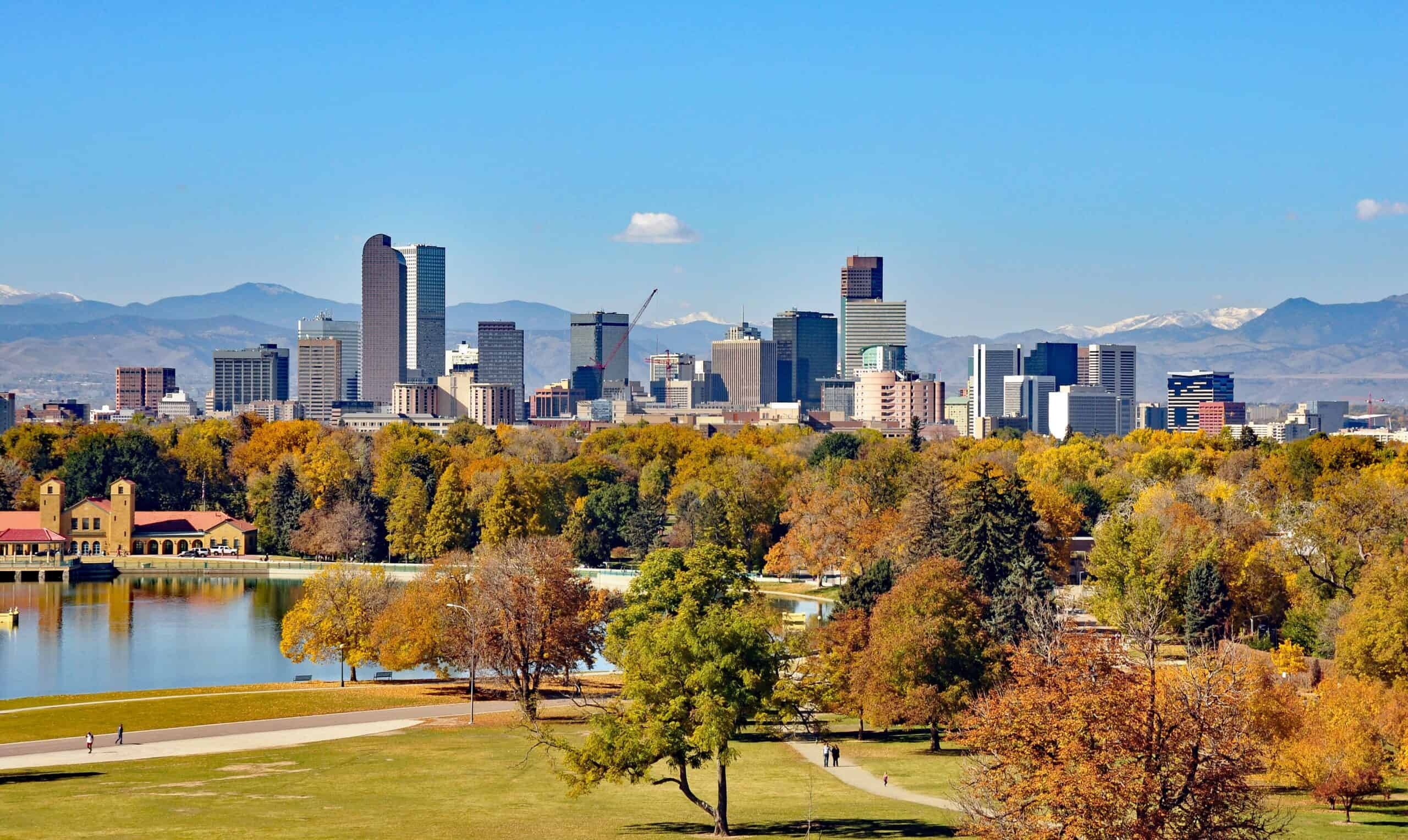
STR Regulations for Denver, Colorado
Overview: Are Short-Term Rentals Allowed in Denver?
Short-term rentals are allowed in Denver, CO, but only under strict regulatory requirements. The City and County of Denver permits short-term rentals through a licensing program, with rentals defined as residential dwelling units rented for one to 29 days. This is a significant departure from a "free-for-all" approach to STRs and represents a heavily regulated environment where only primary residences can be legally operated as STRs.
What do Airbnb hosts actually earn in Denver?
Denver hosts earn a median $36,292/year with $173 ADR and 75% occupancy.
Top performers pull in $55,809+ per year.
See the full Denver market breakdownHow to Start a Short-Term Rental Business in Denver
Step-by-Step Process
-
Obtain a Lodger's Tax ID
- Apply through the Denver Treasury Department
- This is a prerequisite tax identification number
- Note: While hosts are required to have this ID, Airbnb automatically collects the Lodger tax on bookings
-
Create an Account with Denver's Permitting and Licensing Center
- Access the online portal at denvergov.org
- Complete the account registration process
- Watch navigation tutorials if needed
-
Submit Your Short-Term Rental License Application
- Use the online application portal
- Initial reviews typically take up to 30 days
- Specialist reviews can take up to 90 days
- No pre-approval is provided
-
Add License Number to Your Listing
- Once approved, display your license number on all advertisements
Timeline Expectations
- Overall registration process: 7-10 business days (varies by application volume)
- Initial application review: Up to 30 days
- Specialist review: Up to 90 days
- Note: Current processing times may vary; check the city's website for updates
Required Documents, Permits, Licenses, and Guidelines
Essential Documents
- Colorado driver's license or Colorado identification card
- At least two of the following:
- Proof of valid motor vehicle registration
- Proof of voter registration
- Federal or state tax returns or other financial documentation
- A utility bill
Required Permits and Licenses
- Lodger's Tax ID (from Treasury Department)
- Short-Term Rental License (primary requirement)
- Business License (as applicable)
Financial Requirements
- Total registration cost: $150
- Lodger Tax: Automatically collected by platforms like Airbnb on bookings
Specific Regulations for Short-Term Rentals
Primary Residence Requirement
This is the most critical regulation impacting investors:
- Definition: The place where a person's habitation is fixed for the license term and is the person's usual place of return
- Single residence rule: A person can have only one primary residence
- Common misconceptions: Claiming primary residence for tax or other governmental purposes doesn't automatically qualify for STR licensing
Operational Requirements
- Safety compliance: Hosts must follow all safety regulations
- Tax obligations: Must comply with all tax requirements including lodging taxes
- Zoning compliance: Must operate within appropriate zoning areas
- Insurance requirements: Must maintain appropriate insurance coverage
- Advertisement rules: All advertisements must display the host's business license number
- Host presence: There is no specific requirement for the host to be present during rentals
Enforcement Mechanisms
- Fines and penalties: Non-compliance can result in monetary fines
- License revocation: Repeated violations can lead to loss of operating license
- Platform compliance: Booking service providers are prohibited from processing transactions for unlicensed properties
Zoning Provisions
Denver has specific zoning provisions governing STR operations, detailed in the city's zoning code and regulations. Certain areas may have additional restrictions.
Tax Implications
STRs in Denver are subject to lodging taxes, which are typically collected by platforms and remitted to the city. Hosts must maintain proper tax records and comply with all applicable tax obligations.
Contact Information for Local Authority
Primary Contact
- Email: licenses@denvergov.org
- General inquiries: licenses@denvergov.org (include "public comment" in subject line for policy feedback)
- Phone: 3-1-1 (within Denver)
- Outside Denver: (720) 913-1311
- Hearing Impaired Only (TTY): (720) 913-8479
Department
Denver Department of Excise and Licenses
- Responsible for regulation and enforcement of STR licenses
- Protects public health, safety, and welfare through business regulation
Additional Resources
- Application Status: Check status through online portal
- Complaints: Submit through city's complaint system
- General Information: Visit the STR FAQ page on denvergov.org
Important Considerations for Investors
Primary Residence Impact
The strict primary residence requirement significantly impacts investment potential in Denver. This regulation prevents typical investor strategies like purchasing multiple properties for STR operations, as each property must be the host's primary residence.
Enforcement Environment
Denver actively enforces STR regulations through:
- Regular application reviews
- Complaint-based investigations
- Platform collaboration to identify unlicensed operations
- Citation and penalty systems
Business Viability
Given the primary residence limitation and regulatory requirements, Denver's STR market is better suited for:
- Homeowners seeking to occasionally rent their primary residence
- Permanent residents wanting supplemental income
- Properties where the owner maintains actual primary residence
This environment is less suitable for:
- Commercial STR operators with multiple properties
- Investors seeking to purchase non-primary residences for STR purposes
- Large-scale STR operations
Links to Source Pages
- Short-term rentals overview
- Short-term rental laws, rules, and regulations
- Denver short-term rental ordinance
- New short-term rental application
- Short-term rental FAQ
- Lodger's Tax ID application
- Online training videos
This guide reflects information available as of the source documents provided. Denver's STR regulations may change; investors should verify current requirements with the city before making investment decisions.
Next step
Found a property in Denver?
Paste any address and get estimated revenue, cash-on-cash return, and comparable STR performance in under 5 minutes. 3 free analyses per day.
Free brief
Get the free Denver STR Investment Brief
Revenue data, top neighborhoods, seasonal trends, and the key regulations for Denver, Colorado in one email.
Denver
Market Saturation Score
Photos of Denver


Overview of Denver
Denver is the capital city of Colorado and serves as the seat of Denver County, a consolidated city-county that anchors the state's most populous metropolitan area. With a city population of roughly 700,000 and a metro region approaching three million residents, Denver carries the nickname the "Mile High City" because its elevation sits at approximately 5,280 feet above sea level, one full mile. The city has a youthful, active character shaped by a large transplant population, a thriving craft beverage scene, professional sports franchises, and easy access to the Rocky Mountains. It functions as the primary gateway for travelers heading into the high country of Colorado, and is positioned about 70 miles north of Colorado Springs and roughly 600 miles east of Salt Lake City, making it the dominant urban hub of the central Rockies.
One of the most iconic nearby destinations is Red Rocks Park and Amphitheatre, a naturally formed sandstone amphitheater set among dramatic red rock formations about 15 miles west of downtown Denver. The venue hosts concerts under the stars and is surrounded by hiking trails that draw visitors even on non-show days, giving short-term rental guests a memorable half-day outing close to the city.
A longer but very popular excursion is Rocky Mountain National Park, located roughly 70 miles northwest of Denver near Estes Park. The park features Trail Ridge Road, alpine tundra, elk herds, and glacially carved valleys, making it one of the most visited national parks in the country. Many travelers staying in Denver use the city as a base for day trips or overnight loops into the park.
Downtown, Union Station anchors the revitalized Union Station neighborhood, a historic 1880s railway terminal that now houses restaurants, bars, and shops, and serves as the central transit hub connecting light rail and commuter rail lines. A short walk away, the Denver Art Museum holds one of the largest Native American art collections in the country, alongside traveling exhibitions that draw visitors year-round. Nearby, the 16th Street Mall, a pedestrian-friendly mile of shops and cafes, links many of the central downtown attractions together.
Further east of the city center, the Denver Botanic Gardens offers 24 acres of curated plant collections, themed gardens, and a tropical conservatory just minutes from Capitol Hill. The gardens pair naturally with a visit to the Colorado State Capitol building, where the famous "Mile High" step is marked on the west side of the building for visitors who want to stand precisely one mile above sea level.
Denver appeals to short-term rental investors because it blends urban amenities with extraordinary outdoor access. Guests can spend mornings exploring museums and breweries downtown and afternoons hiking, skiing, or sightseeing in the mountains, all within a day of the city. This combination of walkable districts, year-round events, and proximity to Rocky Mountain National Park and other natural attractions supports steady demand across both summer and winter seasons.
Want to know if a property in Denver is a good investment?
Enter an address to get instant revenue potential and comps.