
Cripple Creek, Colorado
Want to see how Cripple Creek compares to other top cities in Colorado? Explore all city regulations in Colorado. →
Cripple Creek, CO
Challenging To Investors
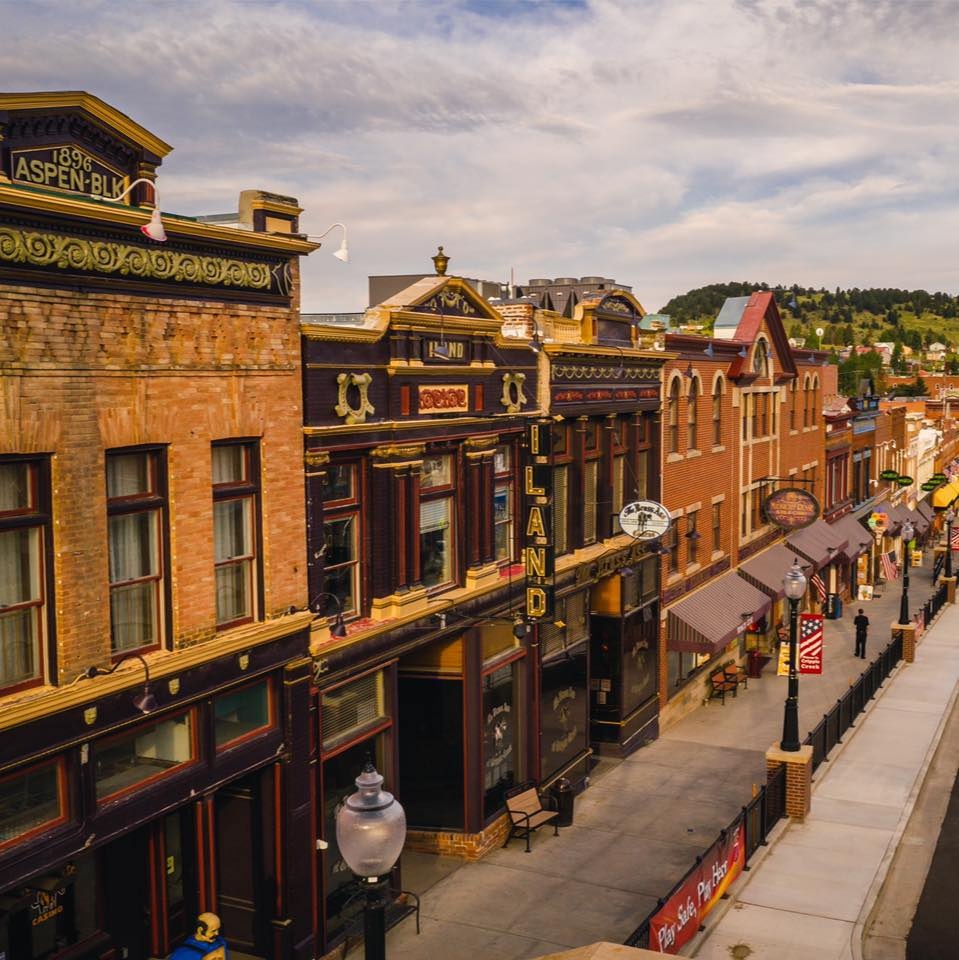
STR Regulations for Cripple Creek, Colorado
Overview: Are short-term rentals (STRs) allowed in Cripple Creek?
Yes—short-term rentals are allowed in Cripple Creek, but only with a valid City of Cripple Creek business license and in full compliance with local ordinance and zoning. The City requires licensing for all STRs operating inside city limits and enforces strict proximity rules between STR properties. A prior moratorium on new STR openings was adopted and extended in 2022 (Ordinance 2022-09), and the City has since adopted a comprehensive STR licensing framework (Ordinance 2022-10). The City’s business licensing program remains active for 2025–2026 with STR-specific requirements and proximity enforcement.
Key points for investors:
- Licensing: Required for all STRs operating within city limits.
- Fees: Annual business license fees apply; several fee tiers are referenced in City materials.
- Zoning: STRs must be located in zones where lodging uses are permitted; verify zoning before acquiring a property.
- Proximity: The City enforces a strict proximity policy to limit clustering of STRs (referenced in Ordinance 2022-10; confirm exact distance in the ordinance text).
- Taxes: A Lodging Tax Packet is provided; detailed rate and filing cadence should be verified directly with the City.
What do Airbnb hosts actually earn in Cripple Creek?
Cripple Creek hosts earn a median $35,519/year with $227 ADR and 51% occupancy.
Top performers pull in $55,584+ per year.
See the full Cripple Creek market breakdownHow to start an STR business in Cripple Creek
- Step 1: Verify zoning and parcel eligibility with the City (Planning & Community Development) to confirm STRs are permitted at your target address.
- Step 2: Prepare your property to meet adopted building and fire codes (including safety equipment standards). The Fire Department page provides compliance information for the adopted fire code.
- Step 3: Complete and submit the City’s Business License Application:
- 2026 Business License Application (PDF).
- 2025 Business License Application (PDF).
- Step 4: Include STR-specific information and required supporting documents per the City’s STR licensing materials. The City enforces a strict proximity policy—confirm spacing rules for your proposed location prior to licensing.
- Step 5: Remit applicable licensing fees and complete any required inspections.
- Step 6: Collect and remit lodging taxes in accordance with the City’s Lodging Tax Packet; the City provides a packet for new businesses (verify current rate and filing cadence with the City).
- Step 7: Keep your license current and renew annually. The license covers a one-year period ending December 31; late renewals incur fees per City code.
- Step 8: Maintain ongoing compliance (proximity rules, tax remittances, inspections, and code updates).
Required documents, permits, licenses, and guidelines
Licensing and Permits:
- Business License Application (annual). Submit either the 2025 or 2026 PDF depending on timing.
- Business License: Required for all businesses operating inside city limits, including STRs. Licenses are nontransferable from person to person.
- License Fees: Annual license fees are referenced by the City; fee tiers include an initial fee, a reduced fee in the second year, and a lower fee thereafter. Confirm the exact amounts and fee schedule with the City Clerk.
- STR Ordinance: Ordinance 2022-10 governs STR licensing and operations (proximity enforcement policy included).
- Lodging Tax Packet: Provided by the City; contains tax collection/remittance requirements for lodging providers.
Compliance and Inspections:
- Building and Fire Codes: Properties must comply with adopted building codes and the City’s adopted fire code. Inspections may be required prior to licensing or upon renewal.
- Historic Preservation: The City’s Historic Preservation page provides applications and guidelines; additional approvals may apply for properties in historic districts or landmarked structures.
Zoning and Land Use:
- Development Code (PDF): Primary reference for land uses, zones, and permitted lodging activities.
- Zoning Map: Helps determine whether STRs are permitted at a specific address.
- Development & Special Use Permitting: Page detailing permitting workflows for development and special uses.
Operational Requirements:
- License Renewal: Annual renewal ending December 31; late fees apply for delinquent renewals.
- Proximity Enforcement: Strict limits on spacing between STRs are enforced; confirm the exact proximity threshold in Ordinance 2022-10.
Specific STR regulations: City, County, and State
City of Cripple Creek:
- Licensing is mandatory for all STRs operating inside city limits.
- Ordinance 2022-10 sets out the current STR regulatory framework, including proximity enforcement, application requirements, and compliance standards.
- Zoning restrictions apply; STRs must be located where lodging uses are permitted. Use the Development Code and Zoning Map to verify eligibility before purchase or conversion.
- The City provides a Lodging Tax Packet for new lodging businesses. Confirm the current lodging tax rate and filing cadence directly with the City Clerk’s Office.
Teller County (unincorporated areas):
- The provided sources focus on City of Cripple Creek regulations. Unincorporated county STR rules may differ and are not detailed in the provided materials. Investors operating outside city limits should consult Teller County directly.
State of Colorado:
- The provided City sources do not include Colorado statewide STR regulations. At a high level, Colorado municipalities generally rely on local licensing and zoning for STR oversight. Investors should consult the Colorado State Legislature and the Division of Local Affairs for any statewide statutes, safety requirements, or tax obligations that may apply in addition to local rules.
Contact information for local authority (City of Cripple Creek)
City Clerk’s Office (Business Licensing and STRs)
- Address: 337 East Bennett Avenue, Cripple Creek, CO 80813
- Phone: (719) 689-2502
- Email: Clerk’s Office – [at] cripple-creek.co.us
- Office Hours: Monday–Friday, 8:00 a.m. to 4:00 p.m.
- Municipal Court (associated with Clerk’s Office): 337 E Bennett Ave., Cripple Creek, CO; (719) 689-2502
- Main City Website: see References below
Departments (for zoning, building, fire, and compliance):
- Planning & Community Development: Development Code, Zoning Map, and permitting guidance
- Building Department: Forms, requirements, codes, and housing study
- Fire & Emergency Services: Adopted fire code compliance and safety resources
Source pages and key documents
Use the following authoritative City links and PDFs to obtain current application forms, ordinances, and compliance materials. Where exact proximity thresholds or lodging tax rates are required, consult the referenced ordinance and the Lodging Tax Packet directly.
- Business Licensing and Short-Term Rentals (City Clerk)
- STR Ordinance 2022-10 (PDF)
- Lodging Tax Packet for New Businesses (PDF)
- 2025 Business License Application (PDF)
- 2026 Business License Application (PDF)
- City Municipal Code (Municode)
- Development Code (PDF)
- Zoning Map (image file)
- Development & Special Use Permitting (site page)
- Fire & Emergency Services – Adopted Fire Code Compliance (page)
- City Website (Homepage)
Investor checklist:
- Confirm your property’s zoning allows STRs.
- Review Ordinance 2022-10 and understand the proximity enforcement policy.
- Complete the Business License Application and pay the required fee.
- Ensure building and fire code compliance; schedule any required inspections.
- Set up lodging tax collection and monthly remittance procedures.
- Track license renewal deadlines and maintain ongoing compliance records.
Next step
Found a property in Cripple Creek?
Paste any address and get estimated revenue, cash-on-cash return, and comparable STR performance in under 5 minutes. 3 free analyses per day.
Free brief
Get the free Cripple Creek STR Investment Brief
Revenue data, top neighborhoods, seasonal trends, and the key regulations for Cripple Creek, Colorado in one email.
Cripple Creek
Market Saturation Score
Photos of Cripple Creek


Overview of Cripple Creek
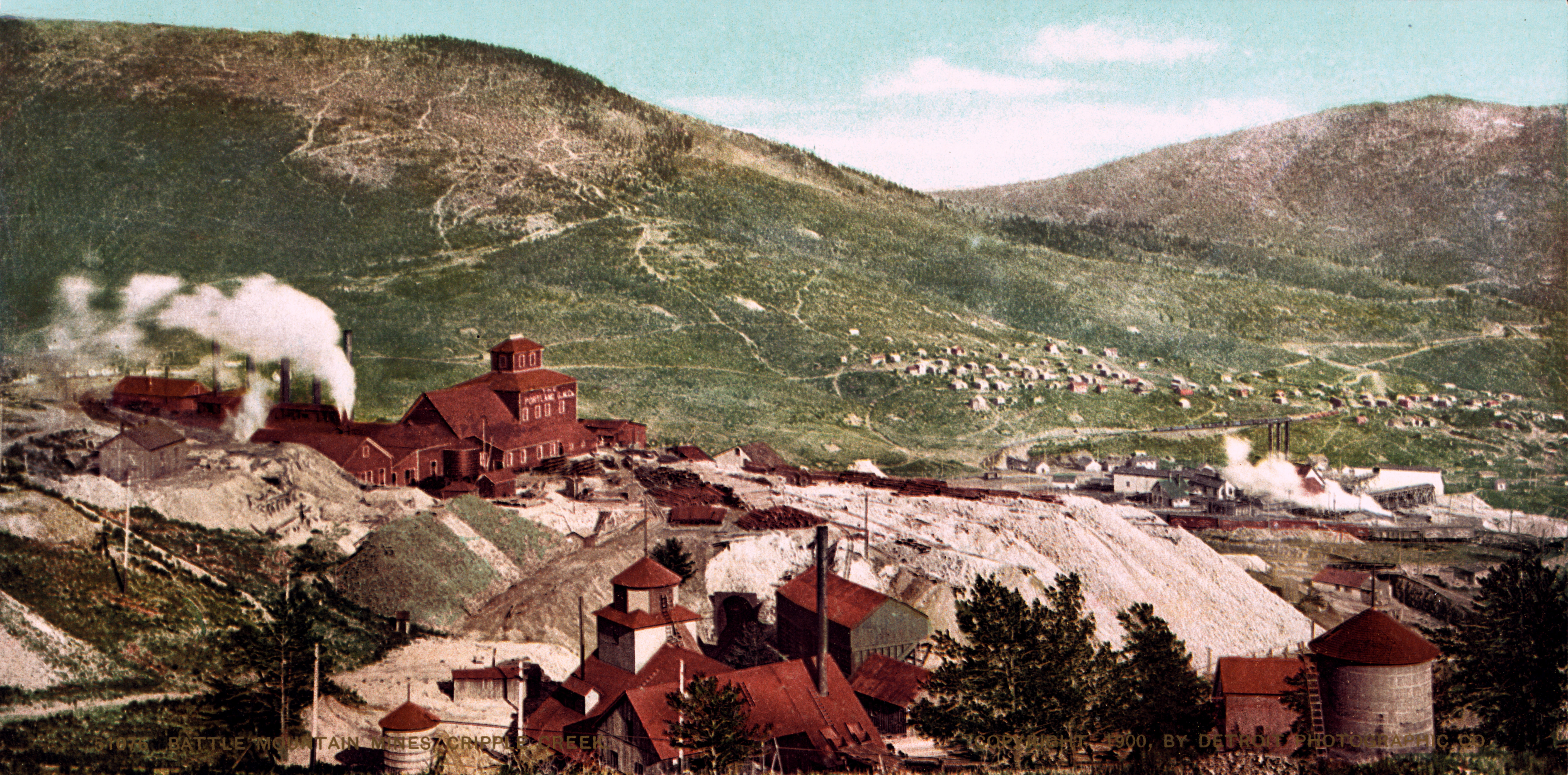
Cripple Creek is a small historic mountain town in Teller County, Colorado, with a population of approximately 1,200 residents. Sitting at an elevation of about 9,500 feet in the central Colorado Rockies, it carries the character of a preserved Old West mining town blended with the energy of a modern gaming destination. Founded in the 1890s during the Cripple Creek gold rush, it remains one of only three Colorado towns designated for limited-stakes casino gaming, and it serves as a popular mountain gateway to some of the state's most celebrated scenery. The nearest major city is Colorado Springs, located roughly 45 miles to the northeast and accessible by a scenic drive of about an hour.
Just beyond the town's northern flank, Pikes Peak rises to 14,115 feet and stands as one of the most recognizable mountains in North America, the inspiration for Katherine Lee Bates's "America the Beautiful." Visitors can reach the summit via the Pikes Peak Highway, which has southern approaches in the greater Cripple Creek and High Park area, or by the historic cog railway that departs from Manitou Springs, about an hour's drive north of town.
In Cripple Creek itself, the Mollie Kathleen Gold Mine offers guided underground tours that descend roughly 1,000 feet into a historic vertical-shaft mine, giving visitors a vivid look at the hard-rock gold mining that defined the region's late-nineteenth-century boom. The experience draws families and history enthusiasts looking for an authentic, hands-on connection to the area's mining past.
About 30 minutes south of Cripple Creek, Florissant Fossil Beds National Monument protects one of the world's richest fossil deposits, featuring enormous petrified redwood stumps and remarkably preserved insect and plant specimens from around 34 million years ago. The monument also includes shaded hiking trails through quiet montane forest and a small visitor center with interpretive exhibits.
The Cripple Creek & Victor Narrow Gauge Railroad offers a family-friendly heritage train ride that departs from the downtown district and loops through remnants of the surrounding gold-mining landscape, making it an easy complement to a day spent wandering the town's brick streets and Victorian storefronts.
Cripple Creek's appeal for short-term rental visitors lies in its unusual combination of preserved historic character, walkable downtown, year-round gaming, and proximity to major natural attractions. Travelers can base themselves in a quiet mountain setting while day-tripping to Colorado Springs, Manitou Springs, the high-country trails of the Pikes Peak region, or the fossil beds to the south, all without the higher costs and denser crowds of Colorado's more famous resort towns.
Want to know if a property in Cripple Creek is a good investment?
Enter an address to get instant revenue potential and comps.