
Bond, Colorado
Want to see how Bond compares to other top cities in Colorado? Explore all city regulations in Colorado. →
Bond, CO
Challenging To Investors
STR Regulations for Bond, Colorado
Note: The web content you provided centers on short-term rental (STR) rules in Denver, CO, and does not include city- or county-specific information for “Bond, CO.” As a result, this guide presents the current evidence about STR legality in Bond and then provides Colorado state-level regulatory considerations and references you can apply to Bond while you confirm local jurisdiction details.
Overview of STR Legality in Bond, CO
- Short-term rentals are likely allowed in Bond, CO, provided the property is zoned for residential use and complies with applicable state and county requirements. However, no Bond-specific ordinance or licensing framework is present in the provided content.
- Because STR rules in Colorado are highly municipality- and county-specific, confirm with your county planning/zoning department before listing a property.
- As a practical proxy for compliance, model your approach on nearby municipalities with established STR ordinances (e.g., Denver) while you seek Bond-specific guidance.
How to Start a Short-Term Rental Business in Bond, CO
- Property Due Diligence
- Verify zoning with your county planning or community development department. Ensure the intended use as a short-term rental is permitted.
- Confirm HOA/POA rules and CC&Rs if applicable; some associations prohibit STRs or impose additional restrictions.
- Review fire, safety, and building code requirements for transient lodging.
- Business Structure and Insurance
- Decide on a legal entity (LLC, sole proprietorship) and obtain general liability insurance appropriate for hosting guests.
- Consider umbrella coverage and property damage protections; ensure named insureds reflect all owners and managers.
- Local Licensing and Permits
- Contact your county clerk or planning department to determine if a business license or STR registration is required.
- If Bond has no municipal licensing, confirm whether county registration, a short-term rental permit, or a state sales tax license is necessary.
- Guest Agreements and Tax Compliance
- Prepare compliant lease/rental agreements and house rules.
- Obtain a state sales tax license (if applicable) and a county/city sales tax account for lodging taxes, and set up proper collection/remittance.
- Hosting Platforms
- When listing on platforms (Airbnb/VRBO), comply with any platform verification rules and ensure your contact details and license numbers are displayed where required.
Required Documents, Permits, Licenses, and Guidelines
- State-Level Colorado (typically required)
- Colorado Sales Tax License (for lodging tax collection/remittance if applicable).
- Lodging and local sales tax registrations via the Colorado Department of Revenue and your county treasurer/finance office.
- County-Level (Bond)
- Business license or STR registration (if mandated).
- Zoning compliance letter or use verification.
- Fire/health safety compliance documentation where applicable.
- Municipal (if applicable)
- STR permit and annual license.
- Proof of primary residency (if a nearby municipality like Denver requires it).
- Surety bond (some Colorado municipalities require a $1,500 STR surety bond; verify if your jurisdiction requires one).
- Federal
- EIN for tax reporting.
- W-9/W-8 forms for vendors and platforms as needed.
Note on Documents: Because Bond-specific documents are not documented in the provided content, treat the above as the standard Colorado framework and seek local confirmations.
Specific Regulations for STRs in Bond, CO (State-Level Colorado)
- State Taxation
- Short-term rentals are generally subject to Colorado sales tax and local lodging taxes. You must register, collect, and remit taxes to the Colorado Department of Revenue and your local tax authority.
- Local Zoning
- STRs must be compatible with residential zoning. Some counties limit non-owner-occupied STRs or require special use permits.
- Health and Safety
- Common requirements include smoke and carbon monoxide detectors, posted emergency information, and compliance with local fire code. Specific inspection or certification requirements vary by county or municipality.
- Primary Residency (if applicable)
- Certain Colorado cities (e.g., Denver) require that an STR be the host’s primary residence and prohibit whole-home STRs in many neighborhoods. If Bond has no rule, state law does not impose a primary residency requirement, but local ordinances may.
- Advertising and Contact Info
- Some municipalities require listing the license/permit number on all ads and maintaining a local contact. Apply this practice to avoid enforcement issues.
To illustrate how a municipality with a mature STR regime regulates the sector, below is a concise summary of Denver’s rules that can serve as a benchmark while you confirm Bond-specific requirements.
Denver (Mature STR Regulatory Example, for Benchmarking)
- Licensing
- All STRs must hold a valid short-term rental license.
- Properties must be the host’s primary residence.
- Licenses must display on all advertisements and listings.
- Enforcement
- Violations may lead to fines and license suspension/revocation.
- Booking platforms are prohibited from processing transactions for properties that are not properly licensed.
- Documents
- Rules governing licenses and taxation are codified in the Denver Revised Municipal Code, and detailed guidance is published by the Department of Excise and Licenses.
Sources (Denver):
- Short-term rental ordinance: library.municode.com/co/denver/codes/code_of_ordinances?nodeId=TITIIREMUCO_CH33LO_ARTIIISHRMRE
- Department of Excise and Licenses STR rules: denvergov.org/Government/Agencies-Departments-Offices/Agencies-Departments-Offices-Directory/Business-Licensing
Contact Information
- Local Authority (Bond)
- Phone: Not available in provided content
- Email: Not available in provided content
- Website: Not available in provided content
- Recommended: Contact your county planning/zoning office and county clerk/treasurer to confirm STR licensing, zoning, and lodging tax requirements.
For context, a mature municipality (Denver) provides central licensing through its Department of Excise and Licenses:
- Email: licenses@denvergov.org
- Phone: 3-1-1 (inside Denver) or (720) 913-1311
- Department STR portal: denvergov.org/Government/Agencies-Departments-Offices/Agencies-Departments-Offices-Directory/Business-Licensing
Links to Source Pages
- Denver Short-Term Rentals Laws, Rules, and Regulations: denvergov.org/Government/Agencies-Departments-Offices/Agencies-Departments-Offices-Directory/Business-Licensing/Business-licenses/Short-term-rentals/Short-term-rentals-laws-rules-regulations
- Denver STR Ordinance (Municode): library.municode.com/co/denver/codes/code_of_ordinances?nodeId=TITIIREMUCO_CH33LO_ARTIIISHRMRE
- Monterey County STR (background example): www.countyofmonterey.gov/government/departments-a-h/housing-community-development/permit-center/short-term-rentals
- Sunnyvale STR (background example): www.sunnyvale.ca.gov/business-and-development/your-business-center/short-term-rentals
Next Steps for Bond, CO
- Verify zoning and STR use permissions with your county planning department.
- Confirm whether a business license, STR registration, and/or lodging tax account are required.
- Set up tax collection and remittance systems consistent with Colorado and local requirements.
- Adopt safety and operational policies commonly expected by counties and platforms.
- If you identify Bond-specific regulations (e.g., a cap on STR permits, primary residency rules, or a surety bond), incorporate them immediately into your compliance plan.
What do Airbnb hosts actually earn in Bond?
Bond hosts earn a median $32,471/year with $448 ADR and 38% occupancy.
Top performers pull in $45,979+ per year.
See the full Bond market breakdownNext step
Found a property in Bond?
Paste any address and get estimated revenue, cash-on-cash return, and comparable STR performance in under 5 minutes. 3 free analyses per day.
Free brief
Get the free Bond STR Investment Brief
Revenue data, top neighborhoods, seasonal trends, and the key regulations for Bond, Colorado in one email.
Bond
Market Saturation Score
Photos of Bond

Overview of Bond
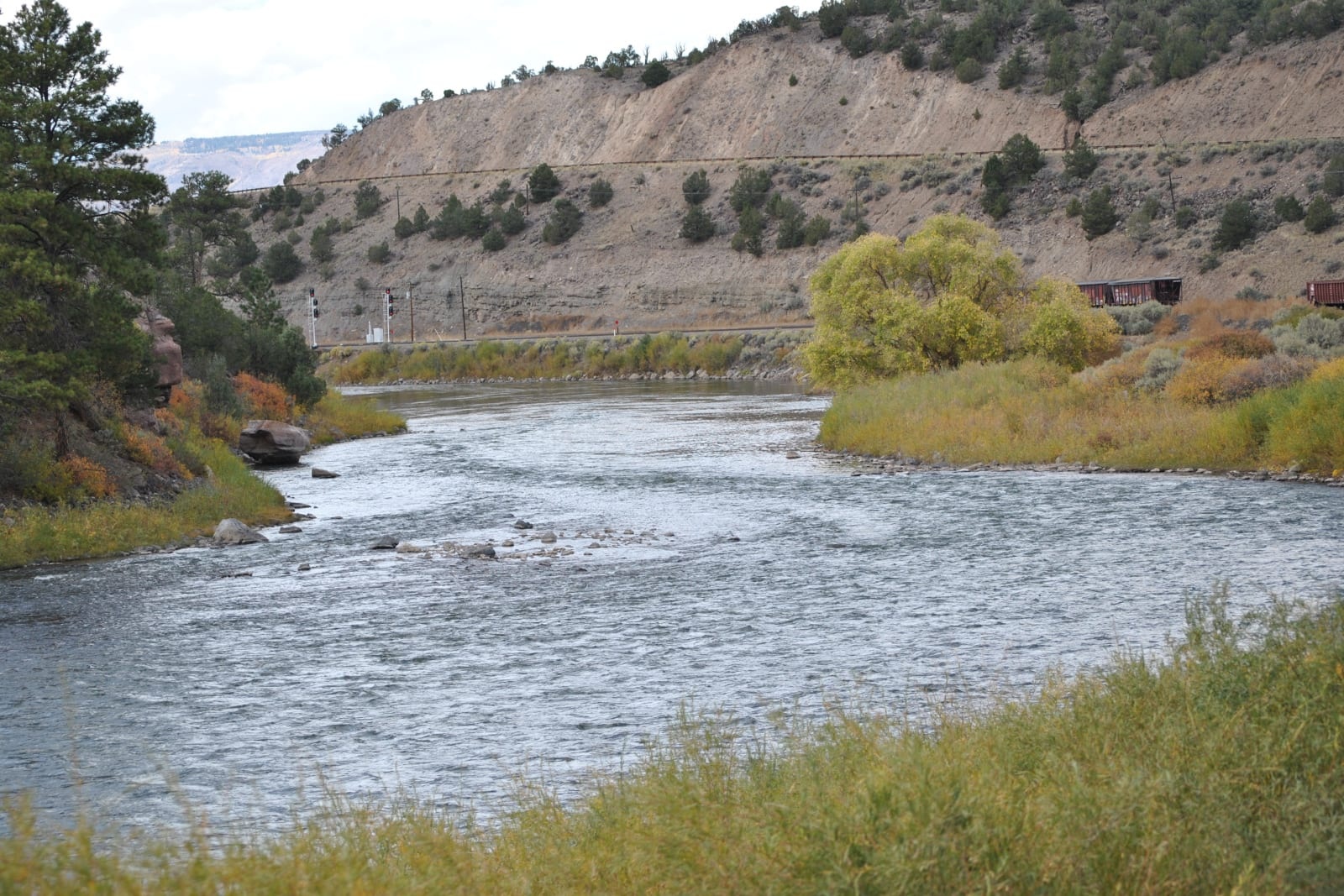
Bond is a small unincorporated community nestled in Eagle County, Colorado, deep in the heart of the Rocky Mountains. With a population of only a few hundred residents, the town has the quiet, rugged character of a high-country outpost rather than a developed resort village. It sits along the upper Colorado River valley, surrounded by pine forests and alpine terrain, and serves primarily as a gateway to some of the state's most prized backcountry. The nearest major city, Denver, lies roughly 150 miles to the southeast, a drive of about three hours through the Rocky Mountains.
The area's biggest draw is its immediate proximity to the White River National Forest, which surrounds Bond on all sides. This sprawling national forest offers nearly endless opportunities for hiking, camping, fishing, and wildlife viewing, with trailheads often reachable within minutes of town. Visitors come for the solitude and the chance to explore parts of Colorado that feel far removed from busier tourist corridors, particularly during the wildflower-filled summer months and the golden aspens of fall.
To the west lies the Flat Tops Wilderness Area, one of Colorado's largest and most distinctive wilderness regions, known for its broad, rolling plateaus and dozens of high-elevation lakes. The wilderness is a significant draw for backpackers, anglers, and horseback riders seeking undeveloped terrain, and the trailheads on its eastern side are typically less than an hour's drive from Bond. Wildlife such as elk, mule deer, and the occasional moose are commonly spotted in the surrounding valleys.
Bond also benefits from its position relative to the well-known resort communities of the Vail Valley. The world-class ski areas of Vail and Beaver Creek are roughly an hour to the east, allowing visitors to combine a true off-the-beaten-path stay with day trips to some of Colorado's most famous winter and summer destinations. Closer to home, the nearby towns of Eagle and Gypsum provide essential services, restaurants, and a regional airport that simplifies travel for out-of-state guests.
For short-term rental owners, Bond offers a rare combination of seclusion and accessibility. Its small size keeps the atmosphere authentically rural, yet its location places guests within easy reach of two of the country's premier ski resorts, a massive national forest, and a designated wilderness area. The community appeals to travelers who want a quiet base for exploring the Rockies rather than a crowded resort experience, making it an attractive option for nature-focused visitors planning extended stays in any season.
Want to know if a property in Bond is a good investment?
Enter an address to get instant revenue potential and comps.