
Woodland, California
Want to see how Woodland compares to other top cities in California? Explore all city regulations in California. →
Woodland, CA
Challenging To Investors
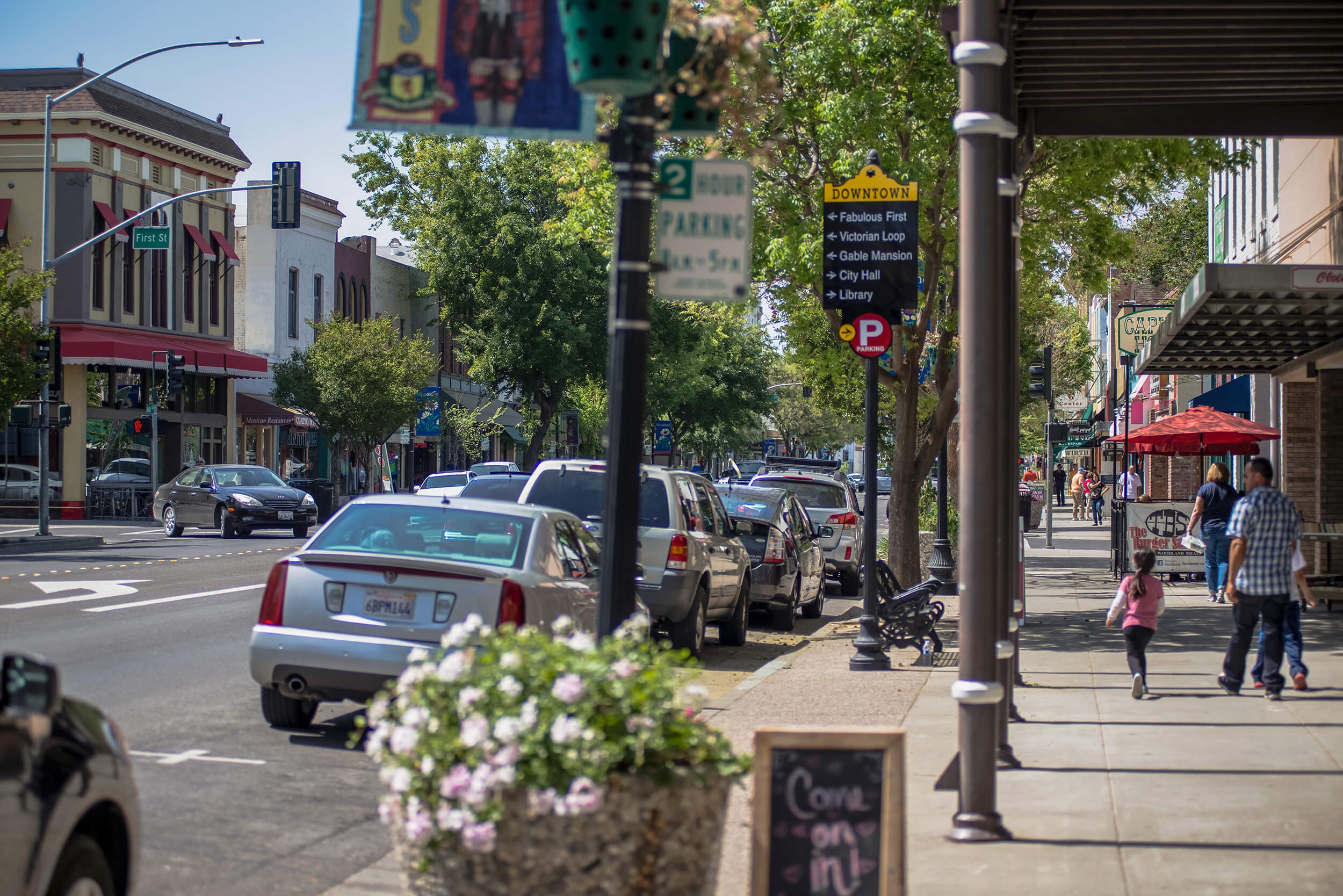
STR Regulations for Woodland, California
Overview
Short-term rentals are allowed in Woodland, CA, but only under specific conditions. Woodland permits short-term rentals (defined as rental of a dwelling unit for 30 or fewer consecutive days) as a conditional use in designated commercial and mixed-use zones through an approved Zoning Administrator Permit process. The city requires property owners to meet specific eligibility criteria, obtain proper permits, maintain business licensing, and comply with transient occupancy tax requirements.
What do Airbnb hosts actually earn in Woodland?
Woodland hosts earn a median $24,181/year with $132 ADR and 66% occupancy.
Top performers pull in $37,570+ per year.
See the full Woodland market breakdownHow to Start a Short-Term Rental Business in Woodland, CA
Starting an STR operation in Woodland requires a multi-step process that begins with property verification and progresses through discretionary permitting. The city's approach ensures that STR activities complement neighborhood character while providing visitor accommodations as alternatives to traditional lodging.
Step 1: Initial Property Assessment
Before making any investments or commitments, contact the Planning Division to determine whether short-term rental use is permissible on your specific property. This preliminary consultation prevents costly mistakes and helps you understand potential restrictions or conditions that may affect your operation.
Contact Information:
- Planning Division Email: CDD-Planners@cityofwoodland.gov
- Phone: (530) 661-5913
- Address: 300 1st Street, Woodland, CA 95695
During this consultation, discuss your proposed location, expected property size, and intended operation plan. Planning staff can identify various requirements that may prevent approval for your specific proposal, including zoning restrictions, parking limitations, or other operational concerns.
Step 2: Zoning Administrator Permit Application
If your property qualifies for short-term rental use, apply for a Zoning Administrator Permit. This discretionary action involves public noticing and may require a public hearing with conditions of approval imposed by the Zoning Administrator.
Key Eligibility Requirements:
- Ownership Verification: You must be the property owner (tenant applications are not accepted)
- Residency Requirement: You must have owned the home or dwelling unit for a minimum of two years prior to applying
- Permit Limitations: Only one short-term rental permit is allowed per person, and permits are not transferrable between properties or owners
The permit application process includes public notification to surrounding property owners, providing them an opportunity to comment on or potentially oppose your application. Be prepared to address neighborhood concerns about parking, noise, or other operational impacts.
Step 3: Business Licensing and Tax Compliance
Upon permit approval, complete the regulatory requirements for operating a legitimate business:
Business License Requirements:
- Apply for a City of Woodland Business License
- Annual renewal is mandatory
- The business license must remain current throughout your operation
Tax Obligations:
- Pay required transient occupancy taxes as outlined in Woodland Municipal Code Chapter 3.12
- These taxes are typically collected from guests and remitted to the city
- Maintain accurate records of all transactions for tax reporting purposes
Contact Person Requirement:
- Designate a local contact person responsible for the operation of your short-term rental
- Provide this person's contact information to the city
- The city will post this information publicly, associated with your short-term rental listing
Required Documents, Permits, Licenses, and Guidelines
Primary Permits and Licenses
-
Zoning Administrator Permit
- Primary discretionary approval for STR operation
- Requires public noticing and potential hearing
- Site-specific conditions may apply
- Not transferrable between properties or owners
-
City of Woodland Business License
- Annual renewal requirement
- Must be maintained throughout operation
- Required for all commercial activities within city limits
-
Transient Occupancy Tax Registration
- Collected from guests and remitted to city
- Governed by Municipal Code Chapter 3.12
- Regular reporting requirements apply
Supporting Documentation
- Property ownership verification (minimum 2-year ownership requirement)
- Local contact person information for public display
- Operation plan detailing rental procedures, guest management, and property maintenance
- Compliance with zoning requirements as outlined in Section 17.84.330 of the City Zoning Ordinance
Specific Regulations for Short-Term Rentals
Geographic and Zoning Limitations
Short-term rentals are conditionally permitted only in specific commercial and mixed-use zones:
Permitted Zones:
- Downtown Core (DX-1): Central business district with high foot traffic and urban character
- Downtown Transitional (DX-3): Areas transitioning between residential and commercial uses
- Corridor Mixed Use - West Main (CMU-WM): Mixed commercial and residential along West Main Street
- Corridor Mixed Use - East (CMU-E): Mixed-use development along East corridor
- Corridor Mixed Use - Gateway (CMU-G): Entry corridor mixed-use areas
Important Restriction: Property-specific conditions may exist that restrict or prevent short-term rental uses even within these zones. Always verify with Planning Division staff before proceeding with any investments.
Operational Standards
Size, Capacity, and Design Requirements: Additional restrictions apply to the size, capacity, operation, and design of short-term rentals. These detailed specifications are contained in Section 17.84.330 of the City Zoning Ordinance. Common operational requirements may include:
- Parking provisions for guests
- Noise limitations and quiet hours
- Maximum occupancy limits
- Property maintenance standards
- Signage restrictions
- Safety and accessibility requirements
Ongoing Compliance Obligations:
- Maintain valid business license through annual renewals
- Remit transient occupancy taxes on schedule
- Ensure local contact person remains available and responsive
- Comply with any conditions of approval attached to your Zoning Administrator Permit
- Respond promptly to code enforcement inquiries or complaints
Property-Specific Considerations
The city emphasizes that individual properties may have additional conditions that restrict or prevent short-term rental uses. These could include:
- Homeowners association restrictions
- Historical preservation requirements
- Environmental or flood zone limitations
- Previous land use approvals with specific conditions
- Neighborhood-specific overlay districts
State-Level Regulations (California)
While Woodland has specific municipal requirements, California state law provides the broader legal framework for short-term rentals:
Civil Code Section 1946.2: Establishes the legal definition of short-term rentals and provides protections for both hosts and guests.
Tax Code Requirements: State tax laws govern the collection and remittance of transient occupancy taxes, though local municipalities establish their own rates and collection procedures.
Health and Safety Standards: State building codes and health regulations may apply to rental properties, particularly regarding fire safety, accessibility, and habitability standards.
Local Control: California law generally grants municipalities significant authority to regulate short-term rentals within their jurisdictions, which is reflected in Woodland's comprehensive permitting and compliance framework.
Contact Information for Local Authority
Primary Contact - Planning Division
Department: Community Development Department - Planning Division Email: CDD-Planners@cityofwoodland.gov Phone: (530) 661-5913 Physical Address: 300 1st Street, Woodland, CA 95695 Hours: Contact for current operating hours
City General Contact
Phone: (530) 661-5800 Fax: (530) 661-5813 Website: www.cityofwoodland.gov
Additional Resources
- Business License Division: Contact through main city number for business licensing questions
- Code Enforcement: Address violations and compliance issues through main city number
- Zoning Information: Access property zoning information through the city's GIS mapping system
Source Links
- City of Woodland Short-Term Rentals Page
- Woodland Zoning Administrator Permit Applications
- City of Woodland Business License
- Woodland Municipal Code Chapter 3.12 - Transient Occupancy Tax
- City Zoning Ordinance Section 17.84.330 - Short-Term Rental Regulations
- City Zoning Ordinance Full Text
- Woodland Zoning and Property Information Map
- Comprehensive Zoning Code Update (August 2023)
Investment Recommendation: Woodland's STR market offers opportunities for investors who can navigate the conditional permitting process and operate within the designated commercial zones. The two-year ownership requirement and one-permit-per-person limitation may restrict some investment strategies, but the structured approach provides regulatory clarity and community protection. Success in this market requires thorough pre-planning, strong relationships with city staff, and commitment to ongoing compliance requirements.
Next step
Found a property in Woodland?
Paste any address and get estimated revenue, cash-on-cash return, and comparable STR performance in under 5 minutes. 3 free analyses per day.
Free brief
Get the free Woodland STR Investment Brief
Revenue data, top neighborhoods, seasonal trends, and the key regulations for Woodland, California in one email.
Woodland
Market Saturation Score
Photos of Woodland


Overview of Woodland
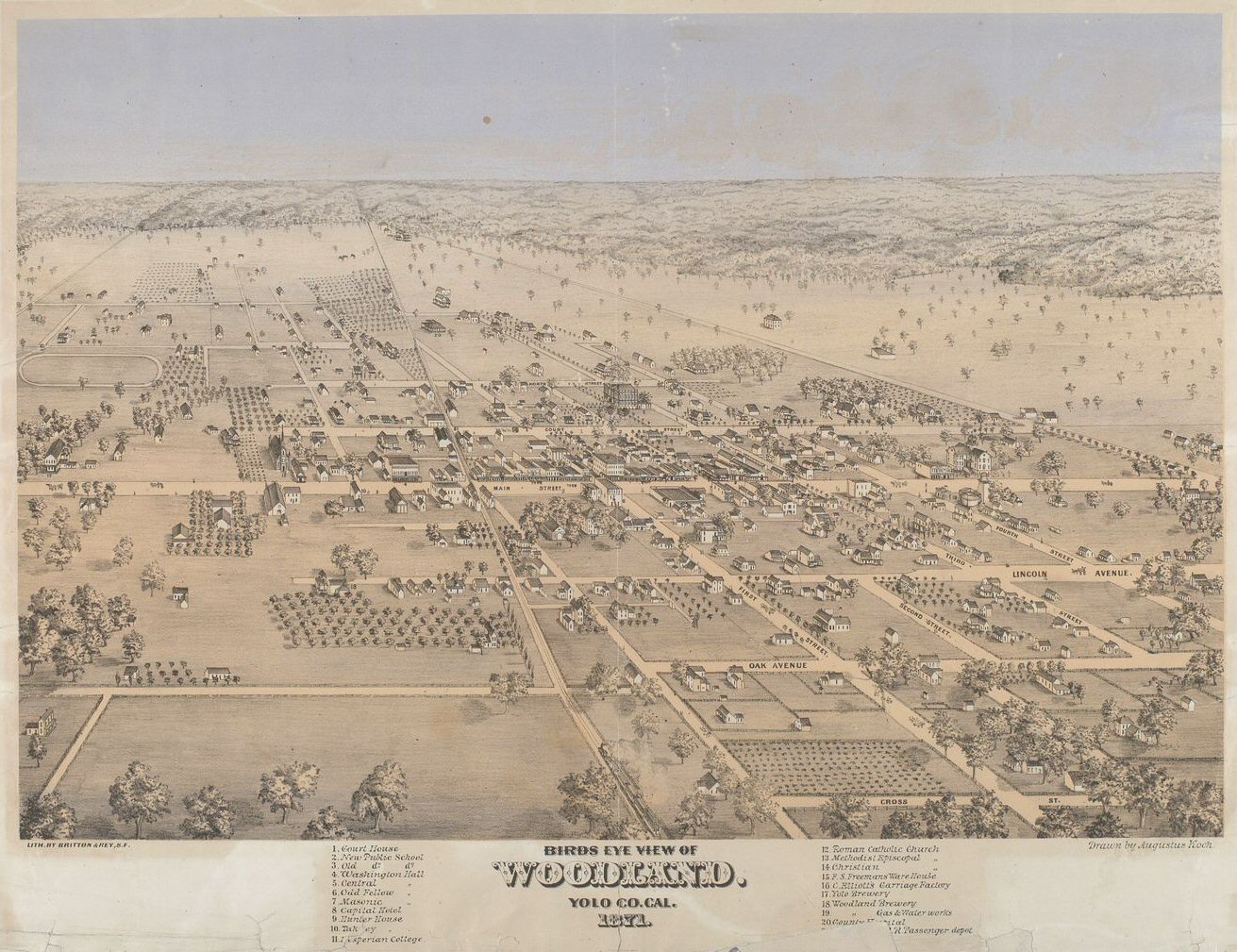
Woodland is a small city in Yolo County, California, serving as the county seat with a population of roughly 60,000 residents. Set in the heart of the Sacramento Valley, the city carries the relaxed character of a working agricultural community blended with a surprisingly well-preserved Victorian-era downtown. Woodland is best known as a hub for Yolo County's farming and wine country, and it functions as a quieter, more affordable gateway to the Sacramento region. The city sits approximately 15 miles northwest of Sacramento, easily reached by a short drive down Interstate 5, and lies just south of the Dunnigan Hills wine region and west of the university town of Davis.
The historic downtown district is one of Woodland's most distinctive assets, with more than 70 buildings listed on the National Register of Historic Places, including the restored State Theatre, several Italianate and Victorian commercial blocks, and a charming central plaza. Film crews have long favored the area for period productions, and visitors can wander the same streets used in shoots over the decades. A short drive brings guests to the Yolo County Historical Museum, located in the restored Gibson House, where exhibits chronicle the region's transition from a former railroad hub to a center of agriculture, including the area's early grain, tomato, and almond industries.
A short drive west of Woodland, the Cache Creek Casino Resort in the small community of Brooks draws visitors with gaming, dining, and entertainment, and serves as a regional draw for travelers passing through the Capay Valley. The drive itself winds through rolling ranchland and oak-studded hills that feel a world away from the Sacramento suburbs. Nearby, the Sacramento National Wildlife Refuge, located about 20 miles north of Woodland, offers auto-loop viewing of seasonal wetlands that host enormous flocks of migratory waterfowl each winter, making it a popular stop for birders and families.
To the south, the college town of Davis is just a 15-minute drive, home to UC Davis and a lively downtown filled with bookstores, cafés, and the celebrated Davis Farmers Market. Sacramento itself is a quick trip southeast, offering the California State Capitol, Old Sacramento, the Crocker Art Museum, and professional sports, all within roughly half an hour of Woodland.
Woodland makes a compelling base for short-term rentals because it pairs small-city affordability and a walkable historic core with convenient access to the wine country, wildlife refuges, casino resorts, university events, and the cultural and governmental attractions of the state capital. Visitors get a quieter, more authentic Northern California experience while remaining within an easy drive of some of the region's most popular destinations.
Want to know if a property in Woodland is a good investment?
Enter an address to get instant revenue potential and comps.