
Valley Springs, California
Want to see how Valley Springs compares to other top cities in California? Explore all city regulations in California. →
Valley Springs, CA
Generally Investor Friendly
STR Regulations for Valley Springs, California
Overview: Are short‑term rentals allowed in Valley Springs, CA?
- Explicit answer: Yes—short‑term rentals are allowed in Valley Springs (an unincorporated community in Calaveras County) provided you comply with county requirements and local rules.
- Calaveras County governs short‑term rentals (STRs) in Valley Springs. County guidance notes two core obligations: obtain a Transient Occupancy Tax (TOT) certificate and remit TOT quarterly, and operate in compliance with county zoning ordinances. Night‑time noise is restricted (10 PM–7 AM).
- Valley Springs does not appear to have city‑specific STR ordinances. County and California state rules govern operations.
- County policy is evolving; further STR regulations are under consideration to address housing availability and neighborhood character.
Sources:
- County STR rules and TOT obligations: “Short Term Rental Regulations” (Valley Springs guide)
- Noise restrictions and consideration of further regulations: “Short Term Rental Regulations” (Valley Springs guide)
- Definition and statewide STR context: “What are the Airbnb laws regulating short‑term rentals in Valley Springs, California?”
How to start a short‑term rental business in this market (step‑by‑step)
-
Confirm zoning eligibility with Calaveras County. Not all residential zones may permit STR operations; verify that the subject property is allowed for short‑term rental use under county zoning ordinances. Do not list or operate until zoning compliance is confirmed.
-
Obtain a Transient Occupancy Tax (TOT) Certificate from Calaveras County and set up quarterly remittance. This is a standing requirement for STR owners. Plan for recurring filings and payments as part of your business cadence.
-
Align with health, safety, and nuisance rules. In addition to TOT and zoning, observe:
- Nighttime quiet hours (10 PM–7 AM)
- Standard residential standards for occupancy, parking, trash, and guest conduct
- Any fire, building, or health and safety requirements that apply to the property
-
Build compliant guest experience. Provide clear house rules, check‑in details, occupancy limits, and local contact information. Implement policies that minimize disturbances and align with county expectations.
-
Prepare for tax filing. Maintain complete records (reservations, nightly rates, fees, and TOT collected/remitted). Calaveras County TOT is typically around 10% of rental income (hosts remit quarterly).
-
Monitor county updates. Calaveras County is considering additional STR regulations; stay current with county announcements and revise operations as rules evolve.
Source:
- County obligations and quiet hours: “Short Term Rental Regulations” (Valley Springs guide)
- Typical TOT rate and quarterly remittance: “What are the Airbnb laws regulating short‑term rentals in Valley Springs, California?”
Required documents, permits, licenses, and operational guidelines County‑level requirements for Valley Springs:
- Transient Occupancy Tax (TOT) Certificate (mandatory); register and remit TOT quarterly.
- Zoning compliance: Confirm STRs are permitted in the property’s zone prior to listing.
- Quiet hours and neighbor considerations: Maintain tranquility; comply with 10 PM–7 AM noise restrictions.
- Health and safety codes: Adhere to applicable Fire, Building, Zoning, and Health & Safety standards for the property.
- Evolving regulations: County is evaluating additional rules; expect possible future requirements and permitting updates.
Operational guidance:
- Set occupancy and parking consistent with residential standards and local norms.
- Trash, noise, and behavior management plans should be documented and communicated to guests.
- Local contact or property management may be advisable for timely issue resolution.
Sources:
- TOT certificate and quarterly remittance; zoning constraints: “Short Term Rental Regulations” (Valley Springs guide)
- Nighttime quiet hours: “Short Term Rental Regulations” (Valley Springs guide)
- Enforcement posture and potential future rules: “Short Term Rental Regulations” (Valley Springs guide)
State‑level context (California)
- Statewide STR definition: California defines a short‑term rental as a residential dwelling leased for fewer than 30 consecutive days. This applies in Valley Springs in the absence of city‑specific rules.
- Transient Occupancy Tax (TOT): A lodging tax similar to a hotel tax, usually collected by platforms (e.g., Airbnb) and/or remitted by hosts depending on jurisdiction. In Calaveras County, hosts obtain the TOT certificate and remit quarterly; typical TOT is around 10% of gross rental income.
- Additional taxes: Some cities impose a rental unit business tax; Calaveras County’s primary lodging tax is TOT.
- Local control: County and city (when applicable) ordinances take precedence. Hosts must follow local rules on zoning, permits, caps, and hosting presence.
Sources:
- STR definition and TOT framework: “What defines a Short Term Rental in California?” (statewide guide)
- TOT collection/remittance responsibilities and typical range: “What are the responsibilities of STR hosts in California when it comes to tax collection and remittance?” (statewide guide)
- Local vs state precedence and evolving regulations: “Local Laws Taking Precedence in California Short Term Rentals” (statewide guide)
Contact information (Calaveras County—governing STRs in Valley Springs)
- For definitive guidance on permits, zoning, and TOT, contact the Calaveras County office or department overseeing transient occupancy tax and short‑term rentals. The county’s STR portal and materials indicate that TOT registration and filings are handled at the county level.
- If you require county contact details (phone, email, address), obtain them directly from the Calaveras County website or the County Administrative Office. The provided sources reference county authority over STRs and TOT but do not include a direct contact number/email in the text above.
- Statewide resources for context only: California Department of Tax and Fee Administration (CDTFA) for general tax administration (not a substitute for county STR/TOT guidance).
Important notes and caveats
- No city‑level STR ordinance was identified for Valley Springs; county rules govern. Verify directly with Calaveras County for the latest requirements, any new permits, and enforcement processes.
- TOT rates and reporting cadence are subject to county ordinance; typical rate mentioned in sources is about 10% with quarterly remittance. Confirm current rates and deadlines with the county.
- Placer County and San Bernardino County pages included in the source list are not applicable to Valley Springs (they regulate STRs only within their own jurisdictions). Ignore any requirements found on those pages unless you operate in those counties.
- Federal, state, and local regulations may change. Maintain a compliance calendar and review county updates regularly.
Links to source pages
- STR overview and county requirements for Valley Springs: www.gosummer.com/vacation-rental-management/valley-springs-california
- STR rules and California state context (including TOT ~10% and 30‑day definition): www.checkmaterentals.com/airbnb-management/valley-springs-california
- California statewide STR laws and local precedence (general context; not county‑specific): www.steadily.com/blog/airbnb-short-term-rental-laws-and-regulations-in-california
If you want, I can draft a simple compliance checklist and quarterly TOT remittance calendar tailored to Calaveras County once you confirm the county contact and any new permit details.
What do Airbnb hosts actually earn in Valley Springs?
Valley Springs hosts earn a median $21,254/year with $186 ADR and 41% occupancy.
Top performers pull in $33,225+ per year.
See the full Valley Springs market breakdownNext step
Found a property in Valley Springs?
Paste any address and get estimated revenue, cash-on-cash return, and comparable STR performance in under 5 minutes. 3 free analyses per day.
Free brief
Get the free Valley Springs STR Investment Brief
Revenue data, top neighborhoods, seasonal trends, and the key regulations for Valley Springs, California in one email.
Valley Springs
Market Saturation Score
Photos of Valley Springs

Overview of Valley Springs
Valley Springs is an unincorporated community and census-designed place in Calaveras County, California, tucked into the rolling Sierra Nevada foothills of the state's historic Gold Country. The community is home to roughly 7,000 to 8,000 residents and has the relaxed, spread-out feel typical of foothill ranch and foothill-retirement towns, with oak-studded pastures, country roads, and a small commercial core along Highway 12. It serves as a convenient gateway to Calaveras County's Gold Rush heritage sites, foothill wineries, and the lakes and forests of the western Sierra, and sits approximately 50 miles southeast of Sacramento and roughly 100 miles east of San Francisco, making it an easy drive for weekend travelers from the Bay Area and the Central Valley.
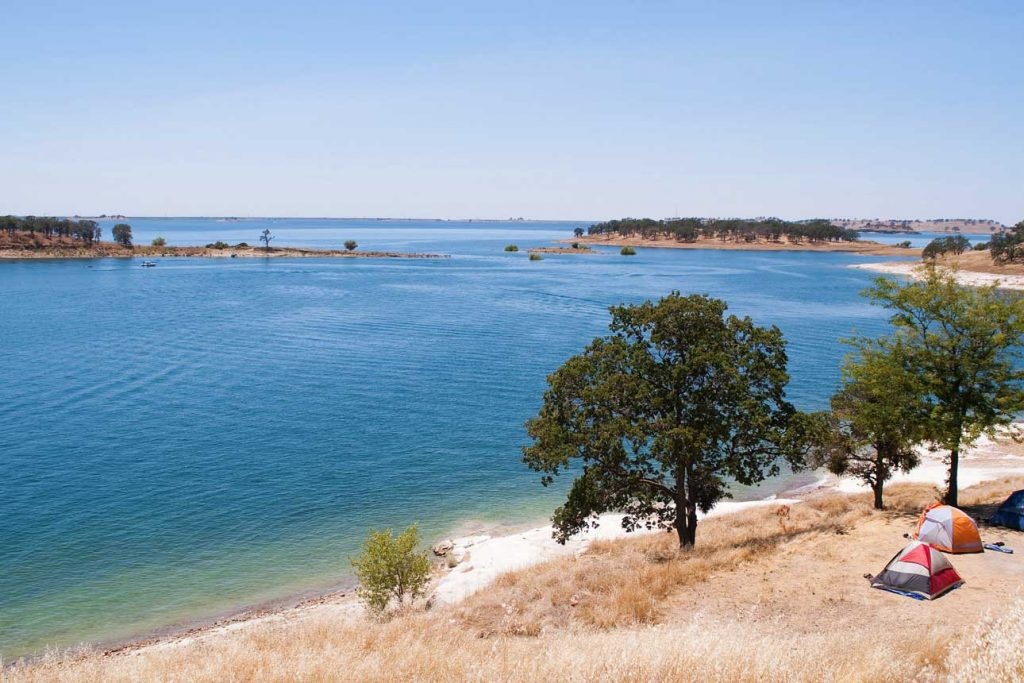
Just minutes west of town, New Hogan Lake is the most popular outdoor draw in the immediate Valley Springs area. The reservoir, created by a dam on the Calaveras River, is operated by the U.S. Army Corps of Engineers and offers boating, fishing, swimming, and lakeside camping, with day-use areas and a marina within about a ten-minute drive of the community center. It functions as the local recreational anchor, particularly during the warm foothill summers.
A short drive to the northeast, Calaveras Big Trees State Park protects one of the northernmost groves of giant sequoias in the Sierra Nevada, including the popular North Grove and the less-crowded South Grove. Visitors come for short walks among mature sequoias, picnicking along Beaver Creek, and a glimpse of the kind of giant-conifer forest more commonly associated with Yosemite or Sequoia National Park. The park entrance is roughly 30 to 40 minutes from Valley Springs, depending on the route through the hills.
To the east, the town of Murphys is a well-preserved Gold Rush settlement turned wine-country and dining destination, with a walkable Main Street of tasting rooms, galleries, and historic buildings, about a 25-minute drive from Valley Springs. A little closer, the county seat of San Andreas offers a quieter historic downtown, the Calaveras County Museum, and access to the Mokelumne River canyon, lying roughly 15 to 20 minutes from Valley Springs along Highway 12.
Valley Springs appeals to short-term-rental owners because it sits at a comfortable crossroads of Gold Country tourism, Sierra foothill recreation, and Central Valley accessibility. Visitors can spend the morning among sequoias, the afternoon tasting wine in Murphys, and the evening back at the lake or on a quiet patio, all without the crowds or peak-season pricing of California's better-known national-park gateways. That combination of easy access, varied day-trip options, and an unhurried small-town atmosphere makes it a strong base for travelers who want to experience the Sierra foothills at a relaxed pace.
Want to know if a property in Valley Springs is a good investment?
Enter an address to get instant revenue potential and comps.