
The Sea Ranch, California
Want to see how The Sea Ranch compares to other top cities in California? Explore all city regulations in California. →
The Sea Ranch, CA
Challenging To Investors
STR Regulations for The Sea Ranch, California
Executive Overview and Allowability
Short-term rentals (STRs)—defined as the rental, lease, or license of a residence (in whole or in part) for thirty (30) or fewer continuous nights—are allowed at The Sea Ranch (TSR), but they operate within a robust, three‑layer regulatory regime:
- The Sea Ranch Association (TSRA) rules and covenants (CC&Rs),
- County of Sonoma regulations for Vacation Rentals/STRs in the Coastal Zone,
- State of California oversight via the California Coastal Commission (CCC), which has final authority over STR rules within the Coastal Zone.
The practical takeaway for investors is straightforward: You may operate an STR at The Sea Ranch provided you (i) register the property with TSRA under Rule 6.7, (ii) comply with Sonoma County’s Coastal Zone vacation rental requirements (including a license and zoning permit for new rentals), and (iii) satisfy all applicable Coastal Commission and state law obligations. Unhosted STRs are permissible in the Coastal Zone under the CCC’s guidance and existing Sonoma County rules; however, TSR imposes meaningful caps, occupancy/vehicle limits, density rules, and a 180‑night annual cap. These constraints—along with the county’s TOT and registration requirements—shape the viability and scale of an STR investment here.
Sources: TSRA STR FAQs (2020); TSRA Rule 6.7 (adopted 2021); Sonoma County CCC correspondence (2024).
What do Airbnb hosts actually earn in The Sea Ranch?
The Sea Ranch hosts earn a median $87,644/year with $457 ADR and 67% occupancy.
Top performers pull in $117,060+ per year.
See the full The Sea Ranch market breakdownHow to Start a Short‑Term Rental Business in The Sea Ranch
The following is the practical sequence from acquisition to operation. Treat this as a compliance‑first, “no surprises” checklist.
- Pre‑acquisition due diligence
- Confirm TSR eligibility:
- A property must be a legal residence; ADUs (Accessory Dwelling Units) may not be used as STRs (Rule 6.7.q).
- Owner-entity rules apply: corporate/partnership/LLC ownership is restricted unless ownership interests are held by no more than six natural persons (Rule 6.7.u).
- If the property was not used as an STR prior to January 1, 2021, and you are an entity owner, check eligibility carefully (Rule 6.7.s and u).
- Review local constraints:
- STR density rule (no STR within 300 feet of another STR; measured house perimeter to house perimeter; Rule 6.7.aa).
- STR cap at the lesser of 20% of improved lots or 350 residences (Rule 6.7.t); this function requires current data from TSRA.
- Common‑wall consent requirement for properties with shared walls (Rule 6.7.w).
- Owner limit of one STR per owner (Rule 6.7.s).
- Align with county rules for the Coastal Zone (Sonoma County)
- Register for Sonoma County Transient Occupancy Tax (TOT) and obtain a TOT certificate/registration number.
- New rentals in the Coastal Zone require a Sonoma County vacation rental License and a Zoning Permit (see CCC correspondence referencing County LCP‑2‑SON‑23‑0042‑1).
- Confirm any county‑specific caps or ownership rules that may apply in the Coastal Zone; while unhosted STRs are allowed under existing rules, new licenses/permits are required, and the County has indicated future additional regulation may be considered.
- TSRA STR registration (Rule 6.7)
- Submit TSRA STR registration within 60 days of TSRA’s notice or before accepting your first renter (whichever applies).
- Pay the TSRA registration fee (fee schedule set by TSRA).
- Provide required information:
- Gross rental revenue (for TSRA‑determined period),
- County TOT registration/certificate number and proof of TOT payment,
- Rental data (days rented and persons per rental),
- Designated Responsible Party information (minimum three contacts),
- Parking plan (site plan depiction; Rule 6.7.h).
- Receive written approval from TSRA before operating (Rule 6.7.d).
- Compliance infrastructure
- Designate three (3) Responsible Parties with authority to communicate with guests and resolve complaints. You may use a locally‑based property manager (Rule 6.7.e).
- Neighbor notice: Before accepting the first renter, notify neighbors within 100 feet of your STR, providing Responsible Party contact details (Rule 6.7.v).
- Guest education and agreements:
- Provide guests with the TSRA Principles & Ethics and key Rules (tranquility, quiet, privacy; lighting; parking; water conservation; pet limits, etc.).
- Require each Principal STR Renter (21+ years old) to acknowledge compliance before occupancy (Rule 6.7.g).
- Check‑in procedure:
- Electronic check‑in via TSRA‑designated system prior to occupancy, including all guest names, stay dates, license plates, and number of dogs (if any).
- Issue TSRA parking passes; no Owner‑type day/overnight passes may be provided to STR guests; guests must carry TSRA ID cards when on TSR property (Rule 6.7.k).
- Safety and operations:
- Provide required safety features: landline or equivalent phone; working smoke/CO detectors; prohibit charcoal/wood burning; allow propane; provide ash receptacle and instructions if interior wood‑burning fireplace/stove exists.
- Provide sufficient, animal‑resistant trash and recycling containers; arrange weekly commercial service; keep bins out of public view (Rule 6.7.l).
- Ongoing obligations
- Occupancy and vehicle limits:
- One-bedroom: 4 occupants, 2 vehicles
- Two-bedroom: 6 occupants, 2 vehicles
- Three or more bedrooms: 8 occupants, 3 vehicles (Rule 6.7.j; “all persons of any age” count toward occupants)
- Annual operating caps:
- Maximum 180 nights per calendar year (Rule 6.7.x)
- Minimum two consecutive nights per stay (Rule 6.7.y)
- Density and separation:
- No STR within 300 feet of another STR (horizontal measurement of house perimeters). Exceptions: pre‑May 1, 2021, compliant rentals; or annual written consent from all non‑renting neighbors within 300 feet (Rule 6.7.aa).
- Community protection and enforcement:
- Complaint response: For initial violations, a Responsible Party must contact guests within 60 minutes to cure; after any prior violation(s), a Responsible Party must appear in person within 60 minutes (Rule 6.7.f).
- Lighting controls: If the STR owner is found in violation of evening light pollution (Rule 6.6.06), the owner must install countdown timer switches (≤3 hours) and shades on windows facing other homes (Rule 6.7.m).
- Dogs: Maximum two dogs per STR (Rule 6.7.z).
- Events: No event that exceeds occupancy + six persons, violates noise standards, or breaches any law (Rule 6.7.bb).
- Enforcement and penalties:
- TSRA’s Rule 2.3 enforcement applies; penalties assessed against STR owner. “Three strikes” in 18 months leads to STR registration revocation (Rule 6.7.o).
- Emergency ban:
- During declared emergencies (pandemic, fire, earthquake, evacuation, drought, etc.), the TSRA Board may suspend STR operations for the emergency’s duration (Rule 6.7.r).
Sources: TSRA Rule 6.7; TSRA STR FAQs (2020); CCC correspondence (2024).
Required Documents, Permits, Licenses, and Guidelines
To operate legally at The Sea Ranch, ensure you have all of the following in place:
- County
- Sonoma County Transient Occupancy Tax (TOT) registration/certificate (12% tax applies; stays less than 30 days).
- Vacation Rental License (new rentals in the Coastal Zone require a license; County may require additional documentation).
- Zoning Permit (new rentals in the Coastal Zone require a zoning permit per County LCP requirements; see CCC correspondence referencing LCP‑2‑SON‑23‑0042‑1).
- TSRA
- TSRA STR registration and fee payment.
- Proof of TOT registration and prior TOT payments.
- Designated Responsible Party list (minimum three contacts).
- Parking plan depiction (approved by TSRA).
- Neighbor notification documentation (100‑foot radius) and, if applicable, common‑wall neighbor consent forms.
- STR renter acknowledgements of TSRA Principles & Ethics and key Rules.
- TSRA‑designated electronic check‑in records for each stay (names, dates, vehicles, dogs, etc.).
- Safety and operations
- Smoke and carbon monoxide detectors (as required by law).
- Landline or equivalent telephone in the STR.
- Prohibitions: No charcoal/wood burning grills/firepits; propane grills/firepits permitted. Metal ash receptacle and instructions if interior wood‑burning fireplace/stove present.
- Weekly commercial trash/recycling service; animal‑resistant bins; bins not stored in public view.
Sources: TSRA Rule 6.7; Checkmate Rentals summary (County TOT and permitting summary; provided as general market context).
Specific Regulations for STRs at The Sea Ranch, in Sonoma County, and in California
Below is a consolidated compliance map across TSRA, County, and State levels.
-
TSRA (The Sea Ranch Association) — principal rules and restrictions
- Registration required; approval before operation (Rule 6.7.d).
- Owner limit: one STR per owner (Rule 6.7.s), with limited exceptions for properties operated as STRs prior to Jan 1, 2021.
- STR cap: maximum of the lesser of 20% of improved lots or 350 residences (Rule 6.7.t).
- Annual and per‑stay caps: 180 nights per calendar year; minimum two consecutive nights (Rules 6.7.x and 6.7.y).
- Occupancy and vehicle limits: 1‑bedroom (4/2), 2‑bedroom (6/2), 3+ bedrooms (8/3) (Rule 6.7.j).
- Density limit: no STR within 300 feet of another STR (measured house perimeter to house perimeter; exceptions for pre‑May 1, 2021 rentals and neighbor consent) (Rule 6.7.aa).
- ADUs prohibited as STRs (Rule 6.7.q).
- Entity ownership restriction: corporate/partnership/LLC ownership limited to ≤6 natural persons (Rule 6.7.u).
- Neighbor notification: 100‑foot radius notice with Responsible Party contacts (Rule 6.7.v).
- Common‑wall consent: required for registration approval (Rule 6.7.w).
- Parking plan approval; no RVs, buses, boats, or trailers (Rule 6.7.h).
- Responsible Party response: 60 minutes; escalate to in‑person after any prior violation (Rule 6.7.f).
- Guest education: TSRA Principles & Ethics and key Rules acknowledgements; Principal Renter must be 21+ (Rule 6.7.g).
- Electronic check‑in; TSRA ID card and parking pass rules (Rule 6.7.k).
- Lighting and window shades triggered by prior light‑pollution violation (Rule 6.7.m).
- Health/safety features and weekly trash/recycling service (Rule 6.7.l).
- Three‑strikes enforcement; penalties under Rule 2.3 (Rule 6.7.n and o).
- Emergency ban authority (Rule 6.7.r).
- Events limited; noise standards apply (Rule 6.7.bb).
-
County of Sonoma (Coastal Zone)
- TOT at 12% applies to STRs under 30 days.
- Vacation Rental License required for new STRs; Zoning Permit required for new STRs in the Coastal Zone (reference County LCP‑2‑SON‑23‑0042‑1).
- Sonoma County’s inland vacation rental ordinance explicitly excludes coastal communities (such as The Sea Ranch) from many provisions; however, the County’s proposed Coastal Zone framework adds licenses and permits.
- The County expects additional regulations over time; compliance status is evolving (CCC correspondence 2024).
-
California Coastal Commission (CCC)
- CCC retains jurisdiction over STR regulation in the Coastal Zone; any TSR or County STR rules must be approved/ consistent with Coastal Act policies.
- CCC has acknowledged unhosted STRs as a legitimate visitor‑serving use where appropriately regulated; it supports reasonable, tailored rules balancing public access with neighborhood character.
- County’s current LCPA (LCP‑2‑SON‑23‑0042‑1) to regulate Coastal Zone STRs is under CCC review; additional guidance/conditions may be imposed (2024 correspondence).
-
State of California (general)
- Housing affordability considerations and ADU law (Government Code §65852.2) inform local policy; ADUs may not be used as STRs at TSR (Rule 6.7.q).
- No state‑wide STR permit regime; compliance largely driven by local rules, TOT, and Coastal Commission oversight.
- Health/safety standards and building code obligations apply to all residences.
Sources: TSRA Rule 6.7; TSRA STR FAQs (2020); Sonoma County CCC correspondence (2024).
Contact Information and Getting Help
- The Sea Ranch Association (TSRA)
- Short‑Term Rental Task Force email: STRTF@tsra.org
- TSRA main site: www.tsra.org
- Note: For specific TSRA staff contacts and phone numbers, consult the Association’s website or member portal.
- California Coastal Commission — North Central Coast District
- Address: 455 Market Street, Suite 300, San Francisco, CA 94105
- Phone: (415) 904‑5260
- Email (general): NorthCentralCoast@coastal.ca.gov
- Website: www.coastal.ca.gov
- Sonoma County (Permit Sonoma / County TOT)
- Website: permitsonoma.org (for County links to vacation rental registration and TOT)
- Phone and email addresses vary by department; consult the County website for the most current contact information.
Sources: TSRA STR FAQs (2020); CCC contact listing (2024 correspondence).
Links to Source
Next step
Found a property in The Sea Ranch?
Paste any address and get estimated revenue, cash-on-cash return, and comparable STR performance in under 5 minutes. 3 free analyses per day.
Free brief
Get the free The Sea Ranch STR Investment Brief
Revenue data, top neighborhoods, seasonal trends, and the key regulations for The Sea Ranch, California in one email.
The Sea Ranch
Market Saturation Score
Photos of The Sea Ranch



Overview of The Sea Ranch
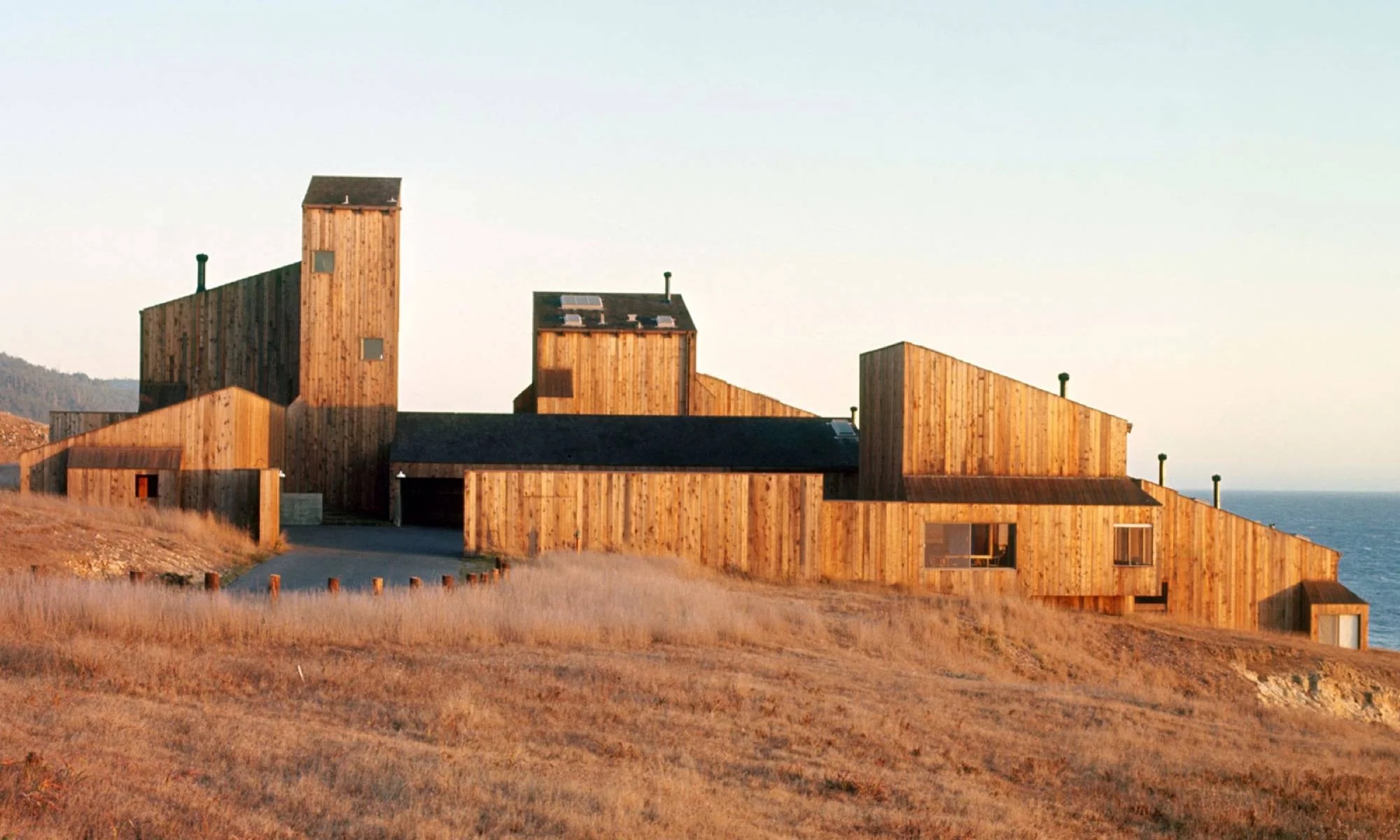
The Sea Ranch is a small, unincorporated coastal community in Sonoma County, California, situated along the rugged Pacific shoreline roughly 100 miles north of San Francisco. With a resident population of only about 1,300 people, the community is best known as one of America's most celebrated examples of modernist planned-community design, where clustered timber-and-shingle condominiums, meadows, and cypress windbreaks are deliberately softened into the headlands and bluffs. It draws visitors seeking a quiet, design-conscious retreat and serves as a southern gateway to the broader Mendocino and Sonoma coastlines, where fog-shrouded cliffs, tide pools, and forests of Bishop pine and redwood stretch for miles.
Just steps from the community's center lies Sonoma Coast State Park, a long ribbon of protected coastline that includes the public beaches and headlands bordering The Sea Ranch. From the trailheads within the community itself, guests can walk straight onto the Bluff Trail and the Shell Beach access points, which are typically a few minutes by car or on foot from most rental properties and connect to miles of clifftop paths popular with hikers, beachcombers, and whale watchers in season.
About 25 miles to the south, the reconstructed wooden stockade walls and Orthodox chapel of Fort Ross mark the site of a former Russian-American fur-trading outpost established in 1812. The historical park offers a small museum, ranger talks, and picnic areas overlooking the cove, and it is roughly a 40-minute drive south along Highway 1. To the north, a similar drive leads to the small town of Gualala, where the winding roads of the Mendocino coast begin in earnest, and a bit farther up the highway to Point Arena and its historic lighthouse, one of the tallest on the West Coast.
For short-term-rental owners and guests alike, The Sea Ranch offers a compelling combination of architectural pedigree, dramatic natural scenery, and proximity to a string of well-known coastal destinations without the crowds of more developed beach towns. The community's strict design guidelines keep the landscape serene, while its central Sonoma County location places it within easy reach of wine country, the redwoods, and the larger cities of the Bay Area, giving visitors both seclusion and a wide radius of day-trip possibilities.
Want to know if a property in The Sea Ranch is a good investment?
Enter an address to get instant revenue potential and comps.