
Philo, California
Want to see how Philo compares to other top cities in California? Explore all city regulations in California. →
Philo, CA
Generally Investor Friendly
STR Regulations for Philo, California
Overview: Are STRs allowed in Philo?
- Explicit answer: Short‑term rentals are allowed in Philo, which is an unincorporated area of Mendocino County. Based on the 2019–2027 Mendocino County Housing Element, vacation home rentals (VHRs) have been identified for policy attention, but no adopted, city‑level prohibition was found. As of the Housing Element (August 2020), Mendocino County’s unincorporated areas did not have enforceable STR‑specific permits; the County signaled an intent to address VHRs with future work (Action 1.4b), but that task was deferred at that time. In short, for Philo: no city ban exists, and you can operate an STR subject to county and state regulations, including Transient Occupancy Tax (TOT), general land‑use compliance, and local health/safety rules.
- Important caveat: County rules may have changed since 2020. Before finalizing any investment, confirm current local requirements with Mendocino County Planning and Building Services (PBS) and the Tax Collector’s Office (see Contact Information).
How to start an STR business in this market
- Confirm zoning and land‑use eligibility
- Use: Engage Mendocino County Planning and Building Services (PBS) to verify that “lodging” or “short‑term rental” is an allowed use on your parcel and that no coastal or other overlay restrictions apply. Philo is inland; however, the County’s rules can vary by zoning district.
- Secure tax compliance (Transient Occupancy Tax, TOT)
- Action: Register for TOT with the Mendocino County Tax Collector. TOT is typically collected from guests and remitted by the operator. The TOT rate is determined at the county level; confirm the current rate and any local assessments with the Tax Collector.
- Obtain business licensing
- Action: Acquire any required county business license/registration. Confirm scope and any fee structures with the County’s business licensing division or Tax Collector’s Office.
- Address health and wastewater
- Action: For properties served by onsite wastewater (septic), confirm system capacity and compliance with the County Division of Environmental Health. Large or luxury STRs may need enhanced capacity planning.
- Insurance and operational policies
- Action: Obtain comprehensive liability coverage appropriate for lodging. Adopt clear house rules for occupancy, quiet hours, parking, and use. Consider establishing standard operating procedures (SOPs) for guest check‑in/out, cleaning, and maintenance to support consistent compliance and guest experience.
- Safety and accessibility
- Action: Ensure working smoke and CO detectors, fire extinguishers, posted egress and safety information, and clear addressing for emergency responders. Consider ADA‑friendly design features where feasible to expand market reach.
- Neighbor relations and community standards
- Action: Provide neighbors with contact information for the on‑site or off‑site manager, and implement a “good neighbor” policy to address noise, parking, and trash. A proactive community engagement plan reduces enforcement risk.
- Ongoing compliance and recordkeeping
- Action: Maintain guest logs, tax remittance records, and inspection or permit documents. Establish a compliance calendar for renewals, inspections, and tax filings.
- Optional: If you plan to operate with onsite staff, confirm any zoning allowances for employee housing or associated structures with PBS.
Required documents, permits, licenses, and guidelines
- County‑level (Mendocino)
- Zoning confirmation from Planning & Building Services
- TOT registration/returns with the Tax Collector
- County business license/registration (confirm necessity)
- Environmental Health clearance (if onsite wastewater)
- Fire/Life Safety compliance (smoke/CO, extinguishers, egress)
- State‑level (California)
- Health & Safety Code lodgings standards for safety devices, posting, and sanitation as applicable to transient lodging
- Recordkeeping for transient stays and tax reporting
- Recommended operational documentation
- House rules and occupancy policy
- Check‑in/out SOPs
- Cleaning and maintenance protocols
- Emergency contact list and incident logs
Specific regulations: city, county, and state
- City (Philo): No adopted city‑specific STR ordinance was identified in the provided County Housing Element. Philo is a community within unincorporated Mendocino County, so city rules do not apply.
- County (Mendocino)
- VHRs have been identified for future policy work (Housing Element, Policy 1.4b; Action 1.4b). As of the 2020 Housing Element, VHR enforcement was deferred and no STR‑specific permit system had been implemented in unincorporated areas. This means STRs operate under general land‑use and tax compliance rather than a dedicated STR permit, subject to any subsequent county action.
- The County relies on general zoning, environmental health, and TOT processes. Beach and coastal areas may have stricter rules; Philo is inland, but confirm overlays.
- State (California)
- STRs must comply with state lodging rules, including smoke/CO protection, posted emergency information, sanitation standards, and recordkeeping. TOT generally applies to transient lodging, including STRs. Some local governments adopt local permits and other operational rules—verify current county or city status before operating.
- Best‑practice alignment
- Adopt the above best practices and confirm with PBS that the proposed STR configuration does not trigger a use variance, coastal permit, or other discretionary review.
Contact information (local authority in charge of STRs, and key support agencies)
- Mendocino County Planning and Building Services (PBS) – Zoning, permits, land use
- Phone: (707) 463‑4281
- Email: planning@mendocinocounty.org
- Website: www.mendocinocounty.org/government/planning-building-services
- Mendocino County Tax Collector’s Office – TOT registration and remittance
- Phone: (707) 463‑4366
- Email: tca@mendocinocounty.org
- Website: www.mendocinocounty.org/government/departments/treasurer-tax-collector
- Mendocino County Environmental Health – Onsite wastewater and sanitation
- Phone: (707) 472‑2721
- Website: www.mendocinocounty.org/government/departments/environmental-health
- Mendocino County Sheriff’s Office – Non‑emergency, public safety
- Phone: (707) 463‑4411
- Website: www.mendocinocounty.org/government/departments/sheriff-coroner-patrol
Source pages
- Mendocino County Housing Element 2019–2027 (PDF): www.hcd.ca.gov/housing-elements/docs/mendocino-county-6th-adopted100120.pdf
- Key reference: Policy 1.4b and Action 1.4b (VHRs in residential communities; Action deferred at that time).
Notes for investors
- Investment timing: The absence of a city‑level prohibition and the 2020 Housing Element’s indication that VHRs were under future consideration (deferred) can make Philo attractive for STRs. That said, county rules can evolve; always re‑confirm current zoning, TOT rate, and any new VHR/STR requirements with PBS and the Tax Collector before acquisition or launch.
- Operations: A professionally run STR with robust guest policies, proactive neighbor relations, and full TOT compliance will be more resilient to future rule changes and community feedback.
- Due diligence: Verify water/wastewater capacity, address and emergency access, and insurance limits. Where applicable, align STR operations with ADU policy (State‑driven allowances for accessory dwelling units) and coastal overlays before committing capital.
What do Airbnb hosts actually earn in Philo?
Philo hosts earn a median $31,089/year with $266 ADR and 41% occupancy.
Top performers pull in $38,572+ per year.
See the full Philo market breakdownNext step
Found a property in Philo?
Paste any address and get estimated revenue, cash-on-cash return, and comparable STR performance in under 5 minutes. 3 free analyses per day.
Free brief
Get the free Philo STR Investment Brief
Revenue data, top neighborhoods, seasonal trends, and the key regulations for Philo, California in one email.
Philo
Market Saturation Score
Photos of Philo

Overview of Philo
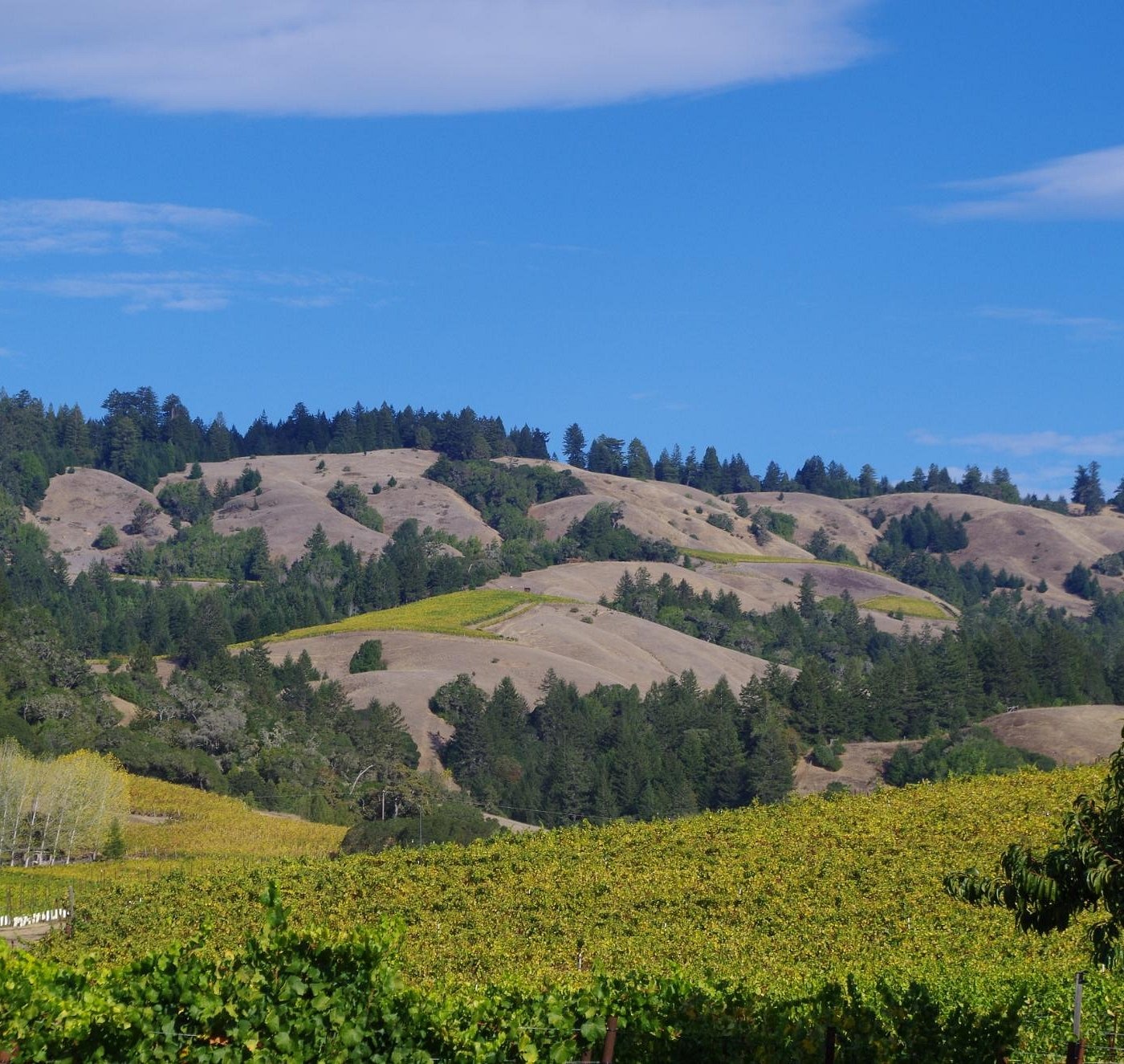
Philo is a small unincorporated community tucked into Mendocino County in Northern California, set in the rolling, vineyard-dotted landscape of the Anderson Valley. With only a few hundred residents, it has the quiet, rural character of a true wine-country hamlet, surrounded by forest, farms, and a remarkable density of tasting rooms. Philo is best known as a gateway to Anderson Valley's Pinot Noir and cool-climate white wine producers and as a waystation for travelers headed west toward the Mendocino coast. The community lies roughly 130 miles north of San Francisco, reached by a drive of about two and a half to three hours via U.S. Route 101 and Highway 128, the scenic route that threads the valley from Cloverdale to the Pacific.
Just a few minutes up Highway 128 from Philo, Hendy Woods State Park protects some of the last remaining old-growth redwood groves in the Anderson Valley. Visitors can walk among cathedral-like stands of coast redwoods on shaded loops ranging from short strolls to multi-mile hikes, with the cool, fern-lined atmosphere offering a striking contrast to the sunny vineyards just down the road. The park's two main day-use areas, the Big Hendy and Little Hendy groves, lie within roughly a ten-minute drive of the community and make an easy complement to a wine-tasting afternoon.
Continuing west on Highway 128, the road descends toward the coast and passes through Navarro River Redwoods State Park, about twenty minutes from Philo. The park follows the Navarro River through a long, narrow canyon of second-growth redwoods and includes a popular beach access at the river's mouth, where travelers can pause to watch the Pacific before turning back inland or pressing on to the town of Mendocino. The historic village, perched on headlands about forty minutes northwest of Philo, is known for its New England-style architecture, art galleries, and dramatic cliffside trails, and serves as the cultural heart of the Mendocino Coast.
The Anderson Valley itself is the other main draw, with tasting rooms clustered within a short drive of Philo in both directions along Highway 128. Producers such as Roederer Estate, Scharffenberger, and Goldeneye have helped put the valley on the map for méthode traditionnelle sparkling wine and elegant Pinot Noir, while smaller family-run operations offer a more intimate experience. The nearby community of Boonville, roughly twenty minutes up the road, anchors the valley with restaurants, breweries, and the annual Mendocino County Fair.
Together, its coastal redwoods, vineyard setting, and proximity to both the Pacific and the Bay Area make Philo an appealing base for travelers seeking a quiet, scenic stay. Short-term rentals here offer guests a rural retreat within easy reach of some of Northern California's most celebrated wine, forest, and coastline experiences.
Want to know if a property in Philo is a good investment?
Enter an address to get instant revenue potential and comps.