
Mount Shasta, California
Want to see how Mount Shasta compares to other top cities in California? Explore all city regulations in California. →
Mount Shasta, CA
Challenging To Investors
STR Regulations for Mount Shasta, California
Overview: Are Short-Term Rentals Allowed in Mount Shasta, CA?
Yes, short-term rentals are allowed in Mount Shasta, California, but with significant restrictions and requirements. The City has implemented a comprehensive regulatory framework through Chapter 5.50 of the Municipal Code (Ord. CCO-23-01, 2023) to limit short-term rental uses, prevent the loss of housing opportunities for residents, preserve residential character, and establish operating standards to reduce potential neighborhood impacts.
Key Constraints:
- City-wide cap of 3% of total housing units for short-term rental permits
- Maximum of 19 short-term rentals allowed in residential zones
- Maximum of 2 permits per owner
- Prohibited in R-1 zones and accessory dwelling units
- Requires annual registration, inspections, and compliance with strict operational standards
What do Airbnb hosts actually earn in Mount Shasta?
Mount Shasta hosts earn a median $42,276/year with $214 ADR and 60% occupancy.
Top performers pull in $55,628+ per year.
See the full Mount Shasta market breakdownHow to Start a Short-Term Rental Business in Mount Shasta
Step 1: Zoning Compliance Check
Before proceeding, verify your property location meets zoning requirements:
- Allowed zones: C1 and C2 zones (commercial)
- Conditionally allowed: R2 and R3 zones (requires use permit approval)
- Prohibited zones: R-1 zones and accessory dwelling units
- Prohibited property types: Structures with recorded covenants restricting STR use, affordability-restricted units, and structures not intended for residential occupancy
Step 2: Application Process
Submit a complete short-term rental permit application to the City before advertising or operating. The application must include all required information and be approved by the City.
Step 3: Pre-Operation Inspections
All short-term rentals must pass inspections by both the City and Mt. Shasta Fire Department before commencing operation.
Step 4: Annual Renewal
Permits expire at the end of the fiscal year and must be renewed annually, with renewal applications accepted starting July 1st.
Required Documents, Permits, Licenses, and Guidelines
Essential Permits and Licenses
- Short-Term Rental Permit - Required before operation
- Business License - Must comply with MSMC 5.12.010 through 5.12.090
- Transient Occupancy Tax Registration - Required for tax collection and remittance
Required Application Information
- Property owner name and contact information
- Operator name and contact information
- Local contact person name and 24-hour telephone number
- Property address and assessor's parcel number
- Rental unit type (single-family, duplex, apartment, etc.)
- Maximum occupancy calculation (2 guests per bedroom + 2 additional, excluding children under 5)
- Total number of off-street parking spaces
- Number of trash receptacles and proof of adequate garbage service
- Fire safety equipment locations and compliance certification
- Written acknowledgment of compliance understanding
Safety and Compliance Requirements
- Fire Extinguishers: One 5-pound type 3-A:40-B:C per level, mounted near kitchen
- Smoke Alarms: Minimum one per bedroom and one per level, in good working order
- Carbon Monoxide Alarms: Outside each bedroom and on levels with fuel-burning appliances
- Metal Ash Container: Minimum 5-gallon capacity with tight-fitting lid for wood-burning units
- Address Identification: Clearly visible from street with proper sizing per California Fire Code
Recordkeeping Requirements
Operators must maintain guest registration records for 3 years, including:
- Guest name and contact information
- Number of guests
- Amount of rent paid (including all ancillary charges)
- Records must be provided to City within 5 days upon request
Specific Regulations for Mount Shasta, CA
Operational Standards
Guest and Occupancy Limits
- Maximum occupancy: 2 guests per bedroom + 2 additional people (excluding children under 5)
- Occupancy limits strictly enforced between 10:00 PM and 7:00 AM
- No subletting by guests allowed
Parking Requirements
- 1-2 bedrooms: 1 off-street parking space required
- 3+ bedrooms: 2 off-street parking spaces required
- Additional spaces required in multi-unit properties
- No parking in unpaved areas or locations violating City standards
- Parking restrictions during snow removal must be posted
Trash and Recycling
- Weekly trash collection and recycling mandatory
- Minimum one City-approved trash receptacle
- Increased service required if one receptacle insufficient
- No placement outside before pickup day
- Bear-resistant and rodent-resistant containers required for outdoor storage
Safety Equipment and Emergency Information
Required interior postings must include:
- Operator name and 24-hour contact number
- Maximum guest limit
- Maximum vehicle limit
- Police Department telephone number
- Building exits and evacuation routes
- Fire extinguisher locations
- Emergency evacuation information
- Outdoor fire and barbecue usage rules
- Violation penalties notice
- Wood-burning appliance operation instructions (if applicable)
Barbecue and Grilling Restrictions
- Only electric pellet grills and propane grills allowed
- No grills permitted within 10 feet of structures or flammable materials
- No grilling beneath trees, umbrellas, decks, or appurtenant structures
Prohibited Activities
- Incidental camping (tents, deck sleeping, RV parking)
- Subletting by guests
- Special events (weddings, corporate events, commercial functions)
- Use in structures not intended for residential occupancy
Enforcement and Penalties
Administrative Penalties
- First citation: Up to $500 per day per violation
- Subsequent citations: Up to $1,000 per day per violation
- Citations issued less than one year apart count as previous citations
Permit Revocation Triggers
- Two or more violations within 12-month period
- False or misleading application information
- Current violations of local, state, or federal laws
- Delinquent payments to the City
- Operation constituting public nuisance
- Failed fire inspection or refusal to allow inspection
- Absence of required fire inspection within preceding year
Appeal Process
- 10-day period to appeal denial or revocation
- Administrative hearing within 30 days
- Further appeal to City Council within 10 days of City Manager decision
- 24-month waiting period after denial or revocation before reapplication
Property Transfer and Continuity
- Permits do not run with the land
- New owners must file for permit within 30 days of purchase
- Former permits expire upon ownership transfer
- New owners receive first right of refusal on new permits
- Existing non-conforming uses have 12 months to comply or cease operation
Tax Obligations
- Transient Occupancy Tax (TOT) collection and remittance required per Chapter 3.12 MSMC
- Collection responsibility falls on operator
- Payment required during compliance period for existing uses
County and State Regulations
Siskiyou County Requirements
While the provided content focuses on Mount Shasta city regulations, Siskiyou County maintains separate vacation rental requirements. Contact the County Planning Department for county-specific regulations that may apply to properties outside city limits.
State of California Requirements
- Must comply with California Residential Code and Building Code Standards
- Accessory Dwelling Unit restrictions governed by California Government Code Sections 65852.2 and 65852.22
- Address identification must meet California Fire Code minimum size requirements
- Carbon monoxide alarm installation per manufacturer specifications
Contact Information for Local Authorities
City of Mount Shasta
Short-Term Rental Program Administration
- Phone: (530) 926-7510 (City Hall main number)
- Address: 305 Pine Street, Mount Shasta, CA 96067
- Website: www.mtshastaca.gov
- Business License Information: Available through City Hall
Mt. Shasta Fire Department
- Phone: (530) 926-2055
- Fire Inspection Requirements: Annual inspection mandatory
Mount Shasta Police Department
- Emergency: 911
- Non-Emergency: (530) 926-7545
- Address: 305 Pine Street, Mount Shasta, CA 96067
Siskiyou County Planning Department
Hailey Lang, Deputy Director
- Phone: 530-841-2100
- Fax: 530-841-4076
- Address: 806 South Main Street, Yreka, CA 96097
- Hours: 8:00 AM - 5:00 PM, Monday - Friday
- Website: www.siskiyoucounty.gov/planning
- Email: Contact through website
Important Links to Source Pages
- Mount Shasta Municipal Code Chapter 5.50 (Short-Term Rentals): www.codepublishing.com/CA/MtShasta/html/MtShasta05/MtShasta0550.html
- Siskiyou County Vacation Rentals FAQ: www.siskiyoucounty.gov/planning/page/vacation-rentals-faqs
- Siskiyou County Short-Term Rental Application Packet: www.siskiyoucounty.gov/system/temporary/filefield_paths/pln_20240423_vra_permit_application_packet_0.pdf
- Mount Shasta City Website: www.mtshastaca.gov
- Mount Shasta Fire Department: www.mtshastaca.gov/fire-department
- Mount Shasta Police Department: www.mtshastaca.gov/police
- Siskiyou County Planning Department: www.siskiyoucounty.gov/planning
Investment Considerations and Market Dynamics
Supply Constraints
The 3% city-wide cap and 19-unit residential zone limit create significant supply constraints that may affect market dynamics and investment returns. With limited permits available, existing permits in good standing receive priority.
Compliance Costs
Budget for annual inspection fees, permit renewal costs, fire safety equipment installation and maintenance, and potential administrative penalties for violations.
Operational Requirements
The 24/7 local contact requirement and 45-minute response time mandate professional management or owner proximity, which may impact operational flexibility and costs.
Market Position
Given the regulatory framework designed to preserve housing opportunities for residents, short-term rental operations must demonstrate strong community integration and minimal neighborhood impact to maintain long-term viability.
Disclaimer: This guide is based on the provided content and regulations as of the current date. Regulations may change, and investors should verify current requirements with local authorities before making investment decisions.
Next step
Found a property in Mount Shasta?
Paste any address and get estimated revenue, cash-on-cash return, and comparable STR performance in under 5 minutes. 3 free analyses per day.
Free brief
Get the free Mount Shasta STR Investment Brief
Revenue data, top neighborhoods, seasonal trends, and the key regulations for Mount Shasta, California in one email.
Mount Shasta
Market Saturation Score
Photos of Mount Shasta

Overview of Mount Shasta
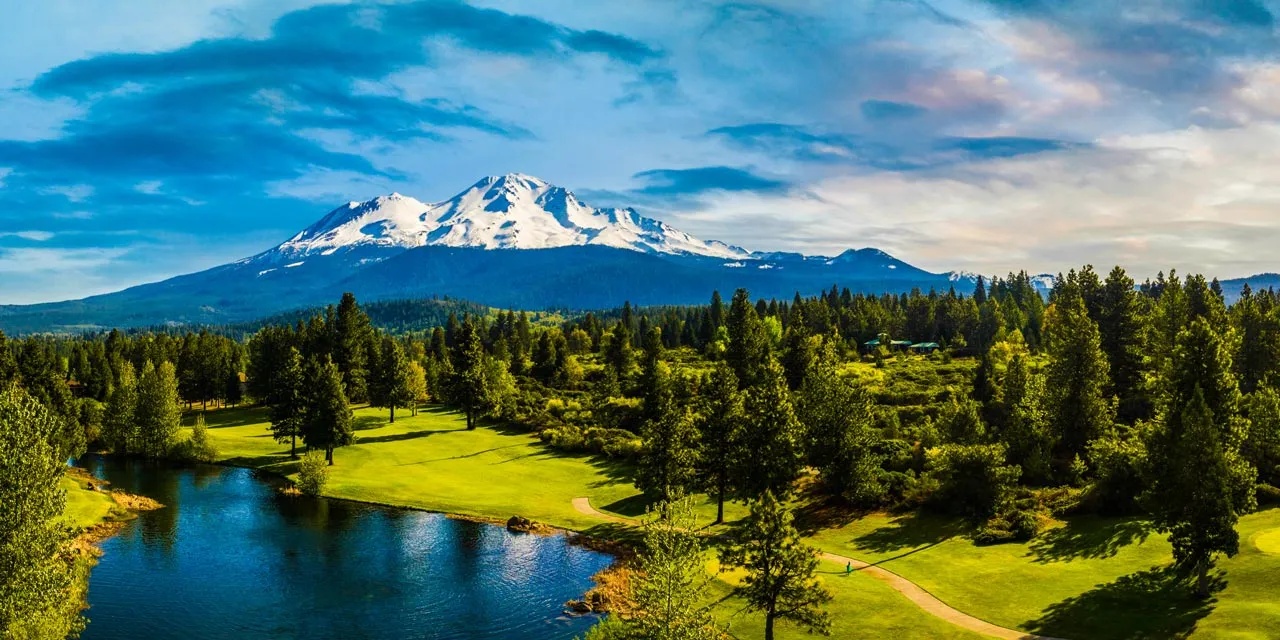
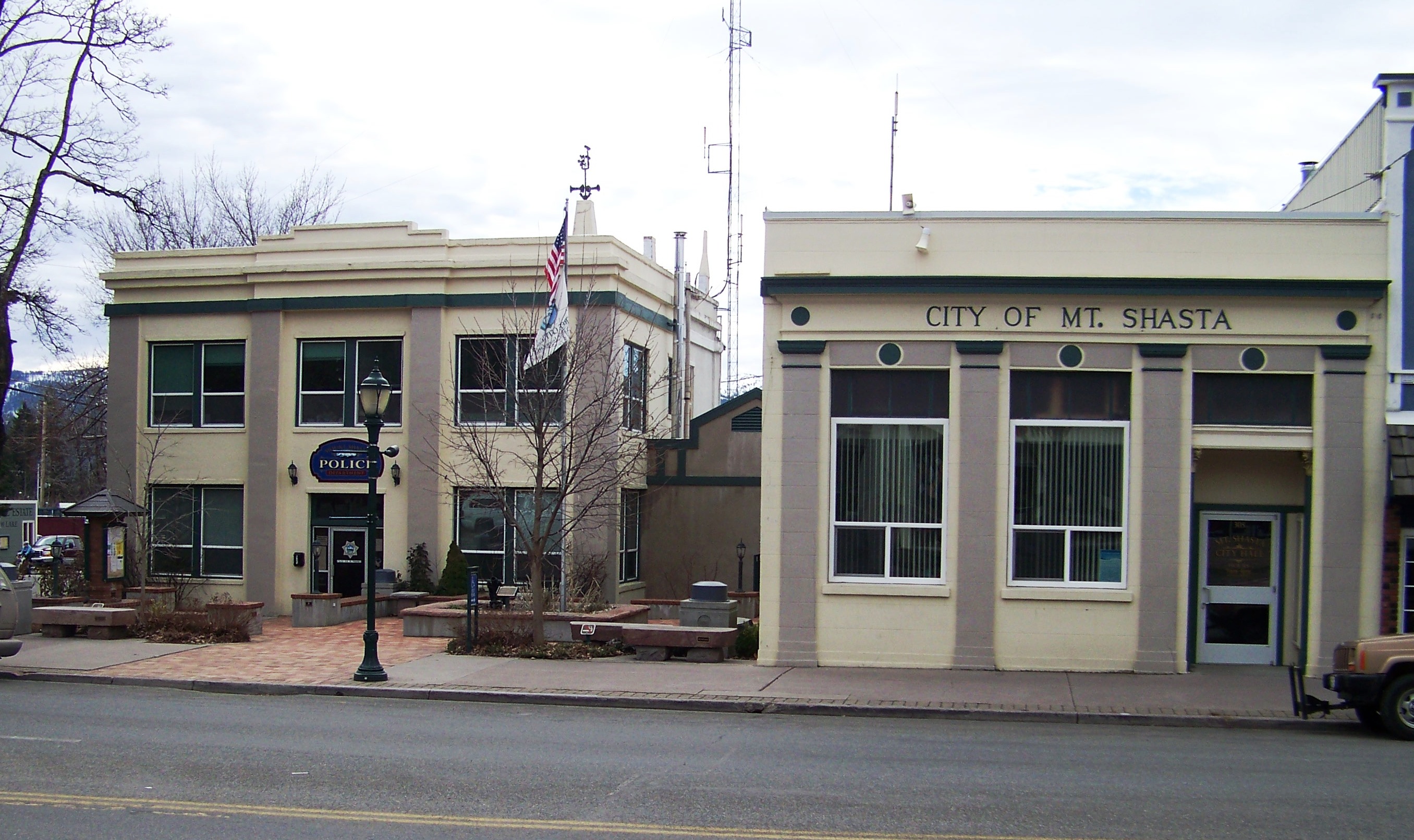
Mount Shasta is a small city tucked into northern California's Siskiyou County, sitting at the foot of the towering, snow-capped Mount Shasta volcano that gives the town its name. With a population of roughly 3,300 residents, it has the feel of a compact mountain community shaped by outdoor recreation, spiritual retreat culture, and a steady flow of travelers passing along Interstate 5. The town serves as a natural gateway to the surrounding forests, lakes, and high-country wilderness of the southern Cascades, drawing hikers in summer and skiers in winter. It lies approximately 60 miles north of Redding and roughly 250 miles north of San Francisco, placing it firmly in a remote and scenic stretch of Northern California.
Just a few miles west of town, Lake Siskiyou offers one of the most popular year-round outdoor escapes in the area, with a sandy beach, campground, and easy trails circling its shoreline. The lake is about a 10-minute drive from downtown and is well used for swimming, paddling, and fishing during the warmer months, making it a frequent stop for families and road-trippers.
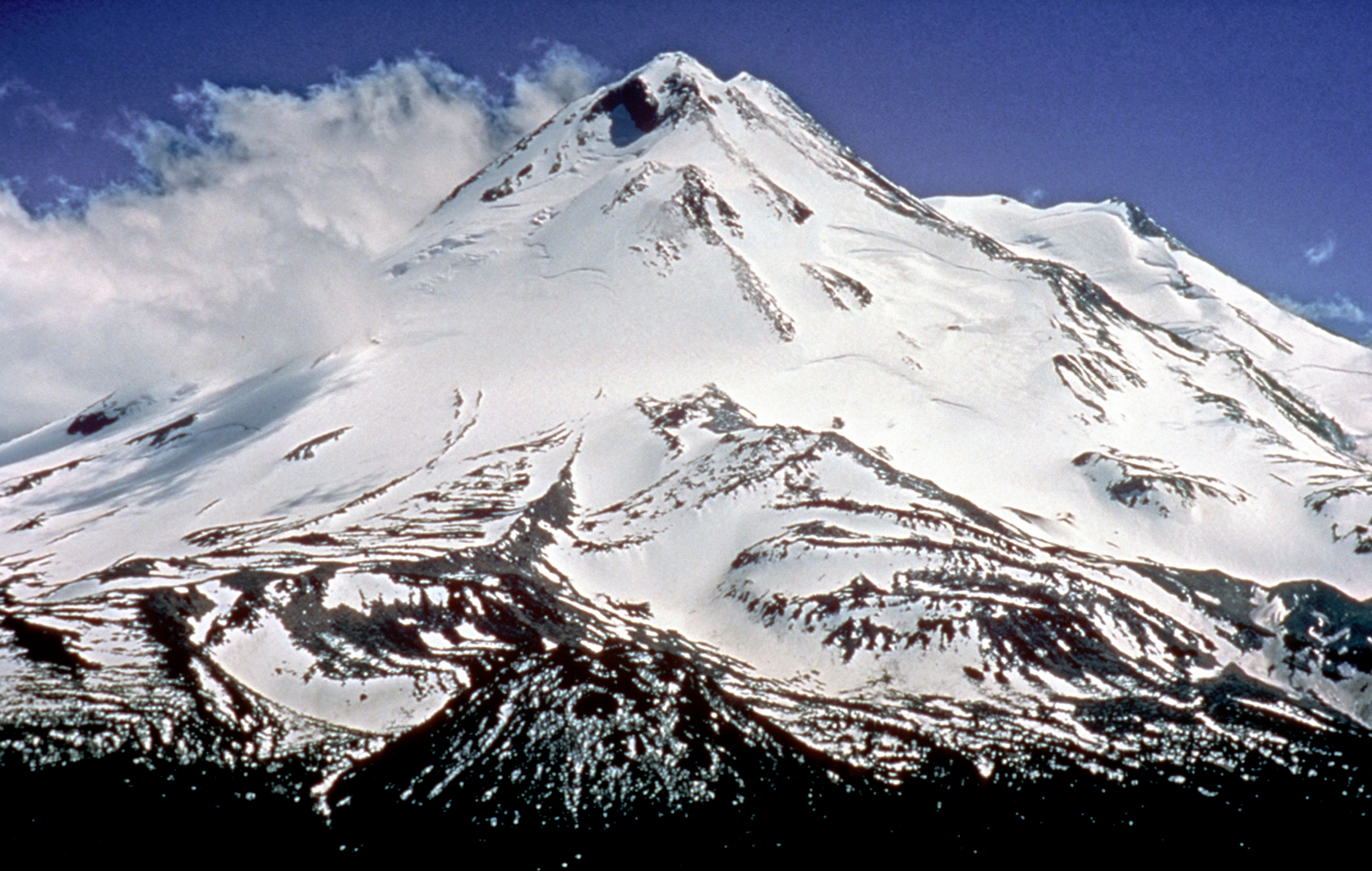
The mountain itself, Mount Shasta, is the defining landmark of the region, rising to 14,179 feet and offering everything from short alpine hikes to serious mountaineering routes. Its dramatic prominence and seasonal snowpack draw visitors in every season, and the surrounding Shasta-Trinity National Forest provides hundreds of miles of trails, campgrounds, and scenic byways. A short drive south of town, the historic village of McCloud offers the picturesque McCloud Falls, a three-tiered cascade on the Upper McCloud River that is a favorite for picnics and photography about 25 minutes from Mount Shasta.
In winter, the mountain transforms into a recreation hub, with the family-friendly Mt. Shasta Ski Park offering downhill skiing, snowboarding, and tubing roughly 20 minutes up the mountain. Year-round visitors also gravitate to nearby Castle Lake, a glacial tarn tucked into the forest about 30 minutes from town that is known for its clear water and panoramic views of the surrounding cliffs.
Mount Shasta works as a short-term-rental base precisely because it pairs small-town character with access to an unusually wide range of outdoor experiences within a short drive. Visitors come for the skiing, the summit attempts, the lake days, the waterfalls, and the slow pace of a true mountain town, often staying several nights to explore the surrounding forests and neighboring communities. For owners, that seasonal variety, combined with the city's position along a major north-south travel corridor, gives the market a steady and diverse stream of guests throughout the year.
Want to know if a property in Mount Shasta is a good investment?
Enter an address to get instant revenue potential and comps.