
La Puente, California
Want to see how La Puente compares to other top cities in California? Explore all city regulations in California. →
La Puente, CA
Unfriendly To Investors

STR Regulations for La Puente, California
Executive Summary: Are Short-Term Rentals Allowed in La Puente?
EXPLICIT ANSWER: NO — Short-term rentals are currently PROHIBITED in La Puente, California. The City of La Puente has enacted an Interim Urgency Ordinance (No. 25-990) that imposes a complete moratorium on the advertising and operation of short-term rentals for a period of ten (10) months and fifteen (15) days, effective May 9, 2025, and extending until approximately March 24, 2026. During this period, no person or entity may advertise, rent, operate, or allow the operation of a short-term vacation rental within the city limits.
What do Airbnb hosts actually earn in La Puente?
La Puente hosts earn a median $27,469/year with $142 ADR and 75% occupancy.
Top performers pull in $40,396+ per year.
See the full La Puente market breakdownHow to Start a Short-Term Rental Business in This Market
Current Status: NOT FEASIBLE - Given the active moratorium, investors cannot legally start or operate a short-term rental business in La Puente at this time. However, if the city later allows STRs, investors should prepare by:
- Monitoring City Council Meetings: Stay informed about the city's ongoing study and potential ordinance development
- Understanding Future Requirements: Once the moratorium expires, expect the city to implement regulations similar to those used in other California jurisdictions
- Property Preparation: Consider properties in adjacent unincorporated areas of Los Angeles County (subject to different regulations)
- Financial Planning: Budget for potential registration fees, taxes, and compliance costs once regulations are established
Required Documents, Permits, Licenses, and Guidelines
Current Requirements (During Moratorium)
- No documents, permits, or licenses are currently available for short-term rentals in La Puente
- NO OPERATIONS PERMITTED - The city is not accepting applications or issuing permits
- Operating an STR during this period constitutes a violation with severe penalties
Post-Moratorium Expectations
Based on typical California city regulations, future requirements may include:
- Short-term rental business license/permit
- Transient Occupancy Tax registration
- Safety inspections (fire, health)
- Insurance requirements
- Compliance with local zoning regulations
- Noise and parking management plans
Los Angeles County Regulations (For Comparison - Not Applicable to La Puente)
For reference only, Los Angeles County (unincorporated areas) requires:
- Short-Term Rental Registration Certificate
- Transient Occupancy Tax collection and remittance
- Contact: (213) 974-2011 or STRental@ttc.lacounty.gov
Specific Regulations by Jurisdiction
City of La Puente (Current)
Moratorium Details (Ordinance No. 25-990):
- Duration: 10 months, 15 days from May 9, 2025
- Prohibited Activities: Advertising, renting, operating, or allowing STR operations
- Definition: Short-term vacation rentals include single-family dwellings, multi-family units, bedrooms of primary residences, accessory dwelling units, and junior accessory dwelling units rented for 30 consecutive days or fewer
- Penalties: $1,000 civil penalty per violation, potential misdemeanor charges
- Reasoning: Housing shortage, neighborhood character protection, public health/safety concerns
Municipal Code Context:
- No existing STR-specific regulations in the current code
- City Council studying potential ordinance development
- Proliferation of STRs viewed as threat to residential neighborhoods
- Recent increase in complaints related to noise, parties, over-occupancy, parking
Los Angeles County (Not Applicable to La Puente)
County regulations only apply to unincorporated areas:
- STR registration certificate required
- Primary residence requirement for hosts
- Transient Occupancy Tax obligations
- Separate enforcement mechanisms
State of California
State Planning and Zoning Law (Government Code §§ 65000, et seq.):
- Broadly empowers cities to regulate land use
- Supports municipal regulation of STRs
- Allows moratorium adoption during study periods
- Requires consistency with General Plan goals
Housing Crisis Context:
- State-wide housing shortage recognized
- Recent wildfires (Palisades, Eaton) displaced 40,000+ residents
- Executive Order N-2-25 declared State of Emergency
- Cities authorized to implement emergency housing measures
Contact Information
City of La Puente
Primary Authority: City Clerk's Office
- Address: City of La Puente, 15900 E. Sierra Madre Boulevard, La Puente, CA 91744
- Phone: (626) 855-1500
- Website: lapuente.granicus.com
- Meeting Information: City Council meetings provide STR updates
Key Departments:
- Planning Department: (626) 855-1500 (for future STR zoning questions)
- Code Enforcement: (626) 855-1500 (for violation reporting)
City Attorney's Office: (626) 855-1500 (for legal questions)
Los Angeles County (For Reference - Not Applicable to La Puente)
Short-Term Rentals Unit:
- Phone: (213) 974-2011
- Email: STRental@ttc.lacounty.gov
- Business Hours: Monday-Friday, 8:00 a.m. to 5:00 p.m. PT
- Website: ttc.lacounty.gov/str
Transient Occupancy Tax Questions:
- Phone: (213) 974-2011
- Email: businesslicense@ttc.lacounty.gov
Source References
-
City of La Puente Interim Urgency Ordinance No. 25-990 (April 22, 2025)
- Source: https://lapuente.granicus.com/MetaViewer.php?view_id=2&clip_id=2320&meta_id=247871
- Complete text of the moratorium ordinance with definitions, findings, and penalties
-
Los Angeles County Treasurer and Tax Collector - Short-Term Rentals
- Source: https://ttc.lacounty.gov/str/
- County regulations for unincorporated areas (not applicable to La Puente)
Important Note: This analysis is based on ordinances effective as of April 2025. Investors should verify current status before making any investment decisions, as regulations may change following the study period and potential ordinance adoption.
Next step
Found a property in La Puente?
Paste any address and get estimated revenue, cash-on-cash return, and comparable STR performance in under 5 minutes. 3 free analyses per day.
Free brief
Get the free La Puente STR Investment Brief
Revenue data, top neighborhoods, seasonal trends, and the key regulations for La Puente, California in one email.
La Puente
Market Saturation Score
Photos of La Puente

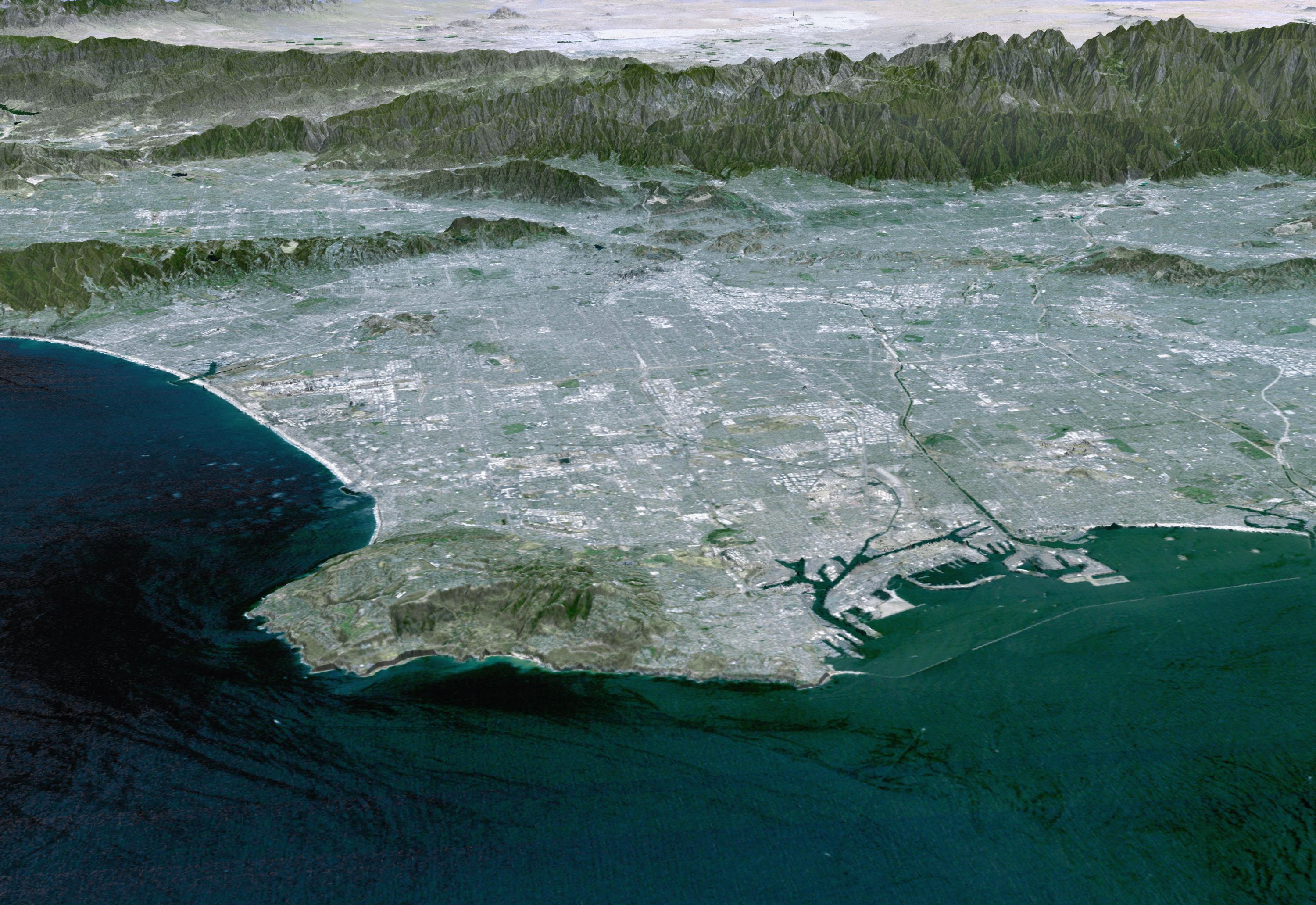

Overview of La Puente
La Puente is a compact, working-class city in the San Gabriel Valley of Los Angeles County, California, home to approximately 40,000 residents. Long known for the citrus and walnut groves that once covered the surrounding hillsides, the city today carries the relaxed, unpretentious character of an older inland suburb while sitting firmly within the orbit of the greater Los Angeles metropolitan area. It serves as an affordable gateway to the San Gabriel Valley's diverse cultural and recreational offerings, and is located roughly twenty miles east of downtown Los Angeles.
Just a few minutes east of La Puente, the Santa Fe Dam Recreation Area in Irwindale offers a sizable reservoir set against the foothills of the San Gabriel Mountains. The seventy-acre lake is popular for fishing, pedal-boating, and shoreline picnics, and the surrounding park includes sports fields, a swimming beach in the warmer months, and easy walking trails. For travelers who want a dose of green space without driving into the mountains, it is one of the most accessible outdoor escapes in the region.
Closer to home, the Workman and Temple Homestead Museum preserves one of the oldest surviving adobe homes in Southern California. Located in the neighboring City of Industry, roughly five minutes from La Puente, the three-acre site encompasses two historic houses, a small cemetery, and Victorian gardens, telling the story of the Pío Pico and Workman families who helped shape the early San Gabriel Valley. Guided tours and seasonal events make it a quick, rewarding stop that adds historical depth to a stay in the area.
To the north, the foothills rise quickly toward the Angeles National Forest, where pine-shaded canyons, scenic drives, and trailheads offer a sharp change of scenery within about a thirty- to forty-minute drive. From there, travelers can continue into the high country around [Mount Wilson](en.wikipedia.org/wiki/Mount_Wilson_(California) or descend toward Altadena and Pasadena. In the opposite direction, downtown Los Angeles, with its museums, concert venues, and dining, lies roughly twenty-five miles to the west via the San Bernardino Freeway, putting the cultural core of the region within an easy half-hour drive outside of rush hour.
For short-term rental operators, La Puente offers a compelling combination of value and convenience. Its central position in the San Gabriel Valley places guests within easy reach of regional recreation, historic sites, and the wider Los Angeles region, while its residential streets remain quieter and more affordable than the coastal communities to the west. The mix of nearby outdoor space, family-friendly attractions, and quick freeway access to both the mountains and the Pacific coastline makes the city a practical base for travelers exploring Southern California.
Want to know if a property in La Puente is a good investment?
Enter an address to get instant revenue potential and comps.