
Hidden Valley Lake, California
Want to see how Hidden Valley Lake compares to other top cities in California? Explore all city regulations in California. →
Hidden Valley Lake, CA
Generally Investor Friendly
STR Regulations for Hidden Valley Lake, California
Quick overview: Short‑term rentals are allowed in Hidden Valley Lake, California, provided you obtain the required business license and short‑term rental permit, operate in compliance with local zoning, pass safety inspections, and collect and remit the 10% transient occupancy tax (TOT) to Lake County. Hidden Valley Lake is an unincorporated community in Lake County; municipal‑type rules appear in the Hidden Valley Lake municipal code (Municode), while community‑specific policies (e.g., ADU/JADU, lease/rental rules) are published by the Hidden Valley Lake Association.
Market Snapshot (for context)
- Total STRs: 16
- ADR: $148.31
- Typical home value: $370,154
- Typical listing price: $393,450
- Lake County visitors: ~100,000 annually; peak seasons are summer months and holiday weekends
Source: market overview and visitor profile pages on staystra.com
What do Airbnb hosts actually earn in Hidden Valley Lake?
Hidden Valley Lake hosts earn a median $13,608/year with $216 ADR and 39% occupancy.
Top performers pull in $17,259+ per year.
See the full Hidden Valley Lake market breakdownHow to Start a Short‑Term Rental Business in Hidden Valley Lake
Step‑by‑step process (based on local regulatory language and known county/city/state frameworks)
-
Verify zoning eligibility
- Confirm your property is located in a zone where short‑term rentals are permitted.
- Check the Hidden Valley Lake municipal code (Municode) for zoning and use‑type definitions.
-
Obtain city and county authorizations
- Business license: Required to operate any business in Hidden Valley Lake.
- Short‑term rental permit: Required specifically for renting residential property on a transient basis.
-
Prepare for safety inspections
- Properties must meet health and safety standards consistent with local codes (e.g., fire code, functional smoke detectors, fire extinguishers).
- Maintain documentation of inspections and corrective actions if required.
-
Set up transient occupancy tax (TOT) collection and remittance
- Collect TOT from guests at the applicable rate.
- remit to the county tax authority (Lake County) per filing schedule and procedures for transient lodging taxes.
- Retain records (guest night logs, rate sheets, tax returns, remittance confirmations).
-
Establish operating procedures
- Guest screening and house rules consistent with community standards.
- Local contact/responsible party during guest stays.
- Incident reporting and enforcement contact process.
-
Ongoing compliance
- Renew permits/licenses as required.
- Monitor zoning or policy changes (e.g., HOA rental rules, municipal code updates).
- Keep accurate books and records for tax and code enforcement audits.
Notes:
- Lake County and the state of California require collection of TOT for transient lodging; since Hidden Valley Lake is unincorporated, remittance is to the county.
- Community policies published by the Hidden Valley Lake Association (HVLA) may impose additional restrictions, standards, or penalties for rentals within the association area.
Required Documents, Permits, Licenses, and Guidelines
What you must have
- Business license (City of Hidden Valley Lake)
- Short‑term rental permit (City of Hidden Valley Lake)
- Zoning confirmation (use must be allowed at the property location per Municode)
- Safety inspection documentation (per local standards)
Ongoing obligations
- Transient occupancy tax (TOT) collection at 10% and remittance to Lake County
- Compliance with HOA/association rules where the property is subject to them (e.g., ADU/JADU policy, lease/rental rules, fines schedule)
Documentation to maintain
- Permit/license records
- Inspection results
- Guest night logs and revenue records
- TOT filings and remittance confirmations
- House rules and communications with guests
Guidance sources (official)
- Hidden Valley Lake municipal code and permit/license portals (Municode)
- HVLA governing documents (association rules/policies/fines)
Specific Regulations for Short‑Term Rentals (City/County/State)
City level (Hidden Valley Lake)
- A business license and a short‑term rental permit are required.
- Zoning rules dictate where short‑term rentals may operate; check use tables and overlays in the municipal code.
- Safety inspections must demonstrate compliance with health and safety standards.
- Operating in violation of these requirements can lead to fines and potential permit revocation.
County level (Lake County)
- TOT at 10% applies to transient lodging; collect from guests and remit to Lake County per county procedures.
- Enforcement is county‑wide; ensure timely filing and accurate remittance to avoid penalties.
State level (California)
- Standard state lodging taxes and business registration obligations apply (TOT is local, not state‑level).
- Property standards should meet California fire and safety requirements (e.g., functional smoke detectors, fire extinguishers where applicable).
- State health/safety rules for rentals of dwelling units apply.
Additional community rules (Hidden Valley Lake Association)
- ADU & JADU Policy governs accessory and junior accessory dwelling units (affects leasing/long‑term use; verify implications for transient use).
- Lease/Rental Rules and the Association Rules & Fine Schedule apply to members; rental activity within the association is regulated.
- Rules enforcement is via HVLA, with fines and remedies as detailed in the association’s fine schedule.
Enforcement and penalties
- City: fines and possible revocation for noncompliance with permits/licensing, zoning, or inspections.
- County: penalties for failure to collect or remit TOT.
- Association: fines and restrictions per HVLA enforcement policy.
Contact Information (Local Authority in Charge of STRs)
-
City of Hidden Valley Lake
- Website: hiddenvalleylakeca.gov
- Municipal code and permits: see Municode link below
-
Lake County (Transient Occupancy Tax)
- For TOT collections/remittance and tax procedures: contact Lake County Tax Collector/Revenue; confirm current contacts and filing portals (not provided in source materials)
-
Hidden Valley Lake Association (HVLA)
- Website: www.hvla.com
- Phone/email: not specified in the provided content
- Use HVLA staff contacts page for association matters related to community rules and enforcement
Note: If you require a direct permit counter or TOT remittance email/phone, confirm current contacts via the city website and county revenue/tax collector pages.
Links to Source Pages
- Hidden Valley Lake short‑term rental overview (StaySTRa): staystra.com/location/california/hidden-valley-lake/
- City of Hidden Valley Lake official website: hiddenvalleylakeca.gov
- Hidden Valley Lake municipal code (Municode): library.municode.com/ca/hidden_valley_lake
- Hidden Valley Lake Association (HVLA) Resource Center (governing docs, rules, policies): hvla.com/resourcecenter/41435/resource-center
- Visit Lake County tourism information: www.visitlakecounty.com
Investor Risk and Compliance Checklist
- Confirm zoning allowance for STR use at your parcel in Municode.
- Obtain and display/keep current your business license and STR permit.
- Pass and keep records of safety inspections.
- Set up TOT collection at 10% and remit to Lake County; maintain filing schedule.
- Review and comply with HVLA community rules (rental rules, ADU/JADU policy, fine schedule).
- Maintain guest logs and financial records; establish a local contact for guest issues.
- Monitor code/rule updates (city, county, and association) to avoid enforcement actions.
- Consider legal counsel for complex zoning interpretations or community disputes.
If you need deeper specifics (permit application forms, inspection checklists, fee schedules), obtain them directly from the city permit portal (Municode) and county revenue pages.
Next step
Found a property in Hidden Valley Lake?
Paste any address and get estimated revenue, cash-on-cash return, and comparable STR performance in under 5 minutes. 3 free analyses per day.
Free brief
Get the free Hidden Valley Lake STR Investment Brief
Revenue data, top neighborhoods, seasonal trends, and the key regulations for Hidden Valley Lake, California in one email.
Hidden Valley Lake
Market Saturation Score
Photos of Hidden Valley Lake
Overview of Hidden Valley Lake
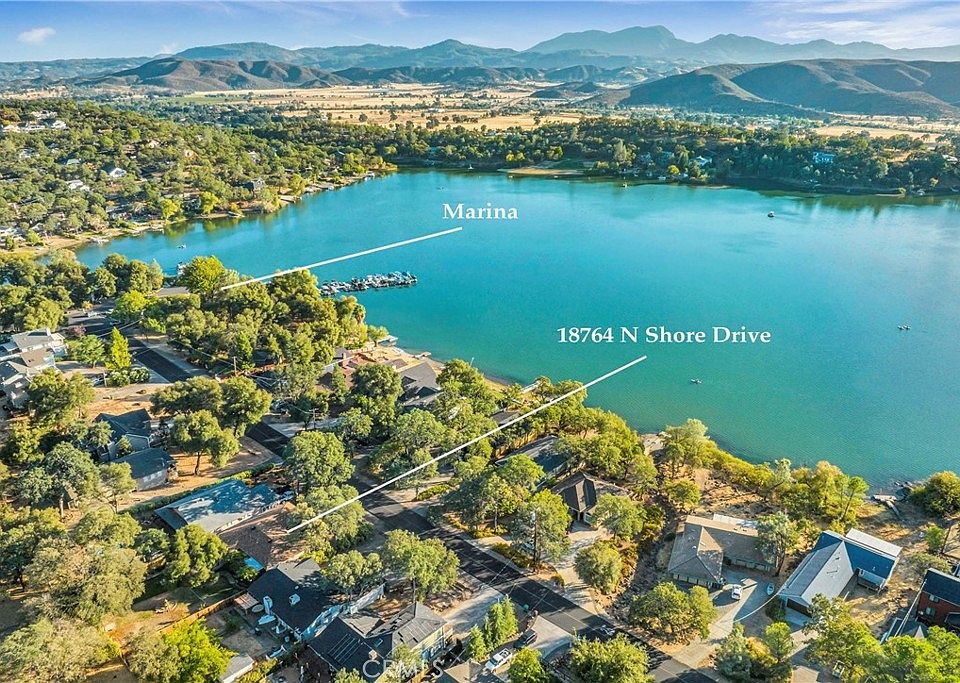
Hidden Valley Lake is a small, gated residential community and census-designated place in Lake County, in the northern reaches of California. With a population of roughly 5,500 to 6,000 residents, it has the feel of a planned recreational retreat built around a private reservoir, surrounded by oak-studded foothills and rolling vineyards. The community is best known as a quiet, amenity-rich base for exploring the surrounding Clear Lake region, an area often described as the quieter, more laid-back cousin of the better-known Napa and Sonoma valleys to the south. It sits roughly 80 miles north of Santa Rosa and about 110 miles north of San Francisco, just off Highway 29 on the western side of the Clear Lake basin.
A short drive east brings visitors to Clear Lake, the largest natural freshwater lake entirely within California and one of the oldest lakes in North America. The lake is a major regional draw for bass fishing, kayaking, and birdwatching, with herons, ospreys, and bald eagles commonly spotted along its marshy edges. Towns like Lakeport and Kelseyville line its shores and offer small-town dining, antique shops, and farmers markets that reflect the area's agricultural roots.
To the south of the lake rises Mount Konocti, a dormant volcanic peak that dominates the local skyline and is sacred to the Pomo people who have lived in the region for generations. Hikers can reach scenic viewpoints via the Wright Peak and Mountain House trails on the surrounding county parkland, with clear-day panoramas that on rare occasions stretch as far as the Sierra Nevada to the east. The mountain and its base vineyards together create the visual identity most often associated with the Lake County landscape.
Southwest of Hidden Valley Lake, the surrounding hills have become a quieter alternative to Napa and Sonoma for wine tasting, with boutique family-run vineyards producing notable Cabernet Sauvignon and Sauvignon Blanc. A bit further west, in the Capay Valley, the Cache Creek Casino Resort offers gaming, concerts, golf, and a spa, making it a popular day trip for visitors looking for entertainment beyond the outdoors. Closer to home, the community's own private lake, golf course, and equestrian facilities give the immediate area a self-contained, resort-like atmosphere that appeals to weekend getaways.
For short-term rental owners, Hidden Valley Lake offers a compelling combination of natural setting, privacy, and proximity to a region that remains noticeably less crowded than the wine country to the south. Guests are drawn by the chance to boat on Clear Lake, hike near Mount Konocti, and tour tasting rooms without the traffic and pricing of more famous destinations, all within a few hours' drive of the Bay Area and Sacramento.
Want to know if a property in Hidden Valley Lake is a good investment?
Enter an address to get instant revenue potential and comps.