
Fort Bragg, California
Want to see how Fort Bragg compares to other top cities in California? Explore all city regulations in California. →
Fort Bragg, CA
Challenging To Investors
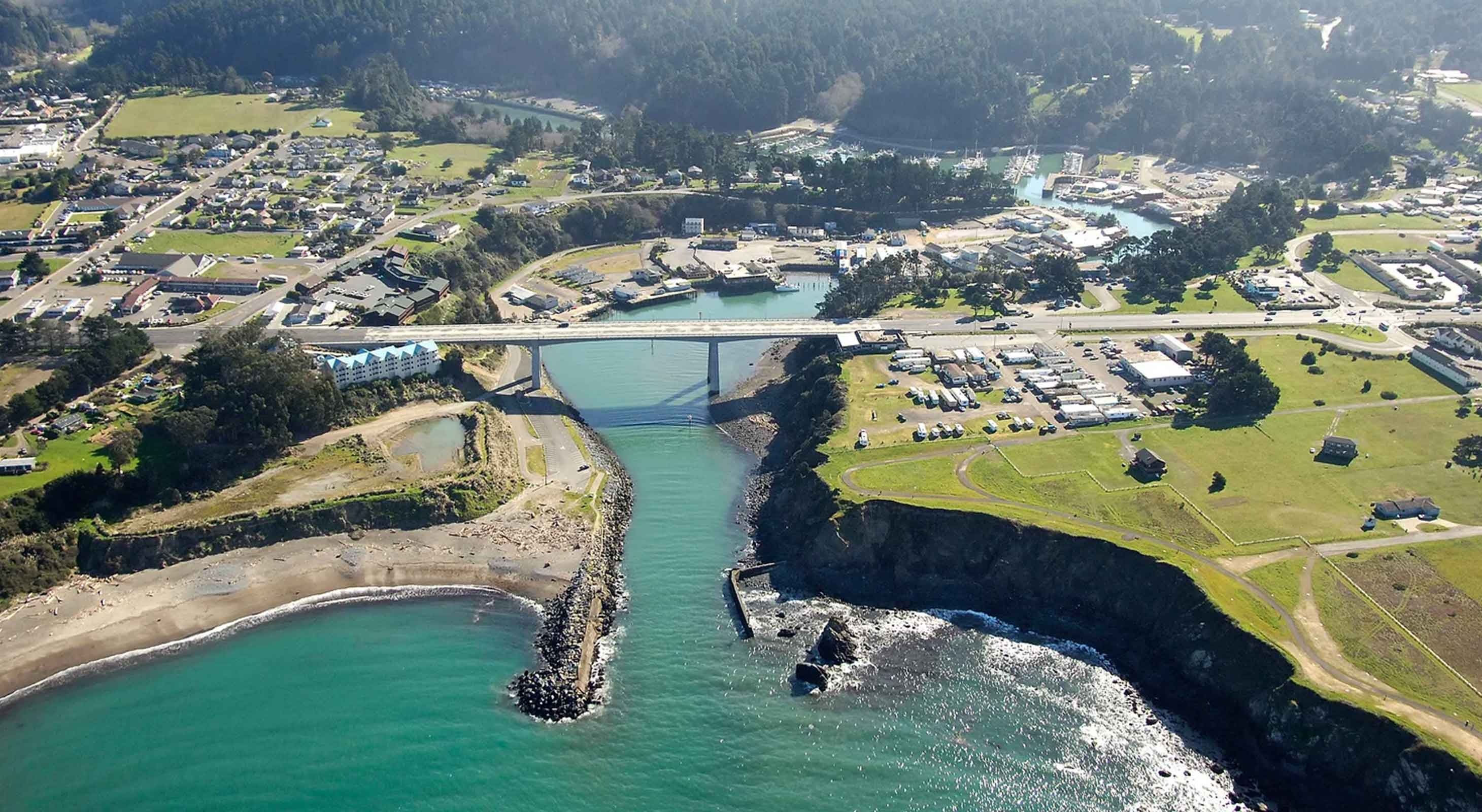
STR Regulations for Fort Bragg, California
Executive Overview: Are Short-Term Rentals Allowed in Fort Bragg, CA?
Yes, short-term rentals are allowed in Fort Bragg, CA, but with significant restrictions. As of 2024, Fort Bragg maintains one of the most restrictive short-term rental frameworks in Mendocino County. STRs are permitted only within the central business district, specifically on the second or third floors above commercial uses. The city has maintained this narrow allowance since adopting STR regulations in 2017, and in January 2024, the City Council explicitly rejected a proposal to expand STR zones to other commercial areas.
Currently, only two permitted short-term rentals are operating in Fort Bragg, despite an informal cap of ten permits. The city generated over $25,000 in transient occupancy tax from these two properties last year. However, seven known unpermitted STRs are operating throughout the city, creating enforcement challenges.
Critical Distinction: Fort Bragg's STR regulations operate independently from Mendocino County's upcoming inland STR ordinance, which is scheduled for implementation in 2025. The city's restrictive policies reflect a deliberate policy choice to prioritize workforce housing over tourism accommodation, particularly given the community's documented housing crisis.
What do Airbnb hosts actually earn in Fort Bragg?
Fort Bragg hosts earn a median $49,772/year with $325 ADR and 59% occupancy.
Top performers pull in $80,481+ per year.
See the full Fort Bragg market breakdownHow to Start a Short-Term Rental Business in Fort Bragg
Phase 1: Eligibility Assessment
Before proceeding, confirm your property meets the city's stringent location requirements:
- Location: Property must be in Fort Bragg's central business district
- Floor Level: Rental unit must be on the second or third floor
- Commercial Ground Floor: The ground floor must contain an active commercial use
Phase 2: Permitting Process
Required Permits:
- Business License - Standard city business license application
- Minor Use Permit - Zoning entitlement allowing STR use in commercial zone
- Transient Occupancy Tax Registration - Required for TOT collection and remittance
Phase 3: Application Process
- Submit business license application to City Hall
- Apply for minor use permit through Planning Department
- Complete TOT registration with Finance Department
- Prepare for potential Planning Commission review if amendments to zoning code are required
Phase 4: Operational Requirements
- Collect and remit 12% transient occupancy tax (TOT) to the city
- Maintain compliance with commercial building codes
- Ensure rental operations don't interfere with ground-floor commercial activities
Important Note: Given the council's 2024 rejection of expansion proposals, future regulatory changes appear unlikely in the near term. The council expressed strong concerns about further reducing workforce housing stock.
Required Documents, Permits, Licenses, and Guidelines
Municipal Requirements
Business License:
- Application form (available at City Hall)
- Proof of property ownership or lease agreement
- Property insurance documentation
- Site plan showing commercial ground floor and rental floors
Minor Use Permit:
- Conditional use permit application
- Site plan and floor plans
- Operating plan detailing STR management
- Parking plan (limited street parking in downtown area)
- Noise and nuisance management plan
- Emergency contact information for off-site property manager
Transient Occupancy Tax Registration:
- TOT registration form
- Monthly remittance procedures established
- Guest registration record-keeping system
Zoning Compliance:
- Verification of central business district location
- Documentation of ground-floor commercial use
- Building code compliance for residential use on commercial floors
Operational Guidelines
Occupancy and Duration:
- No specific maximum stay duration defined in current ordinance (pending clarification)
- Standard residential occupancy limits apply
- Fire safety and egress requirements for upper-floor rentals
Management Requirements:
- Local contact person required (recommended within 30-minute response time)
- 24-hour contact availability during guest stays
- Complaint response procedures
Specific Regulations: City, County, and State Level
Fort Bragg Municipal Regulations (Most Restrictive)
Permitted Locations:
- Central business district only
- Second or third floor above commercial uses
- Ground floor must maintain active commercial use
Permit Limits:
- Informal cap: 10 permits maximum
- Historically issued: maximum 4 permits
- Current active permits: 2 properties
Tax Requirements:
- 12% transient occupancy tax (TOT)
- Monthly remittance to city finance department
Prohibited Areas:
- Residential zoning districts
- Ground-floor locations
- Single-family neighborhoods
- Non-commercial areas
Mendocino County Inland STR Ordinance (2025 - Pending)
Scope: County's inland areas (outside coastal zone) Status: In development with stakeholder input process Expected Timeline: 2025 implementation Potential Impact on Fort Bragg: Minimal, as city maintains independent regulatory authority
Mendocino County Coastal STR Regulations
Existing Framework:
- Coastal zoning code includes STR provisions
- Separate from Fort Bragg city regulations
- Applied to unincorporated coastal areas
California State Regulations
AB 3182 (2020): Requires cities to allow STRs in residential zones if they allow hotels Coastal Act Compliance: Properties in coastal zone must comply with California Coastal Commission requirements TOT Requirements: State mandates tax collection for lodging stays under 30 days
Contact Information for Local STR Authorities
City of Fort Bragg
Primary Contact:
- Phone: (707) 961-2823
- Address: 363 N. Main St., Fort Bragg, CA 95437
- Website: www.fortbragga.gov
- Email: cityhall@fortbragga.gov
Planning Department:
- Phone: (707) 961-2823, ext. 120
- Email: planning@fortbragga.gov
- Hours: Monday-Friday, 8:00 AM - 5:00 PM
Business License Division:
- Phone: (707) 961-2823, ext. 101
- Email: business@fortbragga.gov
Code Enforcement (STR Violations):
- Contact: Valerie Stump, Code Enforcement Officer
- Phone: (707) 961-2820
- Email: vstump@fortbragga.gov
Mendocino County Planning & Building Services
Short-Term Rental Inquiries:
- Phone: (707) 234-6650
- Email: planning@mendocinocounty.gov
- Website: www.mendocinocounty.gov/government/planning-building-services
- Address: 501 Low Gap Road, Ukiah, CA 95482
STR Stakeholder Meeting Information:
- Email for Updates: LCPUpdate@mendocinocounty.gov
Source Documentation Links
Primary Regulatory Sources
- Mendocino County Zoning Code Updates: www.mendocinocounty.gov/departments/planning-building-services/ordinance-updates
- Inland Short-Term Rental Information: www.mendocinocounty.gov/departments/planning-building-services/planning-division/short-term-rentals
City of Fort Bragg Housing Policy
- 2019 Housing Element (Program H-5.2.1): www.hcd.ca.gov/housing-elements/docs/fort-bragg-6th-adopted092419.pdf
Recent Regulatory History
- January 2024 City Council Meeting Coverage: mendofever.com/2024/01/13/fort-bragg-city-council-rejects-proposal-to-expand-short-term-vacation-rentals-amidst-concerns-over-housing-crisis/
County Stakeholder Process
- April 2025 Meeting Coverage: mendovoice.com/2025/04/mendocino-short-term-rentals-meetings/
Supporting Documentation
- Coastal Zone Map (Property Location Verification): www.mendocinocounty.gov/home/showpublisheddocument/18405/636541111471970000
- County STR Stakeholder Survey: Available through Planning & Building Services website
Disclaimer: This guide is based on available information as of the latest update cycles. STR regulations frequently change, and investors should verify current requirements with local authorities before making investment decisions. The restrictive nature of Fort Bragg's current STR framework suggests limited expansion opportunities, making property selection and due diligence particularly critical for potential investors.
Next step
Found a property in Fort Bragg?
Paste any address and get estimated revenue, cash-on-cash return, and comparable STR performance in under 5 minutes. 3 free analyses per day.
Free brief
Get the free Fort Bragg STR Investment Brief
Revenue data, top neighborhoods, seasonal trends, and the key regulations for Fort Bragg, California in one email.
Fort Bragg
Market Saturation Score
Photos of Fort Bragg
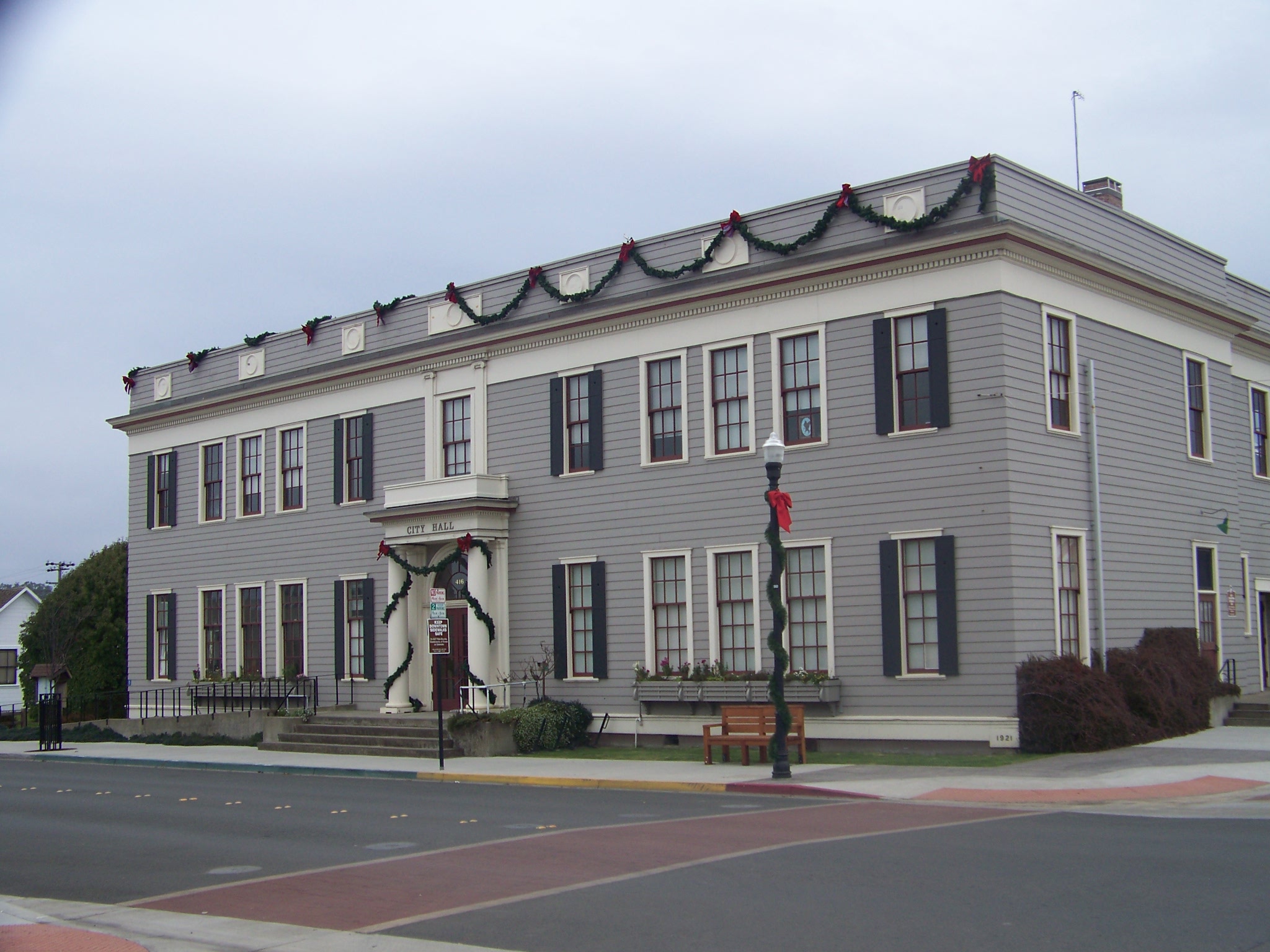


Overview of Fort Bragg
Fort Bragg is a small coastal city in Mendocino County, California, with a population of approximately 7,000 residents. Set along the Pacific Ocean on the rugged northern California coastline, the town has a working-class heritage rooted in the historic lumber industry, and today it functions as the main commercial and lodging center of the Mendocino Coast. It is best known for its dramatic ocean bluffs, redwood-forested surroundings, and its role as a gateway to the Victorian village of Mendocino and the broader Mendocino Headlands. Fort Bragg lies roughly 165 miles north of San Francisco, a drive of about three and a half to four hours via Highway 101 and the connecting coastal routes.
One of the most photographed attractions in town is Glass Beach, a small cove just a few minutes' walk from downtown that has become famous for the smooth, colorful sea glass that lines the shoreline — a byproduct of decades of debris that has been tumbled and polished by the Pacific into something genuinely beautiful. Visitors come at low tide to wander the rocky beach and adjacent tide pools, and the site is an easy stop for anyone staying in or passing through Fort Bragg.
Just north of town lies MacKerricher State Park, a long stretch of dunes, headlands, freshwater lagoon, and beach that is popular for hiking, birdwatching, and seasonal whale watching. The park begins about three miles from downtown Fort Bragg and continues for several miles along the coast, with pullouts and access points that make it easy to explore in a single day.
A signature experience in Fort Bragg is a ride on the Skunk Train, a heritage railroad that has been running between Fort Bragg and the inland town of Willits since the late nineteenth century. Passengers travel through redwood canyons, across trestle bridges, and along the Noyo River in vintage rail cars, with the full round trip taking most of a day. The depot sits right in central Fort Bragg, making it a convenient addition to any stay.
About ten miles south of Fort Bragg, along Highway 1, sits the village of Mendocino, a nineteenth-century lumber and fishing settlement whose clapboard buildings and cliffside setting have made it one of the most recognizable small towns on the California coast. Just beyond it, the Mendocino Headlands State Park wraps around the village with bluff-top trails offering sweeping views of sea stacks, offshore rocks, and migrating gray whales in season. The drive from Fort Bragg takes roughly twenty minutes.
Fort Bragg's combination of natural beauty, easy access to state parks, and a more approachable price point than neighboring Mendocino makes it a strong base for a short-term rental. Visitors get a genuine small-coastal-town atmosphere, walkable access to the beach and downtown core, and a central location from which to explore the redwoods, headlands, and historic villages that define this stretch of the Mendocino Coast.
Want to know if a property in Fort Bragg is a good investment?
Enter an address to get instant revenue potential and comps.