
Crescent City, California
Want to see how Crescent City compares to other top cities in California? Explore all city regulations in California. →
Crescent City, CA
Very Investor Friendly
STR Regulations for Crescent City, California
Overview: Are short‑term rentals allowed in Crescent City?
- Yes. Short‑term rentals (rentals of less than 30 days) are permitted in Crescent City, California, subject to local requirements.
- Operators must register for a Transient Occupancy Tax (TOT) certificate and collect/remit the 10% TOT on gross rent for stays under 30 days.
- Hosts must operate in compliance with city zoning, health and safety standards, noise/nuisance ordinances, and advertisement rules; violations can result in fines or revocation of the TOT certificate.
Primary legal basis cited in sources:
- Registration and 10% TOT for stays under 30 days: referenced in local STR market analyses and regulation summaries for Crescent City.
- Zoning, noise/nuisance, health/safety, local contact, advertisement, and TOT enforcement: referenced in Crescent City STR regulation summaries.
- ADU note: Short‑term rentals (<30 days) are not allowed in Del Norte County Accessory Dwelling Units (ADUs).
Sources: Crescent City STR regulation summaries; Del Norte County Planning – Accessory Dwelling Units.
What do Airbnb hosts actually earn in Crescent City?
Crescent City hosts earn a median $40,590/year with $216 ADR and 66% occupancy.
Top performers pull in $55,812+ per year.
See the full Crescent City market breakdownHow to start a short‑term rental business in Crescent City
- Confirm zoning and land use eligibility
- Verify that the property is in a zoning district that allows the proposed STR use.
- Check whether any special overlays (e.g., Coastal Zone) affect development or operation.
- If the unit is an ADU, remember that short‑term rentals (<30 days) are not permitted; ADUs may be rented for periods of 30 days or longer.
- Contact: Del Norte County Planning Division, (707) 464‑7254, planning@co.del-norte.ca.us (County zoning applies to the City of Crescent City).
- Assemble required authorizations and credentials
- Obtain a City TOT certificate (required to legally rent <30 days and to collect/remit 10% TOT).
- Comply with local ordinances governing noise/nuisance, health and safety, advertisement disclosures, and designation of a local contact.
- If you plan any construction or significant alterations, secure the appropriate building permits; owners acting as Owner/Builder may obtain permits, otherwise licensed contractors must be used.
- Complete registration and tax setup
- Apply for and maintain an active TOT certificate; display/quote the certificate number as required in advertisements and postings.
- Set up systems to collect and remit the 10% TOT to the city for stays under 30 days.
- Maintain records to support tax filings and inspections.
- Prepare the property and operations
- Confirm the unit meets applicable health and safety standards (including fire safety per California Fire Code Regulations).
- Install any required postings and notices (e.g., local contact information, certificate number) and provide a Good Neighbor Policy to guests.
- Draft house rules and guest communications that reinforce compliance with noise and nuisance regulations.
- Establish cleanup, maintenance, and guest‑service workflows; define a local response plan.
- Launch marketing and manage compliance
- List the property on platforms (e.g., Airbnb/VRBO) with required disclosures (TOT certificate number and local contact information).
- Monitor for violations; address complaints quickly to avoid fines or certificate revocation.
- Keep accurate records and calendars for TOT remittance and potential inspections.
Required documents, permits, licenses, and guidelines
City‑level
- Transient Occupancy Tax (TOT) Certificate
- Purpose: Authorizes collection/remittance of the 10% TOT on rentals <30 days.
- Usage: Include the certificate number in all advertisements and on posted notices at the property.
- Enforcement: Failure to comply can result in fines or revocation of the certificate.
- Good Neighbor Policy
- Purpose: Sets expectations for guest conduct (noise, nuisance, parking, occupancy, trash).
- Local contact and notice requirements
- Purpose: Ensures a responsible party can respond to issues; posting must show TOT certificate number and contact information.
- Advertisement compliance
- Must display TOT certificate number and license number in all listings.
- Zoning/land use verification
- Confirm the property’s zoning permits STR activity and that no overlays restrict STR use.
- Noise/nuisance compliance
- Operate within city noise/nuisance standards; violations can trigger enforcement and risk to the TOT certificate.
- Health and safety compliance
- Meet California Fire Code Regulations and other applicable safety standards to protect guests.
County/state‑wide
- Building permits and inspections (as applicable)
- Obtain permits for construction, alterations, or certain accessory structures; ensure licensed contractors or Owner/Builder authorization.
- Contact: Building Inspection, (707) 464‑7253, building@co.del-norte.ca.us
- California Health and Safety Code and California Building Standards Code
- Establish baseline health/safety requirements and define when permits are required.
- Coastal Zone (if applicable)
- If the parcel lies within the California Coastal Zone, consult the Del Norte County Planning Division for any additional review.
Additional considerations
- Insurance: Maintain appropriate property and liability coverage.
- School fees: May be required for certain residential construction projects; not a direct STR fee, but relevant if you build or significantly alter a dwelling.
- Encroachment permits: Needed for work in the public right‑of‑way (e.g., certain fences, signs, driveway approaches).
- Asbestos reporting: May be required for specified commercial‑property work.
Specific regulations for STRs (City, County, and State)
City of Crescent City (selected highlights from referenced STR compliance summaries)
- Transient Occupancy Tax: 10% on gross rent for stays under 30 days; registration mandatory.
- Zoning laws: STRs must align with local zoning; confirm permitted use for your property and any area overlays.
- Noise and nuisance: Hosts must ensure guests comply; violations may result in fines and/or certificate revocation.
- Health and safety: Properties must meet applicable health and safety standards, including California Fire Code Regulations.
- Good Neighbor Policy: Hosts must provide and enforce a guest policy covering conduct expectations.
- Local contact and notice: Designate a local contact and post notices at the property that include the TOT certificate number, license number, and contact information.
- Advertisement compliance: TOT certificate and license numbers must appear in all advertisements.
County of Del Norte (selected highlights relevant to STRs)
- Accessory Dwelling Units (ADUs): Short‑term rentals (<30 days) are not allowed in ADUs; primary residence may be rented while owner resides in the ADU, or the ADU may be rented for periods of 30 days or longer.
- Source: Del Norte County Planning – Accessory Dwelling Units.
- Contact: planning@co.del-norte.ca.us; (707) 464‑7254.
- Building permitting: Follow state building standards with local amendments; permits required for most construction/alterations. Contact Building Inspection at (707) 464‑7253, building@co.del-norte.ca.us.
- Coastal Zone: Additional reviews may be required; consult Planning.
State of California (selected statewide considerations)
- Building and fire safety: California Building Standards (Health and Safety Code) and California Fire Code Regulations apply across the state.
- Tax collection/remittance: The TOT is a local tax administered by the city; hosts must register and remit the 10% tax for stays <30 days as required by Crescent City.
- Municipal Code compliance: Follow relevant city and county ordinances in addition to state standards.
Contact information (phone, email, website where available)
City of Crescent City – City Hall
- Address: 377 J Street, Crescent City, CA 95531
- Phone: (707) 464‑7483
- Website: www.crescentcity.org
Del Norte County – Community Development Department
- Planning Division
- Phone: (707) 464‑7254
- Email: planning@co.del-norte.ca.us
- Address: 981 H Street, Suite 110, Crescent City, CA 95531
- Building Inspection
- Phone: (707) 464‑7253
- Email: building@co.del-norte.ca.us
Countywide information
- Del Norte County Clerk/Recorder’s Office: (707) 464‑7216
- Public records and vital records are maintained at the county level.
Links to source pages (IMPORTANT)
- City of Crescent City – Frequently Asked Questions (Departments, building permits, contacts): www.crescentcity.org/frequently-asked-questions
- GoSummer – Vacation Rental Management in Crescent City, California (market overview and STR regulations including TOT, zoning, noise/nuisance, local contact, advertisement, Good Neighbor Policy): www.gosummer.com/vacation-rental-management/crescent-city-california
- RedAwning – Crescent City Market Overview and STR Regulations (10% TOT, noise/nuisance, local contact/posting, advertisement compliance, health & safety references): www.redawning.com/pm/market-overview/crescent-city-california
- County of Del Norte – Planning Division – Accessory Dwelling Units (ADU STR prohibition <30 days, parking/size/envelope requirements, septic, Coastal Zone considerations): www.co.del-norte.ca.us/departments/Planning/AccessoryUnits
Notes
- The sources above are used as the basis for this guide. Where city‑specific procedures for TOT registration are not published in the provided links, contact City Hall or the city’s finance/taxation division directly using the City Hall phone number or website.
- Zoning confirmations should be requested from the Del Norte County Planning Division due to county‑level zoning that applies within Crescent City.
Next step
Found a property in Crescent City?
Paste any address and get estimated revenue, cash-on-cash return, and comparable STR performance in under 5 minutes. 3 free analyses per day.
Free brief
Get the free Crescent City STR Investment Brief
Revenue data, top neighborhoods, seasonal trends, and the key regulations for Crescent City, California in one email.
Crescent City
Market Saturation Score
Photos of Crescent City


Overview of Crescent City
Crescent City sits in the northwestern corner of California, serving as the small coastal seat of Del Norte County. With a population of roughly 6,700, it has the feel of a working harbor town wrapped in fog, redwood, and ocean scenery rather than a polished tourist destination. The community is best known as the northern gateway to California's redwood country, and visitors often treat it as a base for exploring the towering forests that begin just outside city limits. It lies about 20 miles south of the Oregon border and roughly 330 miles north of San Francisco, an approximate six- to seven-hour drive up the coast, while the closest major interstate access is around 100 miles east at Grants Pass, Oregon.
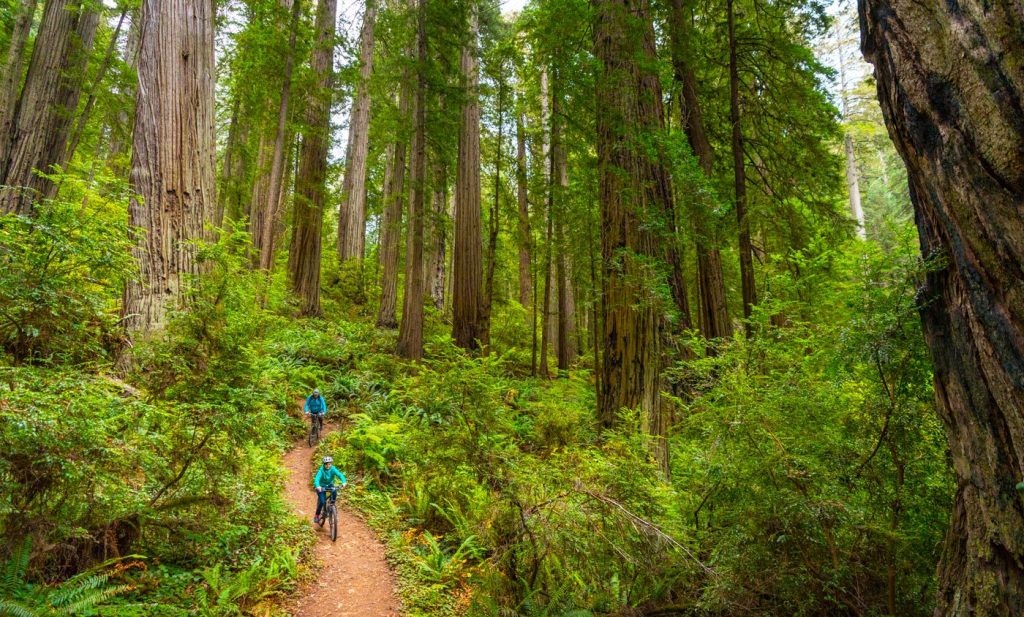
A short drive south and east of town, the Redwood National and State Parks form the headline attraction of the region. A network of scenic drives and hiking trails leads into groves of old-growth coast redwoods, with popular visitor areas such as Stout Grove and the Lady Bird Johnson Grove reachable in roughly 15 to 45 minutes from Crescent City. The parks draw nature lovers year-round, though the cool, marine climate keeps summer temperatures mild and winters wet and green.
Right on the harbor, Battery Point Lighthouse is one of the few lighthouses in the country accessible on foot only at low tide, when a natural causeway connects it to the mainland. The small museum housed inside offers a glimpse into nineteenth-century maritime life along this rugged stretch of coast, and the site sits just minutes from downtown lodging, making it an easy stop for guests interested in local history.
A bit farther afield, the Smith River canyon and the surrounding Smith River National Recreation Area lie roughly 20 to 30 minutes east of Crescent City. The river is known for its clarity and salmon and steelhead runs, and visitors come for swimming holes, kayaking, and forest drives along its forks. Closer to the coast, Tolowa Dunes State Park and the surrounding wetlands offer tide-pooling, bird-watching, and broad sandy beaches within about a 15-minute drive north of the city.
With its coastal scenery, redwood backdrop, working harbor, and proximity to several distinct natural areas, Crescent City offers a quiet, scenery-rich base for short-term rentals. Guests tend to come for the outdoors rather than urban amenities, which keeps the town grounded in its natural setting and gives rental owners a steady appeal among travelers tracing the Pacific coast or seeking a slower, forest-and-sea experience in California's far north.
Want to know if a property in Crescent City is a good investment?
Enter an address to get instant revenue potential and comps.