
Colton, California
Want to see how Colton compares to other top cities in California? Explore all city regulations in California. →
Colton, CA
Challenging To Investors
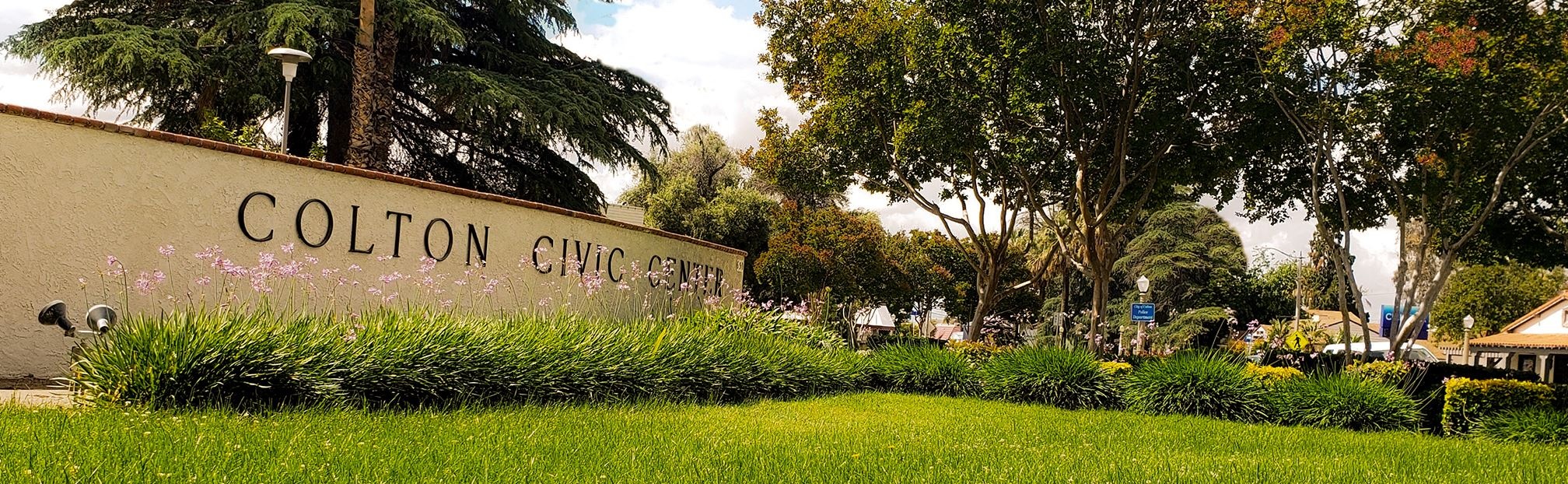
STR Regulations for Colton, California
Overview: Are Short-Term Rentals Allowed in Colton, CA?
Short-term rentals are likely allowed in Colton, CA, but with municipal regulations specific to the city. Colton is an incorporated city within San Bernardino County, which means it operates under its own local ordinances rather than the county's unincorporated area rules. While San Bernardino County allows STRs in their mountain and desert regions (unincorporated areas), incorporated cities like Colton establish their own regulatory frameworks.
Critical Distinction: San Bernardino County's STR program explicitly excludes incorporated cities, including Colton. Therefore, investors must comply with Colton's city-specific regulations rather than the county's STR ordinance.
What do Airbnb hosts actually earn in Colton?
Colton hosts earn a median $32,726/year with $171 ADR and 64% occupancy.
Top performers pull in $50,523+ per year.
See the full Colton market breakdownHow to Start a Short-Term Rental Business in Colton
Step 1: Research Local Zoning Requirements
- Verify zoning compliance: Confirm that your property is located in a zone that permits short-term rentals
- Review Colton Municipal Code: Research the city's specific STR regulations and requirements
- Check HOA bylaws: If applicable, review any homeowners association restrictions
Step 2: Obtain Required Permits and Licenses
- Business License: Apply for a Colton business license if required for STR operations
- Transient Occupancy Registration: Register with the City of Colton for TOT collection
- Fire Safety Compliance: Ensure your property meets all fire safety requirements
Step 3: Implement Compliance Systems
- Tax collection setup: Establish systems for collecting and remitting transient occupancy taxes
- Noise monitoring: Implement measures to ensure guest compliance with local noise ordinances
- Property management: Either establish personal management protocols or contract with licensed property management services
Required Documents, Permits, Licenses, and Guidelines
Municipal Requirements (Colton-Specific)
Based on typical California incorporated city STR requirements, expect to need:
Permits and Licenses:
- Short-term rental permit/registration (Colton-specific)
- Business license
- Fire safety inspection certificate
- Zoning compliance verification
Documentation:
- Property ownership proof or authorization
- Liability insurance documentation
- Emergency contact information
- Guest occupancy limitations documentation
Compliance Standards:
- Local noise ordinance compliance
- Parking regulations adherence
- Waste management protocols
- Safety equipment installation (smoke detectors, carbon monoxide detectors, fire extinguishers)
State and County Requirements
California State Requirements:
- State lodging tax compliance (if applicable)
- ADA compliance for accessibility
- Fair housing law compliance
San Bernardino County Context: Note that county STR regulations don't apply to Colton, but reference the county's 7% TOT rate for comparison with what Colton may charge.
Specific Regulations for Colton
City-Level Regulations
While specific Colton ordinances aren't detailed in the provided content, typical incorporated California city STR regulations include:
Operational Requirements:
- Maximum occupancy limits
- Minimum stay requirements (often 30 days or less)
- Guest registration and record-keeping
- 24/7 contact availability for property management
Zoning Restrictions:
- Residential use requirements
- Primary residence vs. investment property distinctions
- Neighborhood compatibility standards
Commercial Activity Prohibitions:
- Wedding events and receptions
- Corporate retreats and business meetings
- Photography/filming shoots
- Fraternity/sorority parties
- Other commercial gatherings without special permits
County and State Context
San Bernardino County (Unincorporated Areas Reference):
- 7% Transient Occupancy Tax rate
- Mountain and Desert region availability only
- Occupancy limitations
- 24/7 complaint resolution phone requirement
- Fire, Building, Zoning, and Health & Safety Code compliance
- Noise monitoring programs
California State Requirements:
- Transient occupancy tax remittance
- Fair housing compliance
- Accessibility standards
- Business operation requirements
Contact Information
Primary Contacts
City of Colton (Recommended First Contact):
- Municipal contact information would be available through the official City of Colton website
- Planning Department: For zoning compliance and permit requirements
- Finance Department: For tax registration and remittance procedures
San Bernardino County STR Program (Reference Only):
- Email: shorttermrental@lus.sbcounty.gov
- 24/7 Complaint Hotline: 1-833-SBC-STR1 (1-833-722-7871)
- Address: San Bernardino County Code Enforcement, 268 W. Hospitality Lane, Suite 300, San Bernardino, CA 92415
- Online Application Portal: ezop.sbcounty.gov/citizenaccess/
Additional Resources
- TOT Information: San Bernardino County Tax Collector (for county reference): www.mytaxcollector.com/trTOTInfo.aspx
- Property Map: San Bernardino County Permitted STR Map (county reference): str.sbcounty.gov/permitted-str-properties/
Important Considerations for Investors
Key Regulatory Gaps
The provided content does not include Colton-specific municipal regulations. Investors must:
- Contact the City of Colton directly to obtain current municipal STR requirements
- Review the Colton Municipal Code for specific zoning and operational regulations
- Verify current tax rates and collection procedures with the city's Finance Department
- Confirm permit requirements and application processes with City Planning
Financial Planning
- Tax Assessment: Research Colton's current transient occupancy tax rate (likely different from San Bernardino County's 7%)
- Permit Costs: Budget for application fees, inspection costs, and ongoing compliance expenses
- Insurance Requirements: Obtain adequate liability coverage meeting city standards
Compliance Timeline
- Pre-Operation Phase: 30-60 days for permit acquisition and compliance setup
- Ongoing Obligations: Monthly/quarterly tax remittance, annual permit renewals, regular compliance monitoring
Source Links
Primary County Reference Sources:
- San Bernardino County STR Program Home: str.sbcounty.gov/
- About STR Information: str.sbcounty.gov/about-str/
- Application Portal: ezop.sbcounty.gov/citizenaccess/
- TOT Information: www.mytaxcollector.com/trTOTInfo.aspx
- Permitted STR Map: str.sbcounty.gov/permitted-str-properties/
- County Ordinances: sanbernardino.legistar.com/View.ashx?M=F&ID=11026216&GUID=FA56CD83-9B2E-4D0C-9117-230256FB8DB1
Note: These county sources are for reference only and do not apply to Colton operations. Colton operates under separate municipal jurisdiction.
Important Disclaimer: This guide provides regulatory context based on available information. Colton-specific regulations must be verified directly with the City of Colton before initiating any STR operations. Municipal regulations can change frequently, and investors should confirm current requirements before making investment decisions.
Next step
Found a property in Colton?
Paste any address and get estimated revenue, cash-on-cash return, and comparable STR performance in under 5 minutes. 3 free analyses per day.
Free brief
Get the free Colton STR Investment Brief
Revenue data, top neighborhoods, seasonal trends, and the key regulations for Colton, California in one email.
Colton
Market Saturation Score
Photos of Colton


Overview of Colton
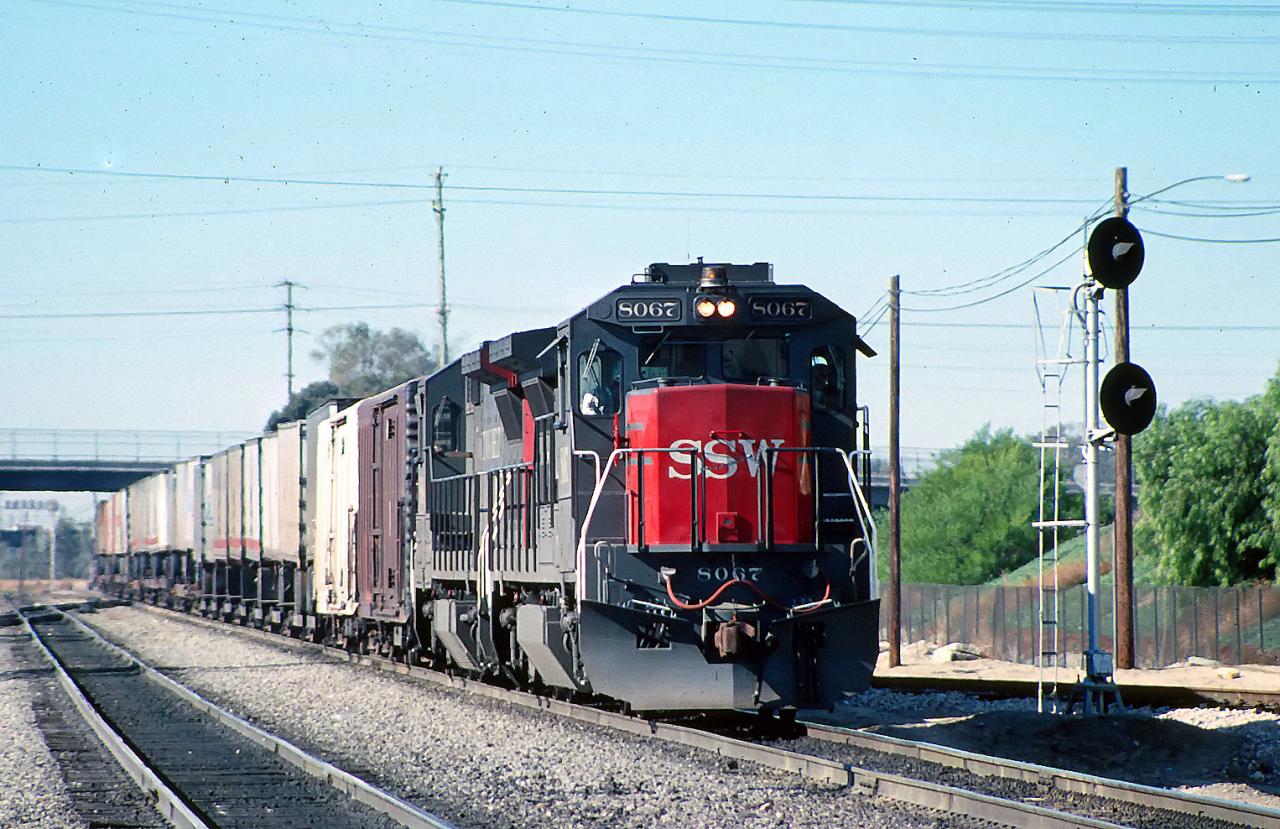
Colton is a city in San Bernardino County, California, situated in the Inland Empire region of Southern California. With a population of approximately 53,000, it sits along the Santa Ana River and has long served as a historic rail hub between Los Angeles and points east. Located about 60 miles east of downtown Los Angeles, Colton is known for its position along the historic Route 66 corridor and as a convenient gateway to the San Bernardino Mountains and the broader Inland Empire's outdoor recreation.
The San Bernardino National Forest lies just to the north of Colton, offering a vast expanse of pine-forested mountains, hiking trails, and scenic drives. About 20 to 30 miles north of the city, this national forest encompasses popular recreation areas and provides a quick escape from the warmer valley climate. Visitors can access campgrounds, lakes, and wilderness areas throughout the year, and the forest is a major draw for Southern Californians year-round.
Further into the mountains, Big Bear Lake is a popular four-season destination roughly 70 miles northeast of Colton. The lake and surrounding village draw visitors for boating, fishing, skiing, and snowboarding, depending on the season, and the village has a relaxed alpine atmosphere. It is one of Southern California's most accessible mountain getaways, with a lively downtown and numerous vacation rentals of its own.
Closer to the mountains, Lake Arrowhead is about 30 to 40 miles north of Colton and offers a more intimate mountain resort experience. The lake is surrounded by the community of Lake Arrowhead, with opportunities for lake cruises, fishing, and lakeside dining, as well as access to the Lake Arrowhead Village shopping area. The drive winds through scenic mountain terrain and rewards visitors with cooler temperatures and forested views.
To the south, the city of Riverside is about 15 miles from Colton and is home to the historic Mission Inn, a National Historic Landmark hotel in the city's downtown. Built in stages over the late 19th and early 20th centuries, the Mission Inn is famous for its Spanish Colonial Revival architecture and has hosted numerous U.S. presidents. The surrounding downtown area features restaurants, shops, and cultural venues worth exploring.
Colton's appeal as a short-term rental base comes from its central position within the Inland Empire. Travelers can reach the San Bernardino Mountains, high desert areas, and major Southern California cities like Los Angeles, Riverside, and San Bernardino within a reasonable drive. The combination of affordable accommodations, proximity to Interstates 10 and 215, and access to both mountain and urban attractions makes Colton a practical home base for visitors exploring the region.
Want to know if a property in Colton is a good investment?
Enter an address to get instant revenue potential and comps.