
Claremont, California
Want to see how Claremont compares to other top cities in California? Explore all city regulations in California. →
Claremont, CA
Challenging To Investors
STR Regulations for Claremont, California
Overview: STR Allowability in Claremont, CA
Short-term rentals are allowed in Claremont, CA, but with significant restrictions. The city permits only hosted short-term rentals within a resident's primary residence or an eligible accessory structure on the same property. No-host short-term rentals (vacation rentals) are strictly prohibited. This means the property owner must be present during the entire guest's stay. The city operates under a one-year pilot program with strict caps and regulations designed to balance economic opportunities with neighborhood preservation.
What do Airbnb hosts actually earn in Claremont?
Claremont hosts earn a median $29,836/year with $205 ADR and 67% occupancy.
Top performers pull in $48,428+ per year.
See the full Claremont market breakdownHow to Start a Short-Term Rental Business in Claremont
Step 1: Determine Eligibility
- Primary Residence Requirement: The property must be your primary residence (resided in at least 9 months of the year)
- Host Presence: You must live on-site during the entire guest's stay
- Property Type: Can be a room within the main home or a permitted accessory structure (e.g., guest house, ADU)
- Zoning Compliance: Verify your property is in an eligible zone
Step 2: Zone Verification
Claremont is divided into five STR zones aligned with City Council districts. Each zone has a maximum of 20 permits. Check your zone status using the district map lookup tool.
Step 3: Application Process
- Contact City Staff: Reach out to Alex Cousins at (909) 399-5323 or acousins@claremontca.gov
- Submit Application: Use the online portal at portal.deckard.com/ca-los_angeles-city_of_claremont-str-portal/
- Neighborhood Notification: Mail notices to abutting properties, diagonally across the street, and any relevant HOAs
- Safety Inspection: Complete building, fire, and safety inspection
- Notarized Affidavit: Complete and notarize the STR permit affidavit
Step 4: Operational Setup
- Register for Transient Occupancy Tax (TOT) and file monthly reports
- Include STR permit number in all listings
- Ensure compliance with occupancy and parking limits
- Establish protocols for guest management and complaint handling
Required Documents, Permits, Licenses, and Guidelines
Essential Documents
- STR Permit Application ($585.20 fee)
- STR Permit Affidavit (must be notarized)
- Neighborhood Notice (using official template)
- Proof of Primary Residency (resided 9+ months annually)
- Building/Fire Safety Inspection ($95.21 re-inspection fee if needed)
Permits and Licenses
- STR Permit: Annual renewal required ($435.73)
- Transient Occupancy Tax Registration: Monthly filing obligations
- Building Permits: If using accessory structures, proof of legal habitable status required
Safety and Compliance Requirements
- Initial Safety Inspection: Mandatory for all STRs
- Biannual Inspections: Required unless violations occur (then annual)
- Smoke/CO Alarms: Compliance required
- GFCI Outlets: Must meet code requirements
- Egress Windows: Safety standards apply
Guidelines and Standards
- Occupancy Limits: (Bedrooms × 2) + 1, plus up to 2 additional minor children (12 and under)
- Parking: Maximum 1 vehicle per bedroom plus 1, all overnight parking on-site
- Noise Compliance: No amplified sound audible at property line
- Event Restrictions: No parties, weddings, receptions, or commercial events
- Advertising: STR permit number must be included in all listings
Specific Regulations for Short-Term Rentals
City-Level Regulations (Claremont Municipal Code Chapter 16.110)
Permitted STR Types
- Hosted Rentals: Owner present throughout guest stay in primary residence
- Accessory Structure Rentals: Permitted guest houses/ADUs on same property as primary residence
- Limited Rentals: Maximum rental contracts per year for occasional use
Prohibited Activities
- No-host Rentals: Strictly prohibited (owner must be present)
- Commercial Events: Weddings, receptions, parties exceeding occupancy limits
- Signage: No advertising signs on or around property
- Multiple Permits: Only one STR permit per property owner/household
Operational Standards
- Stay Duration: Less than 30 consecutive days
- Occupancy: Overnight limits with daytime allowances (8 AM - 10 PM, up to double overnight limit)
- Parking: On-site overnight parking required
- Noise: Must comply with City Noise Ordinance (CMC 16.154.020)
County-Level Regulations
No specific Los Angeles County STR regulations identified in provided content. City regulations supersede county requirements.
State-Level Regulations (California)
ADU Restrictions (Government Code §66323)
- State-Mandated ADUs: Prohibited from STR use even if hosted
- Minimum Rental Terms: Most ADUs must be rented for 30+ days
- Deed Restrictions: ADUs approved post-2019 include deed restrictions prohibiting short-term rentals
General California Requirements
- Business License: Standard California business licensing requirements
- Tax Obligations: TOT compliance (10% in Claremont)
- Building Codes: State building and fire safety standards
Permit Caps and Availability
Current Permit Availability (Last Updated: October 29, 2025)
| STR Zone | Permits Issued | Permits Available | |----------|----------------|-------------------| | Zone 1 | 2 | 18 | | Zone 2 | 1 | 19 | | Zone 3 | 3 | 17 | | Zone 4 | 2 | 18 | | Zone 5 | 4 | 16 |
Total City Cap: 100 permits (20 per zone) Current Status: 88 permits available citywide
Waiting List Process
If your zone's cap is reached, applications are placed on a waiting list in order received. Regular updates provided on city website.
Fees and Tax Obligations
Permit Fees
- Application Fee: $585.20
- Annual Renewal: $435.73
- Re-inspection: $95.21 (if needed)
- Planning Time: $81.38 per hour
Tax Requirements
- Transient Occupancy Tax: 10% of rental rates
- Filing Frequency: Monthly
- Platform Collection: Airbnb can collect directly; other platforms require self-reporting
Revenue Projections
City estimates potential TOT revenue of $70,000 annually with full compliance, not including permit fees.
Contact Information for Local Authority
Primary Contact
Alex Cousins
Senior Management Analyst
Phone: (909) 399-5323
Email: acousins@claremontca.gov
Responsibility: STR applications, program administration
General City Contact
City of Claremont
Address: 207 Harvard Avenue, Claremont, CA 91711
Phone: (909) 399-5460
Email: contact@claremontca.gov
Website: www.claremontca.gov
Complaint Reporting
STR Violation Hotline: (840) 205-0693
Online Reporting: complaints-str.deckard.com/claremont_city-str-complaints
Enforcement and Penalties
Violation Consequences
- Three Violations: 12-month period results in 2-year suspension
- TOT Non-Compliance: 12-month suspension
- Unpermitted Advertising: Fines and possible permanent ineligibility
Inspection Requirements
- Initial Inspection: Required before permit issuance
- Biannual Inspections: Standard requirement
- Annual Inspections: Required if violations occur
- Safety Standards: Smoke/CO alarms, GFCI outlets, egress windows
Key Dates and Regulatory Timeline
- February 4, 2025: Planning Commission recommended adoption
- April 22, 2025: City Council adopted ordinance (4-1 vote)
- One-Year Pilot Program: Currently in effect
- Regular Updates: Zone availability updated regularly on city website
Important Links and Resources
Application and Portal
- STR Registration Portal: portal.deckard.com/ca-los_angeles-city_of_claremont-str-portal/
- Customer Portal Guide: Rentalscape User Guide (PDF, 6MB)
Document Templates
- Neighborhood Notice: STR-Permit-Neighbor-Notice.pdf (173KB)
- Safety Inspection Checklist: STR-Safety-Inspection-Checklist-7.2.25.pdf (146KB)
- Permit Affidavit: STR-Permit-Affidavit.pdf (202KB)
Regulatory Documents
- Full Ordinance: Short-Term-Rentals-City-Council-Staff-Report-April-22-2025.pdf (55MB)
- Public Hearing Notice: STR-Ordinance-CC-4-22-Public-Hearing-Notice.pdf (129KB)
Planning and Zoning
- District Map Lookup: www.arcgis.com/apps/View/index.html?appid=7b865740e10d4d57b95ae3fc79524441
- Municipal Code: Chapter 16.110 (Short-Term Rentals)
- City Council Districts: www.claremontca.gov/Government/City-Council
Contact and Reporting
- General Contact: www.claremontca.gov/Ways-to-Contact-the-City
- Violation Reporting: complaints-str.deckard.com/claremont_city-str-complaints
Investment Considerations for STR Operators
Advantages
- Legal Framework: Clear regulations provide certainty for compliant operators
- Growing Market: Tourism and business travel demand in Claremont area
- Revenue Potential: Estimated $70,000 annual TOT potential indicates active market
- Platform Support: Integration with Airbnb for TOT collection
Challenges
- Strict Limitations: Only hosted rentals allowed significantly restricts options
- Permit Scarcity: 80% of zones near or at capacity limits growth
- High Costs: Application and renewal fees total over $1,000 annually
- Intensive Oversight: Biannual inspections and strict compliance requirements
Strategic Recommendations
- Act Quickly: With limited permits available, early application advised
- Verify Eligibility: Confirm primary residence status and zoning compliance
- Budget Appropriately: Factor in permit fees, inspection costs, and ongoing compliance
- Plan for Renewal: Annual renewal process requires continued documentation and inspections
This regulatory environment favors serious, committed hosts over speculative investors, creating a more stable but limited investment opportunity.
Next step
Found a property in Claremont?
Paste any address and get estimated revenue, cash-on-cash return, and comparable STR performance in under 5 minutes. 3 free analyses per day.
Free brief
Get the free Claremont STR Investment Brief
Revenue data, top neighborhoods, seasonal trends, and the key regulations for Claremont, California in one email.
Claremont
Market Saturation Score
Photos of Claremont

Overview of Claremont
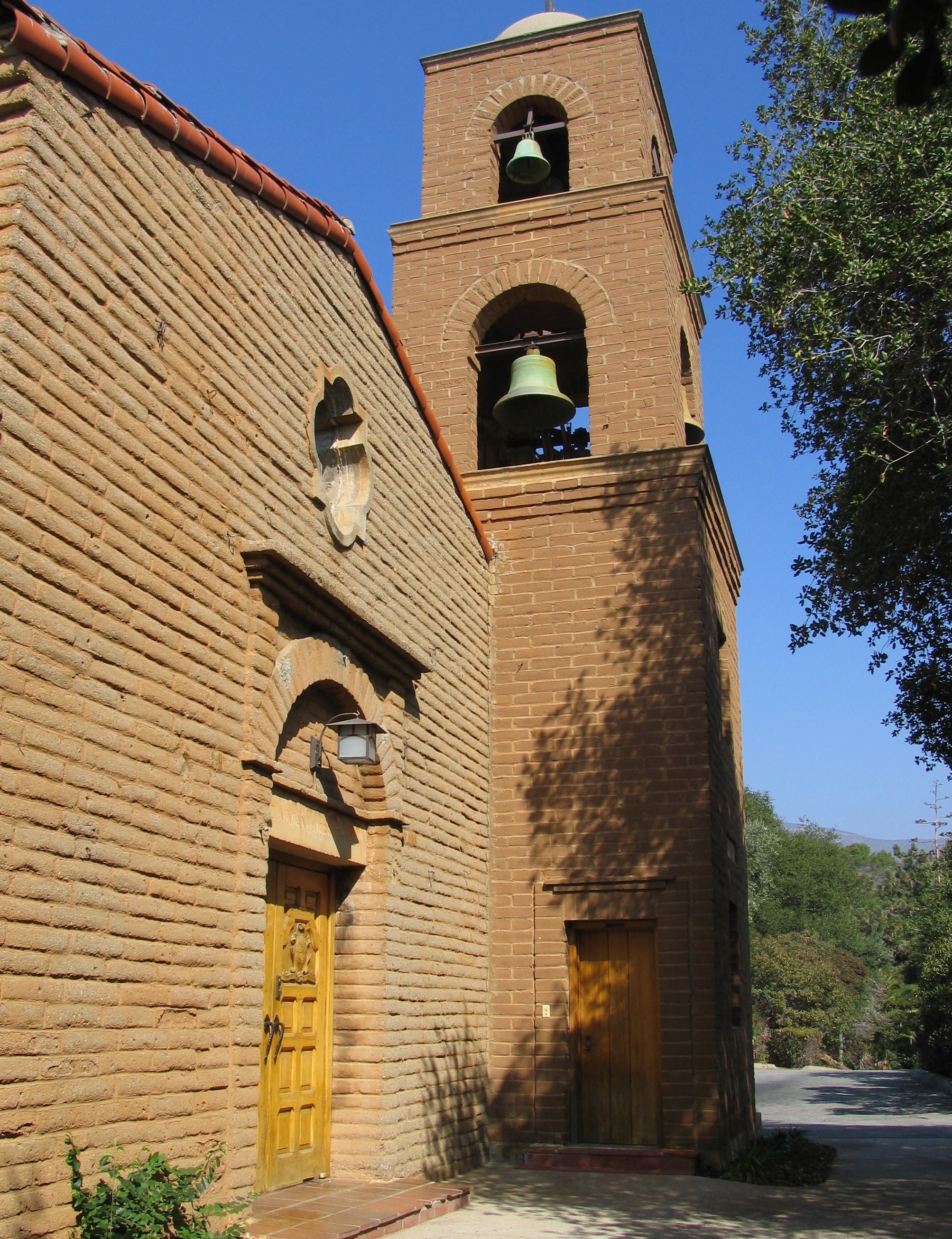
Claremont is a small, leafy city in the eastern San Gabriel Valley of Los Angeles County, California, with a population of roughly 37,000 residents. Often described as "The City of Trees and PhDs," it has the feel of a New England college town transplanted to Southern California, with a walkable downtown, Craftsman-era homes, and a distinctly intellectual air generated by its renowned consortium of seven affiliated higher-education institutions. The city is best known as the home of the Claremont Colleges, a group of closely linked schools that draw students, academics, and visitors throughout the year. Claremont sits about 30 miles east of downtown Los Angeles, making it a quiet inland enclave that is still within easy reach of the broader Southern California region.
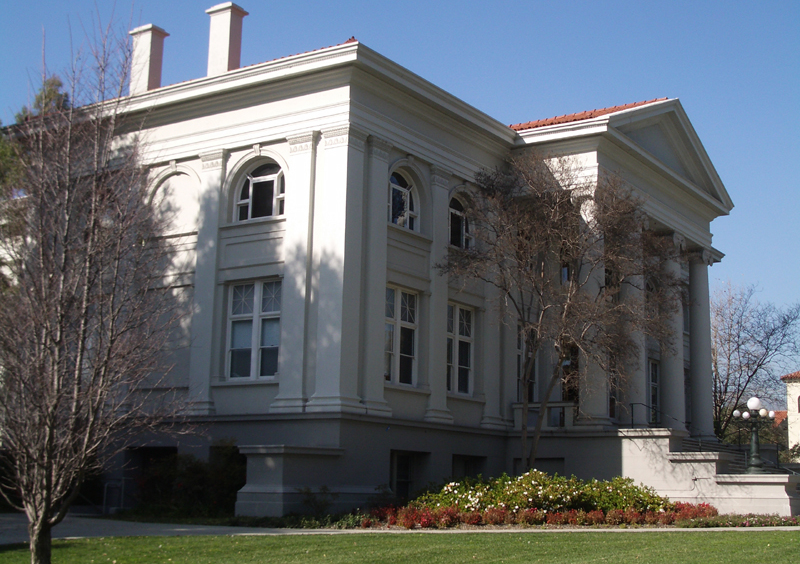
A short stroll from the city's historic core, the Claremont Colleges consortium includes Pomona College, Claremont McKenna College, Harvey Mudd College, Scripps College, and Pitzer College, along with two graduate institutions. The shared campuses are dotted with public art, lecture halls that host visiting speakers, and several gardens and libraries open to the public, giving visitors plenty to see beyond the typical tourist circuit. Parents visiting for admissions events, alumni returning for reunions, and academics attending conferences provide a steady stream of year-round demand for nearby lodging.
Just under twenty miles north of Claremont, Mount San Antonio — locally known as Mount Baldy — rises above 10,000 feet and serves as the highest peak in the San Gabriel Mountains. The drive from town to the mountain's trailheads typically takes about 30 to 40 minutes, and the area draws hikers, climbers, and skiers depending on the season. The surrounding San Gabriel Mountains National Monument and adjacent national forest land offer additional trails and campgrounds, providing a quick escape into pine-covered terrain that feels a world away from suburban Southern California.
Within the city itself, the California Botanic Garden (formerly Rancho Santa Ana Botanic Garden) showcases California native plants across more than 80 acres of landscaped grounds and is a regular stop for visitors interested in horticulture and natural history. A few blocks away, the Claremont Village downtown district centers on a pedestrian-friendly stretch of Indian Hill Boulevard lined with locally owned shops, restaurants, coffee houses, and the small Folk Music Center Museum, founded by the family behind the well-known Chase guitars. The combination of college-town rhythm, easy mountain access, and a charming walkable village makes Claremont an attractive base for travelers who want a quieter, more curated Southern California experience while remaining within a short drive of Los Angeles, the Inland Empire, and the Inland Empire's gateway to the Mojave Desert.
Want to know if a property in Claremont is a good investment?
Enter an address to get instant revenue potential and comps.