
Castroville, California
Want to see how Castroville compares to other top cities in California? Explore all city regulations in California. →
Castroville, CA
Challenging To Investors
STR Regulations for Castroville, California
Castroville, CA Short-Term Rental Investment Guide
Overview
Are short-term rentals allowed in Castroville, CA? Yes, short-term rentals are permitted in Castroville, but they are regulated under Monterey County's comprehensive vacation rental ordinance. Castroville, as an unincorporated community within Monterey County, falls under county-level regulations rather than city-specific rules.
What do Airbnb hosts actually earn in Castroville?
Castroville hosts earn a median $86,233/year with $701 ADR and 55% occupancy.
Top performers pull in $137,136+ per year.
See the full Castroville market breakdownHow to Start a Short-Term Rental Business in Castroville
Starting an STR business in Castroville requires navigating Monterey County's three-tiered rental system:
1. Homestay Rental
- Rent a room in a property while you occupy it
- Requires fewer restrictions than whole-unit rentals
- Suitable for property owners wanting to generate additional income without vacating their homes
2. Limited Vacation Rental
- Rent out your entire house up to three times per year
- Designed for occasional short-term rental use
- Limited frequency allows for sporadic rental income without full commercial operation
3. Unlimited Commercial Vacation Rental
- Full commercial STR operation without frequency limits
- Subject to a 4% cap on commercial rentals in unincorporated areas
- Requires formal permitting and compliance with all regulations
Investment Strategy Considerations:
- Given the 4% cap on unlimited commercial rentals, securing one of the limited commercial permits may be competitive
- Homestays offer the lowest barrier to entry but limited income potential
- Limited vacation rentals provide occasional income with fewer regulatory burdens
Required Documents, Permits, Licenses, and Guidelines
While specific permit application details weren't provided in the content, typical requirements for Monterey County STRs include:
Permit Requirements:
- Short-term rental permit application
- Proof of property ownership or legal authorization
- Property inspection compliance certificate
- Insurance verification
- Business license (if operating commercially)
Compliance Documents:
- Fire safety inspection certificate
- Zoning compliance verification
- Occupancy limit documentation
- Contact information posting requirements
- Guest rules and regulations
Ongoing Requirements:
- Annual permit renewal
- Regular inspections
- Tax registration and reporting
- Guest documentation maintenance
Specific Regulations for Castroville/Monterey County/CA
Monterey County STR Ordinance Key Provisions:
Geographic Restrictions:
- Big Sur and Carmel Highlands: Commercial vacation rentals banned entirely
- Unincorporated areas (including Castroville): 4% cap on commercial STRs
- Coastal zones: Additional restrictions through California Coastal Commission oversight
Rental Type Classifications:
- Homestays: Owner-occupied room rentals (most permissive)
- Limited Vacation Rentals: Whole-house rentals, maximum 3 per year
- Unlimited Commercial Vacation Rentals: Subject to 4% cap (approximately 334 units countywide)
Regulatory Timeline:
- Ordinance approved September 2024 by Monterey County Board of Supervisors (3-2 vote)
- Pending California Coastal Commission approval for coastal zone implementation
- Implementation timeline dependent on final regulatory approval
Enforcement and Compliance:
- Regular inspections and monitoring
- Complaint-driven enforcement system
- Penalties for non-compliance including permit suspension
State-Level California Considerations:
- California Coastal Commission oversight for coastal properties
- State tax requirements (Transient Occupancy Tax)
- Compliance with California health and safety codes
- ADA compliance requirements for commercial operations
Contact Information for Local Authority
Based on the content provided, the primary contacts are:
Monterey County Housing and Community Development Department
- Website: www.countyofmonterey.gov
- Permit Center: For STR permit applications and renewals
- Planning Services: For zoning and regulatory questions
California Coastal Commission
- Website: www.coastal.ca.gov
- Meeting schedules and agendas: Available online for coastal STR issues
- Public comment processes: For regulatory amendments and approvals
Note: Specific phone numbers and direct contact information were not provided in the available content and would need to be obtained directly from the respective agency websites.
Source Links
-
Monterey County STR Information Page: www.countyofmonterey.gov/government/departments-a-h/housing-community-development/planning-services/advance-planning/ordinances-plans-under-development/vacation-rentals
-
Monterey County Permit Center STR Page: www.countyofmonterey.gov/government/departments-a-h/housing-community-development/permit-center/short-term-rentals
-
Monterey County News Article on STR Ordinance: www.montereycountynow.com/blogs/opinion_blog/the-county-s-vacation-rental-ordinance-faces-one-more-hurdle-for-approval/article_7c4b9046-73e7-4a52-96f5-1043737bc637.html
Investment Recommendation
Given the competitive nature of the 4% cap on commercial STRs in unincorporated Monterey County areas like Castroville, investors should:
- Consider homestay opportunities as the most accessible entry point
- Evaluate limited vacation rental potential for occasional income generation
- Monitor the California Coastal Commission decision as it will determine final implementation
- Prepare comprehensive compliance documentation before application
- Budget for potential permit costs and ongoing compliance requirements
The regulatory framework shows Monterey County's attempt to balance tourism economy needs with housing availability concerns, creating both opportunities and challenges for STR investors in Castroville.
Next step
Found a property in Castroville?
Paste any address and get estimated revenue, cash-on-cash return, and comparable STR performance in under 5 minutes. 3 free analyses per day.
Free brief
Get the free Castroville STR Investment Brief
Revenue data, top neighborhoods, seasonal trends, and the key regulations for Castroville, California in one email.
Castroville
Market Saturation Score
Photos of Castroville



Overview of Castroville
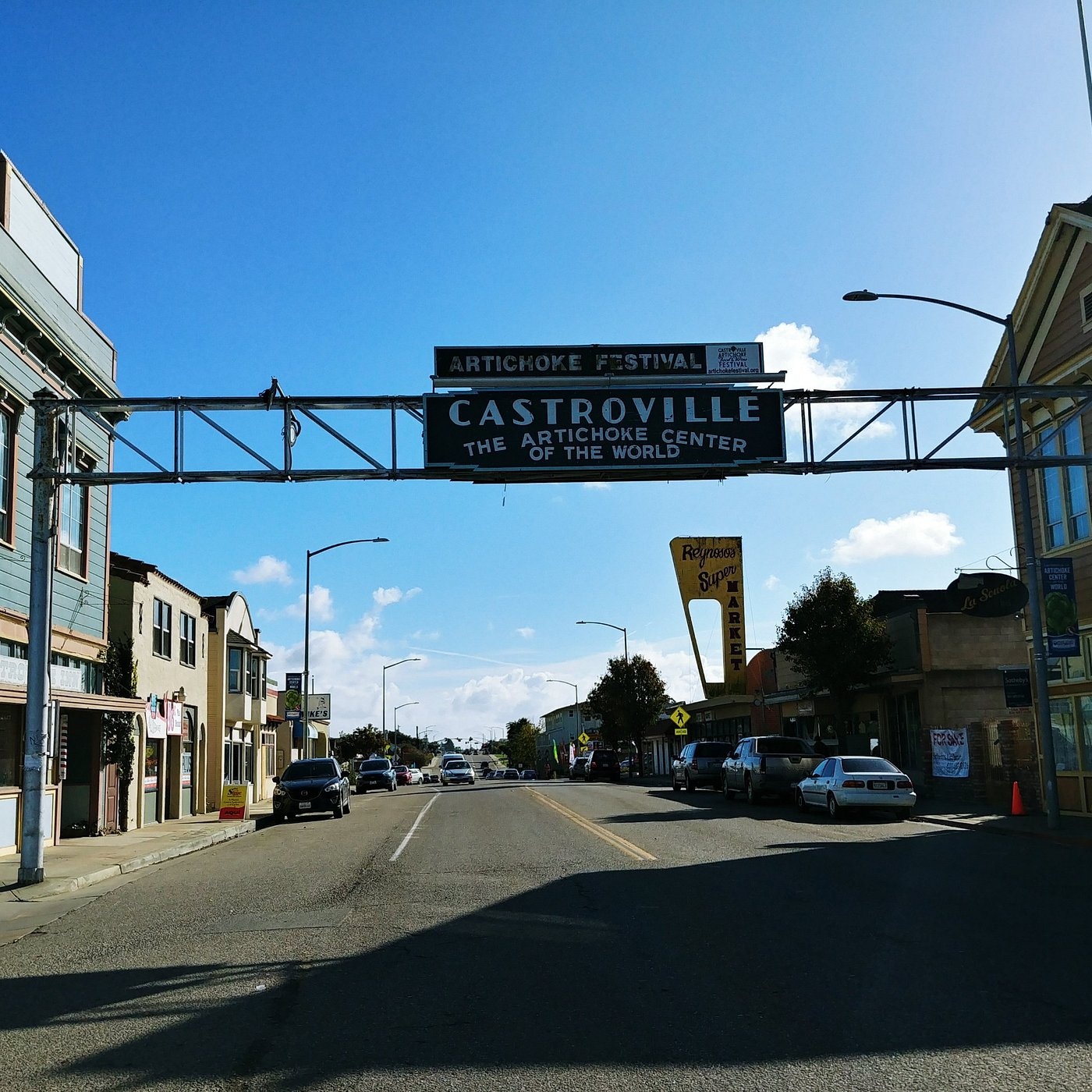
Castroville is a small community in Monterey County, California, with a population of roughly 6,000 residents. Set amid the fertile farmland of the Salinas Valley just inland from Monterey Bay, the town carries the unofficial title of "Artichoke Capital of the World" and is best known for its annual Artichoke Festival, which celebrates the crop that has defined the surrounding fields for generations. Its working-agricultural character, combined with its convenient position along Highway 1 between Salinas and the coast, makes it a quiet but practical base for exploring the wider Monterey Bay region. Castroville sits about 100 miles south of San Francisco and roughly 60 miles south of San Jose, placing it within easy reach of both major Bay Area hubs and the central California coast.
Just a few miles north of Castroville lies Moss Landing, a small harbor community perched at the mouth of Elkhorn Slough, one of California's largest tidal estuaries. The slough is recognized as a significant wildlife sanctuary, drawing birders and kayakers interested in sea otters, harbor seals, and migratory shorebirds. Visitors can find wildlife tours and kayak rentals at the harbor, and the area offers some of the most accessible wetland viewing on the California coast, only about ten minutes from town.
A short drive south brings travelers to Monterey, home of the Monterey Bay Aquarium, a world-renowned marine institution perched on Cannery Row. Famous for its towering kelp forest exhibit and its long-running work in ocean conservation, the aquarium draws visitors year-round and is roughly a twenty-minute drive from Castroville, making it an easy day trip for guests based in the area.
Inland about fifteen minutes, the city of Salinas offers a different kind of cultural stop at the National Steinbeck Center, the official museum dedicated to Nobel Prize-winning author John Steinbeck, who grew up in the valley and set many of his novels in and around Salinas. The center explores his life, the agricultural history of the region, and the social themes woven through his work, providing context for the landscape guests see throughout the drive between Castroville and the coast.
Further afield, Pinnacles National Park lies about an hour and a half to the southeast, a rugged landscape of volcanic spires, talus caves, and condor habitat that offers a striking counterpoint to the coastal scenery closer to Castroville. Hikers can explore miles of trails through chaparral and oak woodlands, with reasonable chances of spotting California condors overhead.
Castroville's appeal as a short-term-rental base comes from its balance of affordability, central location, and proximity to some of California's most iconic coastal and cultural attractions. Guests can spend mornings among the artichoke fields, afternoons kayaking in Elkhorn Slough, and evenings sampling the cuisine of Monterey or the vineyards of the surrounding valleys, all while staying in a community that feels genuinely tied to the agricultural rhythms of the central coast.
Want to know if a property in Castroville is a good investment?
Enter an address to get instant revenue potential and comps.