
Banning, California
Want to see how Banning compares to other top cities in California? Explore all city regulations in California. →
Banning, CA
Challenging To Investors
STR Regulations for Banning, California
Overview: Are Short-Term Rentals Allowed in Banning, CA?
Short-term rentals are not explicitly addressed in the provided documents, and no city-specific STR ordinance for Banning is included. Practically, this means short-term rentals can operate in Banning subject to general California state law, local zoning, building and fire codes, and ordinary business/tax obligations. Treat this as a “no explicit ban or local program identified” status. Because Riverside County (Banning’s county) has a separate STR program for unincorporated areas, but Banning is an incorporated city, that county program does not apply to Banning unless the city references or adopts it.
What do Airbnb hosts actually earn in Banning?
Banning hosts earn a median $17,905/year with $149 ADR and 51% occupancy.
Top performers pull in $29,412+ per year.
See the full Banning market breakdownHow to Start a Short-Term Rental Business in Banning
- Confirm zoning and land-use eligibility.
- Verify that renting the property for fewer than 30 days is a permitted use in the subject property’s zoning district; check with the City’s Planning Division.
- Register and comply as a business.
- Obtain any required business license(s) from the City’s Finance/Revenue Division and comply with tax collection/reporting obligations (including Transient Occupancy Tax—see below).
- Meet life-safety and housing standards.
- Ensure compliance with state and local building, fire, health, and accessibility standards that apply to transient lodging. Keep smoke and CO detectors, extinguishers, and egress routes safe and code-compliant.
- Prepare standard operations and guest policies.
- Implement house rules (quiet hours, occupancy limits, parking, trash, no events), provide a 24/7 contact, and adopt a Good Neighbor brochure/code of conduct to minimize neighbor complaints.
- Maintain robust insurance.
- Carry commercial-grade short‑term rental insurance (not a standard homeowners policy) with minimum $1,000,000 in liability, property damage, and loss-of-income coverage.
- Taxes and payments.
- Set up Transient Occupancy Tax remittance (10% in California). File and remit monthly/quarterly as required; retain documentation for audits.
Required Documents, Permits, Licenses, and Guidelines
In the absence of city-specific STR rules, assume standard business and safety requirements. Use the checklist below to operationalize:
- Business license and registration
- City business license (confirm whether a separate “transient occupancy registration” is required).
- Transient Occupancy Tax (TOT) registration and remittance
- Collect 10% TOT on taxable rentals; file and remit to the City/County per the local tax administrator’s schedule.
- Zoning/land-use verification
- Written confirmation that the property may be used for short-term rentals.
- Insurance
- Evidence of $1,000,000 commercial general liability and property coverage (plus loss-of-income coverage); add the City as additional insured when required.
- Safety and property documentation
- Safety self-certification checklist (as applicable), emergency contact procedures, and property rules posted inside the unit.
- Guest acknowledgment
- House rules/good neighbor guidelines distributed to guests (quiet hours, occupancy, parking, trash, event restrictions).
- Advertising compliance
- Include business license/TOT registration number in listings (if required); avoid signage that violates local codes.
Specific Regulations: City, County, and State
- City (Banning)
- No city-specific STR ordinance appears in the provided materials. Confirm with Planning and Code Enforcement whether any municipal restrictions apply (e.g., signage, parking, noise, event bans).
- County (Riverside County)
- Riverside County operates an STR program for unincorporated areas (e.g., Thousand Palms), but this program does not apply to incorporated cities such as Banning. Banning is not subject to the county STR certificate, TOT program, or its penalties unless the city chooses to adopt or reference them.
- State (California)
- Short-term rentals are defined as rentals of 30 days or fewer. Hosts must:
- Collect and remit 10% Transient Occupancy Tax (TOT).
- Comply with life-safety codes (fire, building, health).
- Publish a code of conduct or good neighbor policy to minimize nuisances.
- Comply with state-hosted platform registration/reporting (e.g., as established for major municipalities and mirrored in state guidance).
- Short-term rentals are defined as rentals of 30 days or fewer. Hosts must:
Contact Information (Local Authority in Charge of STRs)
In the absence of a dedicated STR office, direct inquiries to the City Manager and appropriate departments:
- City Manager (Douglas Schulze)
- Address: City of Banning, 99 E. Ramsey Street, Banning, CA 92220
- Phone: (951) 922-4860
- Email: dshulze@banningca.gov
- Website: banningca.gov
- Finance/Revenue Division (business licenses and TOT)
- Phone: (951) 922-4860
- Planning/Community Development (zoning and land use)
- Phone: (951) 922-4860
- Code Enforcement (nuisance, noise, parking, signage)
- Phone: (951) 922-4860
- Riverside County (unincorporated STRs, for reference only)
- Website: planning.rctlma.org/short-term-rental-program
- Treasurer/Tax Collector (for unincorporated TOT): countytreasurer.org/tax-collector/short-term-vacation-rentals
- Note: This program does not apply to Banning.
Source Pages and Links
- City of Banning – Short-Term Rental Agreement (City-owned property, unrelated to STRs but shows city contracting): banningca.gov/DocumentCenter/View/11330/Att-3-Draft-Short-Term-Rental-Agreement_Pumpkin-Patch
- Riverside County Planning – Short-Term Rental Program (for unincorporated areas; not applicable to Banning): planning.rctlma.org/short-term-rental-program
- Riverside County Treasurer – TOT for Short-Term Vacation Rentals (for unincorporated areas; not applicable to Banning): countytreasurer.org/tax-collector/short-term-vacation-rentals
- City of Banning – Official Website (general contact): banningca.gov
Notes and disclaimers:
- This guide reflects only the provided content and general California requirements; it is not legal advice. Before operating, confirm with the City whether any municipal restrictions, permits, or registration apply to your specific property and zoning. Regulations and tax requirements can change; verify current rules with local authorities.
Next step
Found a property in Banning?
Paste any address and get estimated revenue, cash-on-cash return, and comparable STR performance in under 5 minutes. 3 free analyses per day.
Free brief
Get the free Banning STR Investment Brief
Revenue data, top neighborhoods, seasonal trends, and the key regulations for Banning, California in one email.
Banning
Market Saturation Score
Photos of Banning



Overview of Banning
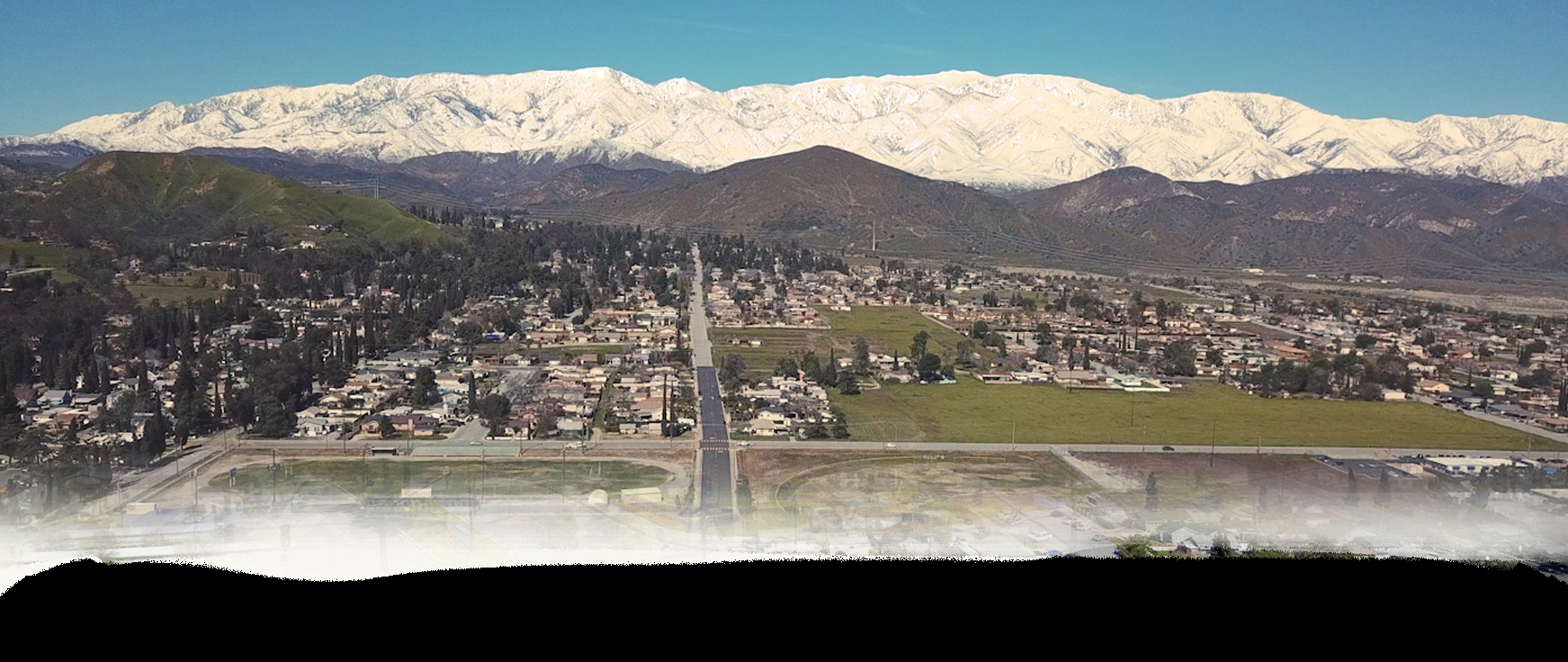
Banning sits in the broad San Gorgonio Pass in Riverside County, California, a small city of roughly 30,000 residents that serves as the western gateway to the Coachella Valley. The community has a quiet, working-class character rooted in its railroad and agricultural past, and it is best known as a convenient stopover between the greater Los Angeles basin and the resort destinations of Palm Springs and the desert cities beyond. It lies approximately 80 miles east of Los Angeles along Interstate 10, with Palm Springs only about 20 miles to the southeast through the pass.
To the north, the rising slopes of the San Bernardino National Forest offer a sharp contrast to the desert below. Within roughly a 30-minute drive, visitors can reach lower trailheads that provide hiking, camping, and access toward the Mount San Gorgonio wilderness area, home to the tallest peak in Southern California. The forest also connects Banning to higher-elevation destinations like Big Bear and Lake Arrowhead through scenic byways such as Highway 38.
Just southeast of Banning in neighboring Cabazon, the famous Cabazon Dinosaurs have drawn road-trippers since the 1960s. The pair of giant concrete dinosaurs — a brontosaurus and a T-rex — house a museum and gift shop and remain one of the most recognizable roadside attractions along Interstate 10.
To the south, the Malki Museum on the Morongo Indian Reservation near Banning is recognized as one of the oldest Native American museums in California. It preserves artifacts, photographs, and cultural materials from the Cahuilla and other Southern California tribes, offering a meaningful cultural stop for visitors interested in the region's indigenous heritage.
Banning's appeal as a base for short-term rentals lies in its accessibility and its position at the meeting point of mountains, desert, and major Southern California population centers. Travelers who want a quieter, more affordable alternative to staying in Palm Springs or Palm Desert can base themselves in Banning and day-trip to the wind farms of the pass, the resort towns of the Coachella Valley, the trailheads of the San Bernardino National Forest, and the cultural sites of the surrounding desert communities. The city's relaxed pace, combined with its proximity to both outdoor recreation and desert entertainment, makes it a practical home base for guests exploring the inland reaches of Southern California.
Want to know if a property in Banning is a good investment?
Enter an address to get instant revenue potential and comps.