
Tonopah, Arizona
Want to see how Tonopah compares to other top cities in Arizona? Explore all city regulations in Arizona. →
Tonopah, AZ
Generally Investor Friendly
STR Regulations for Tonopah, Arizona
Overview: Are Short-Term Rentals Allowed in Tonopah, AZ?
Yes. Short‑term rentals (rentals for fewer than 30 consecutive days) are allowed in Tonopah, Arizona. Tonopah is an unincorporated community in Maricopa County, and there are no city-specific short‑term rental (STR) regulations. All STR operations must comply with Arizona state statutes and Maricopa County ordinances and codes. At the state level, Arizona permits STRs and allows cities and counties to regulate them within limits set by state law. Hosts must follow state licensing/tax rules and general county requirements that apply to properties countywide (e.g., zoning, noise, construction codes, and public health standards). Citations: state-level STR legality and countywide governance are discussed in Arizona short‑term rental law summaries and the Maricopa County ordinances and codes page.
What do Airbnb hosts actually earn in Tonopah?
Tonopah hosts earn a median $32,311/year with $116 ADR and 89% occupancy.
Top performers pull in $32,919+ per year.
See the full Tonopah market breakdownHow to Start a Short-Term Rental Business in Tonopah
Below is a step‑by‑step checklist tailored for Tonopah (Maricopa County):
- Confirm zoning and land use eligibility
- Verify that your property is in a zoning district that allows short‑term lodging. Maricopa County’s Zoning Ordinance governs land use in unincorporated areas. Review the zoning designation with the Planning & Development Department and confirm STRs are permitted at the subject parcel. If your area is governed by homeowner association rules, obtain written approval/waiver confirming STRs are permitted and any owner/occupancy or rental restrictions. County ordinances, construction standards, noise limits, and other codes apply regardless of HOA rules.
- Secure required business licenses and tax registrations
- Transaction Privilege Tax (TPT) license: STRs for stays under 30 days are subject to the transient lodging classification and require a TPT license from the Arizona Department of Revenue (AZDOR). Apply via AZTaxes.gov using Form JT‑1. Keep the license active and file returns on schedule. Note: As of January 1, 2025, Arizona no longer imposes TPT on long‑term residential rentals of 30 days or more; short‑term lodging remains taxable and requires licensing and reporting.
- County registration (as applicable): Some Arizona municipalities and counties require STR registration; Maricopa County’s current position is that STR registration is required under state law. Confirm current county registration requirements with Maricopa County Planning & Development before operating.
- Implement health, safety, and building standards
- Comply with the 2018 International Codes as adopted or amended by Maricopa County (e.g., smoke/CO detectors, safe egress, sanitation, electrical/plumbing systems). Obtain any required permits for alterations, safety devices, or changes of use. Ensure the unit meets habitability and maintenance standards.
- Set up taxes, pricing, and collections
- Collect and remit state and local transaction privilege (sales) taxes on STR bookings. Short‑term lodging is subject to TPT at the state level and may also be subject to local add‑on taxes depending on jurisdiction. Consider how county excise taxes and any regional taxes apply to your location.
- If you use platforms like Airbnb or VRBO, they typically calculate and collect these taxes at checkout; confirm your obligations and whether you must file returns directly in addition to platform collections.
- Post emergency contact and house rules
- Display emergency contact information within 10 feet of the main entrance. The designated contact must be able to respond to police or emergencies, ideally within one hour. Include quiet hours, parking rules, maximum occupancy, and local ordinances (e.g., noise) in your house rules.
- Obtain adequate insurance
- Carry liability coverage (commonly $500,000 or more) appropriate for short‑term lodging risks. Review exclusions and consider coverage for property damage, guest injury, and loss of rental income. Coordinate with your broker to ensure the policy aligns with short‑term lodging exposures.
- Create a compliance file
- Keep copies of zoning verification, TPT license (JT‑1), any county registration, permits, inspections, platform tax confirmations, emergency contact postings, insurance declarations, and house rules. Update annually and after any property or law changes.
Required Documents, Permits, Licenses, and Guidelines
- Transaction Privilege Tax (TPT) License (Arizona Department of Revenue)
- Form JT‑1 application via AZTaxes.gov
- Select transient lodging classification for STRs under 30 days
- File and pay TPT on schedule; maintain records
- County Registration (as required by Maricopa County)
- Confirm whether STR registration is required; follow county instructions if applicable
- Zoning/Land Use Compliance
- Written confirmation that STRs are permitted at the subject parcel under Maricopa County Zoning Ordinance
- Building/Permits (as needed)
- Permits for safety devices, alterations, or changes of use; ensure compliance with adopted building codes
- Insurance
- Liability coverage (often $500,000+); consider broader coverage for property and guest risks
- Emergency Contact Posting
- Conspicuously posted within 10 feet of the main entrance; contact must be responsive within one hour
- House Rules and Guest Policies
- Quiet hours, occupancy, parking, trash/recycling, local ordinances (noise, construction hours)
Citations: TPT licensing and transient lodging classification (AZDOR); county ordinances and construction codes (Maricopa County); state-level STR context (Arizona STR law overview).
Specific Regulations for Short-Term Rentals
City-specific: Tonopah is unincorporated; there are no town-level STR ordinances. All rules are state- and county-level.
Maricopa County (applies countywide)
- Zoning Ordinance: STRs must be in a zoning district where lodging is allowed; verify with Planning & Development.
- Noise Ordinance (P‑23): Excessive, unnecessary, or disruptive noise is prohibited. Quiet hours and behavior rules should be enforced. Sheriff’s Department can respond (602‑876‑1000).
- Hours of Construction Ordinance (P‑22): Limits construction and related activities to specific daytime hours to protect neighbors.
- Dark Sky Ordinance: Controls outdoor lighting to reduce light pollution and maintain nighttime environment.
- Addressing Regulations: Properties must maintain proper addressing for emergency services and mail delivery.
- Construction Codes: 2018 International Codes as adopted with local amendments; ensure safety devices, egress, sanitation, and systems meet code.
- Drainage and Subdivision Regulations: Development must meet county drainage and subdivision standards; verify if new development or changes are proposed.
State of Arizona
- STRs under 30 days are taxable and must be licensed under transient lodging classification (TPT). Hosts must register and file returns with AZDOR.
- Local governments may regulate STRs within statutory bounds; state law constrains the extent of prohibitions and requirements that localities can impose.
- Background checks and tenant screening norms may apply in certain municipalities; verify local policies where applicable.
- Penalties for non‑compliance with tax and regulatory requirements can include fines, assessments, and potential license suspension or revocation.
Citations: county ordinances and codes (Maricopa County); TPT licensing requirements (Arizona Department of Revenue); state-level STR regulation context (Arizona STR overview).
Taxation and Fees
- State Transaction Privilege Tax (TPT): Short‑term lodging for fewer than 30 days is subject to TPT. Apply via AZTaxes.gov and file monthly or quarterly according to AZDOR schedule.
- Local add‑on taxes: Depending on the jurisdiction, additional local TPT rates may apply to transient lodging. Check the current tax rate table for your specific area.
- Platform collection: Platforms often calculate, collect, and remit taxes for you, but you remain responsible for proper registration and reporting. Keep proof of filings and collections.
- Long‑term rentals (30+ days): As of January 1, 2025, Arizona does not impose TPT on residential rentals of 30 days or more. This change does not affect STRs under 30 days.
Citations: AZDOR TPT pages (residential rental guidelines, transient lodging classification).
Contact Information (Local Authority in Charge of STRs)
Tonopah STRs are governed by Maricopa County and the State of Arizona. The primary contacts are:
- Arizona Department of Revenue (AZDOR) – TPT Licensing and Transient Lodging
- Phone: (602) 255‑3381
- Address: 1600 West Monroe Street, Phoenix, AZ 85007
- Website: azdor.gov
- Online portal: aztaxes.gov (apply, file, and pay)
- Maricopa County Planning & Development Department
- Phone: (602) 506‑3011
- Address: 301 West Jefferson Street, Phoenix, AZ 85003
- Website: maricopa.gov (Planning & Development > Ordinances, Regulations and Codes)
- Maricopa County Sheriff’s Office (Noise/Public Safety Enforcement)
- Phone: (602) 876‑1000
- Substation locator: mcso.org/services/patrol‑operations/district‑locator
Citations: AZDOR contact page; Maricopa County Ordinances, Regulations and Codes page.
Links to Source Pages
- Residential Rental Licensing Requirements and Processes (AZDOR)
- Short-Term Lodging (AZDOR)
- Transaction Privilege Tax (AZDOR main)
- Ordinances, Regulations and Codes (Maricopa County)
- Airbnb & Short Term Rental Laws and Regulations in Arizona (Steadily)
- State legislative limits on local regulation of STRs (Arizona Revised Statutes)
Note on limitations: Always confirm current county registration or zoning requirements and the latest tax rate table directly with AZDOR and Maricopa County. This guide reflects the provided sources and may not capture every local nuance or ordinance amendment.
Next step
Found a property in Tonopah?
Paste any address and get estimated revenue, cash-on-cash return, and comparable STR performance in under 5 minutes. 3 free analyses per day.
Free brief
Get the free Tonopah STR Investment Brief
Revenue data, top neighborhoods, seasonal trends, and the key regulations for Tonopah, Arizona in one email.
Tonopah
Market Saturation Score
Photos of Tonopah


Overview of Tonopah
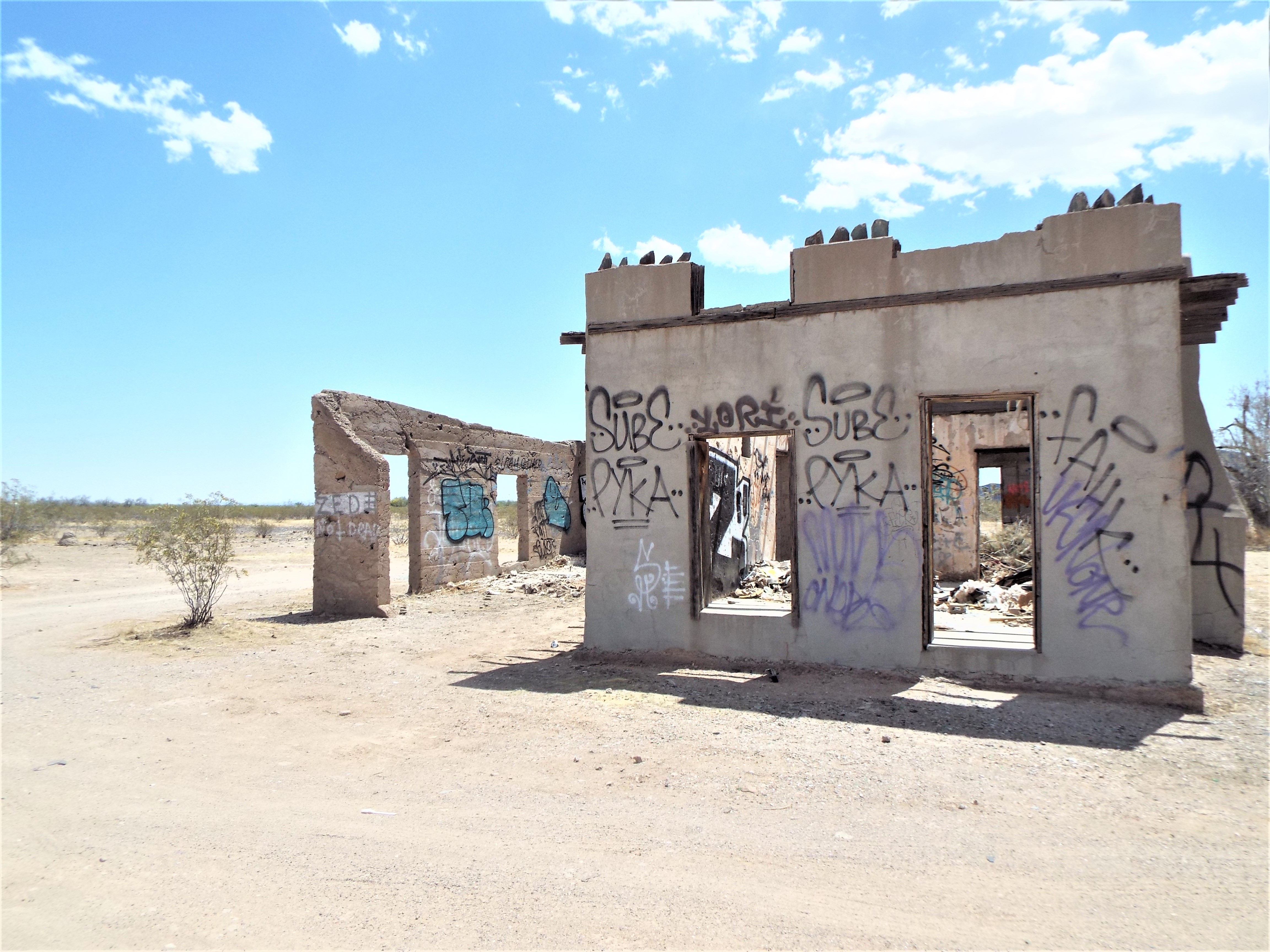
Tonopah is a small, sparsely populated unincorporated community in western Maricopa County, Arizona, situated in the Sonoran Desert along Interstate 10. With only a few hundred residents, the community has a quiet, rural character defined by wide-open desert vistas, low-density development, and a pace of life that stands in sharp contrast to the bustling Phoenix metro area roughly 50 miles to the east. Tonopah functions less as a traditional tourist destination and more as a waypoint and gateway for travelers exploring the desert landscapes of west-central Arizona, including the Sonoran Desert National Monument and the communities of Wickenburg and Ajo to the south. Its position along I-10 gives it an unpretentious, road-trip kind of feel, with a small cluster of services catering to passing motorists and outdoor enthusiasts.
A short drive west of Tonopah, the Sonoran Desert National Monument protects more than 480,000 acres of the Sonoran Desert ecosystem, including the iconic North Maricopa Mountains and South Maricopa Mountains wilderness areas. The monument offers backcountry driving, hiking, and wildlife viewing opportunities, with saguaro forests, desert washes, and the chance to spot species such as desert bighorn sheep. It lies within roughly 30 to 60 minutes of Tonopah, depending on the specific trailhead, and is one of the area's most significant natural draws.
To the northeast, White Tank Mountain Regional Park provides a contrasting landscape of rugged granite mountains and water-carved canyon terrain in the western reaches of the Phoenix metro area. The park is known for Waterfall Canyon, the largest natural waterfall in the region, as well as a network of trails popular for hiking, mountain biking, and horseback riding. It is roughly an hour's drive from Tonopah, making it a feasible day trip for visitors seeking shade, elevation, and panoramic views of the surrounding desert.
South of Tonopah, the historic town of Wickenburg offers a glimpse of Old West heritage, with the Vulture Mine providing one of Arizona's most well-preserved 19th-century mining sites and a worthwhile side excursion about an hour from town. Wickenburg itself is a small Western-flavored community along the Hassayampa River, popular with snowbirds, equestrians, and visitors drawn to its museums, dude ranches, and annual Gold Rush Days celebration.
For short-term rental investors, Tonopah's appeal lies in its accessibility and its role as a quiet base for travelers exploring some of Arizona's most expansive and least developed desert scenery. Its proximity to Phoenix, the Sonoran Desert National Monument, White Tank Mountain Regional Park, and the historic Wickenburg area positions it well for road-trippers, off-road enthusiasts, birders, and stargazers seeking solitude within an hour or two of major attractions. With minimal lodging competition in the immediate area, a well-located property here can serve a steady stream of travelers looking to wake up beneath wide desert skies and spend their days exploring the surrounding natural and cultural landmarks.
Want to know if a property in Tonopah is a good investment?
Enter an address to get instant revenue potential and comps.